Jump Straight to What Matters
If you're asking "what breed of cat is a tabby grey?", you're not alone. I've heard this question a dozen times from friends and online forums. Let's clear it up right away: tabby is not a breed. It's a coat pattern. Grey tabby cats can belong to many different breeds, and that's where the fun begins. I remember adopting my first grey tabby, thinking it was just a regular domestic shorthair, only to later suspect it had some Maine Coon in it. This article will walk you through the common breeds, how to spot them, and what to expect when living with a grey tabby.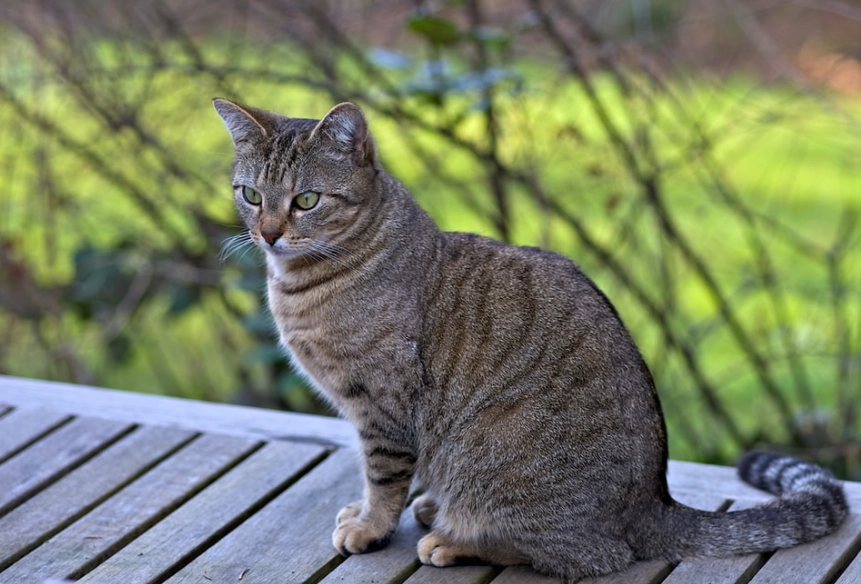
What Exactly is a Tabby Pattern?
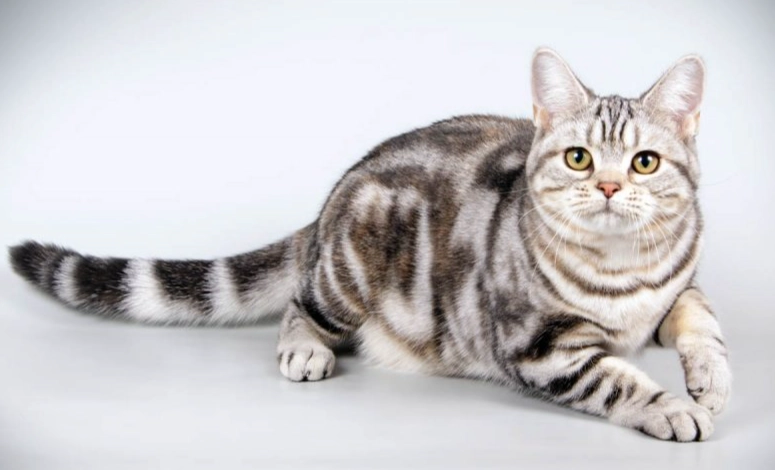
Tabby refers to the stripes, swirls, or spots on a cat's coat. It's like the fingerprint of the cat world—every tabby pattern is unique. There are four main types: classic (blotched), mackerel (striped), spotted, and ticked. Grey tabbies simply have this pattern in shades of grey, from light silver to dark charcoal. The pattern comes from a gene that's present in almost all domestic cats, which is why so many breeds can have it. Some people think tabbies are a specific breed, but that's a common mix-up. It's just the way their fur is painted.
Quick fact: The tabby pattern is thought to have evolved for camouflage in the wild. Grey tabbies might blend into rocky or urban environments better than other colors.
Top Cat Breeds That Rock the Grey Tabby Coat
So, which breeds commonly show up as grey tabbies? Here's a rundown based on my experience and research from sources like The International Cat Association. I've seen these breeds pop up in shelters and breeders' lists all the time.
| Breed | Typical Grey Tabby Appearance | Key Traits | Common in Shelters? |
|---|---|---|---|
| American Shorthair | Medium build, round face, dense grey coat with classic or mackerel patterns | Friendly, low-maintenance, good with families | Very common |
| British Shorthair | Stocky body, chubby cheeks, often a blue-grey tabby (they call it "blue") | Calm, independent, prone to weight gain | Less common, often from breeders |
| Maine Coon | Large size, tufted ears, long fur with grey tabby markings | Gentle giants, playful, need regular grooming | Sometimes mixed breeds appear |
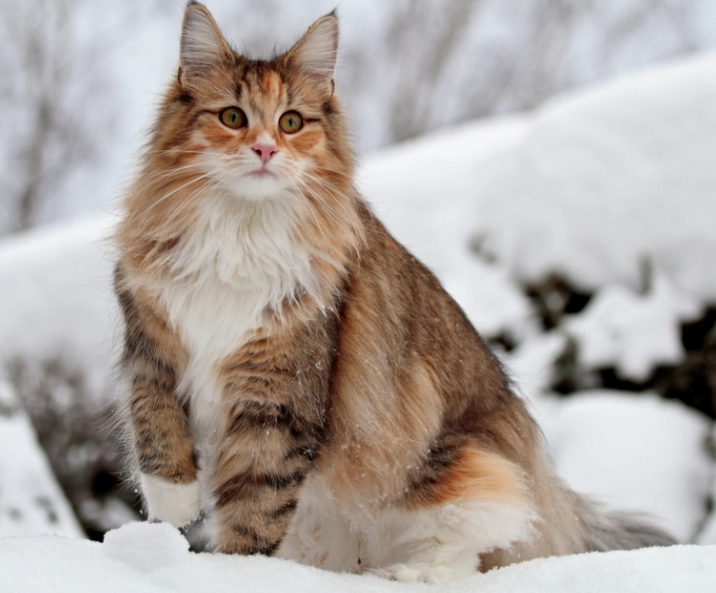
| Norwegian Forest Cat | Muscular, water-resistant coat, grey tabby with a bushy tail | Adventurous, good climbers, shed heavily in spring | Rare in shelters |
| Domestic Shorthair/Longhair | Variable—can look like any breed, but grey tabby is a frequent mix | Adaptable, diverse personalities, often healthy | Extremely common |
Notice how most of these are not exotic breeds? That's because grey tabby is a widespread pattern. I've met grey tabbies that were clearly American Shorthairs—they had that sturdy, no-nonsense look—and others that were probably Maine Coon mixes because of their size and ear tufts. It's a guessing game without a DNA test, but body clues help.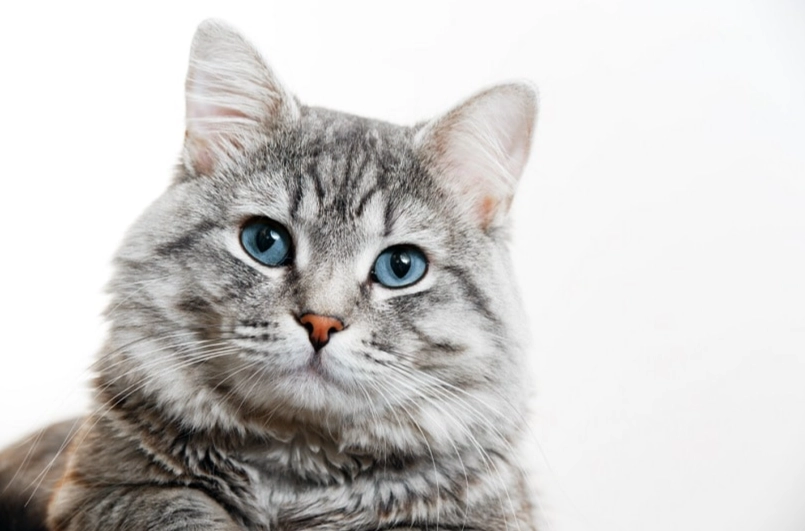
A Closer Look at Each Breed
Let's dive deeper. American Shorthairs are the all-rounders. They're the cats you see in movies, with that reliable grey tabby coat. British Shorthairs, on the other hand, have a more laid-back vibe; their grey is often a solid blue-ish shade, but tabby patterns do occur. Maine Coons are the showstoppers—I once fostered a grey tabby Maine Coon mix, and it was like having a small lynx in the house. Norwegian Forest Cats are similar but rarer; they're built for cold climates, so their fur is thicker.
Domestic cats are the wild card. They're mixed breeds, so a grey tabby domestic could have traces of any breed. This makes identification tricky, but also fun. You might notice your cat has traits from multiple breeds.
How to Figure Out Your Grey Tabby's Breed
Identifying a breed isn't always straightforward. Vets often label cats as domestic shorthairs unless there's obvious pedigree. Here's a practical approach I've used:
- Check the body shape: Is your cat large and muscular (maybe Maine Coon) or compact and round (British Shorthair)?
- Look at the fur: Long, silky fur might indicate a Maine Coon or Norwegian Forest Cat mix. Short, dense fur is common in American Shorthairs.
- Observe behavior: Some breeds have tendencies. Maine Coons are often dog-like, following you around. British Shorthairs can be more aloof.
- Consider a DNA test: Companies like Basepaws offer cat DNA tests. I tried one on my grey tabby, and it revealed a mix of American Shorthair and unknown breeds—not super precise, but interesting.
One mistake I see people make is assuming all grey tabbies are the same breed. They're not. Even within a litter, kittens can have different breed influences. If you adopted from a shelter, ask about the mother if possible; sometimes that gives clues.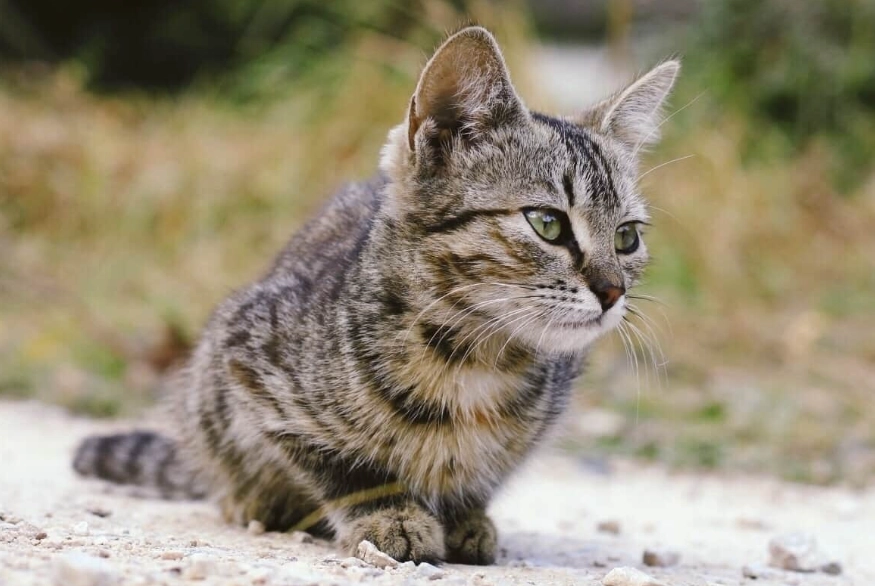
Caring for a Grey Tabby: What You Need to Know
Caring for a grey tabby depends more on its breed than its color. But since grey tabbies are often mixed, here are universal tips:
Grooming: Grey tabbies shed, especially if they have longer fur. Brush them weekly to reduce hairballs and keep their coat shiny. My grey tabby sheds like crazy in spring—I use a deshedding tool, and it helps a ton.
Diet: No special diet for color, but monitor weight. British Shorthairs and similar breeds gain weight easily. I feed my cat high-protein food and limit treats.
Health: Grey tabbies aren't prone to specific health issues based on color, but breeds like Maine Coons can have heart conditions. Regular vet check-ups are key. I learned this the hard way when my previous tabby had undiagnosed dental issues.
Exercise: Keep them active. Grey tabbies, especially from active breeds, need playtime. A laser pointer or feather wand works wonders.
Pro tip: If shedding is a problem (a common user pain point), invest in a good air purifier. It cuts down on floating fur and helps with allergies.
My Own Grey Tabby Story
I've had two grey tabbies over the years. The first was a domestic shorthair I found as a stray. He had that classic mackerel pattern and was the most affectionate cat I've known—always curling up on my lap. I never knew his breed, but he lived to 18 with minimal health issues.
My current grey tabby, Whiskers, is different. He's larger, with ear tufts and a bushy tail. The vet suspects Maine Coon mix. He's more independent, loves climbing, and sheds enough to make a sweater monthly. Caring for him taught me that breed guesses matter for things like grooming needs. I spend more time brushing him than I did with my first cat.
This personal experience shows why the "what breed" question isn't just academic. It affects daily life.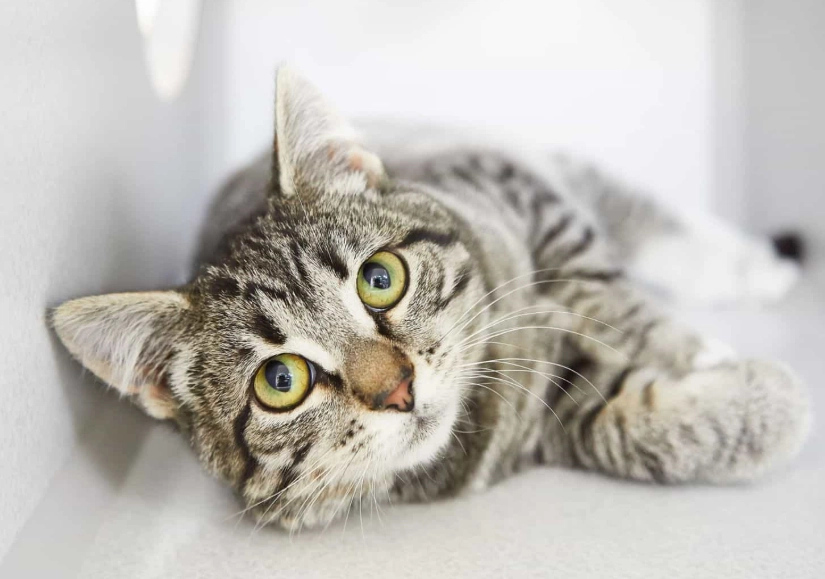
Your Burning Questions Answered
 Wrapping up, the next time someone asks "what breed of cat is a tabby grey?", you can explain it's a pattern, not a breed. Grey tabbies are a diverse bunch, from common domestics to majestic purebreds. Whether you're adopting or just curious, understanding this can help you provide better care and appreciate your cat's uniqueness. If you're still unsure about your cat's breed, consider chatting with a vet or joining online cat communities—they're full of people sharing similar stories.