Let's cut to the chase. You're here because you love the wild look of a Bengal cat but your nose, eyes, or lungs have a history of disagreeing with cats. You've probably heard whispers, maybe from a breeder or a forum, that Bengals are "hypoallergenic." The short, and frankly, only honest answer is: No cat breed is 100% hypoallergenic. But—and it's a big but—some people with mild to moderate cat allergies report fewer or manageable reactions around Bengals. The real question isn't a simple yes or no, but why this might be the case and what you can realistically expect. As someone who's lived with both severe allergy sufferers and multiple cats for over a decade, I've seen the full spectrum of reactions, and the hype often glosses over critical details.
What You'll Find in This Guide
- What "Hypoallergenic" Really Means (It's Not What You Think)
- The Bengal's Fur & Skin: The Pelt-Like Advantage
- Fel d 1 Protein Levels: The Core of the Allergy Issue
- Practical Tips for an Allergy-Friendly Bengal Home
- The Crucial Step Everyone Skips: Testing Before Committing
- Your Burning Questions, Answered Honestly
What "Hypoallergenic" Really Means (It's Not What You Think)
First, let's dismantle a huge misconception. "Hypoallergenic" doesn't mean "non-allergenic." It simply means "less likely to cause an allergic reaction." The primary culprit for 95% of cat allergies is a protein called Fel d 1, produced in a cat's salivary and sebaceous (skin) glands. When a cat grooms itself, the saliva dries on its fur, and the microscopic flakes of skin (dander) that carry the protein become airborne. That's what you breathe in.
So, the logic behind certain breeds being labeled hypoallergenic usually hinges on one of three things: they produce slightly less Fel d 1 protein, they have a unique coat type that traps the dander closer to the skin, or they groom themselves less frequently, spreading less saliva around. It's rarely a single, magic-bullet reason.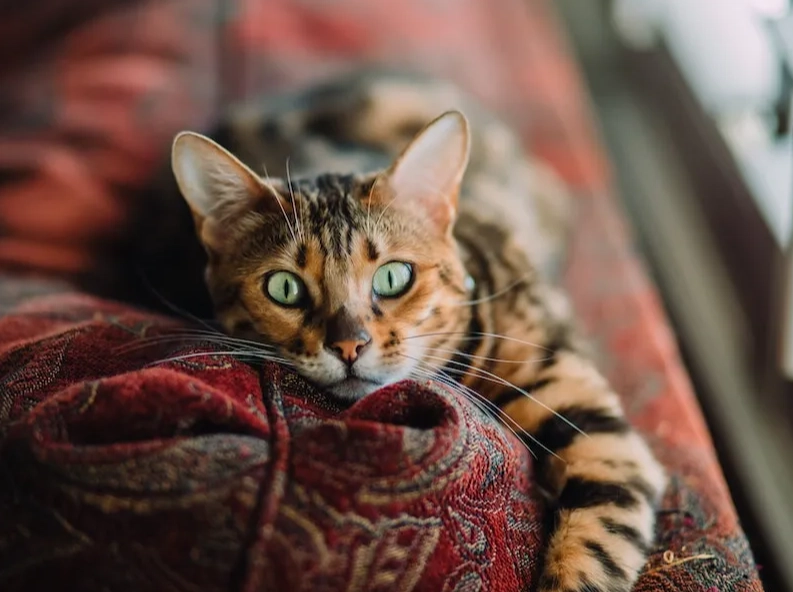
A critical point most blogs miss: Individual variation within a breed is massive. One Bengal might produce Fel d 1 levels that are barely noticeable to you, while its sibling from the same litter could trigger a full-blown reaction. Relying solely on breed reputation is a gamble with your health.
The Bengal's Fur & Skin: The Pelt-Like Advantage
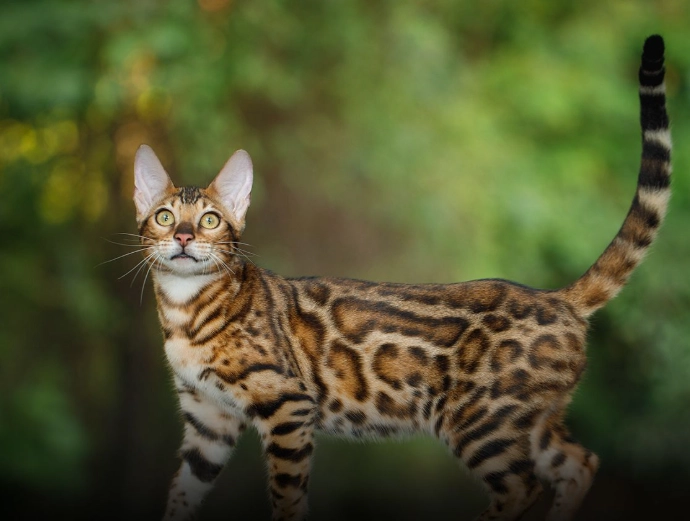
This is where the Bengal has a potential, tangible edge. Their coat is unlike any other domestic cat's. It's incredibly dense, short, and feels more like a polished pelt or satin than traditional fur. There's very little undercoat.
Why does this matter for allergies? Less undercoat means less loose hair shedding into your environment. The tight, pelt-like structure may also hold dander closer to the skin instead of letting it flake off freely into the air. Think of it like the difference between a fluffy towel that sheds lint everywhere versus a smooth piece of leather. The leather simply doesn't release as many particles.
But here's the counterpoint from experience: Bengals are prolific groomers. They are fastidious about cleanliness. That beautiful, dense coat gets licked... a lot. So while the coat itself might shed less dander, the saliva from constant grooming is still being applied directly to it. This is why the coat factor is just one piece of the puzzle, not the whole solution.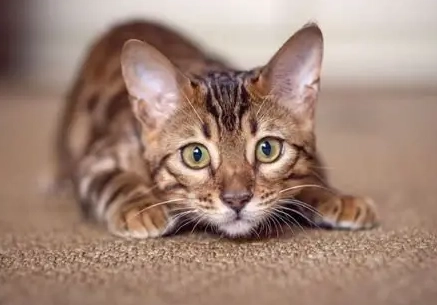
Fel d 1 Protein Levels: The Core of the Allergy Issue
Let's talk about the protein itself. There is some scientific suggestion and a mountain of anecdotal evidence that certain breeds, including Bengals, may produce lower levels of Fel d 1 on average. A study often cited in this context is from the Journal of Allergy and Clinical Immunology, which found significant variation in Fel d 1 levels between individual cats.
However, and this is a massive however, there is no definitive, breed-wide scientific consensus that conclusively proves all Bengals are low-producers. The Cat Fanciers' Association (CFA) and other major registries do not officially recognize any breed as hypoallergenic. The perception likely stems from the combined effect of their unique coat and possible lower protein output in some lines.
Pro Tip: If you're speaking with a breeder who guarantees a hypoallergenic cat, be very skeptical. A responsible breeder will acknowledge the complexity and may even allow or facilitate a visit to test your reaction to their specific cats and the cattery environment.
Comparing Potential Allergen Factors
| Factor | Bengal Cat | Typical Domestic Shorthair | Why It Matters for Allergies |
|---|---|---|---|
| Coat Type | Dense, pelt-like, minimal undercoat | Varied, often with a noticeable undercoat | Less loose hair and potentially less airborne dander shedding. |
| Grooming Frequency | Very High (fastidious) | High | More grooming spreads saliva (containing Fel d 1) onto the fur. |
| Reported Fel d 1 Levels | Anecdotally lower in some lines | Standard range | The core allergen protein; lower production means less trigger. |
| Saliva | Contains Fel d 1 (like all cats) | Contains Fel d 1 (like all cats) | The ultimate source of the allergen. No breed has Fel d 1-free saliva. |
Practical Tips for an Allergy-Friendly Bengal Home
Assuming you've tested and found you can tolerate a specific Bengal, management is everything. You can't be passive. Here’s the non-negotiable regimen that has worked in my household: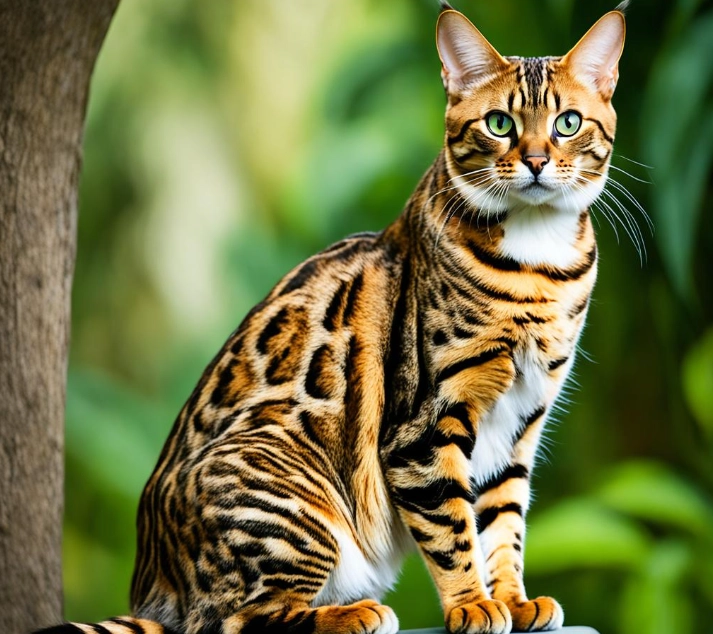
- Purify the Air: Run a true HEPA air purifier in the room where the cat spends the most time, ideally 24/7. Don't cheap out on this. It's the single most effective tool for removing airborne dander.
- Become a Vacuuming Fanatic: Use a vacuum with a HEPA filter on carpets, rugs, and upholstery at least twice a week. Hard floors should be damp-mopped. I made the mistake of thinking a robot vacuum was enough—it wasn't. You need the suction power of a proper canister or upright.
- Create a Sanctuary: Make your bedroom a strict cat-free zone. This gives your immune system 8 hours each night to recover without constant exposure. It's hard to say no to those pleading eyes at the door, but it's crucial.
- Groom Outside: Brush your Bengal regularly, but do it on a porch, balcony, or garage. This removes loose hair and dander before it ends up on your couch. Have a non-allergic family member do it if possible.
- Wash Your Hands: Simple but effective. Wash your hands after petting the cat and avoid touching your face.
The Crucial Step Everyone Skips: Testing Before Committing
This is the most important advice I can give. Never, ever buy or adopt a Bengal (or any cat) based solely on breed reputation if you have allergies.
Step 1: Get Tested. See an allergist. Confirm your allergy is specifically to cats (Fel d 1) and understand its severity. They can discuss options like immunotherapy (allergy shots), which can be a game-changer.
Step 2: The Hands-On Trial. If possible, visit the breeder or shelter multiple times. Spend at least 30-60 minutes in the space. Pet the cat you're considering, rub your hands on its favorite sleeping spot, and then gently rub your fingers near your nose or eyes. Wait and observe your reaction over the next few hours. A reputable source, like the International Cat Association (TICA) website, can help you find responsible breeders who understand this process.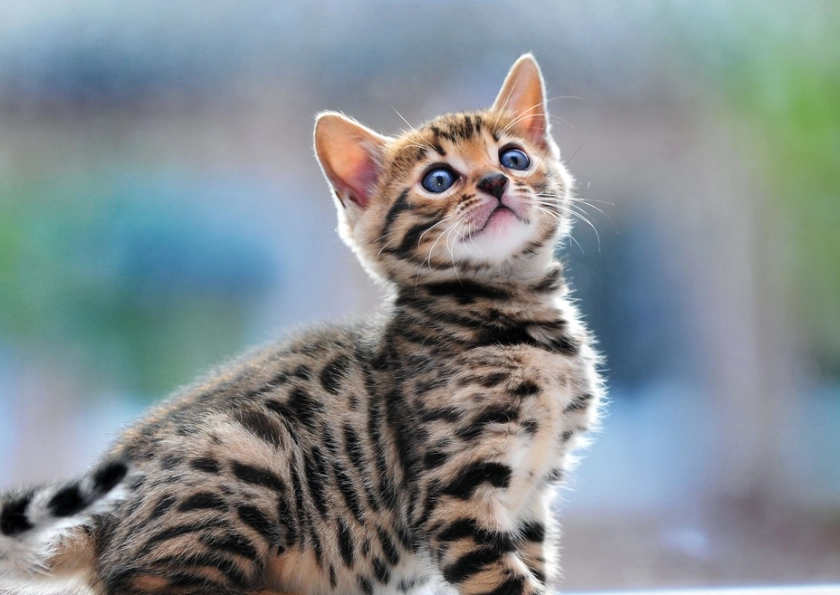
Step 3: The Overnight Test (The Gold Standard). The most reliable method is a trial period. Some shelters offer "foster-to-adopt" programs. Some understanding breeders might agree to a short trial with a return clause if allergies are severe. This lets you see how you react in your own home environment over days, not just minutes.
I know a couple who spent a weekend at a bed-and-breakfast that had Bengals, just to test their reactions in a lived-in setting. It was a brilliant, if unconventional, real-world test.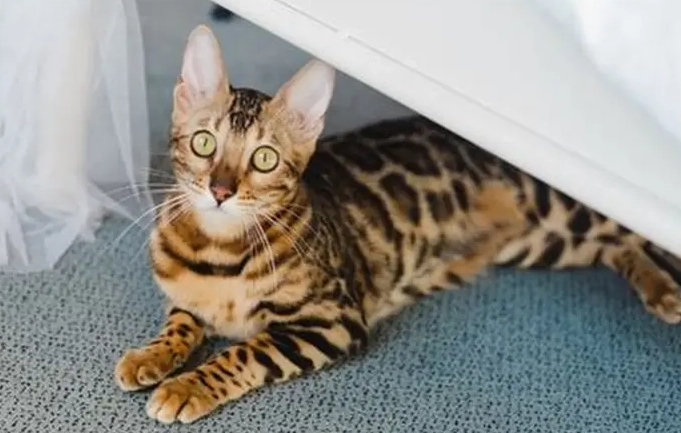
Your Burning Questions, Answered Honestly
So, are Bengal cats hypoallergenic? The clearest answer is that they are not allergen-free, but they may be a more viable option for some allergy sufferers due to their unique coat and the possible genetic leanings of certain lines. The keyword is "may." Your success depends entirely on the severity of your allergy, the individual cat, and your unwavering commitment to managing your home environment. Do the work upfront—the testing, the planning, the honest conversations with breeders. It's the only way to know if the magnificent, energetic Bengal can be a part of your life without making you miserable.