You're looking at that wrinkly, warm bundle of energy in your lap and wondering: how many years do I get with this incredible creature? The Sphynx cat lifespan is a topic wrapped in a bit of mystery and, frankly, some misinformation. Let's cut through the noise. A well-cared-for Sphynx cat typically lives between 12 to 15 years. Some push into their late teens with the right genetics and care. But that number isn't a guarantee—it's a destination, and the road you take together determines if you get there.
I've lived with hairless cats for over a decade, and I've seen the full spectrum. I've celebrated a Sphynx's 18th birthday and, heartbreakingly, said goodbye to another far too soon due to an undetected hereditary issue. That experience taught me more than any generic care sheet ever could. The lifespan isn't just about luck; it's a direct result of proactive, informed ownership.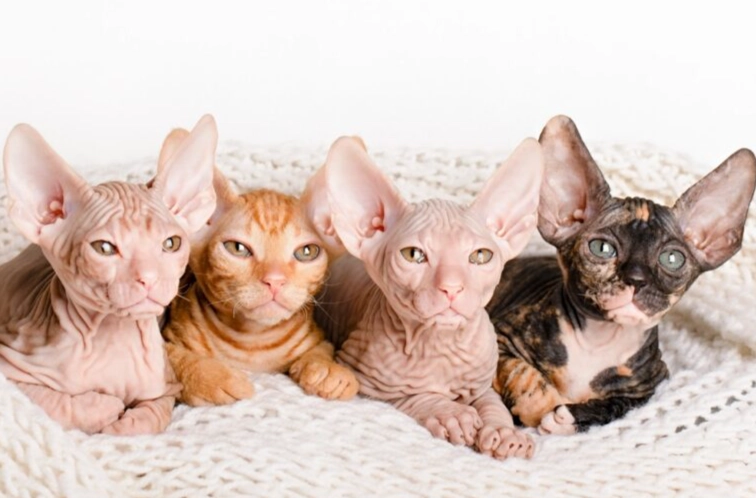
What You'll Find in This Guide
Sphynx Cat Lifespan: What the Numbers Say
Let's start with the baseline. Major cat registries and veterinary studies suggest an average lifespan for domestic cats is around 12-15 years. The Sphynx, when sourced from ethical breeders who prioritize health testing, fits squarely within this range.
But here's the critical nuance most articles miss: the "average" is skewed by two extremes. On one end, you have Sphynx cats from poor breeding backgrounds, prone to severe genetic problems that may claim their lives at 5 or 6 years. On the other, you have meticulously cared-for Sphynx cats routinely reaching 16, 17, or even older. Your goal is to land firmly in the latter group.
Data from the International Cat Care and the Canadian Cat Association on purebred health doesn't single out the Sphynx as having a drastically shorter life. Instead, it highlights specific conditions that require management. That's the key—management, not fate.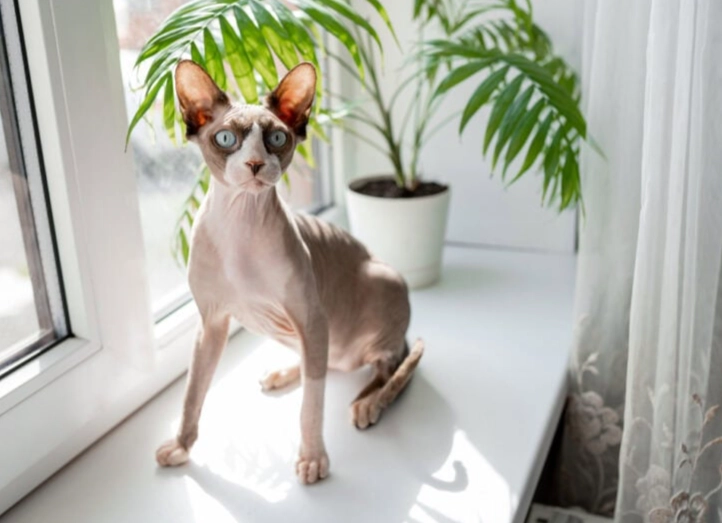
The Bottom Line: Don't fixate on a scary low number you might read online. Focus on the factors within your control. A responsible breeder is your first and most important longevity investment. Ask for proof of HCM (Hypertrophic Cardiomyopathy) screening for the parents—not just a vet saying the heart "sounds fine." You want official echocardiogram results.
The Top 5 Health Challenges Impacting Sphynx Cat Lifespan
Understanding these isn't meant to scare you, but to empower you. Knowing what to watch for is half the battle.
1. Hypertrophic Cardiomyopathy (HCM)
This is the big one. HCM is a thickening of the heart muscle and is the most common heart disease in cats, with a hereditary link in Sphynx. It can lead to heart failure or sudden death. The terrifying part? A cat can seem perfectly healthy until it's not. Annual echocardiograms by a cardiologist, starting around age 1, are non-negotiable for this breed. It's expensive, but it's the only way to catch it early and start life-extending medication.
2. Skin Conditions & Temperature Regulation
No fur means no barrier. Sphynx cats are prone to sunburn, fungal infections (like ringworm), and acne. Their skin produces oils that would be spread by fur, so it builds up. This isn't just a cosmetic issue. Severe skin infections can become systemic, taxing their entire body. They also get cold easily, which stresses their immune system. I keep my home warmer than I'd like, and my cat has a dedicated heated bed. It's just part of the deal.
3. Dental Disease
This is arguably the most overlooked longevity killer. Sphynx often have poor dentition—crowded, misaligned, or missing teeth. This leads to rapid tartar buildup and severe gingivitis. The bacteria from dental disease don't stay in the mouth. They enter the bloodstream and can silently damage the kidneys, heart, and liver. By the time you notice bad breath, the problem is advanced.
4. Digestive Issues
Many Sphynx have sensitive stomachs. They seem to produce more stomach acid and can be prone to conditions like irritable bowel disease. Chronic digestive upset leads to poor nutrient absorption, weight loss, and a constant low-grade stress on the body.
5. Hereditary Myopathy
A less common but serious issue in some lines is a muscular disorder that causes weakness, especially in the neck. Kittens show signs early (a "head bob"), but a mild form in an adult can complicate overall health and mobility as they age.
How to Help Your Sphynx Cat Live a Long, Healthy Life
This is your action plan. It goes beyond "feed good food and go to the vet."
The Foundational Pillar: Proactive Veterinary Care
Forget the annual check-up. Think bi-annual senior check-ups starting at age 8, and highly specialized monitoring before that.
| Care Type | Frequency | Critical Purpose |
|---|---|---|
| Cardiac Echocardiogram | Annually, from kittenhood | Early detection of HCM. This is the #1 tip from cardiologists. |
| Professional Dental Cleaning & Exam | As recommended (often 1-2 times yearly) | Prevent systemic disease from oral bacteria. Requires anesthesia. |
| Full Senior Blood Panel (Chemistry, CBC, T4) | Every 6 months from age 8 | Track kidney, liver, and thyroid function to catch age-related decline early. |
| Urinalysis | With each blood draw | Essential for early kidney disease detection, which is common in older cats. |
The Daily & Weekly Care Rituals
This is where you make your biggest impact. It's not glamorous, but it works.
Skin & Bathing: Ditch the strict weekly bath schedule. Bathe when they feel greasy. Use lukewarm water and a gentle, moisturizing shampoo. Immediately after, while they're still in a towel, wipe inside every nail fold, ear fold, and tail crease with a baby wipe or chlorhexidine pad—these are yeast infection hotspots. Apply a vet-approved moisturizer if their skin is dry.
Teeth Brushing: Start this yesterday. Use a finger brush and poultry-flavored cat toothpaste. Aim for 3-4 times a week. If you can't brush, use dental wipes. This single habit can add years by preventing chronic inflammation.
Diet & Weight: Sphynx have fast metabolisms but can still get fat indoors. A high-quality, high-protein diet supports their energy needs. Measure their food. An overweight Sphynx is at massively increased risk for arthritis, diabetes, and heart strain. Keep them lean.
Environment: Provide constant warmth—heated beds, sweaters in winter, and no drafts. Protect them from the sun with pet-safe sunscreen or by keeping blinds closed. Stress reduction matters too; they are social cats and can get lonely.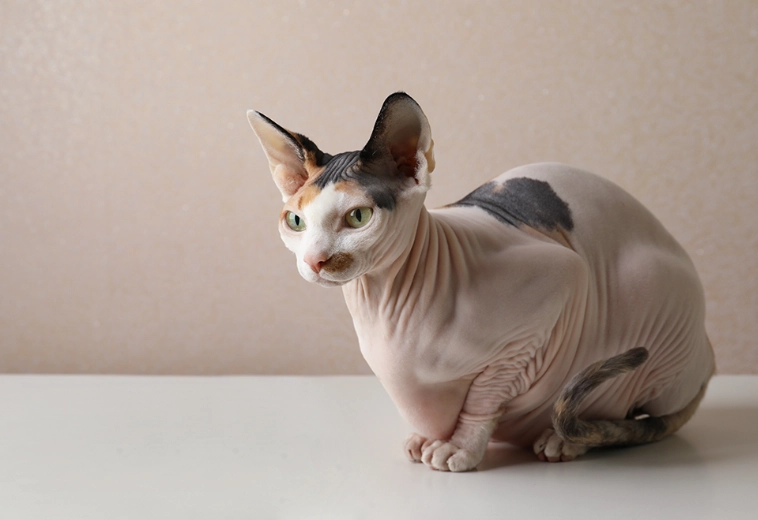
Your Sphynx Lifespan Questions Answered
 So, what's the final word on Sphynx cat lifespan? It's a partnership. You bring the informed, vigilant care—the vet visits, the dental wipes, the warm sweaters. They bring their immense personality and love. Together, you're not just hoping for a long life; you're actively building one, year by careful year. It's work, but looking into those wide, curious eyes every day, you'll know it's worth it.