Quick Guide
- That Iconic "Ruddy" Coat: It's Not Just Orange
- Personality: The "Aby-silly-an" is No Lap Cat
- Caring for Your Orange Abyssinian Cat
- Health Considerations: What to Watch For
- Finding Your Orange Abyssinian Kitten or Cat
- Living with an Abyssinian: The Unvarnished Truth
- Quick-Fire Questions About Orange Abyssinians
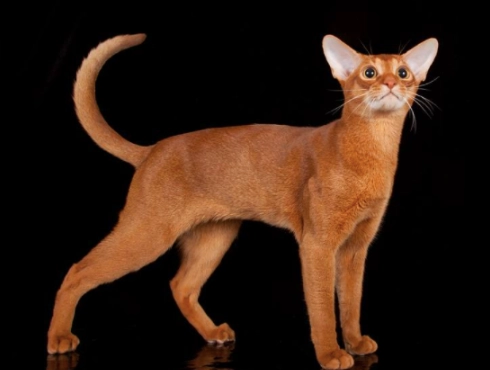
Let's talk about the cat that looks like it walked straight out of an ancient Egyptian painting. You know the one—the sleek, muscular feline with that stunning, warm orange coat that seems to glow from within. That's the orange Abyssinian cat, often called the "ruddy" by breeders and enthusiasts. It's not just a color; it's the original, the classic, the most iconic look for this breed. If you're picturing a miniature cougar with the curiosity of a monkey and the loyalty of a dog, you're on the right track.
I remember the first time I met one. A friend had just brought home a ruddy Aby kitten. It wasn't just sitting there looking pretty. It was on top of the refrigerator, surveying its kingdom, before leaping onto the bookshelf with the grace of a gymnast. That intense, amber-eyed stare missed nothing. That's the Abyssinian cat orange experience in a nutshell: breathtaking beauty paired with a personality that never quits.
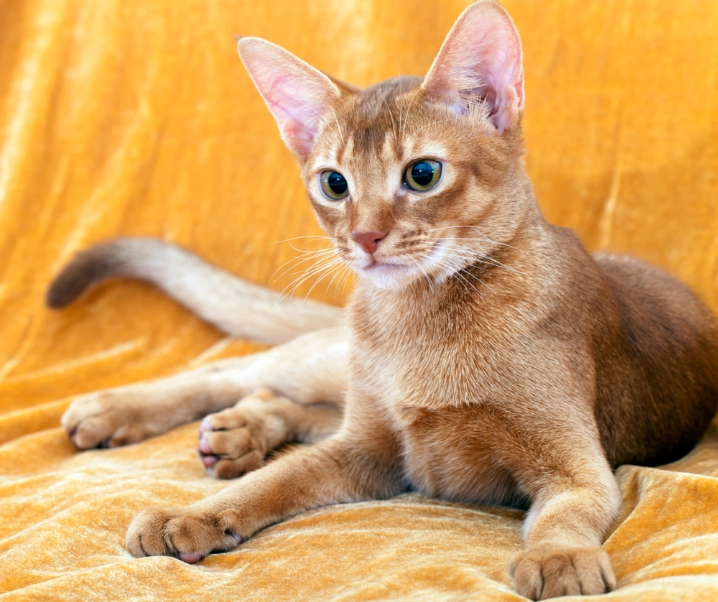
That Iconic "Ruddy" Coat: It's Not Just Orange
Calling it simply "orange" does a disservice. In the cat fancy world, this color is officially termed ruddy. It's a rich, burnt sienna or reddish-brown base, but the magic is in the ticking. Each hair is banded with multiple colors—usually a dark brown or black at the tip, followed by bands of lighter orange and a warm apricot or peach at the root. This agouti ticking is what gives the coat its incredible depth and shimmer, a effect called "warmth." When the light hits it just right, the cat doesn't just look orange; it looks like it's lit from within.
The coat is short, fine, and lies close to the body. It feels incredibly soft to the touch—almost like silk. One common question is about shedding. Here's the real talk: they do shed. It's not like a long-haired cat, but you'll find fine hairs around. They're not considered a hypoallergenic breed, despite some claims. If allergies are a serious concern, spend time with one before committing.
The Genetics Behind the Orange Abyssinian Color
For the science-curious, the ruddy color is the original and genetically dominant color in Abyssinians. It's produced by the dominant allele of the agouti gene (A), which allows the banding, and the black/brown pigment series. The specific rich, warm hue is a result of selective breeding over decades to enhance that reddish glow. Other colors like sorrel (a cinnamon-red), blue, and fawn are recessive variations that came later. So when you see a ruddy Abyssinian cat, you're looking at the breed's foundational look.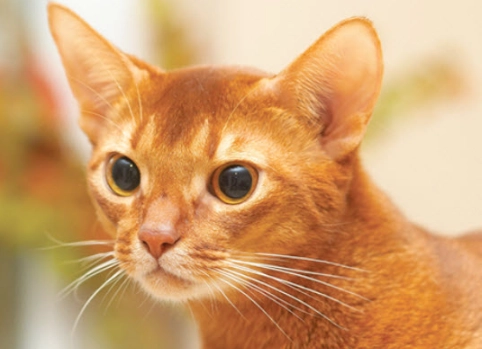
Personality: The "Aby-silly-an" is No Lap Cat
This is the most important section. Falling in love with the orange Abyssinian cat photo is easy. Living with one requires preparation. They are often described as:
- Perpetually Curious: Nothing is safe. Cabinets, drawers, shelves—if it can be opened, climbed, or investigated, they will do it. They need vertical space. Cat trees aren't a luxury; they are a necessity.
- Highly Intelligent & Problem-Solvers: They learn tricks easily (fetch is a common favorite) and can figure out puzzle feeders and even door handles. Boredom is their enemy and can lead to mischief.
- People-Oriented, but on Their Terms: They form incredibly strong bonds with their families. They'll follow you from room to room, "help" with chores, and want to be involved in everything. However, they are not typically cuddly lap cats for long periods. They show affection by proximity and interaction, not by being a purring paperweight.
- Energetic & Playful: They retain a kitten-like playfulness well into adulthood. Two Abyssinians can often keep each other entertained, which is why many breeders recommend getting a pair if you're away from home often.
Their voice is usually soft and chirpy, not loud and demanding. They communicate with those expressive eyes and their constant presence.
Caring for Your Orange Abyssinian Cat
Caring for an Aby is straightforward but specific. Their short coat is easy. A weekly brush with a fine-toothed comb or rubber grooming mitt is perfect to remove loose hairs and distribute skin oils, keeping that orange Abyssinian coat glossy. They rarely need baths.
The real care is in meeting their physical and mental needs.
Essential Care Checklist
| Care Aspect | What Your Ruddy Aby Needs | Why It's Important |
|---|---|---|
| Nutrition | High-quality, protein-rich diet. Many owners report good results with wet food or a mixed diet to ensure hydration. | Supports their high metabolism and muscle tone. Abys can be prone to dental issues, so dental care through diet or brushing is a plus. |
| Exercise & Play | Minimum 30-60 minutes of active, interactive play daily. Wand toys, chase games, fetch. | Prevents boredom, obesity, and destructive behavior. Tires out their active minds. |
| Environment | Secure, cat-proofed home. Many tall cat trees, shelves, and perches. Safe window views. | Satisifies their climbing instinct and gives them a sense of territory and security. |
| Mental Stimulation | Puzzle feeders, food-dispensing toys, clicker training, learning new tricks. | A bored Abyssinian is a recipe for trouble. Mental workout is as crucial as physical. |
| Companionship | They hate being alone for long periods. Consider a second pet (another Aby is ideal) if you work long hours. | Prevents anxiety, depression, and loneliness. They are truly social creatures. |
Health Considerations: What to Watch For
Generally, Abyssinians are a healthy, robust breed with a lifespan of 12-15 years, often longer with great care. However, like all purebreds, they have some predispositions that responsible breeders screen for. Knowing this helps you ask the right questions.
- Gingivitis/Periodontal Disease: They seem particularly prone to dental issues. Establishing a dental care routine early—like brushing or using dental treats—is crucial. Your vet will likely comment on their teeth during check-ups.
- Renal Amyloidosis: This is a serious hereditary condition where abnormal protein deposits damage the kidneys. It is a major concern in the breed. Reputable breeders test their breeding stock and should provide proof. The Cornell Feline Health Center has a detailed medical explanation of this condition. Always ask a breeder about the amyloidosis status of the parents and grandparents.
- Patellar Luxation: A kneecap that can slip out of place. It's often mild but something to be aware of.
- Progressive Retinal Atrophy (PRA): A genetic eye disease that can lead to blindness. Reputable breeders DNA test for this. You can request to see results.
The key takeaway? Choose a breeder who prioritizes health testing over everything else. The Cat Fanciers' Association (CFA) and The International Cat Association (TICA) websites list breeder referrals and their codes of ethics, which mandate health screening. A good starting point is the CFA's Abyssinian breed page, which outlines the standard and responsible practices.
Finding Your Orange Abyssinian Kitten or Cat
This is where patience is vital. That stunning orange Abyssinian cat comes with a responsibility to support ethical breeding.
- Reputable Breeders: Expect to be on a waiting list. A good breeder will interview you as thoroughly as you interview them. They will show you where the cats live (in their home, not a cage), provide veterinary records, genetic test results for PRA and screening information for amyloidosis, and offer a health guarantee. They will ask you to spay/neuter unless you're buying for a breeding program (which they'd only sell to another registered breeder). The price reflects this care and can be significant.
- Rescue & Adoption: Don't overlook this! Breed-specific rescues like those affiliated with the Abyssinian Cat Club often have adults or even kittens needing homes. An adult's personality is already known, which can be a perfect fit.
Living with an Abyssinian: The Unvarnished Truth
Let's get personal for a moment. I've lived with many cats, but friends who have Abyssinians report a unique experience. The house dynamic changes. You become the staff to a tiny, intelligent CEO who needs constant reports and new projects.
One owner told me, "I had to child-lock my kitchen cabinets because he learned to open them and would sleep in the pots and pans. At 3 AM. Loudly." Another said the constant need for play was exhausting after a long workday, but the cat's joyful greeting at the door made it worthwhile.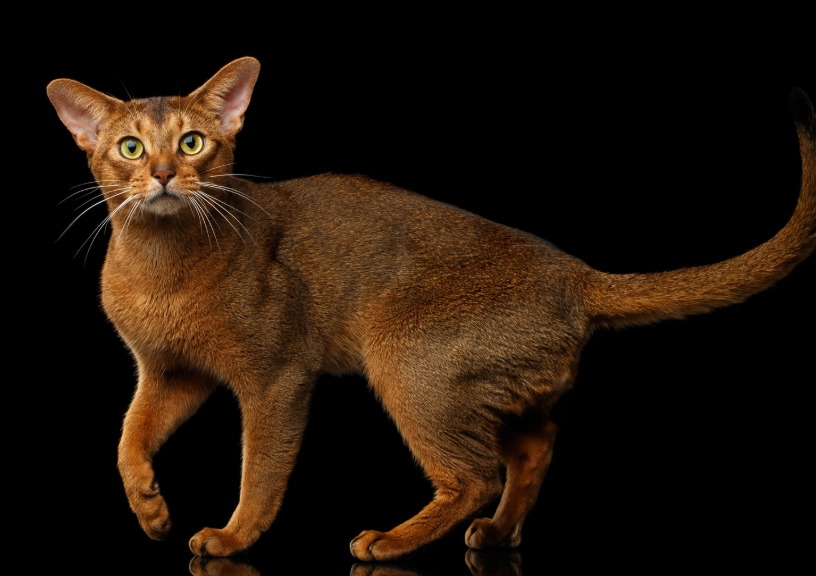
They are notorious for loving water—dripping taps, showers, even joining you in the bath. That beautiful ruddy Abyssinian cat coat dries surprisingly quickly.
Quick-Fire Questions About Orange Abyssinians
So, there you have it. The orange Abyssinian cat, the ruddy Aby, is a masterpiece of nature—visually stunning, intellectually fascinating, and endlessly engaging. They reward the right owner with unparalleled loyalty and entertainment. But they ask for a lot in return: your time, your attention, and your willingness to see your home as their jungle gym. If that sounds like a fair trade, you might just have found your perfect feline soulmate.