You see a white cat, and it feels special, almost like spotting a unicorn. But are white cats actually rare? The answer isn't a simple yes or no. It depends entirely on what you mean by "white" and where you're looking. From a strict genetic standpoint, a true, pure white cat caused by the dominant white gene is less common than your average tabby. But walk into any shelter, and you'll likely see a few white or mostly white faces peering back at you. The real story is in the genetics, the specific breeds that carry the trait, and the unique health considerations that come with that stunning snowy coat.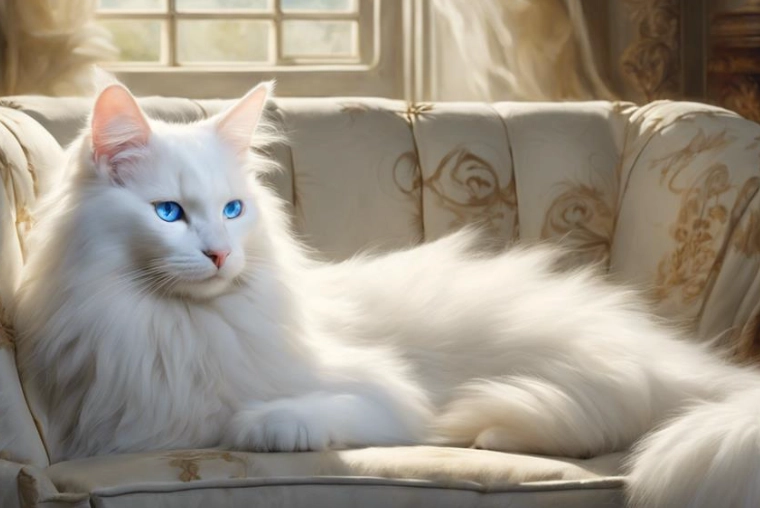
What You’ll Discover
The Genetics of White Fur: It’s Not Just One Gene
This is where most online articles oversimplify. They lump all white cats together. In reality, a cat can end up with a white coat through three distinct genetic pathways, and understanding this is key to answering the rarity question.
Dominant White (W Gene): This is the "true" white. A single copy of this gene completely masks all other color and pattern genes. The cat is genetically a tabby, a tortie, or something else, but you'd never know it. These cats often have pale skin (pink noses, paw pads) and can have blue, green, gold, or odd eyes. This gene is linked to the inner ear development, which is where the deafness correlation comes in. This type of white is less common in the general random-bred cat population.
White Spotting (S Gene): This is the piebald gene. It creates varying amounts of white, from a little locket on the chest to a mostly white cat with colored patches (like a tuxedo or a van pattern). A cat that is 90-100% white from this gene is often mistaken for a dominant white cat. The giveaway? You might find a tiny colored spot, often on the head. This is extremely common. Think of your classic black-and-white or orange-and-white cat. The fully expressed version isn't rare.
Albino (C Gene): This is the rarest of the three. True albinism is a complete lack of melanin pigment. These cats have a pure white coat, but critically, they have pale blue, pinkish, or very light blue eyes, and their skin and mucous membranes (like the nose and eyelids) appear pink. They are photosensitive and have vision issues. Most white cats you see are not albino.
Common Cat Breeds That Often Wear White
If you're looking for a white cat, certain breeds are your best bet. White is a standard, accepted color in many breeds, so they're not "rare" within that breed's context.
- Turkish Angora: This is the classic, elegant white cat breed for many. Long, silky fur, often with blue or odd eyes. They're known for their intelligence and playful, sometimes dog-like personality.
- Persian: The quintessential lap cat. White Persians, with their long, flowing coats and sweet faces, are a popular choice. Be ready for daily grooming.
- British Shorthair: That plush, teddy-bear coat comes in white too. They look like little snowballs with round copper or blue eyes. Their calm demeanor makes them great family pets.
- American Shorthair: The sturdy, all-American cat. A white American Shorthair is a picture of robust health and simple beauty. You'll often see them with green or gold eyes.
- Domestic Shorthair/Longhair: This isn't a breed but a category for random-bred cats. White or partly white coats are very common in the general cat population. Your local shelter is full of them.
I volunteered at a shelter for years, and the white cats, especially the long-haired ones, always got adopted quickly. There's a magnetism to them. But the shelter staff always made a point to quietly discuss deafness testing with potential adopters of all-white, blue-eyed kittens—a nuance many pet websites gloss over.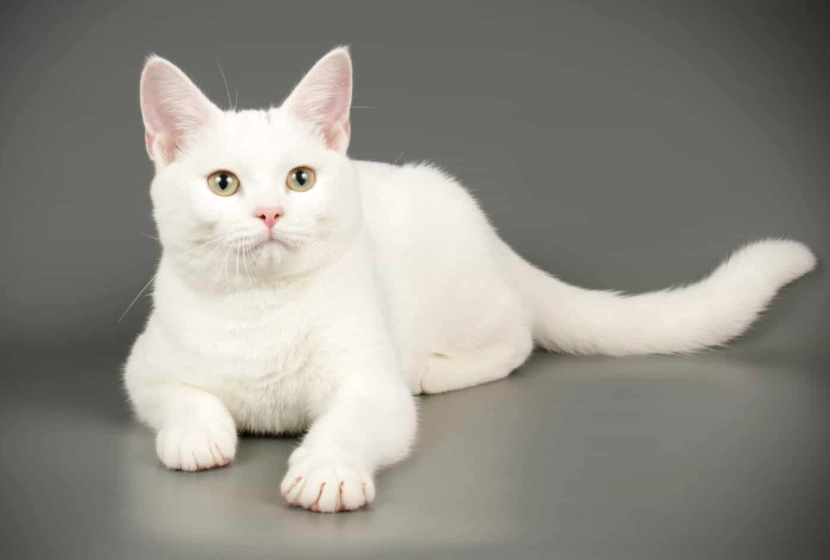
The Truly Rare & Exotic White Cats
Now, here's where "rare" really applies. Some white cats are uncommon due to breed scarcity, specific genetic combinations, or cultural history.
| Breed | Origin | Why It's Rare/Special |
|---|---|---|
| Khao Manee | Thailand | Known as the "Diamond Eye" cat. Pure white, short coat. The breed standard highly values odd-eyed (one blue, one gold/green) specimens. They are ancient, considered good luck in Thailand, and were historically royal cats. Finding a reputable breeder outside Thailand is difficult. |
| Turkish Van | Turkey (Lake Van region) | Not all-white, but famous for its "van pattern": a mostly white body with colored markings only on the head and tail. The classic color is red tabby and white. A true, well-patterned Van from Turkish lines is uncommon. They also love water. |
| True Albino Cat | N/A (Genetic mutation) | As explained, this is a specific genetic condition (different from dominant white) and is very rare in the feline population. They require special care to protect their skin and eyes from sun damage. |
The Khao Manee is the standout here. A friend of mine who shows cats traveled to a major show in Europe just to see one in person. She described it as "strikingly beautiful, but with an almost ethereal presence" due to its pale eyes and pure coat. You don't forget seeing one.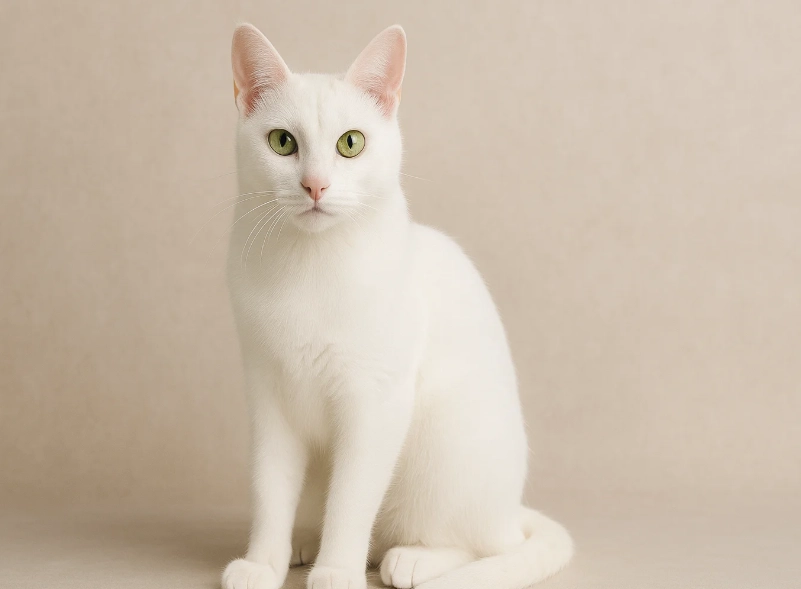
The Deafness Question: Separating Fact from Fear
This is the big one, the health concern that shadows every conversation about white cats. Let's be precise, because fear-mongering doesn't help anyone.
The link is between the dominant white (W) gene and blue eyes. The same gene that affects coat pigment can also disrupt the development of the inner ear's hearing apparatus, specifically the stria vascularis. Blue eyes in white cats often indicate a lack of pigment in the iris as well.
What the Numbers Actually Say
Research, including studies referenced by authoritative bodies like the Cornell Feline Health Center, suggests:
- White cat, two blue eyes: 60-80% chance of congenital deafness.
- White cat, one blue eye (odd-eyed): 30-40% chance, with deafness more likely on the blue-eyed side.
- White cat, no blue eyes (e.g., green or gold): 10-20% chance.
Here's the expert nuance many miss: Deafness is usually present from birth. A cat that becomes deaf later in life is likely due to other causes (infection, age). Also, deaf cats live perfectly happy, full lives. They adapt remarkably well. The key is managing their environment—keeping them indoors, using visual/vibrational cues instead of voice calls, and approaching them so they can see you coming.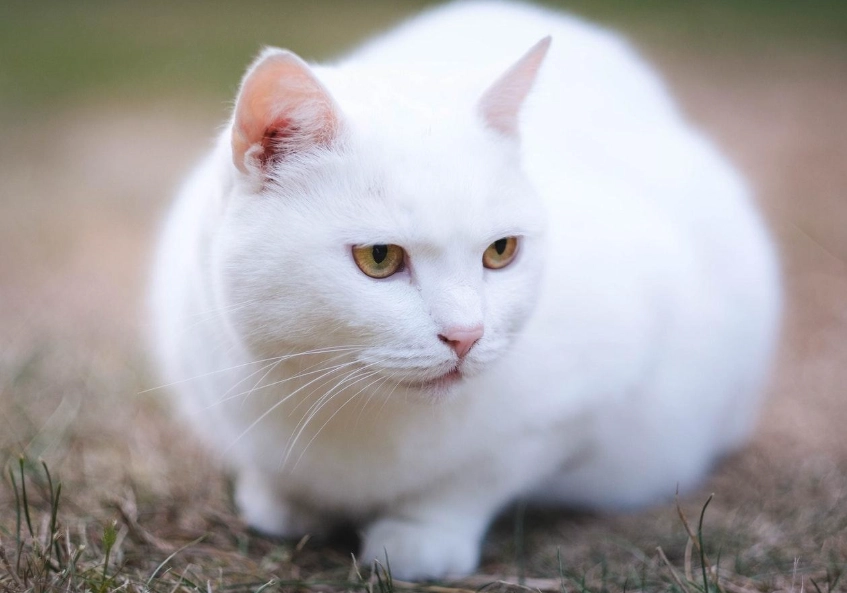
The real takeaway for an owner or potential adopter isn't panic, but proactive care. A BAER (Brainstem Auditory Evoked Response) test, performed by a veterinarian, is the only definitive way to diagnose deafness. If you have a white, blue-eyed kitten, this test is a worthwhile investment for peace of mind and tailored care.
Caring for Your White Cat: Beyond the Ordinary
Owning a white cat isn't just about aesthetics; it comes with a few practical realities. It's like owning a white couch—everything shows.
Sun Protection: This is critical, especially for cats with pale skin (pink noses and ears). They are highly susceptible to sunburn, which can lead to squamous cell carcinoma, a serious skin cancer. If your cat enjoys sunbathing, talk to your vet about pet-safe sunscreen for their ears and nose. Better yet, provide sunny spots behind windows with UV-filtering film or encourage lounging in shaded areas.
The Tear Stain Battle: Those rusty-brown streaks under the eyes? Common in white (and light-colored) cats. It's often just normal tear pigment (porphyrin) oxidizing on the fur. It can be exacerbated by diet, allergies, or minor eye irritation. Wipe gently daily with a soft, damp cloth. If it's severe, a vet check can rule out underlying issues. Don't use human makeup removers or harsh products.
Grooming is Non-Negotiable: Dirt, grass stains, and litter box dust are your new enemies. A weekly brush helps distribute skin oils and keeps the coat from matting (especially in longhairs). It's also a chance to check for fleas (which are easily spotted) or any skin issues. Baths are rarely needed for cats, but a white cat might need the occasional gentle wipe-down with a pet cleansing wipe if they get into something messy.
Bowl Choice Matters: Plastic bowls can cause feline acne—little blackheads on the chin. On a white cat, this looks terrible. Switch to stainless steel, ceramic, or glass bowls and wash them daily.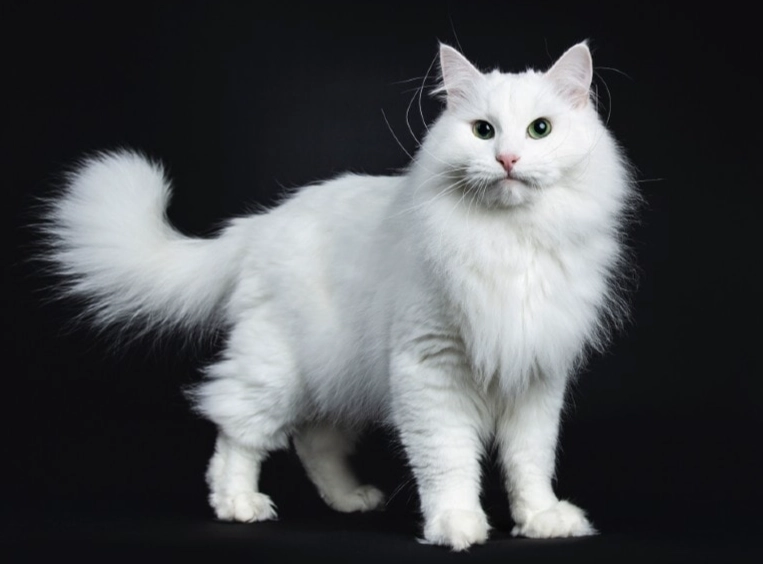
Your White Cat Questions, Answered
Are all white cats with blue eyes deaf?
What is the rarest type of white cat?
Do white cats require more grooming than other cats?
Can two non-white cats have a white kitten?
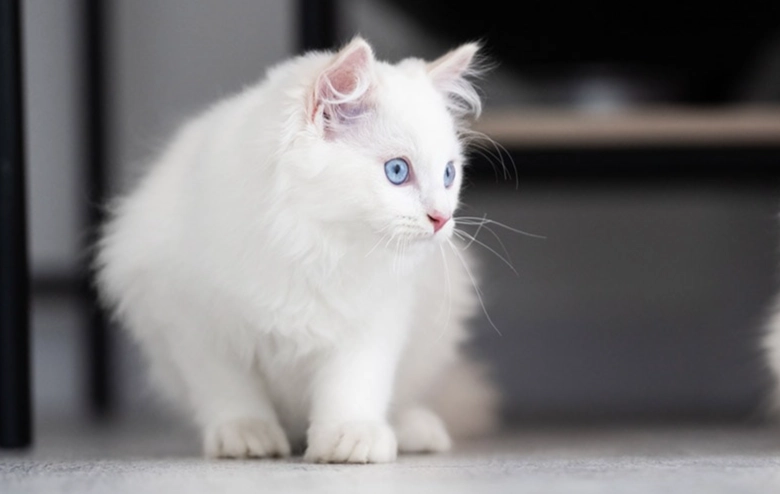 So, are white cats rare? Genetically pure white ones are a less common sight than your everyday tabby. But in the world of cat breeds and shelters, beautiful white cats are waiting for homes. Their rarity isn't just about numbers; it's about the unique genetic story they carry and the special, attentive care they inspire. Whether a common Domestic Shorthair or a rare Khao Manee, a white cat brings a touch of magic—and a reminder to look beyond the surface, into their genetics, their health, and their individual personality.