Quick Guide
- Why Are Hairless Cats So Expensive in the First Place?
- Breaking Down the Numbers: What's the Actual Price?
- The "First Day" Costs: What You Need to Buy Before Bringing Kitty Home
- The Ongoing, Yearly Cost of Owning a Hairless Cat
- How to Find a Reputable Breeder (And Avoid Scams)
- Final Thoughts: Is a Hairless Cat Worth the Cost?
You've seen the pictures. Those wrinkly, alien-like creatures with huge ears and soulful eyes, curled up in sweaters. The Sphynx cat, the most famous of the hairless breeds, has taken the internet by storm. And now you're thinking about getting one. The first question that pops into your head, naturally, is: how much does a hairless cat cost? Let me tell you, it's not a simple one-line answer. It's more like peeling an onion—there are layers to this, and some might make you cry (mostly your wallet).
I remember when my friend Sarah decided she wanted a Sphynx. She had saved up what she thought was a generous amount, only to realize the initial price was just the tip of the iceberg. She hadn't factored in the vet bills for their sensitive skin, the constant need for clothing in winter, or the special diet. Her journey taught me that asking "how much does a hairless cat cost?" is like asking how much a car costs. A used hatchback? A new luxury sedan? The range is huge.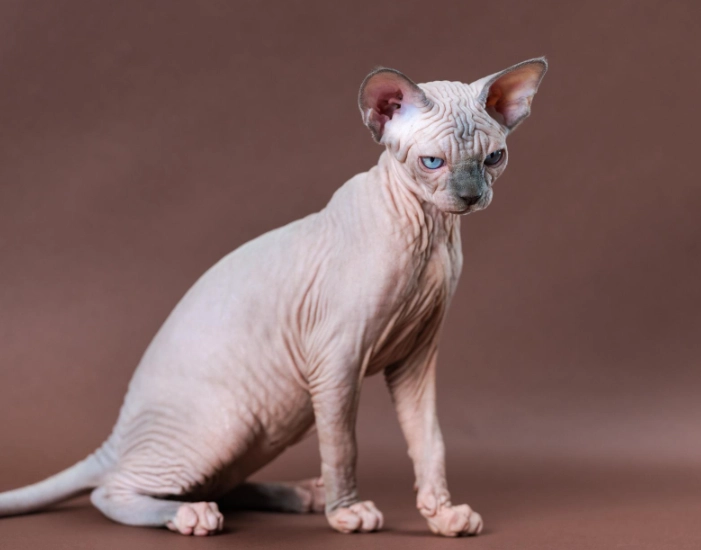
This guide isn't just going to throw a number at you. We're going to dig deep into what makes that number go up or down, what hidden expenses lurk around the corner, and how you can prepare your life and your bank account for one of these unique pets. We'll talk breeders, adoption, initial setup, and the year-after-year costs that many first-time owners completely overlook.
Why Are Hairless Cats So Expensive in the First Place?
Let's address the elephant in the room. When you first look up "hairless cat price," the figures can be shocking. You might find regular domestic shorthair kittens for a couple hundred dollars at a shelter, while Sphynx kittens start in the thousands. It feels unfair, right? But there are concrete reasons behind this.
First off, responsible breeding is a slow, expensive science, not a side hustle. Reputable breeders aren't just pairing two cats together. They are conducting extensive genetic health testing to screen for common issues in the breed, like Hypertrophic Cardiomyopathy (HCM), a serious heart condition. A single HCM scan by a veterinary cardiologist can cost the breeder hundreds of dollars per cat. They also test for other heritable conditions. This is non-negotiable for ethical breeders, and that cost is built into the kitten's price.
Then there's the sheer effort involved. Sphynx cats, for example, have fast metabolisms and require more food. They also produce more body oils than furry cats because they lack hair to absorb it. This means breeders are bathing kittens frequently (sometimes weekly) from a young age to get them used to the process. It's incredibly hands-on. The kittens are often raised underfoot in the breeder's home (a practice called "bio-socialization"), not in a caged kennel, which requires constant supervision and interaction.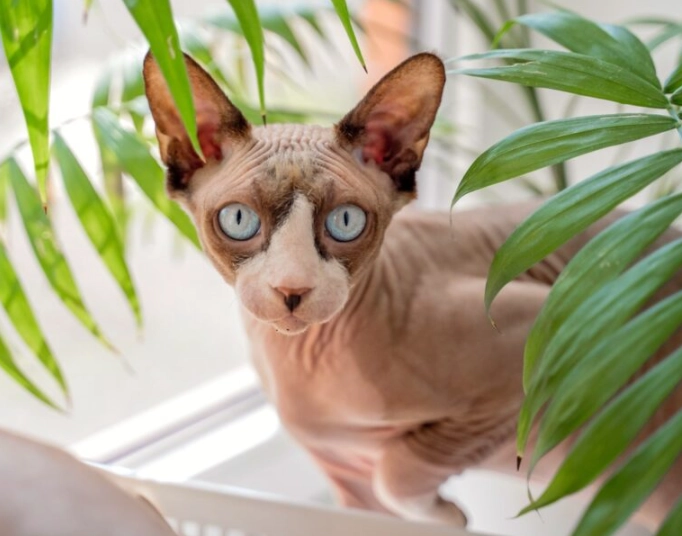
The breeding pool is also smaller. They are a relatively modern and intentionally developed breed. Finding genetically diverse, healthy, and temperamentally sound cats to breed requires significant investment and networking. A top-quality breeding queen or stud might itself cost many thousands of dollars.
So when you pay a premium to a good breeder, you're not just paying for a cat. You're paying for:
- Years of selective breeding for health and temperament.
- Thousands of dollars in veterinary health screenings for the parents.
- Round-the-clock neonatal care and socialization.
- A kitten that has been vet-checked, vaccinated, and often spayed/neutered.
- Lifelong support and advice from the breeder.
On the flip side, a suspiciously low "hairless cat cost" is a massive red flag. It almost always means corners have been cut—on health testing, on socialization, on ethical practices. You might save money upfront, but you risk astronomical vet bills and heartbreak later. I've seen it happen, and it's not pretty.
Breaking Down the Numbers: What's the Actual Price?
Okay, let's get to the heart of it. You want a figure. Here’s a realistic breakdown of what you can expect to pay upfront for a hairless kitten from a reputable source. Remember, the hairless cat cost varies wildly by breed, pedigree, location, and the breeder's reputation.
| Breed | Price Range (From Reputable Breeder) | What Influences the High End? |
|---|---|---|
| Sphynx (The most common) | $1,800 - $3,500+ | Show-quality lineage, rare colors (like pointed patterns), breeder reputation, geographic location (often higher in urban coastal areas). |
| Donskoy (Don Sphynx) | $1,500 - $2,800 | Less common than Sphynx in many countries, genetic lineage. |
| Peterbald | $1,500 - $3,000 | Can be born with different coat types (from bald to a fine coat), with the completely hairless "ultra-bald" being most sought-after. |
| Bambino (Sphynx x Munchkin) | $2,000 - $3,500+ | Extremely rare and controversial due to the dwarfism gene. Only consider breeders who prioritize health above all else for this cross. |
| Elf Cat (Sphynx x American Curl) | $2,000 - $3,500+ | Novelty and rarity, combined care of two distinct breed traits (hairlessness and curled ears). |
A Critical Warning: Be extremely wary of websites, online classifieds, or social media sellers offering "Sphynx kittens for $500" or similar too-good-to-be-true prices. These are almost certainly scams or, worse, kitten mills/poorly run backyard breeders. You will likely lose your deposit, receive a sick kitten, or get no kitten at all. A legitimate breeder's hairless cat price reflects their investment.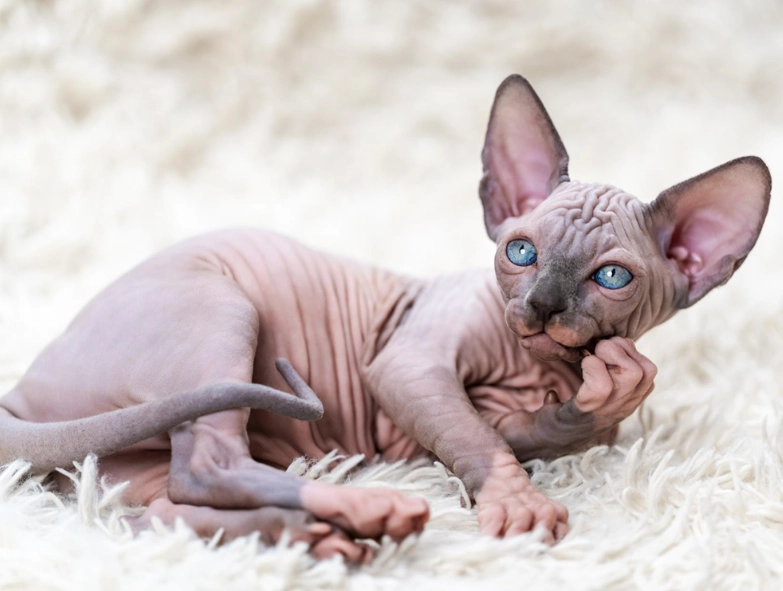
See that range? That's why a simple Google search can be so confusing. A pet-quality Sphynx (perfectly healthy but not suitable for showing/breeding due to minor cosmetic traits) might be $2,200. A show-quality kitten from champion bloodlines in California could easily be $3,800. The location factor is real—breeders in areas with a higher cost of living typically charge more.
The Adoption Alternative: A Different Kind of Cost
Before you decide that the hairless cat cost from a breeder is the only path, stop. Consider adoption. It's a myth that purebred or unique cats never end up in rescue. They do. Life happens: allergies develop, families move, financial situations change.
Breed-specific rescues are a treasure trove. Organizations like Sphynx Rescue (always verify the legitimacy of any rescue organization) work tirelessly to rehome Sphynx and other hairless cats. The adoption fee is significantly lower, usually between $200 and $500. This fee typically covers the cat's veterinary care up to that point (spay/neuter, vaccinations, microchip, and often a health check).
Adopting an adult cat has hidden financial benefits, too. Their personality is fully formed—you know exactly if you're getting a cuddler or an independent spirit. The major kitten-proofing and intense socialization phase is over. However, be prepared that some rescued hairless cats may come with pre-existing health or behavioral needs that require ongoing management and expense. Asking the rescue for full transparency is key.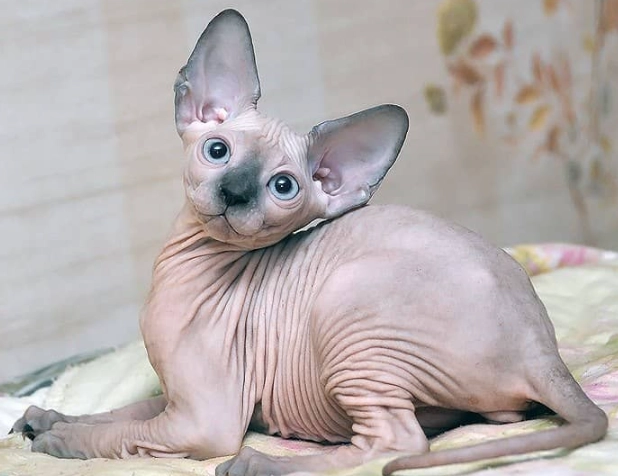
The "First Day" Costs: What You Need to Buy Before Bringing Kitty Home
You've paid the breeder or the rescue. Congratulations! But your spending isn't done. Not by a long shot. Setting up your home for a hairless cat is a specific task. Their lack of fur changes everything. Forget the hairless cat cost for a minute; this is the "hairless cat setup cost."
Here’s a non-negotiable shopping list, and I'm being brutally honest about the quality you should aim for:
- Climate Control Items: This is paramount. They get cold easily.
- Heated Cat Beds: Not an optional luxury. A safe, low-wattage heated bed is essential for napping. ($40 - $80).
- Soft Blankets & Sweaters: Stock up. You'll need several. They love to burrow. Look for soft, non-irritating fabrics like cotton or fleece. ($15 - $30 per item).
- Home Temperature Awareness: You might need to keep your thermostat a few degrees higher in winter, impacting your utility bill.
- Specialized Grooming Supplies: Yes, you read that right. They need more grooming, not less.
- Gentle, Hypoallergenic Cat Shampoo: No human shampoo! Their skin pH is different. You'll be bathing them every 1-2 weeks to remove oil buildup. ($15 - $25).
- Ear Cleaning Solution & Cotton Pads: They produce more earwax. Weekly cleaning is a must to prevent infections. ($10 - $20).
- Soft Nail Clippers: Their nails need regular trimming as they lack fur to naturally wear them down.
- High-Quality Food & Bowls:
- Premium Cat Food: Their high metabolism demands good nutrition. Expect to spend $50-$80 per month on high-protein, grain-free wet/dry food. Cheap food can lead to skin and digestive issues.
- Stainless Steel or Ceramic Bowls: Plastic can harbor bacteria and cause feline acne on their chins—a common issue for Sphynx. ($20 - $40).
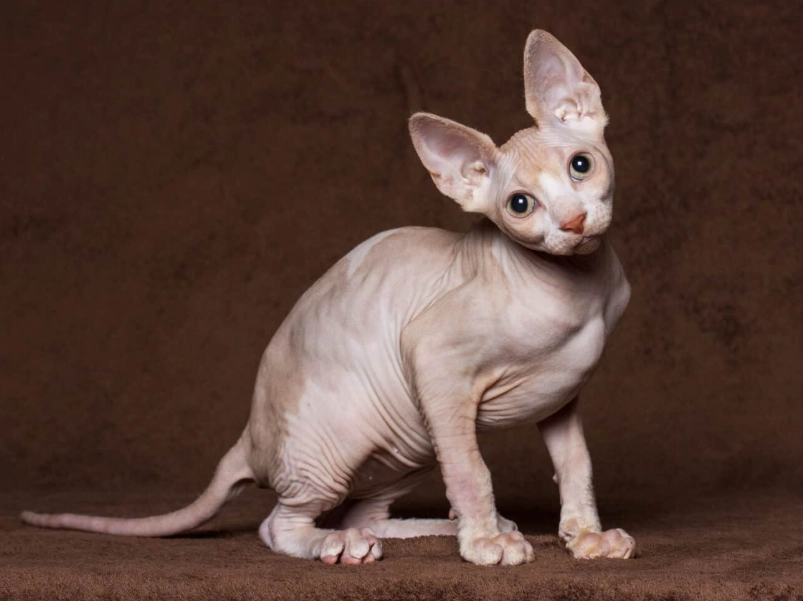
- Other Essentials:
- Sturdy Cat Tree: They are active and love to climb. Provides exercise and saves your furniture. ($100 - $250).
- Secure, Comfortable Carrier: For all those vet visits. ($50 - $100).
- Litter Box & Litter: Some owners find dust-free litter is better for their sensitive respiratory systems. ($50 initial setup).
If you add this up, you're looking at an initial outlay of $300 to $600+ on top of the cat's purchase price, just to get started properly. Skipping these items to save money will directly impact your cat's health and comfort.
The Ongoing, Yearly Cost of Owning a Hairless Cat
This is the part that catches most new owners off guard. The monthly and yearly expenses. When you ask "how much does a hairless cat cost," you must think beyond year one. Let's build an annual budget.
| Expense Category | Estimated Annual Cost | Notes & Details |
|---|---|---|
| High-Quality Food & Treats | $600 - $1,000 | This is for premium wet/dry food. They eat more than furry cats due to metabolism. |
| Routine Veterinary Care | $300 - $600 | Annual check-ups, core vaccines, fecal tests, preventatives (flea/heartworm—yes, they still need them!). |
| Grooming Supplies | $100 - $200 | Shampoo, ear cleaner, lotions (some need moisturizer), wipes for between baths. |
| Pet Insurance | $300 - $600+ | HIGHLY RECOMMENDED. Given potential for breed-specific issues (heart, skin), insurance can save you tens of thousands. This cost varies by age, deductible, and coverage. |
| Toys, Bedding, & Wearables | $100 - $250 | Sweaters get worn out, toys get destroyed, blankets need washing/replacing. |
| Miscellaneous & Emergency Fund | $200 - $500+ | This is your buffer for unexpected minor issues or saving up for potential future problems. |
Adding the lower ends gives you about $1,600 per year. The higher ends push you toward $3,000+. And this assumes no major health crises. A single emergency visit or diagnosis can add thousands in one go.
My Personal Take on Pet Insurance: I used to think it was a waste of money. Then my friend's Sphynx needed an emergency foreign body surgery that cost $5,000. She didn't have insurance. After helping her set up a GoFundMe (a stressful experience nobody wants), I became a believer. For a breed with known potential health quirks, it's not an expense; it's a critical part of the hairless cat cost calculation. Look at providers like AKC Pet Insurance or Trupanion and get quotes early.
Health Issues That Can Skyrocket Costs
This isn't meant to scare you, but to prepare you. Responsible breeders test for these, but genetics can be unpredictable.
- Hypertrophic Cardiomyopathy (HCM): The big one. Regular echocardiograms (heart ultrasounds) are advised, which cost $400-$600 each. Medication for life if diagnosed.
- Skin Conditions: Sunburn (require pet-safe sunscreen), fungal infections, urticaria pigmentosa. All mean more vet visits and prescriptions.
- Dental Issues: Some lines are prone to gum disease, requiring professional cleanings under anesthesia more frequently.
This is why the breeder's health testing and transparency are worth their weight in gold. A good breeder will openly discuss these risks and provide you with the parents' test results from organizations like UC Davis Veterinary Genetics Laboratory.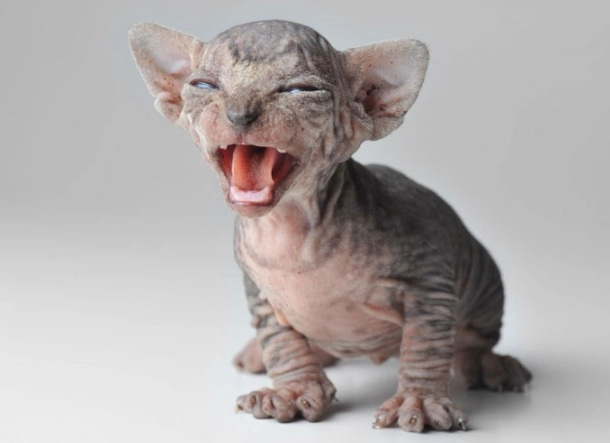
How to Find a Reputable Breeder (And Avoid Scams)
Since the breeder is your biggest initial investment, getting this right is everything. Here’s what a good one looks like:
- They Ask You MORE Questions Than You Ask Them. They will grill you about your home, lifestyle, experience, and plans for the cat. They are placing a family member with you.
- They Welcome You to Visit. You should see where the cats and kittens live (clean, home environment). Be wary of those who only ship or meet in parking lots.
- They Provide Proof of Health Testing. Not just "the vet said they're healthy." Actual certificates for HCM scans (by a board-certified cardiologist), DNA tests for other known disorders.
- They Have a Contract. It should outline health guarantees, spay/neuter requirements (for pet-quality kittens), and a clause stating you must return the cat to them if you can no longer care for it.
- They Are Knowledgeable & Passionate. They can talk for hours about the breed, its history, care, and quirks. They are a resource for the cat's entire life.
Start with the breed's official parent club. For Sphynx, that's The International Cat Association (TICA) Breeder Directory or The Cat Fanciers' Association (CFA) Breeder Referral. These are not endorsements, but a starting point for breeders who agree to follow a code of ethics.
Final Thoughts: Is a Hairless Cat Worth the Cost?
So, after all this, how much does a hairless cat cost? You now know it's a multi-part answer: a significant initial investment ($1,800-$3,500+), a few hundred in startup supplies, and then $1,500-$3,000+ per year for their lifetime.
Are they worth it? The owners I know would shout "YES!" in unison, but with a caveat. You're not just buying a pet. You're committing to a high-maintenance, incredibly social, heat-seeking missile of love. They are often described as "dog-like" in their devotion, following you from room to room, demanding cuddles under the blankets.
The financial cost is high, but the emotional ROI, for the right person, is off the charts. They are not a low-budget pet. They are a lifestyle choice that requires financial planning. If you've done the math, built your savings, and your heart is set on those wrinkles, then the cost becomes an investment in a truly unique companionship.
Just go in with your eyes wide open. Budget for the worst, hope for the best, and get ready for a cat that will absolutely, without a doubt, steal your heart (and maybe your favorite sweater).
Common Questions About Hairless Cat Costs (FAQ)
Are hairless cats hypoallergenic?
This is the million-dollar question. The short answer: no cat is 100% hypoallergenic. Most cat allergies are to a protein (Fel d 1) found in saliva and skin oils, not just fur. Since hairless cats groom and have skin, they still produce the allergen. However, many people with mild allergies do better with them because there's no fur to shed and spread the allergen around the house. Never get a hairless cat assuming you won't react. Spend time with one first.
Is it cruel to have a hairless cat?
A well-cared-for hairless cat is not suffering. They have been selectively bred this way for generations and are adapted to it. The cruelty comes from owners who don't understand their needs—letting them get cold, sunburned, or not maintaining their skin. Providing the proper environment (warmth, protection, grooming) makes them happy, healthy, and incredibly affectionate pets.
What's the cheapest way to get a hairless cat?
Adoption through a breed-specific rescue is by far the most affordable upfront hairless cat cost. The next "cheapest" in the long run is paying the premium for a health-tested kitten from an exceptional breeder, coupled with pet insurance. The most expensive path is buying a cheap kitten from a dubious source and facing enormous vet bills later.
How much does it cost to groom a hairless cat professionally?
If you choose to have a groomer handle baths, expect $50-$80 per session every 4-6 weeks. Many owners learn to do it themselves to save money and reduce stress on the cat. It's a bonding experience, if you can believe it.