Your Quick Guide
I remember the first time I saw a Himalayan cat in person. It was at a friend's house, and this gorgeous creature was perched on the back of a sofa like a tiny, judgmental lion. Flawless white fur, piercing blue eyes that seemed to look right through you, and a face so flat it made me wonder how it breathed. I was smitten. But after talking to my friend for an hour about the daily brushing, the eye gunk, and the vet bills, my romantic vision got a serious reality check.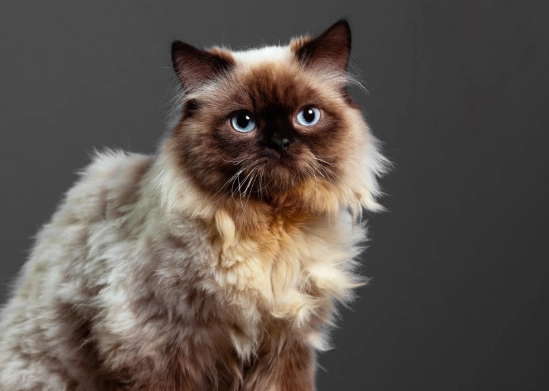
That's why I'm writing this. If you're searching for "himalayan cat" info, you're probably drowning in pictures of adorable, fluffy clouds. What you might not be getting is the full, unvarnished truth about what it's like to live with one. This isn't just another breed profile. Consider it a chat from someone who's been in the trenches, talked to breeders, vets, and owners, and can give you the good, the bad, and the hairy.
Are Himalayans the perfect lap cats? Often, yes. Are they low-maintenance? Absolutely not. Let's peel back the layers of that luxurious coat and see what you're really signing up for.
What Exactly Is a Himalayan Cat? More Than Just a Pretty Face
Let's clear up some confusion right away. Some people call them "Himalayans" or "Himmies," others might say "Colorpoint Persian." Technically, major cat registries have gone back and forth on this. For a long time, they were considered a separate breed. Now, organizations like the Cat Fanciers' Association (CFA) classify them as a color division of the Persian breed. But ask any owner, and they'll tell you a Himalayan cat has its own distinct vibe.
The breeding goal was simple: take the laid-back, fluffy Persian and give it the dramatic, dark-pointed coloring of the Siamese. Mission accomplished. But they inherited some less desirable traits too—the Persian's trademark brachycephalic (flat) face, which comes with a host of potential breathing and dental issues.
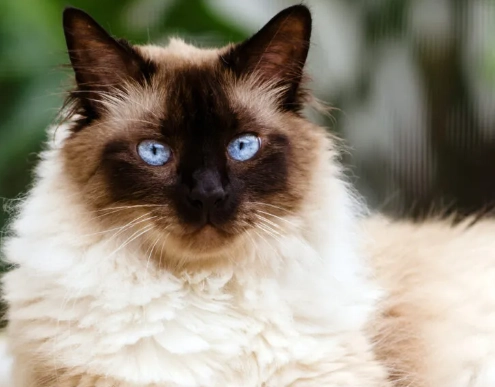
They're a medium to large cat, but most of that size is fluff. Underneath all that fur, they're solidly built. The most defining feature, after the coat, is that face—large, round eyes (always blue), small ears, and that pushed-in nose. It gives them a perpetual look of sweet surprise, but it's the root of many of their health concerns.
It's a look that comes at a cost.
The Himalayan Personality: Sweet, Sedentary, and a Bit Stubborn
If you want an energetic cat that will fetch and climb your curtains, look elsewhere. The Himalayan cat temperament is famously placid. These are quintessential lap cats. They love to lounge, preferably on or near their favorite human. They're not known for being athletic or mischievous in a destructive way. A sunny windowsill is their version of a jungle gym.
They tend to be quiet, with a soft, pleasant voice. Don't expect the loud yowling of a Siamese. They're generally gentle and tolerant, which can make them a good fit for quiet households, even with respectful children. However, they are not a fan of chaos. A loud, boisterous environment with lots of running and screaming will stress them out. They thrive on routine and calm.
Here's a personal observation from talking to owners: they can be surprisingly stubborn. They know what they want (usually your lap, your attention, or that specific spot on the couch) and they will patiently wait you out with those big blue eyes. They're not aggressive, but they have a quiet, persistent way of getting their way. They form deep bonds with their people and can be a bit shy or reserved with strangers initially.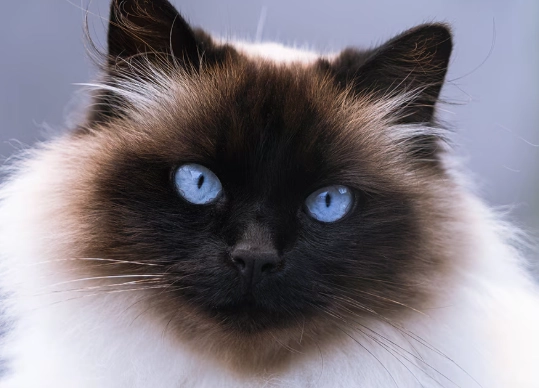
The Himalayan Cat Care Routine: It's a Commitment
This is the section that separates the dreamers from the doers. That magnificent coat doesn't maintain itself. We're not talking about a quick weekly brush. We're talking a daily commitment to prevent mats and tangles, which form painfully close to the skin.
Grooming: Your New Daily Ritual
You'll need a high-quality steel comb and a slicker brush. The comb is for getting down to the skin and teasing out small tangles before they become mats. The slicker brush is for the topcoat. The process? Gently comb section by section, starting from the ends of the hair and working your way up to the skin. Pay special attention to high-friction areas: behind the ears, under the arms, the belly, and the "pants" around the back legs.
If you skip a few days, you'll regret it. Mats pull on the skin, cause discomfort, and can harbor moisture and dirt, leading to skin infections. Severe matting often requires the cat to be shaved by a professional—a stressful and expensive ordeal. Some owners opt for a "lion cut" (shaving the body but leaving the head, tail, and leg tips fluffy) during hot summer months to manage the fur. It looks a bit silly, but many cats seem more comfortable.
Then there's the face. Those beautiful big eyes often weep due to the shallow eye sockets and short tear ducts. This leads to tear staining—those reddish-brown streaks down the face. It requires daily wiping with a soft, damp cloth or a vet-approved wipe to keep the area clean and prevent skin infections. Their facial folds (if they have very deep ones) also need checking and cleaning to avoid buildup of oil and grime.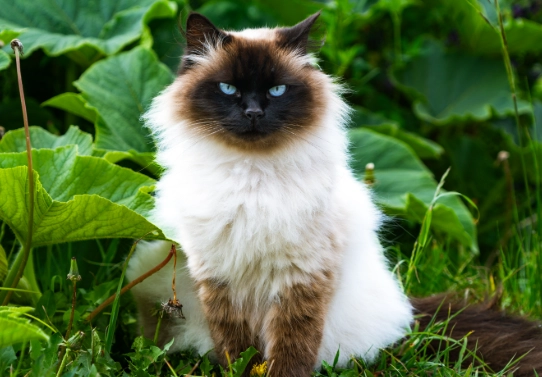
Diet, Exercise, and Environment
Despite their couch potato reputation, Himalayans can easily become overweight. You need to manage their portions carefully with measured meals rather than free-feeding. A high-quality diet is crucial for maintaining skin and coat health. Some vets recommend wet food or a mixed diet to help with hydration, as some cats with flat faces can be messy drinkers.
Exercise looks different for them. Don't expect marathon chases. Engage them with gentle, interactive wand toys they can bat at while lying down. Puzzle feeders can stimulate their mind. Make sure they have comfortable perches to watch the world go by.
Keep their environment calm. They're sensitive to stress, which can manifest in urinary issues or over-grooming. Provide hiding spots and vertical spaces. And because of their long fur, a high-sided litter box is a must to contain the mess.
Himalayan Cat Health Issues: What You Need to Watch For
This is the most critical part. All purebred cats have predispositions to certain conditions, and Himalayans have a few significant ones due to their Persian heritage. Being informed is key to early detection and management.
| Health Concern | Description | Signs to Watch For |
|---|---|---|
| Brachycephalic Airway Syndrome | Result of the flat face. Includes narrowed nostrils, elongated soft palate, and a small windpipe, making breathing difficult. | Loud breathing/snoring, exercise intolerance, panting, cyanosis (blue gums/tongue), sleep apnea. |
| Polycystic Kidney Disease (PKD) | An inherited disorder where cysts develop in the kidneys, eventually leading to kidney failure. A major concern in Persian-related breeds. | Increased thirst/urination, weight loss, poor appetite, vomiting, lethargy. Often asymptomatic until later stages. |
| Progressive Retinal Atrophy (PRA) | A group of genetic diseases causing degeneration of the retina, leading to blindness. | Night blindness initially (bumping into things in dim light), dilated pupils, eventual loss of daytime vision. |
| Dental Issues | Malocclusion (misaligned teeth) is common due to the shortened jaw. Leads to tartar buildup, gum disease, tooth loss. | Bad breath, difficulty eating, drooling, red/inflamed gums. |
| Heat Sensitivity | Due to breathing difficulties, they overheat easily. | Excessive panting, lethargy, drooling in warm conditions. |
Look, it's a scary list. I won't sugarcoat it. The breathing issues alone can severely impact their quality of life. Responsible breeding is paramount. A good breeder will test their breeding stock for PKD (via ultrasound or DNA test) and screen for other hereditary issues. They should provide you with health clearances. Never buy a Himalayan from a pet store or a backyard breeder who prioritizes the "cute" flat face over health. The The International Cat Association (TICA) and other bodies are pushing for healthier, less extreme versions of the breed.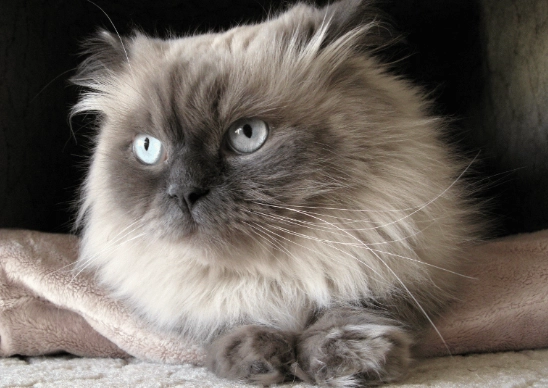
You need to be financially prepared for potential vet bills. Pet insurance is a very wise investment for a Himalayan. Regular vet check-ups (at least twice a year) are non-negotiable to monitor their kidneys, teeth, and breathing.
Is a Himalayan Cat Right For You? A Honest Checklist
Let's be practical. After all this info, should you get one? Ask yourself these questions:
- Do you have time for daily grooming? 10-15 minutes, every single day, without fail.
- Can you handle the financial responsibility? High-quality food, regular grooming supplies, potential for higher-than-average vet bills, pet insurance.
- Do you prefer a calm, quiet home? They are not suited for loud, chaotic households with lots of parties or very young, grabby children.
- Are you home often? They are companion cats and can get lonely if left alone for very long hours daily.
- Can you commit for 12-15 years? That's their average lifespan, and they may require increasing levels of care as they age, especially if health issues arise.
If you answered "no" to any of these, please reconsider. It's not fair to the cat. There are many wonderful, lower-maintenance breeds and amazing mixed-breed cats in shelters.
Sometimes love means choosing what's best for the animal, not just what you want.
Finding a Healthy Himalayan Kitten or Adult
If you're still committed, here's how to find your new companion responsibly:
- Research Reputable Breeders: Look for breeders who health test for PKD, screen for other issues, and prioritize health over extreme features. They should be registered with cat associations like CFA or TICA. Expect to be interviewed—good breeders care where their kittens go.
- Ask the Right Questions: Demand to see health clearances for the parents (PKD-free certification is a must). Ask about the genetic history of the lines. Visit the cattery if possible to see the conditions.
- Consider Rescue: Don't overlook breed-specific rescues or shelters. Adult Himalayans sometimes end up there because owners underestimated the grooming needs. Adopting an adult gives you a known personality and bypasses the crazy kitten phase.
Avoid anyone who:
- Has multiple litters available at once.
- Doesn't ask you questions.
- Won't let you see where the cats live.
- Offers "teacup" or "ultra-face" Himalayans—these are marketing terms for unhealthy extremes.
- Sells kittens before 12-14 weeks of age.
Your Himalayan Cat FAQ: Quick Answers
The Bottom Line: Is a Himalayan Cat Right For You?
Let's be brutally honest. A Himalayan cat is not a low-maintenance pet. They are stunning, affectionate companions, but their beauty comes with significant demands.
Choose a Himalayan if: you have ample time for daily grooming, you want a calm lap cat, you can afford potential vet bills, and you live in a quiet home.
Reconsider a Himalayan if: you are away from home often, you have young children, you have allergies, you want an active cat, or you cannot commit to the grooming regime.
Owning a Himalayan is a lifestyle choice, not a casual decision. They are not ornaments; they are living beings with complex needs. If you can meet those needs, you will be rewarded with a loyal, gentle, and utterly beautiful friend. If you cannot, please admire them from afar and consider a breed or rescue cat better suited to your life.
Remember, the well-being of the animal always comes first. Make the choice that is right for both of you.