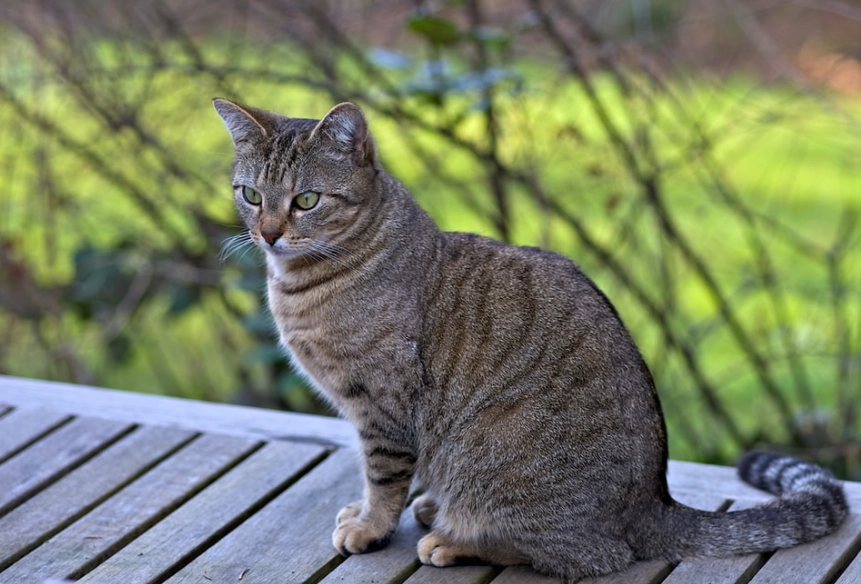
You've seen the pictures. A cat that looks like it could walk a dog, sprawled across an entire couch cushion, peering down from a countertop with the presence of a small lynx. The Maine Coon's size is legendary, often bordering on mythical in online forums. But what's the reality behind the floof? As someone who's shared a home with these gentle giants for over a decade, I can tell you the truth is more nuanced—and more fascinating—than a simple "big cat" label. Let's cut through the exaggeration and look at the real numbers, the factors at play, and what living with a cat of this stature actually entails.
What's Inside This Guide?
The Core Numbers: Average Weight & Dimensions
Forget the outliers for a minute. The Cat Fanciers' Association (CFA) breed standard doesn't specify a weight, but emphasizes a "substantial" and "rectangular" body. In practical terms, here's the realistic range you're looking at.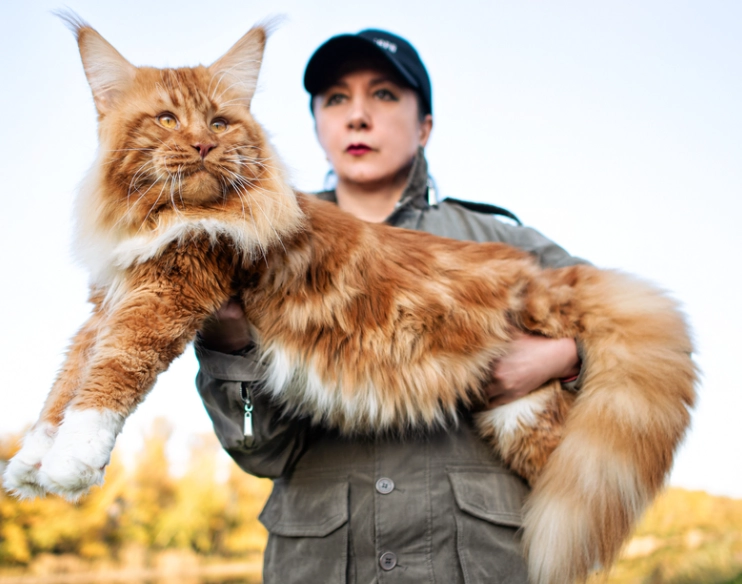
| Gender | Average Weight Range | Average Length (Nose to Tail Base) | Shoulder Height |
|---|---|---|---|
| Male Maine Coon | 13 - 18 lbs (5.9 - 8.2 kg) | 19 - 25 inches (48 - 64 cm) | 10 - 16 inches (25 - 40 cm) |
| Female Maine Coon | 8 - 12 lbs (3.6 - 5.4 kg) | 17 - 22 inches (43 - 56 cm) | 8 - 14 inches (20 - 36 cm) |
Notice I said *average*. Yes, some males push 20, 22, even 25 pounds. My friend's cat, Leo, is a solid 21-pound gentleman. But he's the exception, not the rule. A healthy 15-pound male is far more common. The length is where they truly shock people—a full-grown male can easily stretch over 3 feet from nose to tail tip. That's longer than some toddler beds.
The bone structure is heavy, the chest is broad, and the musculature is substantial. They don't just carry fat; they're built like sturdy, fluffy bricks.
Quick Reality Check: If a breeder guarantees you a "30-pound show-stopper," walk away. That's marketing hype, not responsible breeding. Aiming for excessively large size can lead to joint and heart issues. Ethical breeders prioritize health and conformation over sheer mass.
What Really Determines a Maine Coon's Size?
Why is one Coon 12 pounds and another 20? It's not random. Several key factors lock in their final dimensions.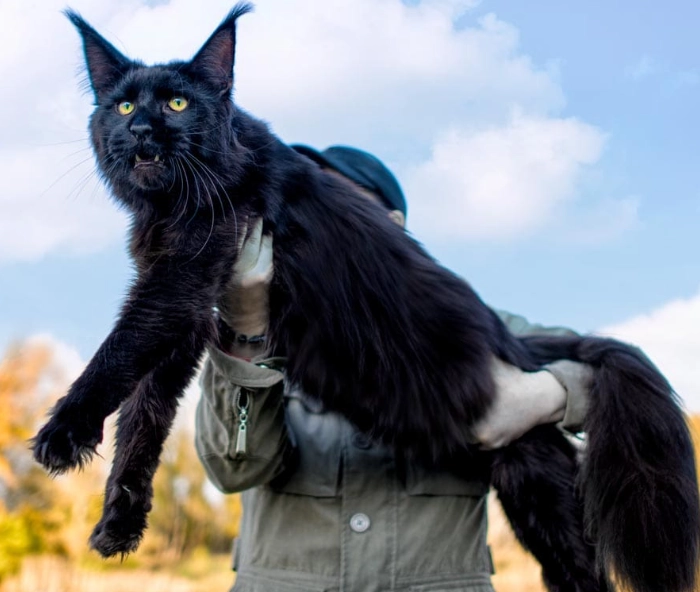
Genetics: The Blueprint
This is the big one, accounting for most of the variation. Size is a highly heritable trait. If the sire and dam are both large-framed cats from lines known for size, the kittens will likely follow suit. There's no single "giant gene," but a combination of polygenes. Reputable breeders can give you a good estimate based on the parents' size.
Nutrition: Fueling the Frame
You can't change genetics, but you can stunt growth with poor nutrition—or encourage healthy development with the right fuel. Maine Coons need a high-protein, high-quality diet to support their prolonged growth phase. Cheap fillers won't cut it. Look for foods with named meat sources (chicken, salmon) as the first ingredients. I made the mistake early on with a generic "large breed" kibble and saw less-than-ideal coat quality and energy levels. Switching to a premium formula made a visible difference in muscle tone and overall vitality.
Sex: The Obvious Divide
As the table shows, males are typically 30-50% heavier and longer than females. This sexual dimorphism is pronounced in Maine Coons. If you have your heart set on a massive cat, a male is the safer bet, though you'll still get a sizable companion with a female.
Neutering/Spaying Timing
This is a nuanced point. Early spay/neuter (before 6 months) can lead to slightly taller cats because it delays the closure of growth plates. However, some studies suggest it may also contribute to a lankier, less muscular build. Many breeders and vets now recommend waiting until the cat is more physically mature, around 9-12 months, for Maine Coons, to allow for more natural musculoskeletal development.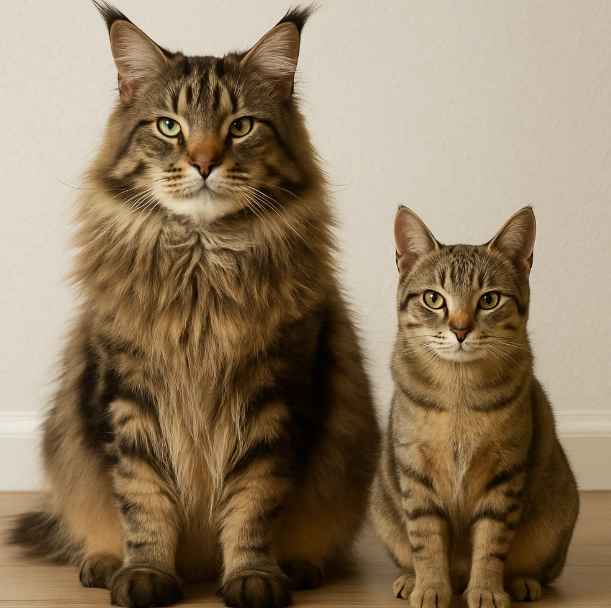
The Marathon, Not a Sprint: Maine Coon Growth Timeline
This is where Maine Coons differ dramatically from standard domestic cats. They grow slowly, often not reaching their full size until they are 3 to 4, sometimes even 5 years old.
Think of it in phases:
- 0-8 Months (Rapid Kitten Growth): They grow quickly, but so do all kittens. By 8 months, they often look like gangly teenagers, all legs and ears.
- 8 Months - 2 Years (Filling Out): The growth in height slows, but they start putting on muscle mass, broadening in the chest, and developing that characteristic rectangular shape. They're reaching "young adult" size but aren't done.
- 2-4+ Years (Final Maturation): This is the long tail. They continue to add subtle muscle, bone density, and often a final layer of heft. Their coat reaches its full, glorious ruff and plume. This is when they truly become the imposing, majestic cats of legend.
I remember looking at my cat, Finn, at 18 months thinking he was fully grown. He was about 14 pounds. At 4 years old, he was a dense 17 pounds with a chest like a barrel. The change was gradual but undeniable.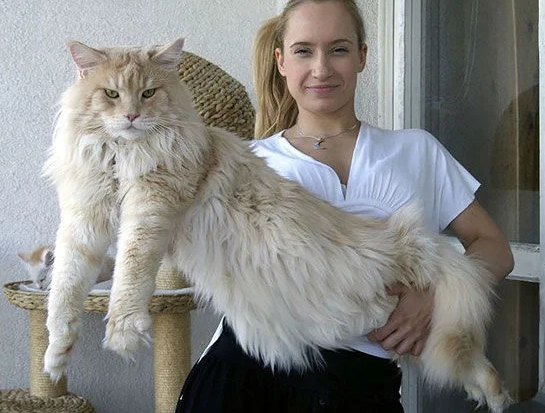
Living Large: Practical Implications of Their Size
Owning a Maine Coon isn't just an aesthetic choice; it's a lifestyle adjustment. Their size dictates your environment.
Space & Furniture: A standard cat tree feels flimsy. You need a large, sturdy tree with wide platforms and robust posts. Beds must be XL. They don't just sit on your lap; they engulf it, and the heat is substantial. Your couch may become their primary domain.
Diet & Cost: They eat more. Not necessarily double, but expect to go through food 25-50% faster than with a regular cat. Factor this into your budget. High-quality food for a large cat isn't cheap.
Litter Box Logistics: A standard litter box is a joke. You need an extra-large, high-sided box, or better yet, a top-entry box or a concrete mixing tub from a hardware store. One of the best purchases I ever made was a massive, stainless steel box. It contains the mess and gives them room to maneuver.
Vet Visits: Inform your vet it's a Maine Coon. Dosages for medications, anesthesia, and even flea treatments are often weight-dependent. They may need larger carriers or examination tables.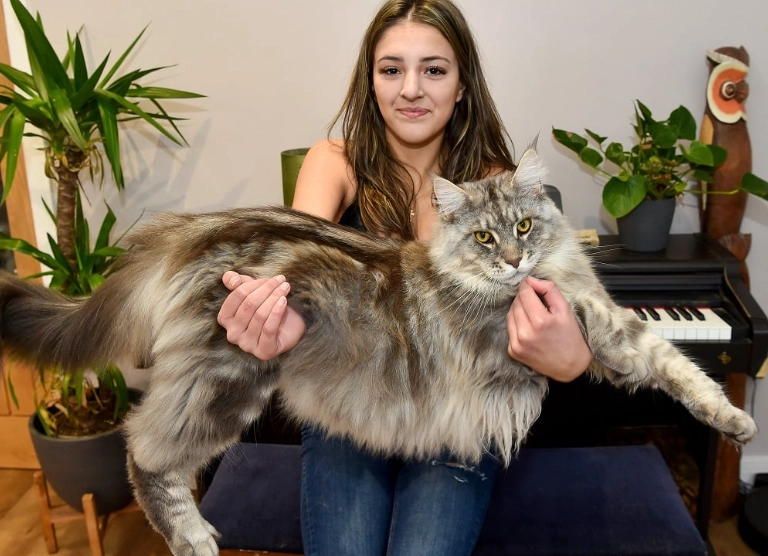
Size & Health: Crucial Considerations
Big bodies come with specific vulnerabilities. Being proactive is key.
Hypertrophic Cardiomyopathy (HCM): This is the most common heart disease in cats, and Maine Coons have a genetic predisposition. Their large size means the heart has to work harder. Responsible breeders screen their breeding cats for HCM. Ask for proof. An annual vet check with a listen for heart murmurs is non-negotiable.
Hip Dysplasia: Yes, like big dogs. The malformation of the hip joint can lead to arthritis and pain. A large frame exacerbates the stress. Watch for stiffness, reluctance to jump, or a strange gait. Maintaining a lean weight is the single best thing you can do to prevent or manage this.
Spinal Muscular Atrophy (SMA): Another genetic condition some lines carry, affecting the spinal cord neurons and causing muscle weakness. Reputable breeders test for this.
The takeaway? Choose your breeder based on health testing, not promises of size. A healthy 15-pound cat is infinitely better than a 22-pound cat with chronic health issues.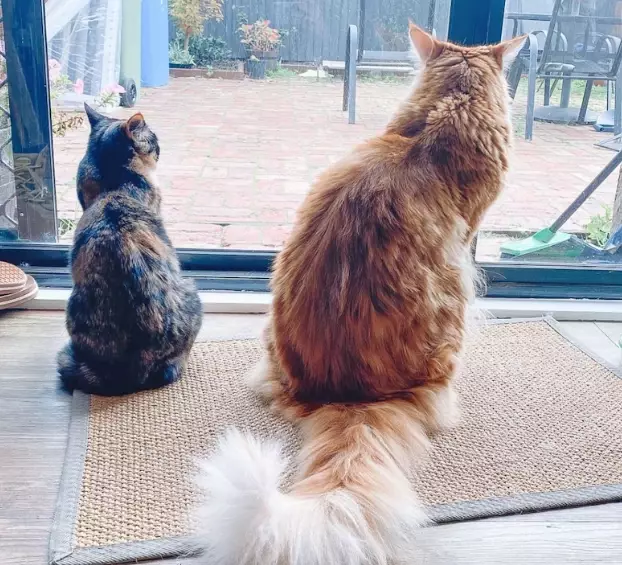
Your Maine Coon Size Questions, Answered
The size of a Maine Coon is its most defining, and often most misunderstood, characteristic. It's not just about bragging rights. It shapes their health needs, your home setup, and the entire experience of living with them. By understanding the realistic ranges, the influencing factors, and the associated responsibilities, you can fully appreciate what it means to welcome one of these magnificent, gentle giants into your life. Focus on health, provide the right environment, and you'll have a companion whose presence—both physical and personal—is truly larger than life.