In This Guide
- What Exactly Is a Blue Russian Cat? Untangling the Name
- The Heart of the Matter: The Blue Russian Cat Personality
- The Hypoallergenic Question: Hope or Hype?
- Caring for Your Velvet Shadow: Health, Grooming, and Diet
- Finding Your Blue Russian Cat: Adoption vs. Reputable Breeder
- Living Happily Ever After: Your First Days and Beyond
- Answering Your Burning Questions (FAQ)
- Final Thoughts: Is This Your Cat?
You know that feeling when you see a cat that looks like it walked straight out of a fairy tale? That's the Blue Russian cat for you. It's not just a grey cat. Calling it "grey" feels like calling a diamond "shiny rock" – technically true, but it misses the whole magic. We're talking about a coat the color of a stormy sky at dusk, with this unbelievable plush, dense texture that begs to be touched. And those eyes. Emerald green, piercing, and intelligent. It's a look that has captivated people for centuries, and if you're here, it's probably caught your eye too.
But here's the thing everyone wants to know right away: is the Blue Russian cat personality as reserved and mysterious as its appearance suggests? Or is there a cuddly companion hiding under that elegant exterior? And what about the whole "hypoallergenic" thing – is that real or just a hopeful myth?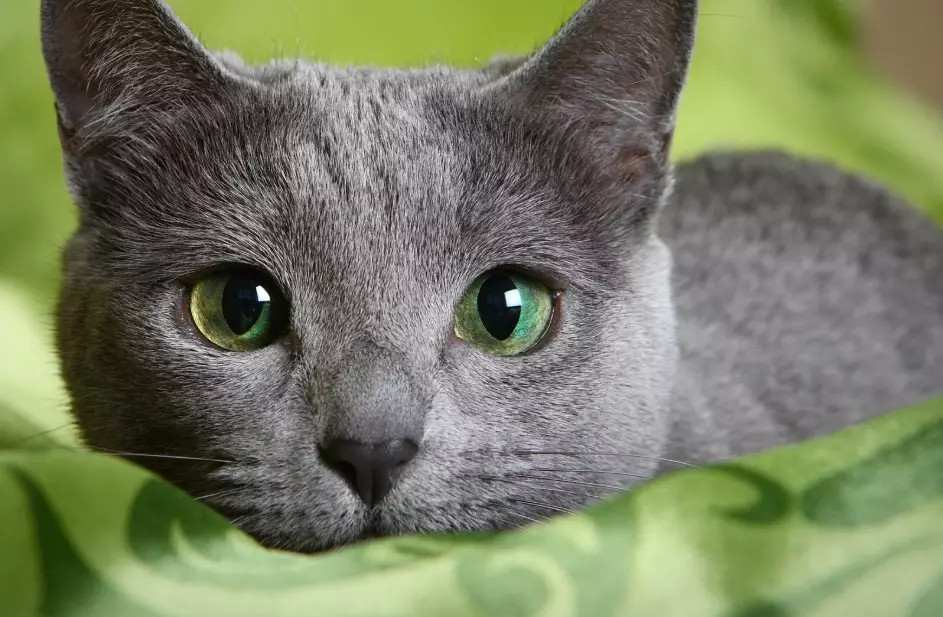
I remember the first time I met a true Russian Blue. It was at a friend's house, and this cat, named Smokey, didn't come barreling over for attention. He observed from the top of a bookshelf for a good hour, just watching. Then, when the room quieted down, he gracefully hopped down, walked straight to his chosen person (my friend), and started purring like a little motorboat, head-butting her hand. It was a privilege earned, not given. That moment stuck with me.
Let's cut through the rumors and get real about what living with a Blue Russian cat is actually like. This isn't just a breed profile; it's the manual you wish came with the cat.
What Exactly Is a Blue Russian Cat? Untangling the Name
First, a bit of clarity on the name, because it causes confusion. "Blue Russian cat," "Russian Blue," "Archangel Blue" – they all refer to the same magnificent creature. "Blue" in the cat fancy world is a fancy term for a specific, even grey color. So, a Blue Russian cat is a cat of the Russian Blue breed. Simple, right? Well, mostly. The breed's history is shrouded in as much mystery as its demeanor.
Legend has it they came from the port of Arkhangelsk (Archangel) in northern Russia, brought to Britain by sailors in the 1860s. Their thick, double-layered coat was perfect for the harsh Russian winters. You can find references to "Archangel Cats" in historical documents and early cat show catalogs. The Cat Fanciers' Association (CFA), one of the world's largest pedigree cat registries, has a detailed breed standard that meticulously describes the ideal Russian Blue – from the wedge-shaped head to the specific texture of that famous blue coat. It's worth a look if you're considering a show-quality cat.
They were almost lumped in with other blue cats for a while, but dedicated breeders worked hard to preserve their unique traits after World War II. Today, major associations like The International Cat Association (TICA) and the CFA recognize them as a distinct and beloved breed.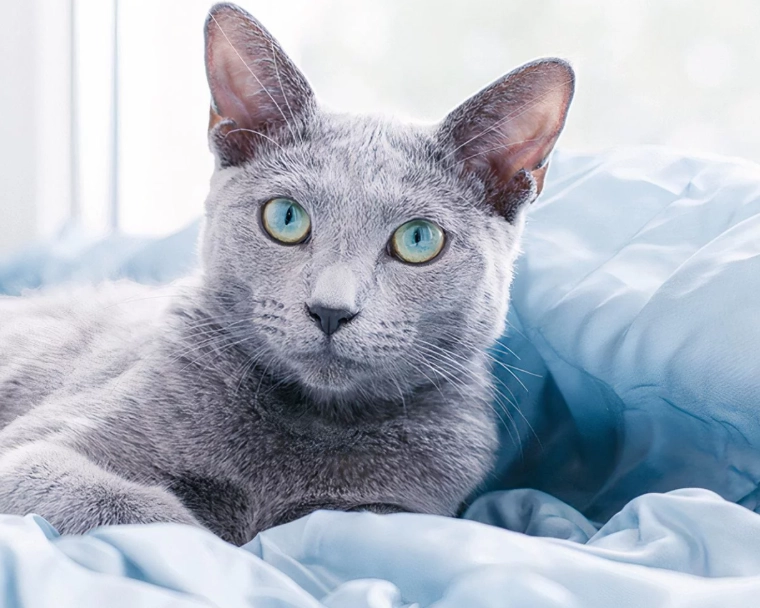
Key Takeaway: Don't get hung up on the name. Whether you search for "Blue Russian cat" or "Russian Blue," you're looking for the same elegant, green-eyed, plush-coated feline aristocrat with roots (likely) in the cold climes of Northern Russia.
The Heart of the Matter: The Blue Russian Cat Personality
This is where most people have questions, and where a lot of generalizations can be misleading. Let's get personal for a second.
The stereotype is that they are aloof, shy, and distant. In my experience, that's only half the story. It's more accurate to say they are selectively social and profoundly sensitive to their environment.
With Family: A Velcro Cat in Disguise
Once a Blue Russian cat accepts you as their person, the transformation is something special. That initial reserve melts away. They become incredibly devoted, often following their favorite human from room to room just to be near them. They're not always lap cats in the traditional, sprawling sense – though some are – but they love to sit beside you, lean against your leg, or sleep at the foot of the bed.
Their affection is quiet but deep. A gentle head-butt, a soft paw placed on your arm, a purr that starts up the moment you walk into the room. They communicate more with their eyes and presence than with constant meowing. Speaking of meowing, they tend to have a very soft, chirpy voice. You won't get loud, demanding yowls at 5 AM for food (usually).
They form strong bonds and can become subtly distressed if their routine is disrupted or their person is away for too long. They thrive on predictability and quiet companionship.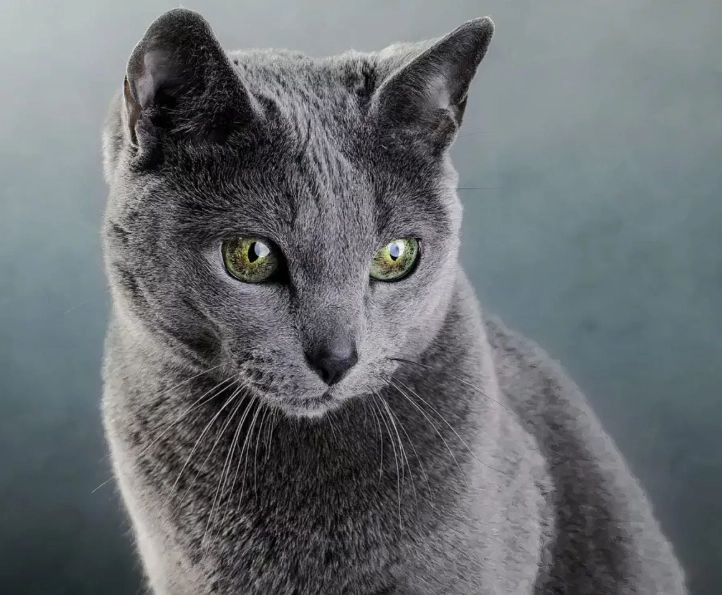
With Strangers and Noise: The Great Retreat
Here's the flip side, and it's a big one. That famous shyness? It's real when it comes to chaos. A doorbell ringing, a party with loud guests, a vacuum cleaner roaring to life – this is the kryptonite of the typical Blue Russian cat personality.
Their first instinct is not to investigate, but to vanish. They are masters of the discreet exit. Under the bed, into a closet, on the highest shelf of a bookcase they've somehow accessed. They are not being rude; they are genuinely stressed by sudden noise and unfamiliar people. This isn't a flaw, but a core trait. If you have a busy, loud, or constantly changing household with lots of visitors, a Russian Blue might spend most of its time hiding, which isn't fair to the cat.
I've seen this firsthand. A friend's Russian Blue, usually affectionate in the evenings, would become a ghost for a full 24 hours after they had houseguests. It took a day of quiet for him to re-emerge and resume his normal behavior.
Playfulness and Intelligence
Don't let the dignified exterior fool you. A Blue Russian cat has a keen mind and enjoys play, especially puzzle-oriented play. They love feather wands, treat-dispensing balls, and games that involve "hunting." They can be taught tricks (like fetch, surprisingly often) and enjoy interactive sessions. This intelligence also means they get bored easily. Leaving them with no stimulation in a quiet apartment all day can lead to a lethargic or slightly neurotic cat. They need their mental gears turning.
So, is the Blue Russian cat personality right for you? Let's break it down clearly.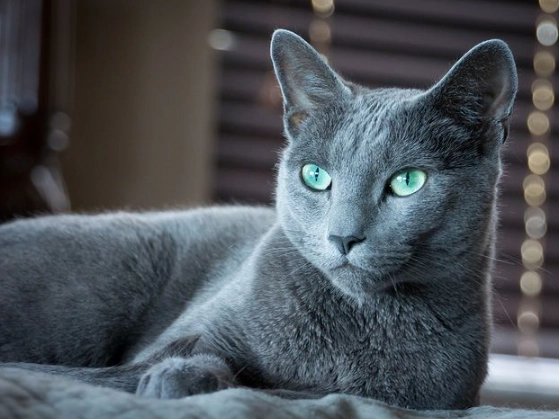
| The Pros (The Wonderful Bits) | The Cons (The Reality Checks) |
|---|---|
| Deeply loyal & affectionate with family: Forms a strong, quiet bond with its chosen people. | Shy with strangers & noise: Hides from visitors, doorbells, parties, and household chaos. |
| Gentle and quiet: Not a loud, yowling breed. Soft voice, gentle demeanor. | Can be sensitive/anxious: Dislikes changes in routine, loud environments, or prolonged solitude. |
| Intelligent and playful: Enjoys puzzle toys, interactive games, and can learn tricks. | Not for chaotic homes: A poor fit for families with very young, loud children or constant activity. |
| Notoriously clean: Fastidious about grooming and litter box habits. | May bond closely with one person: Can sometimes be aloof with other family members. |
| Hypoallergenic potential: Produces less of the Fel d 1 protein, a common allergen (more on this below). | Can be prone to boredom: Needs mental stimulation to stay happy and active. |
See? It's not about good or bad. It's about fit. If your home is a calm sanctuary, a Blue Russian cat could be your perfect soulmate. If it's Grand Central Station, you might both be miserable.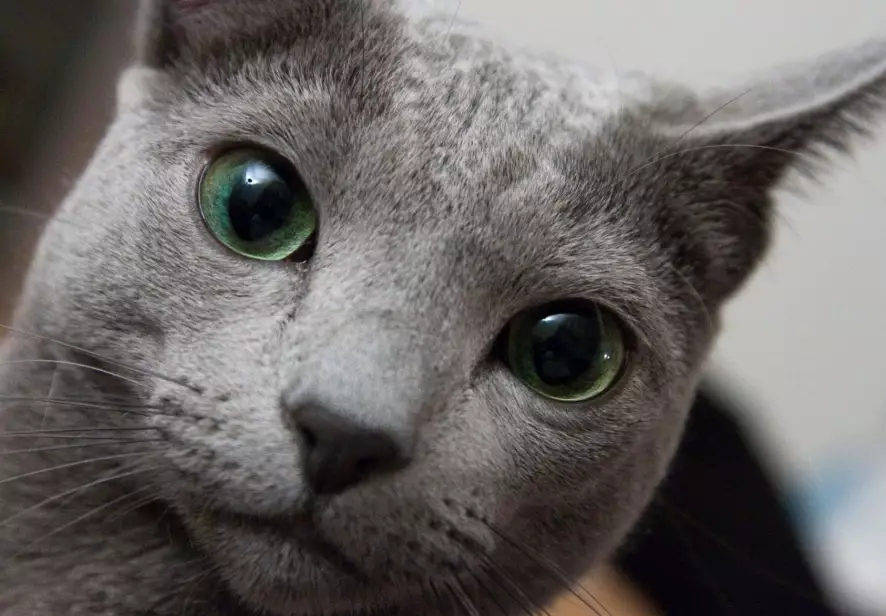
The Hypoallergenic Question: Hope or Hype?
This is probably the number one reason people seek out a Blue Russian cat. Let's be brutally honest.
No cat is 100% hypoallergenic. The primary cat allergen is a protein called Fel d 1, produced in saliva and sebaceous glands. When a cat grooms, the saliva dries on the fur and becomes airborne dander.
The claim with Russian Blues is that they produce less of this Fel d 1 protein than many other breeds. There's anecdotal evidence and some breeder observations to support this. Their dense coat may also trap dander close to the skin rather than releasing it into the air as easily. Many people with mild to moderate cat allergies report doing remarkably well with a Blue Russian cat in their home.
But – and this is a huge but – allergy severity is intensely personal. Someone might be fine with a Russian Blue but react to a "hypoallergenic" Siberian. The only way to know for sure is to spend extended, repeated time with a Russian Blue. Reputable breeders will often allow allergy testing visits.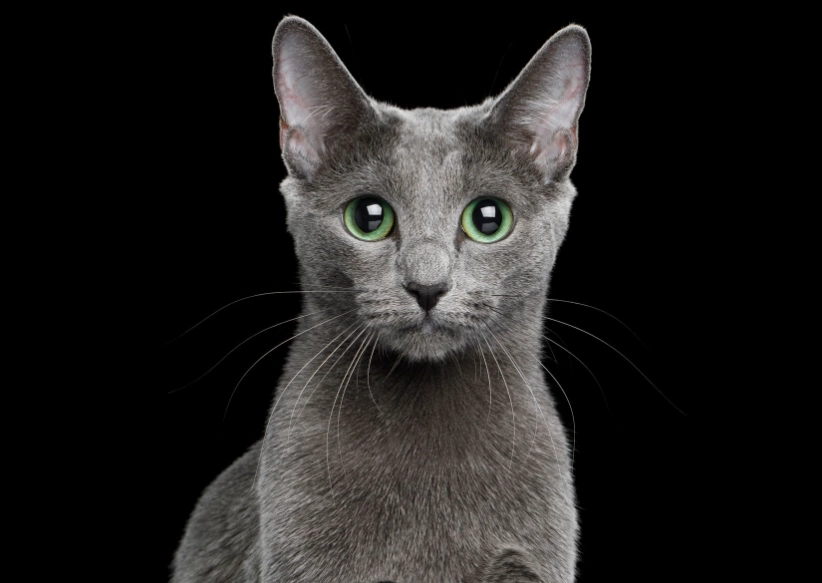
Critical Advice: Do NOT adopt a Blue Russian cat based solely on the hypoallergenic claim if you or a family member has severe, asthma-triggering allergies. It is a gamble. Spend time with the breed first. Consult your allergist. Have a backup plan. I've heard too many sad stories of cats being rehomed because the allergy hope didn't pan out.
Caring for Your Velvet Shadow: Health, Grooming, and Diet
Okay, so you think the personality fits and you've managed the allergy question. What does caring for a Blue Russian cat actually entail? The good news is, they are relatively low-maintenance in terms of grooming, but they have specific needs for their well-being.
Grooming: Easier Than You Think
That gorgeous plush coat is a marvel of low effort. It doesn't mat easily. A thorough brushing once or twice a week with a fine-toothed metal comb or a bristle brush is usually plenty to remove loose hair and distribute skin oils. You'll notice more shedding during seasonal changes, but it's manageable.
They are such proficient self-groomers that you rarely need to bathe them. Just keep up with the basics: weekly nail trims, occasional ear checks (gently clean with a vet-recommended solution if needed), and dental care. Yes, dental care. Like all cats, they are prone to periodontal disease. Getting them used to tooth brushing early is a gift to their future health.
Health: A Generally Robust Breed
Russian Blues are considered a healthy, naturally developed breed with a typical lifespan of 15-20 years. They don't have a long list of severe, breed-specific genetic disorders like some purebreds. However, being a purebred cat, they can be predisposed to certain conditions you should be aware of:
- Obesity: This is the biggest health threat for an indoor Blue Russian cat. They love their routine, which includes meal times, and they can become sedentary if not encouraged to play. A fat cat is an unhealthy cat, prone to diabetes, arthritis, and urinary issues. Portion control and play are non-negotiable.
- Urinary Tract Issues (FLUTD): Some lines may have a tendency towards urinary crystals or inflammation. Ensuring they drink plenty of water (a cat water fountain can help) and feeding a high-quality, appropriate diet is key.
- Genetic Diversity: As with any closed pedigree pool, responsible breeding is crucial to avoid concentrating potential genetic problems. This is why choosing a reputable breeder who does genetic health testing is so important.
Regular vet check-ups (at least annually, twice a year for seniors) are your best defense. The American Veterinary Medical Association (AVMA) has great resources on preventive care for pets that align perfectly with keeping a Russian Blue healthy.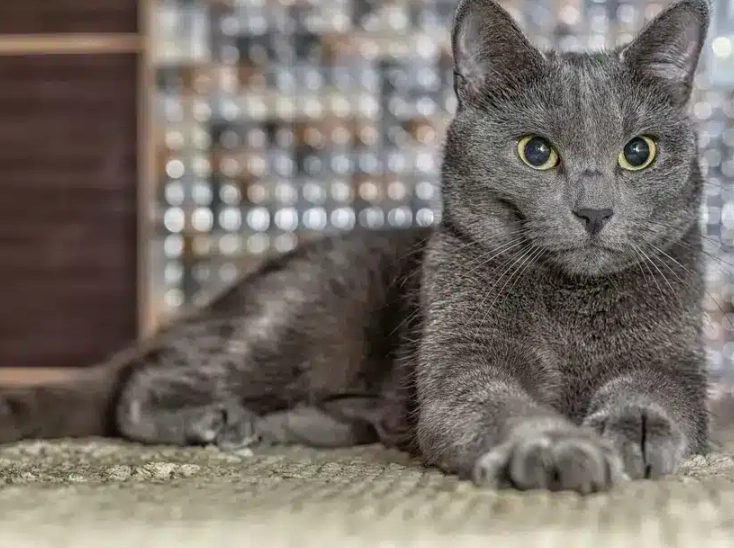
Diet and Nutrition: Fuel for an Athlete
There's no single "best" food for a Blue Russian cat. It depends on age, activity level, and any health concerns. The core principle is to feed a high-quality commercial cat food that is AAFCO (Association of American Feed Control Officials) approved for their life stage.
Whether you choose wet, dry, or a combination is a matter of debate and circumstance. Wet food has higher moisture content, which is great for urinary health. Dry food can be better for dental health (though not a substitute for brushing) and is more convenient. Many owners use a mix. Discuss with your vet. The key is measuring portions and avoiding free-feeding to prevent obesity.
My vet always says, "The best food is the one your cat will eat and thrive on, and that you can consistently afford and provide." Don't get paralyzed by choice. Pick a reputable brand your cat does well on, and stick with it unless you have a reason to change.
Finding Your Blue Russian Cat: Adoption vs. Reputable Breeder
This is a major crossroads. Do you look for a rescue or go to a breeder?
Adoption: The Noble (But Challenging) Path
Finding a purebred Blue Russian cat in a shelter is rare, but not impossible. Sometimes they end up there due to life changes, allergies, or being misunderstood. More often, you'll find "blue" domestic shorthairs that look similar but may not have the same purebred traits or predictable personality.
Check Petfinder.com regularly, set up alerts, and contact breed-specific rescue organizations. The joy of giving a cat a second home is immense. The challenge is that you may have less knowledge about its genetic background and early socialization.
The Reputable Breeder Route: What "Reputable" Really Means
If you want a kitten with predictable traits, health testing, and early socialization, a good breeder is the way. But "good" is the operative word. A reputable breeder:
- Prioritizes Health: They test their breeding cats for genetic diseases common in the breed (even if the breed is generally healthy) and provide you with documentation. They will talk openly about health in their lines.
- Socializes Kittens: Kittens are raised underfoot, in a home environment, exposed to normal household sounds and gentle handling from birth.
- Asks You Questions: They will interview you extensively to ensure you are a good fit for one of their kittens. They care where their cats go for life.
- Provides a Contract: A contract that includes a health guarantee, a requirement that you spay/neuter if sold as a pet, and a clause that you return the cat to them if you can no longer keep it.
- Is Registered: They are registered with a major cat association like CFA or TICA and show their cats to prove they meet the breed standard.
Run, do not walk, away from anyone who has multiple litters always available, sells kittens under 12-16 weeks old, won't let you visit the premises, or seems primarily interested in a quick payment. These are kitten mill or backyard breeder red flags.
Be prepared to wait.
A good breeder often has a waiting list. They breed for quality, not quantity. The wait is worth it for a healthy, well-adjusted kitten.
Living Happily Ever After: Your First Days and Beyond
You've brought your Blue Russian cat home. Now what? The first few weeks set the tone.
Start Small. Confine your new cat or kitten to one quiet room (like a bedroom or office) for the first few days. This gives them a safe base to adjust from. Place their litter box, food, water, bed, and some toys in this room. Let them explore this space at their own pace.
Let Them Come to You. Sit quietly in the room, read a book, ignore them. Let them approach you on their terms. Offer treats or gentle play with a wand toy. No forcing, no grabbing, no overwhelming them with attention from the whole family at once.
Gradually Expand Access. Once they seem comfortable in their base room, open the door and let them explore the rest of the house gradually. Keep things calm.
Establish Routine. Feed at the same times, have consistent play sessions. Predictability is comfort for a Russian Blue.
Catify Your Home. Provide vertical space. Cat trees, wall shelves, window perches. Remember, they feel safe up high, especially if startled. This gives them an escape route and enriches their environment.
Answering Your Burning Questions (FAQ)
Let's tackle some of the specific things people type into Google about the Blue Russian cat.
Are Blue Russian cats good with dogs?
They can be, with a very slow, careful introduction and a calm, cat-respectful dog. A boisterous puppy or a dog with a high prey drive is a terrible idea. The best scenario is a gentle, older dog or introducing a kitten to a dog that already knows cats. The Russian Blue's shy nature means a bad dog match will make them perpetually stressed.
Are Blue Russian cats good with children?
They are best with older, calm, respectful children who understand how to interact quietly with a cat. They are not a robust, tolerant breed for toddlers who might grab, chase, or be loud. A Russian Blue will simply hide from rambunctious kids, and the kids will be disappointed. For a quiet family with gentle, older kids, they can be a wonderful pet.
How much does a Blue Russian cat cost?
From a reputable breeder, expect $800 to $2,500+, depending on lineage, location, and whether the kitten is show/breeding quality or pet quality (the latter being perfectly wonderful pets, just with minor cosmetic deviations from the breed standard). Adoption fees are significantly lower, typically $50-$300.
Do Blue Russian cats shed a lot?
They have a double coat and do shed, especially seasonally. However, the fur is short and fine, so it's often less noticeable than the shedding from a long-haired cat. Regular brushing controls it well. They are not non-shedding.
Why is my Blue Russian cat so shy/vocal/active?
Remember, personality exists on a spectrum. Not every Russian Blue will be a textbook introvert. Early socialization plays a huge role. Some lines may be more outgoing. If your cat is unusually vocal, check for underlying needs (hunger, boredom, medical issue). If they're hyperactive, increase structured play sessions to burn energy. They are individuals within a breed framework.
Final Thoughts: Is This Your Cat?
Living with a Blue Russian cat is a unique experience. It's not the in-your-face, comedic clowning of some breeds. It's a quieter, more nuanced partnership. It's about mutual respect. You provide a safe, predictable, and loving sanctuary. In return, you get a companion of profound loyalty and gentle affection—a graceful shadow that chooses to be by your side.
They are not for everyone. But if your home is a place of peace, and you value a deep, quiet connection over constant boisterous interaction, a Blue Russian cat might just be the most elegant and rewarding friend you ever invite into your life.
Do your homework. Meet the breed if you can. Choose your source carefully, whether rescue or breeder. And if it's the right fit, get ready for years of velvet-soft purrs and emerald-green glances that seem to understand more than you think.