Your Quick Guide to Himalayan Cats
- What Exactly Is a Himalayan Cat? Breed History 101
- The Himalayan Personality: Couch Potato or Clingy Shadow?
- The Non-Negotiables: Grooming Your Himalayan Cat
- Health Considerations: What You're Signing Up For
- Living With a Himmie: Daily Life and Home Setup
- Himalayan Cat vs. Similar Breeds
- Finding a Himalayan Cat: Breeder, Rescue, or Red Flag?
- Your Himalayan Cat Questions, Answered
- Final Thoughts: Is a Himalayan Cat Right for You?
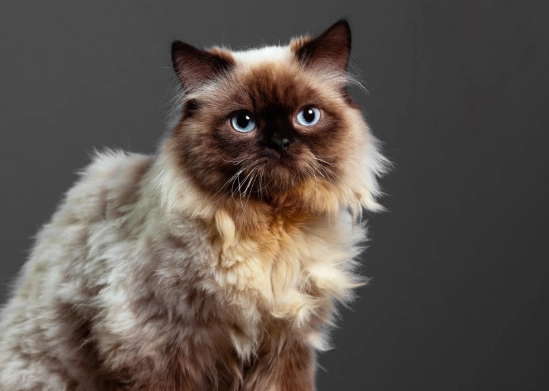
Let's be honest. You probably saw a picture. A cloud of luxurious fur, a perfectly flat face with stunning blue eyes peering out, looking like a living teddy bear. That's the Himalayan cat, or "Himmie" for short. And if you're here, you're probably wondering if this feline aristocrat could actually be a good fit for your life, beyond just being incredibly photogenic.
I get it. I've been there. A friend of mine fell head over heels for one at a cat show, brought the little fluffball home, and then called me in a panic two weeks later about matting fur and watery eyes. It was a crash course in what owning a Himalayan really means.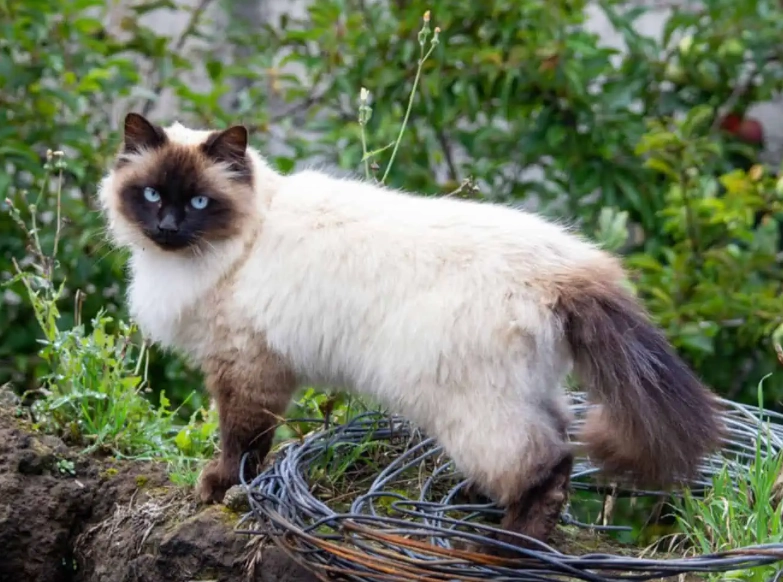
So, let's skip the just-the-pretty-pictures part. This is a straight-talk guide about Himalayan cat cats—their wonderful quirks, their demanding needs, and the realities of sharing your home with one. We'll dig into their personality (spoiler: they're often total lap potatoes), their notorious grooming schedule, the health stuff you absolutely must know about, and whether your lifestyle can handle all that fluff.
What Exactly Is a Himalayan Cat? Breed History 101
First things first, let's clear up a common mix-up. Himalayan cats aren't from the Himalayas. The name comes from the coloring of the Himalayan rabbit, which has similar dark points on its ears, face, feet, and tail. The breed was developed in the 1930s and 1950s by breeders in the US and UK who wanted to combine the best (or some would say most distinctive) traits of two popular breeds.
Think of it like this: take the super-plush, long-haired, ultra-calm body of a Persian cat. Now, paint Siamese-style "points" on it—that's the darker color on the ears, face (mask), legs, and tail. And finally, make sure those eyes are a deep, vivid blue. That's the Himalayan cat recipe.
Major cat registries like The International Cat Association (TICA) and the Cat Fanciers' Association (CFA) recognize them. Interestingly, the CFA considers the Himalayan simply a color division of the Persian breed, while other registries treat it as a separate breed. This matters mostly for show rings, but for you as an owner, it underscores that caring for a Himalayan is very much like caring for a Persian with extra color.
So, you're not getting a wild mountain cat. You're getting a meticulously crafted companion animal.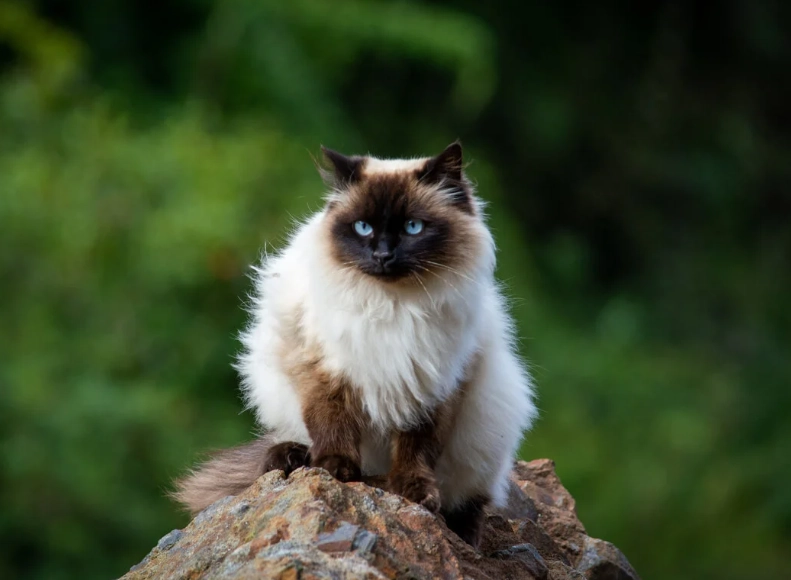
The Himalayan Personality: Couch Potato or Clingy Shadow?
If you're looking for a high-energy cat that will race up your curtains and demand hours of interactive play, you might want to look at another breed. Most Himalayan cat cats are the epitome of a low-energy, affectionate companion. They are famously sweet-tempered, gentle, and placid.
I like to call them "decorative." They excel at the art of lounging. You'll find them beautifully arranged on a sofa, a windowsill, or, most preferably, your lap. They form strong, devoted bonds with their people and often prefer a calm, predictable environment. Loud noises and chaotic households can stress them out. They tend to use a soft, pleasant voice, not the loud yowling some breeds are known for.
But here's a personal opinion: that gentleness can sometimes be mistaken for aloofness. They aren't always in-your-face like some breeds. They show affection by being present, by following you quietly from room to room just to be near you. Don't expect them to fetch or perform tricks. Their job is to be serene and beautiful, and they take it very seriously.
They generally get along well with gentle children, calm dogs, and other cats, thanks to their easygoing nature. However, their delicate build and long fur mean interactions with very young kids or rambunctious pets should be supervised.
Potential Downsides to Their Temperament
It's not all purrs and cuddles. That same sweet disposition has a flip side.
Some Himalayans can be incredibly dependent. They don't always do well being left alone for very long stretches (think 10-hour workdays regularly). They can develop separation anxiety. And because they are so docile, they can be easily bullied by more assertive pets. You have to be their advocate.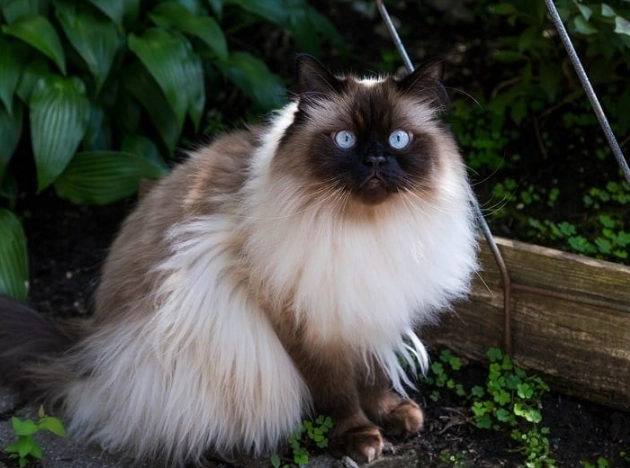
Also, that famous quietness? It means they might not always tell you clearly when something is wrong. You have to be an observant owner, watching for subtle changes in behavior or appetite, which leads us perfectly to the next big topic.
The Non-Negotiables: Grooming Your Himalayan Cat
This is the part that makes or breaks Himalayan ownership. That gorgeous coat is a full-time commitment. It's not optional; it's essential for their health and comfort.
If you don't brush a Himalayan cat daily, their fine fur will mat—and not just little tangles. We're talking large, painful, skin-pulling mats that often require shaving to remove. Matting is uncomfortable, can hide skin problems, and is just poor care. So, ask yourself honestly: can you commit to a thorough 10-15 minute brushing session every single day?
The tool kit is specific too. You'll need:
- A wide-toothed stainless steel comb (the absolute MVP for working out tangles).
- A slicker brush (for finishing and removing loose hair).
- Maybe a de-matting tool for small snags (used VERY carefully).
- Quality cat shampoo for the occasional bath (yes, baths are sometimes needed).
Many owners opt for a "lion cut" from a professional groomer every few months, especially in the summer. This is where the body is shaved short, leaving fur on the head, tail tip, and sometimes the legs. It looks silly to some, but it's a lifesaver for the cat's comfort and massively reduces grooming work for the owner. Don't let anyone shame you for choosing this if it keeps your cat happy and mat-free.
And it's not just the body fur. Their flat faces need daily attention too. Their eyes often tear up due to their facial structure, leading to unsightly and potentially irritating tear stains. You need to gently wipe their eye corners daily with a soft, damp cloth. Their nose folds can also collect gunk and need a check.
Think of grooming not as a beauty ritual, but as daily health care. For a Himalayan cat, it is.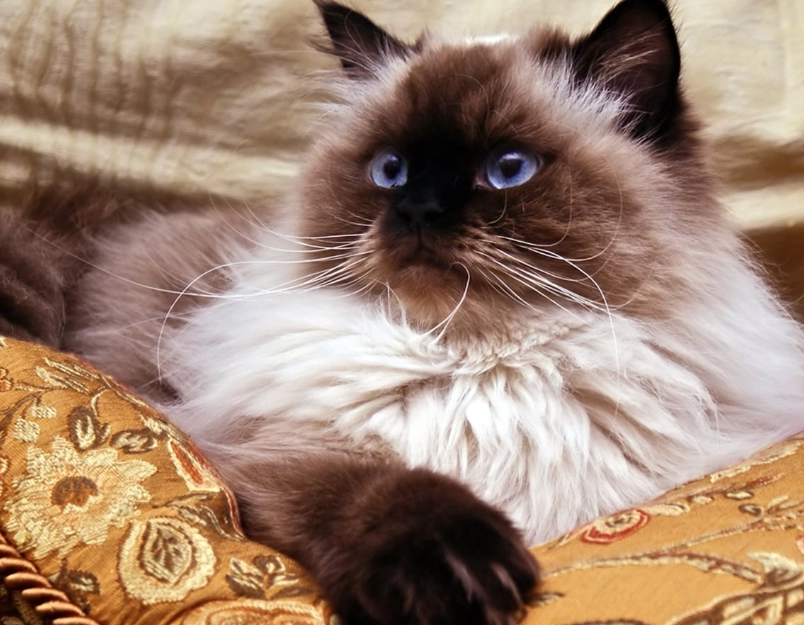
Health Considerations: What You're Signing Up For
All purebred cats can have genetic predispositions to certain conditions, and Himalayans are no exception. Being informed isn't about scaring you away; it's about preparing you to be a great owner. Responsible breeders test for these issues, which is why you should never buy a Himalayan from a pet store or a backyard breeder.
The big one is Brachycephalic Airway Syndrome. That's the fancy term for the problems caused by their extremely flat (brachycephalic) face. It can lead to:
- Noisy breathing, snoring, snorting.
- Difficulty breathing, especially in heat or when stressed.
- Overheating more easily than other cats.
- Dental issues because their shortened jaw means teeth can be crowded.
You need to keep them in a cool, climate-controlled environment. Never leave a Himalayan in a hot car or a room without air conditioning on a warm day.
Other health issues seen in the breed include:
- Polycystic Kidney Disease (PKD): An inherited condition where cysts develop in the kidneys. Reputable breeders will have their breeding cats genetically tested for PKD and provide proof. Ask for it.
- Progressive Retinal Atrophy (PRA): A group of diseases that cause the retina to degenerate, leading to blindness. There are genetic tests for this too.
- Urinary tract issues, which are common in many cat breeds.
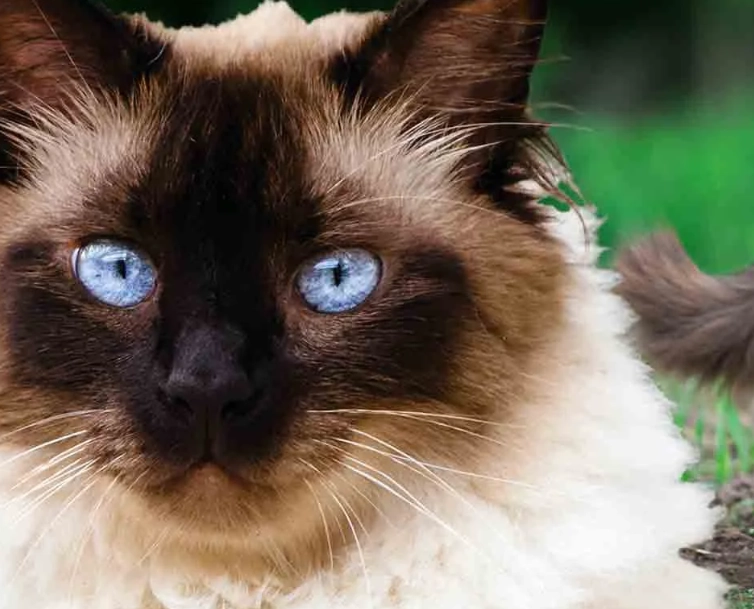
Here’s a quick look at potential costs and considerations:
| Health Concern | What It Means | Prevention/Maintenance |
|---|---|---|
| Brachycephalic Syndrome | Breathing difficulties, overheating risk, dental crowding. | Keep cool, manage weight, annual dental vet checks. |
| Polycystic Kidney Disease (PKD) | Kidney cysts that can lead to failure. | ONLY buy from a breeder who tests parents. No test, no kitten. |
| Excessive Tearing | Watery eyes leading to stains and skin irritation. | Daily gentle cleaning of eye corners. |
| Matting | Painful tangles that pull on skin. | Non-negotiable daily brushing. |
Finding a vet who is familiar with brachycephalic breeds is a huge plus. They'll know what to look for and can give you better, breed-specific advice.
Living With a Himmie: Daily Life and Home Setup
Okay, so you're ready for the grooming and aware of the health stuff. What does day-to-day life look like?
Feeding: Because of their flat faces, many Himalayans do better with shallow, wide bowls. Some even prefer flat plates. This prevents their whiskers from getting stressed ("whisker fatigue") and makes it easier for them to eat without mashing their face into the rim. A high-quality diet is key to maintaining skin and coat health. Some owners find their Himalayans are picky eaters—another endearing quirk.
Litter Box: This is critical. Get a large, high-sided litter box. Their long fur can otherwise drag through waste, leading to a disgusting and unhygienic situation you'll have to clean (the cat and the fur). Some people even trim the fur around their hind end (a "sanitary trim") to prevent this. Use a low-dust, clumping litter to keep that beautiful coat clean.
Play and Exercise: They are not athletes. Short, gentle play sessions with a wand toy or a crinkle ball are perfect. The goal is mental stimulation and light movement, not a cardio workout. Puzzle feeders can be great for them. Keeping them at a healthy weight is crucial to avoid putting extra strain on their breathing and joints.
Environment: They thrive on routine and calm. Provide plenty of soft, comfortable perches near windows for bird-watching (their favorite sport). Make sure they have cozy, draft-free beds in quiet corners. Since they can struggle to jump high, consider pet stairs or ramps to help them get up to their favorite couch or your bed.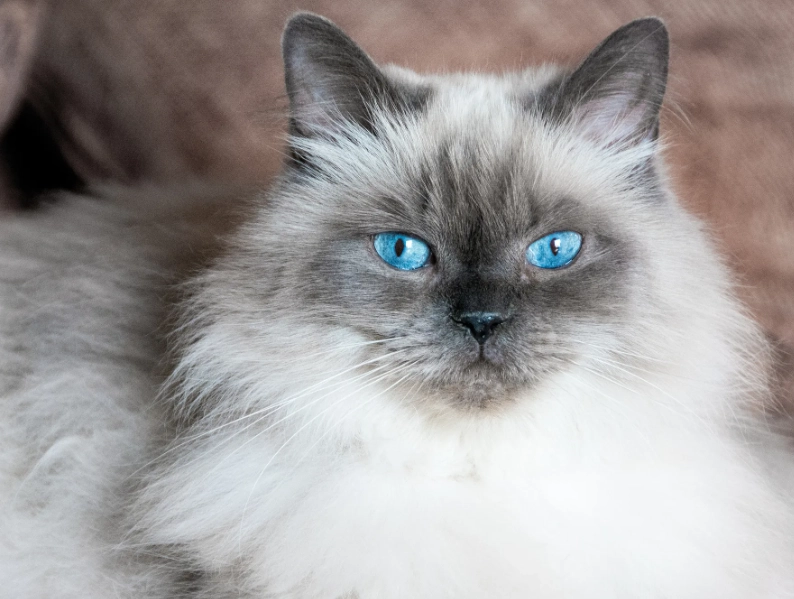
Himalayan Cat vs. Similar Breeds
How do you choose between a Himalayan and another fluffy, pointed cat? Here's a blunt comparison.
Himalayan vs. Persian: Besides the color points, they are nearly identical in care and structure. The CFA says they are Persians. If you love the Persian personality but are drawn to the contrast of the point colors and blue eyes, a Himalayan is your cat.
Himalayan vs. Ragdoll: This is a common cross-shop. Both are long-haired, pointed, and known for being gentle. But Ragdolls are larger, have a less extreme face (so fewer breathing issues), and their fur is silky and less prone to matting than the Himalayan's cottony coat. Ragdolls are also known for going limp when held. Himalayans are generally more independent in spirit, though both are affectionate. Grooming a Ragdoll is typically easier.
Himalayan vs. Birman: Birmans also have points and long hair, but with white "gloves" on their paws. They have a more moderate face, are often described as more active and playful than Himalayans, and their coat is single-layered, meaning less matting potential.
The grooming demand is what truly sets the Himalayan apart. It's the highest maintenance of this fluffy, pointed group.
Finding a Himalayan Cat: Breeder, Rescue, or Red Flag?
This might be the most important section here.
Reputable Breeder: This is the safest route for a healthy kitten. A good breeder will:
- Welcome you to their home to meet the kittens and the parent cats.
- Have documentation of genetic testing for PKD and possibly PRA for the parents.
- Ask you plenty of questions to ensure you're a good fit.
- Have a contract that includes a health guarantee and requires you to return the cat to them if you can't keep it.
- Keep kittens until they are at least 12-16 weeks old for proper socialization.
Be prepared to be on a waiting list and pay a premium. You are paying for health testing, ethical breeding, and early care.
Rescue/Adoption: Yes, purebred Himalayan cats end up in shelters and breed-specific rescues all the time. People get them for their looks without understanding the care. Organizations like Persian and Himalayan Cat Rescue specialize in rehoming these cats. Adopting an adult can be wonderful—you skip the crazy kitten phase, their personality is already known, and you're giving a cat a second chance. The grooming needs are the same, of course.
Red Flags (Run Away): Any breeder who has multiple litters always available, won't let you see where the cats live, has no health testing, sells kittens under 12 weeks, or only communicates via text/email without a phone call or visit. Pet stores are an absolute no. Websites with "cheap Himalayan kittens" are almost always scams or kitten mills.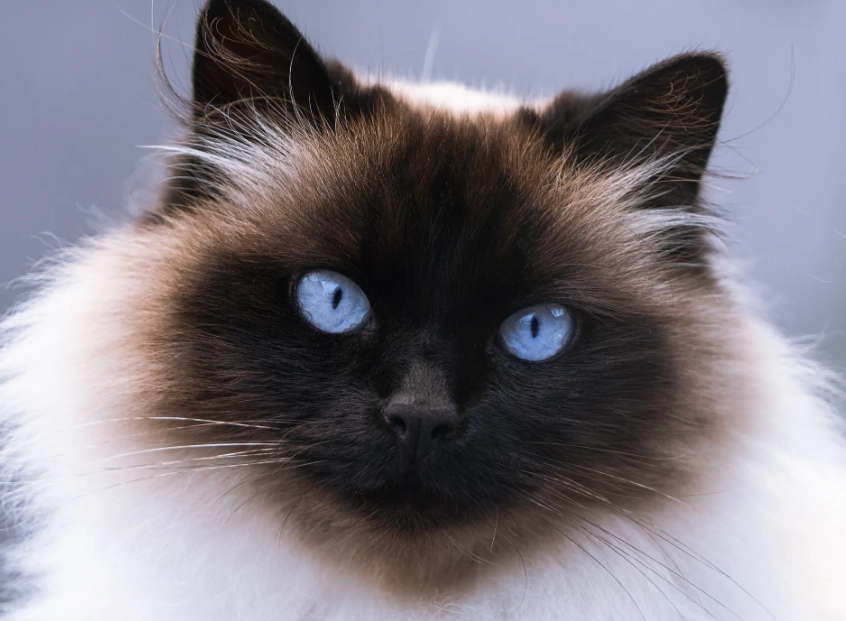
Your Himalayan Cat Questions, Answered
Final Thoughts: Is a Himalayan Cat Right for You?
Let's circle back. The image of the perfect, serene Himalayan cat is real. They can be incredibly loving, gentle, and beautiful companions. But that image comes with a daily to-do list.
You should consider a Himalayan cat if: you are home often, have a calm household, are committed to a strict daily grooming routine, have the budget for potential health care, and want a cat that shows affection through quiet companionship rather than acrobatics.
You should probably look at another breed if: your life is very busy and unpredictable, you travel frequently, you are not prepared for daily brushing, you have severe allergies, or you want an interactive, playful, low-maintenance pet.
Owning a Himalayan is a lifestyle choice. It's choosing to care for a living work of art that has very specific needs. It's not always easy—the grooming is a chore, the health worries are real, and the vet bills can be higher. But for the right person, the trade-off is worth it. There's nothing quite like the feeling of a contented, purring fluffball settling into your lap, those blue eyes half-closed in trust.
Do your homework. Meet some in person if you can. Talk to breeders and rescuers. And be brutally honest with yourself about that daily brush. If you can handle that, you might just have found your perfect, fluffy, blue-eyed roommate.