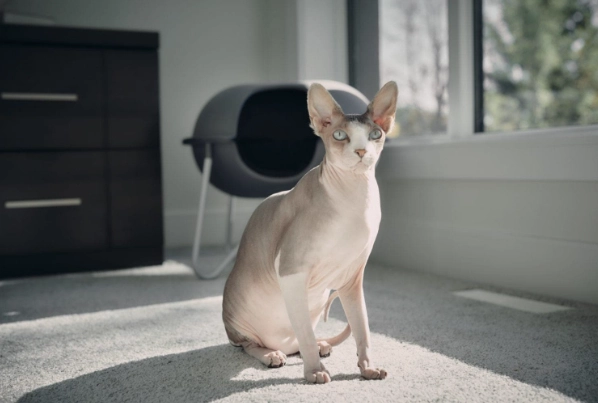
You've seen the pictures. The wrinkled skin, the huge ears, the alien-like charm. The Sphynx cat is unforgettable. And maybe you're thinking about bringing one home. But then that question hits you, the one everyone whispers: Are Sphynx cats high maintenance?
The short, honest answer is yes. But not in the way you might think. It's not just "more work"—it's a completely different category of pet care compared to your average furry feline. Calling them high maintenance isn't an insult; it's a crucial fact. Their lack of fur isn't just a cosmetic quirk; it rewrites the entire rulebook on cat ownership.
I've watched friends fall in love with the idea of a Sphynx, only to be shocked by the oily residue on their light-colored couch or the panic of their cat shivering on a cool evening. This isn't to scare you off. For the right person, a Sphynx is an incredibly rewarding, affectionate companion. But you need to go in with your eyes wide open.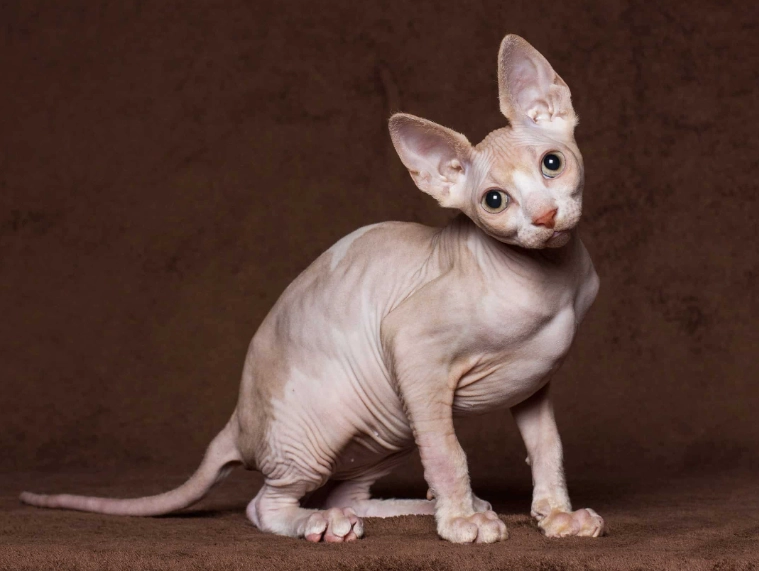
So, let's move past the simple yes/no. Let's break down exactly what that maintenance looks like, how much it really costs (in time, effort, and money), and whether you're the right fit for this unique creature.
What You're Getting Into
The Non-Negotiable Skincare Routine
Forget brushing. Your primary grooming tool with a Sphynx is a bathtub. Without fur to absorb it, the natural oils (sebum) their skin produces have nowhere to go. It builds up. This leads to a few very specific issues:
- Oily Residue: They will leave brownish oil stains on your bedding, clothes, and furniture. Light-colored fabrics show it the most.
- Clogged Pores & Acne: Yes, cats can get acne, especially on their chins. Sphynx are prone to it.
- Dirt Magnet: Their sticky skin picks up lint, dust, and dirt directly.
This isn't occasional. It's a weekly commitment. Here's what that looks like:
The Weekly Bath (Yes, Really)
You'll need a gentle, kitten-safe shampoo (often a hypoallergenic or baby shampoo). The water should be warm, not hot. The key is to be thorough but calm—many Sphynx tolerate baths better than you'd expect, especially if you start young. After the bath, they must be completely dried to prevent chills. A warm towel and a low-heat blow dryer on a quiet setting are essentials.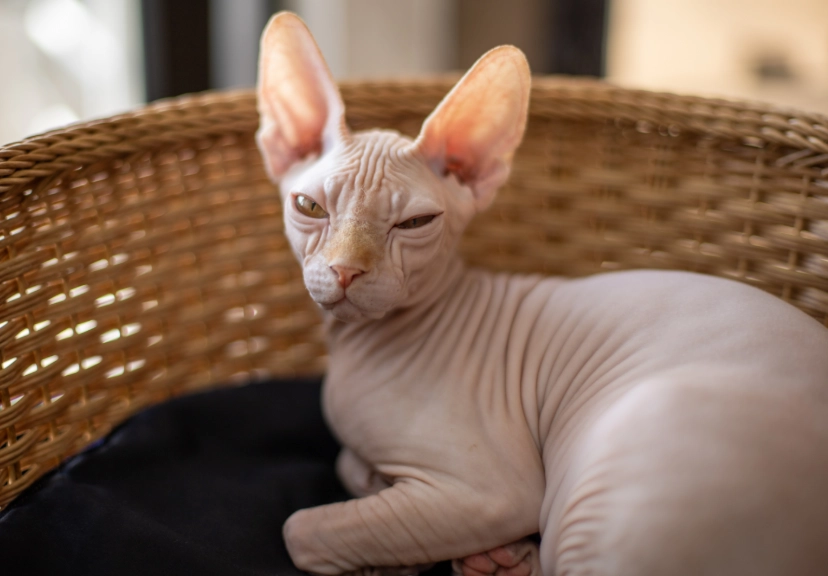
Ear Cleaning: A Weekly Must-Do
This is a big one often missed by new owners. Sphynx cats produce a startling amount of dark earwax. Left unchecked, it can lead to infections. Every bath day, gently clean the outer ear with a vet-recommended solution and a cotton ball or pad. Never use Q-tips deep in the ear canal.
In-Between Wipe Downs
Between baths, you'll likely need to wipe them down with a warm, damp cloth or pet-safe cleansing wipes, focusing on their paws, chin, and any visibly oily areas.
If this sounds like a lot, it is. It's the single biggest daily reminder that you own a hairless breed.
Expert Tip: Don't over-bathe in an attempt to stop the oil. Stripping all the oil can actually cause the skin to overproduce more, creating a vicious cycle. Stick to a consistent weekly schedule unless your vet advises otherwise.
They're Not Furnaces: Temperature & Environmental Needs
Another common myth: "They're so warm, they must not get cold." Wrong. They lose body heat incredibly fast. Managing their environment is a constant, silent form of maintenance.
- Ideal Indoor Temperature: Think consistently between 70-80°F (21-27°C). Drafty windows in winter or powerful AC in summer can make them uncomfortable.
- Wardrobe Required: Investing in cat sweaters, hoodies, and even pajamas isn't a cute luxury—it's necessary for cooler months or air-conditioned homes. Have several on rotation.
- Sunblock is Mandatory: This is critical. Their skin is directly exposed to UV rays. They can get sunburned and are at a higher risk for skin cancer. If they have access to sunny windows or go outside (on a harness), you must apply pet-safe sunscreen. Look for unscented, zinc-oxide-based formulas.
- Cozy Spots Everywhere: Heated cat beds, piles of soft blankets, and snug hiding spots aren't just nice-to-haves. Your Sphynx will seek them out constantly.
You become a thermostat watchdog. It changes how you manage your own home's climate.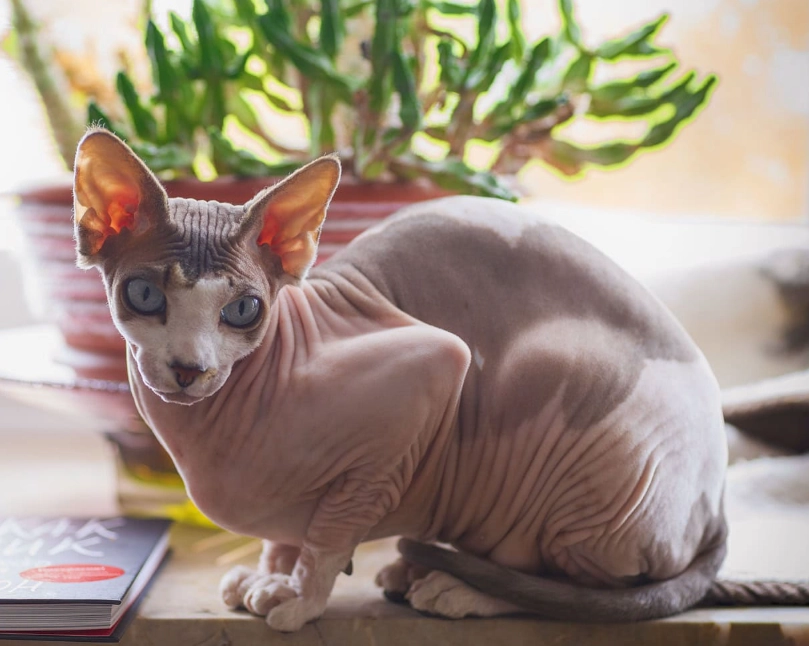
Diet, Digestion, and Hidden Health Checks
Their high metabolism, which helps them stay warm, means they burn calories fast. Most Sphynx cats need more food, and higher quality food, than an average cat of the same size.
A diet rich in high-quality animal protein and fat is essential. Cheap, filler-heavy kibble won't cut it and may exacerbate skin and digestive issues. Many owners find success with high-quality wet food or even a carefully researched raw diet (consult your vet first).
This leads to another point: their notorious reputation for… let's say, potent litter box habits. The combination of a high-metabolism diet and sometimes-sensitive digestion can result in smellier waste. Investing in a top-tier litter and a high-quality air filter near the box isn't a bad idea.
On the health front, responsible breeding is paramount. Reputable breeders screen for:
- Hypertrophic Cardiomyopathy (HCM): A common heart condition in cats, including Sphynx. Ask the breeder for proof of recent echocardiogram clearances for the parents.
- Hereditary Myopathy: A muscle condition sometimes seen in the breed.
You're not just buying a cat; you're investing in decades of potential health. A well-bred Sphynx from health-tested lines is the best start, but be prepared for the possibility of higher vet bills associated with these breed-specific concerns. Pet insurance early on is a very wise consideration.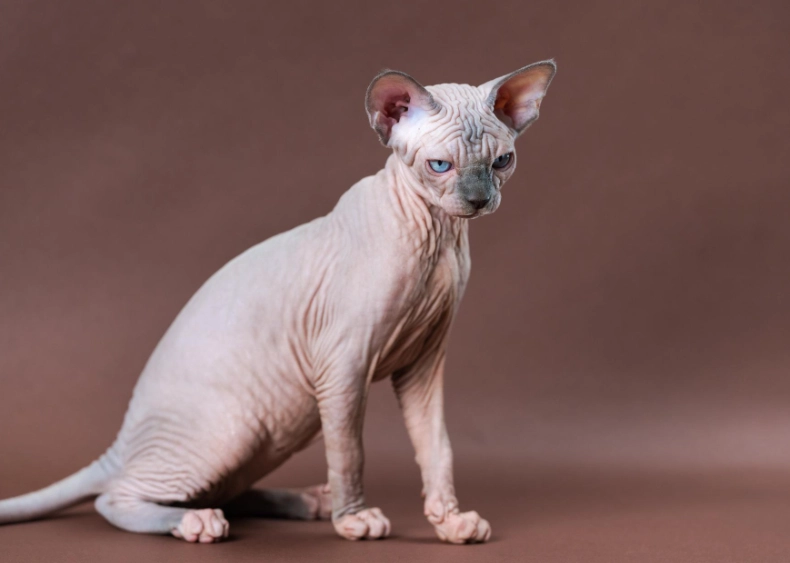
The Real Cost Breakdown: Initial vs. Ongoing
Let's talk numbers. The "high maintenance" label applies squarely to your wallet, too.
| Expense Category | Estimated Cost (USD) | Notes |
|---|---|---|
| Initial Purchase (Reputable Breeder) | $1,500 - $3,500+ | This high cost should reflect health testing, vaccinations, and responsible breeding practices. Avoid "cheap" Sphynx kittens. |
| Start-Up Kit | $300 - $600 | Includes premium litter box, high-quality food, bowls, cat trees, multiple sweaters, heated bed, pet-safe sunscreen, gentle shampoo, ear cleaner. |
| Monthly Food & Litter | $80 - $150 | High-protein wet/dry food and premium litter add up quickly. |
| Grooming Supplies | $20 - $40 (monthly avg) | Shampoo, wipes, ear cleaner, cotton pads. |
| Annual Vet Care (Baseline) | $200 - $500 | Check-ups, vaccines. Does NOT include emergency care or specialist visits for HCM screenings. |
| Pet Insurance (Monthly) | $30 - $60 | Highly recommended for this breed. |
The first year can easily run $4,000-$6,000+ when you factor in everything. It's a significant financial commitment that lasts their lifetime (12-15 years on average).
Myth Busting: The Hypoallergenic Lie and Other Misconceptions
Let's clear the air on the biggest myth of all.
Myth 1: Sphynx cats are hypoallergenic. This is dangerously false. Most cat allergies are triggered by the Fel d 1 protein found in saliva and skin secretions, not the hair itself. Sphynx cats groom and produce skin oils, so they still spread the allergen everywhere. For some allergy sufferers, reactions can be worse because the allergen is directly on the skin and not trapped in fur.
Myth 2: They're low-shedding, so less cleanup. While you won't find tumbleweeds of fur, you will be cleaning oily smudges off surfaces and bathing them weekly. It's a trade-off, not a reduction in work.
Myth 3: They're mean or aggressive because they look different. The opposite is true. Breed standards and owner experiences consistently describe them as extroverted, dog-like, affectionate, and deeply attached to their people. They crave warmth and companionship, often following you from room to room.
So, is a Sphynx cat high maintenance? Absolutely. It's a commitment that touches every aspect of pet care: daily cleaning, weekly grooming, environmental control, specialized diet, and financial planning.
But here's the flip side nobody talks about: that maintenance creates a bond. The bathing becomes a trust exercise. The cuddles under a blanket are a mutual need. You're not just an owner; you're a caretaker in the most literal sense. For someone who wants an interactive, affectionate, and utterly unique companion and is willing to put in the work, the reward is immense.
If you looked at that cost table and weekly routine and felt dread, a Sphynx is not for you. And that's perfectly okay. But if you felt a spark of "I can build that into my life," then you might just be ready for one of the most engaging friendships of your life.