Quick Navigation
Okay, let's be real. You're scrolling through cute cat pictures online, or maybe you're staring at your own feline friend, and the question pops into your head. What's the difference between a tuxedo cat and a black and white cat? Are they the same thing? Is one just a fancy name for the other? It seems simple, but it's a question that trips up a lot of cat lovers. I've had this debate with friends more times than I can count. "My cat is black and white, so he's a tuxedo cat, right?" Not necessarily. The truth is, all tuxedo cats are black and white, but not all black and white cats are tuxedos. It's a classic "square is a rectangle, but a rectangle isn't always a square" situation.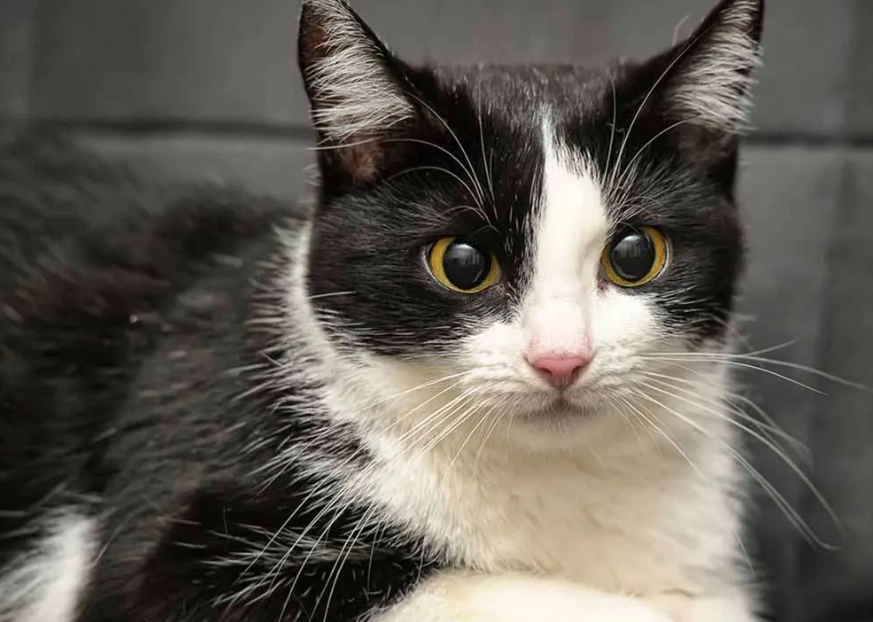
I remember when I first adopted my cat, Jasper. The shelter just listed him as a "Domestic Shorthair, black and white." But my friend took one look at him and said, "Oh, you got a tuxedo! They're so smart!" Jasper does look like he's wearing a little suit, with his white paws, chest, and belly, and a solid black back. But was my friend right? That sent me down a rabbit hole of feline coat patterns, genetics, and cat fancier terminology. It's more fascinating (and slightly more complicated) than you might think. So, let's break it down without any confusing jargon.
The Core Difference: It's All About the Pattern
Think of "black and white cat" as the broad, generic category. It's the umbrella term. It describes any cat whose fur is a combination of black and white patches, in any arrangement, big or small. The pattern is called "bicolor" or "piebald" in the cat fancy world. Under that big umbrella, you have several specific pattern types. The tuxedo pattern is one of those specific, recognizable types of bicolor coat.
So, what makes a tuxedo pattern special? It's not an official breed classification—it's a color pattern that can appear in many breeds and moggies (that's a fancy word for mixed-breed cats). The key is in the specific placement of the white fur. A classic tuxedo cat looks like it's dressed for a formal event. The defining features usually include:
- A solid black back, sides, and top of the head (the "jacket").
- A crisp white chest and belly (the "shirt").
- White paws, as if wearing little spats or gloves.
- Often a white chin or a white "blaze" on the face.
- The black and white areas are typically well-defined, not speckled or brindled.
My Jasper fits this to a T. His white chest is so perfectly shaped it looks like a bib. Other black and white cats might have a white sock on just one foot, a white tip on their tail, a black spot on their side, or a mostly white body with a few black patches. Those are still beautiful bicolor cats, but they aren't rocking the tuxedo look. The pattern is less about the amount of white and more about that distinctive, formal arrangement.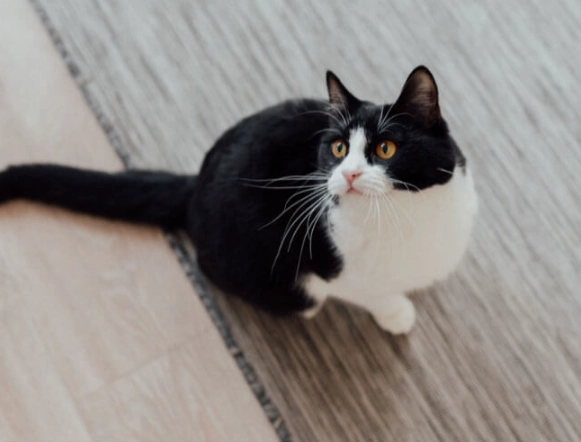
Here's a quick table to visualize the main distinctions when you're trying to figure out what's the difference between a tuxedo cat and a black and white cat:
| Feature | Tuxedo Cat (A Specific Pattern) | Generic Black & White Cat (Bicolor/Piebald) |
|---|---|---|
| Primary Pattern | A specific, formal-looking bicolor pattern. | Any distribution of black and white patches. |
| White Placement | White is typically on the chest, belly, paws, and often face. The back is solid black. | White can be anywhere: a single paw, a spot on the back, a mostly white body, etc. |
| Coat Demarcation | Usually sharp and clear lines between colors. | Can be sharp, blotchy, or even speckled. |
| Analogy | Wearing a specific suit and tie. | Wearing a two-colored sweater of any design. |
See? It starts to make sense. The tuxedo is a subset. Now, you might be wondering why some cats get this dapper pattern and others get a more random splotch. That brings us to the science part.
The "Why" Behind the White: A Dash of Feline Genetics
Don't worry, I'm not going to bore you with a complex genetics lecture. But understanding the basics makes the whole thing click. All cat coat color starts with a base color—in this case, black. The white parts aren't a color themselves; they're caused by a white spotting gene. This gene interferes with the migration of pigment cells when the kitten is just a tiny embryo. Where the pigment cells don't reach, the fur grows in white.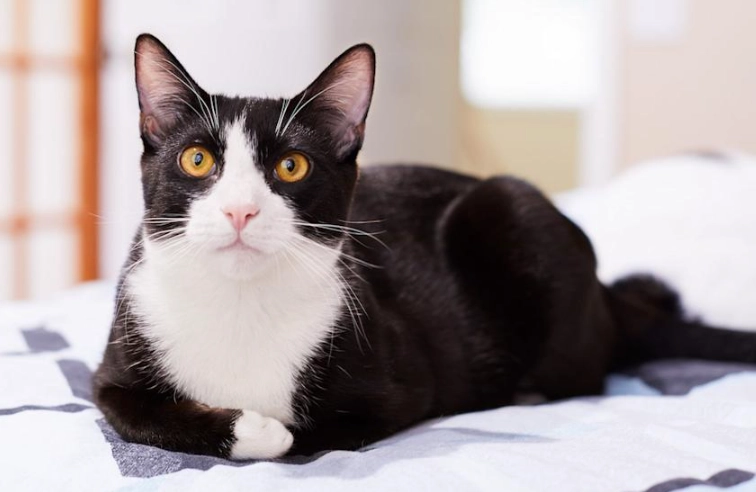
The key factor is how much this gene suppresses the pigment. It's not an on/off switch; it's more like a dimmer knob. The Cat Fanciers' Association (CFA), a major cat registry, has a scale for this. They classify bicolor cats based on the percentage of white:
- Low-grade white spotting: Just a little white, like a locket on the chest or some white on the toes. Not a tuxedo.
- Medium-grade white spotting: This is the sweet spot for the classic tuxedo pattern! White covers about 30-50% of the body, in that specific chest, belly, and paws arrangement. The pigment cells were stopped partway.
- High-grade white spotting: White covers more than 50%, sometimes almost the entire body, maybe with just a colored cap on the head and a colored tail (this is called a "cap and saddle" pattern). This is also not a tuxedo.
So, a tuxedo cat is essentially a black cat with a medium expression of the white spotting gene, resulting in that perfect, balanced suit. It's a genetic lottery ticket that pays out in cuteness. If you're a visual learner, the Cat Fanciers' Association website has great resources on color standards, though they focus on purebreds. The same principles apply to your wonderful mixed-breed house cat.
Genetics is messy, though.
That's why you'll sometimes see a cat that's almost a tuxedo, but maybe it has a single black toe on a white paw, or a tiny white smudge on its back. Nature isn't always perfect, and those cats are just as special. I'd argue they have more character.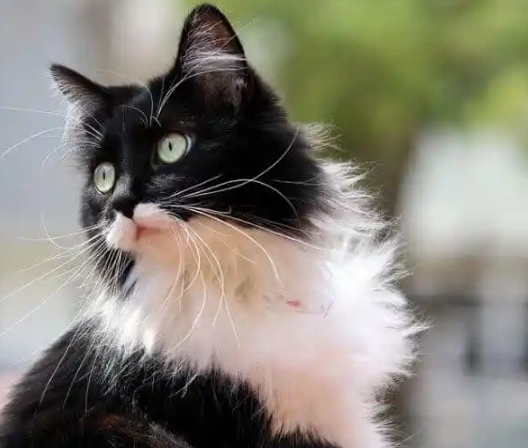
Personality: Do Tuxedo Cats Act Differently?
This is the big myth, and I need to address it head-on. You'll hear people say tuxedo cats are more intelligent, more dog-like, more talkative, or more affectionate. You'll hear similar stereotypes about orange tabbies being laid-back and tortoiseshells being sassy ("tortitude"). Let's be clear: There is no scientific evidence linking coat color or pattern to personality in cats. A cat's personality is shaped by a huge mix of genetics (breed tendencies, individual lineage), early socialization, life experiences, and just their own unique cat-ness.
However... and this is a big however... the perception is powerful. Because the tuxedo pattern is so striking and human-like (it looks like formalwear!), we humans are more likely to project certain traits onto them. We see the "suit" and think "debonair, clever, sophisticated." This creates a confirmation bias. If your tuxedo cat does something smart, you think, "Of course, he's a tuxedo!" If a non-tuxedo cat does the same thing, you might not make the same connection.
My friend's tuxedo cat, Felix, can open cabinet doors. It's impressive. But my sister's solid gray cat, Luna, learned how to use the toilet (seriously, it was a messy phase). Intelligence isn't coat-deep. That said, many tuxedo cat owners swear by their cat's unique charm. The International Cat Association (TICA) doesn't list personality by color for a reason—it's not a reliable indicator.
What Might Be True (Anecdotally)
If we move away from hard science and into the realm of collective owner experience, some fun patterns emerge. Talking to dozens of owners, a few loose themes pop up about tuxies. Remember, this isn't a rule, just a trend some people notice:
- Social Butterflies: Many owners report their tuxedo cats are highly social, both with people and other pets. They often want to be in the middle of the action.
- Vocal Communicators: A lot of tuxedo cats seem to be chatty. They might greet you at the door with a meow, chirp at birds, or have long conversations with you. Jasper certainly tells me all about his day when I get home.
- Playful and Curious: That "clever" stereotype might stem from a high degree of curiosity and problem-solving during play. They often enjoy puzzle toys.
But here's the kicker—you could find a hundred owners of non-tuxedo black and white cats who say the exact same things about their pets. The real answer to whether there's a personality difference is probably no. Love the pattern for its looks, but let your cat's individual personality shine through.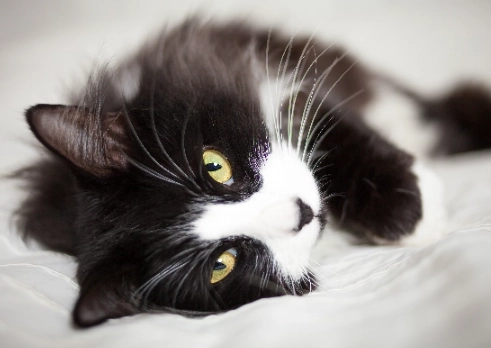
Health Considerations: Is One Pattern Healthier?
This is a crucial question that often gets overlooked in fluffy articles about cute cats. When considering what's the difference between a tuxedo cat and a black and white cat from a health perspective, the pattern itself isn't a direct cause of health issues. However, the genetics behind the white fur can be linked to one specific condition, especially in cats with a lot of white.
The main health note is about congenital sensorineural deafness. This is a genetic link between the white spotting gene (and especially the dominant white gene, which is different) and deafness, particularly in cats with blue eyes. The theory is that the same stem cells that create pigment also play a role in the inner ear's development. No pigment can sometimes mean faulty inner ear structures.
Here’s the breakdown for bicolor cats like tuxedos:
- Cats with low white (like just a spot): Very low risk of deafness related to color.
- Cats with medium white (like classic tuxedos): The risk is present but generally considered lower than in all-white or mostly-white cats with blue eyes. A tuxedo cat with normally colored (green, yellow, copper) eyes has a very low likelihood of deafness caused by this gene.
- Cats with high white and blue eyes: This is where the risk increases significantly. A study published in the Journal of the American Veterinary Medical Association found a strong correlation.
The bottom line?
If you have a classic tuxedo cat with green or gold eyes, you really don't need to worry about this specific deafness link. It's more a concern for cats that are mostly white. For any cat, regular vet checkups are what matter most. Their coat color won't predispose them to diabetes, kidney disease, or hyperthyroidism—those are based on age, diet, and genetics unrelated to the piebald pattern.
I once fostered a black and white cat with one blue eye (a condition called heterochromia) who was deaf on that side. She was the sweetest, most playful kitten and adapted perfectly. It's just something to be aware of, not something to fear.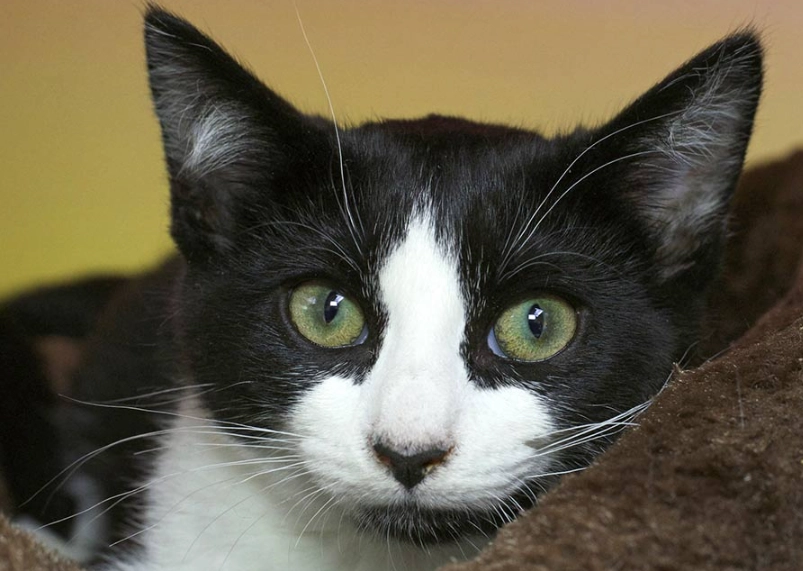
Your Questions, Answered
Let's tackle some of the most common questions that pop up after someone learns what's the difference between a tuxedo cat and a black and white cat. These are the things people really want to know.
Are all tuxedo cats male?
Nope! This is another common myth, probably confused with the genetics of calico and tortoiseshell cats (where the three-color pattern is almost always female). The genes for black color and white spotting are not sex-linked. Tuxedo cats can be male or female, roughly in a 50/50 split. My Jasper is a boy, but I've met plenty of lovely female tuxedos.
Is "tuxedo" a cat breed?
Absolutely not. This is the most important takeaway. "Tuxedo" describes a coat color and pattern, not a breed. You can find tuxedo patterns in many breeds: Maine Coon, Persian, British Shorthair, Scottish Fold, and of course, the ubiquitous Domestic Shorthair and Longhair (your standard mixed-breed cat). The breed determines size, body shape, fur length, and general breed temperament. The tuxedo pattern is just the paint job.
What are some other names for this pattern?
You might hear them called "bicolor" or "piebald" in formal settings. Some people call the specific tuxedo pattern "jacket and shirt" or even "Felix cat" after the classic cartoon character Felix the Cat, who sports a tuxedo-like look.
My cat has some orange patches with his black and white. Is he a tuxedo?
That's a fantastic combo! A cat with black, white, *and* orange is called a **caliby** (calico + tabby) or a **torbie and white** if the orange/black are blended. It's a stunning pattern, but by definition, the presence of that third color (orange) means it's not a tuxedo. Tuxedos are strictly two-color: black and white. You've got something even more unique!
Do tuxedo cats need special grooming?
No more than any other cat of their fur length. The color doesn't affect grooming needs. A long-haired tuxedo will need daily brushing to prevent mats, whether it's black, white, or both. A short-haired tuxedo like mine benefits from a weekly brush to reduce shedding. One minor note: you might see dandruff more easily on the black fur, but that's just a visual thing, not a health one.
Why are tuxedo cats so popular?
Look at them! They're walking optical illusions that look like tiny, furry gentlemen and ladies. The pattern is high-contrast, photogenic, and feels familiar and charming to us humans. They're also very common because the genetics for the pattern aren't rare. Popularity in culture helps too—think of Sylvester from Looney Tunes, the Cat in the Hat's companion, or Mr. Mistoffelees from *Cats*.
Wrapping It Up: Celebrating Your Cat, Whatever the Pattern
So, the next time someone asks you, "What's the difference between a tuxedo cat and a black and white cat?" you can tell them with confidence. It's all about the precision of the pattern. The tuxedo is that iconic, crisp look of a black jacket over a white shirtfront and spats. Other black and white cats are the wonderful, varied world of bicolor patterns—cow-cats, cap-and-saddle cats, cats with mismatched socks, and everything in between.
At the end of the day, the label matters less than the individual cat sharing your home. My tuxedo-clad Jasper is no better or worse than my neighbor's splotchy black-and-white cat, Pepper. They're both loving, mischievous, perfect companions. The differences we've talked about—genetics, potential health notes, and even those anecdotal personality traits—are just fun facts that help us understand and appreciate the amazing diversity of the feline world.
Whether your cat is wearing a full tuxedo, a casual two-tone sweater, or a solid-colored onesie, they're perfect. The real goal is to provide them with a loving, safe, and stimulating home. Now, if you'll excuse me, Jasper just knocked his toy under the couch and is giving me that "you fix this" look. Duties of a tuxedo cat owner, I suppose.