Yes, British Shorthairs can be left alone—they're often touted as independent cats. But here's the catch: that independence has limits, and pushing them can lead to stress or health issues. I've seen owners assume their British Shorthair is fine for days, only to come home to a mess or a depressed cat. Let's cut through the myths and get real about what solo time means for this breed.
What You'll Learn in This Guide
Understanding British Shorthair Temperament: Are They Really Independent?
British Shorthairs are known for their calm, easygoing nature. They originated as working cats in Britain, bred for resilience, and that shows in their personality. But independent doesn't mean solitary. Think of it more like a confident roommate who doesn't need constant attention but still enjoys your company.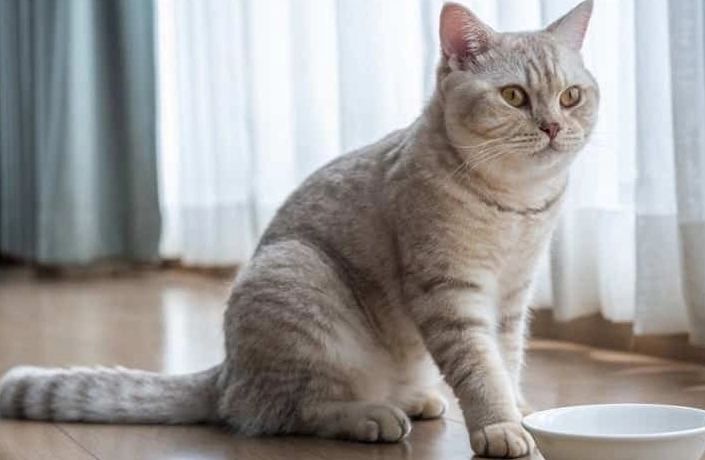
I remember my first British Shorthair, Oliver. He'd happily nap while I was at work, but if I stayed out too late, he'd greet me with a disapproving meow—not frantic, just a reminder he noticed. That's typical. These cats form strong bonds but express them quietly. According to the Cat Fanciers' Association, British Shorthairs are described as undemanding, which many misinterpret as "leave them be." Wrong. They thrive on routine and subtle interaction.
Signs Your British Shorthair Might Be Too Alone
Watch for subtle cues. If they start hiding more, overgrooming, or becoming clingy when you're home, it could be stress. It's not always separation anxiety in the dramatic sense; sometimes it's just boredom. A study from the International Cat Care notes that cats left alone for extended periods can develop behavioral issues, even in laid-back breeds.
How Long Can You Leave a British Shorthair Alone? Realistic Timeframes
This is where owners get tripped up. There's no one-size-fits-all answer, but based on my experience and vet advice, here's a breakdown.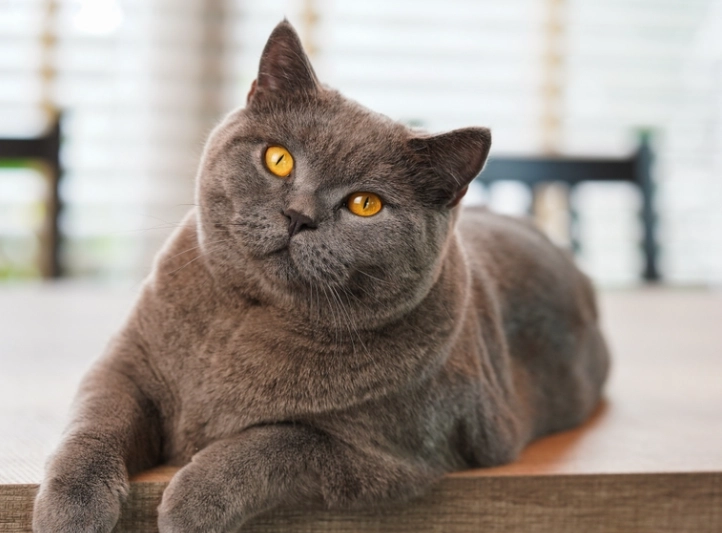
| Cat Age/Health | Maximum Recommended Alone Time | Key Considerations |
|---|---|---|
| Kittens (under 6 months) | 4 hours max | They need frequent feeding, socialization, and supervision. Leaving them longer risks developmental issues. |
| Healthy Adults (1-7 years) | 8-12 hours | This covers a typical workday. Ensure ample resources and enrichment. |
| Seniors (8+ years) or Health Issues | 4-6 hours | They may need medication, more bathroom breaks, or comfort. Regular check-ins are crucial. |
I've had clients push the 12-hour mark with adults, and it works if the cat is used to it and the home is set up right. But overnight or 24-hour stretches? That's pushing it. Cats are crepuscular—active at dawn and dusk—so leaving them alone overnight means they're awake and potentially bored during their peak hours.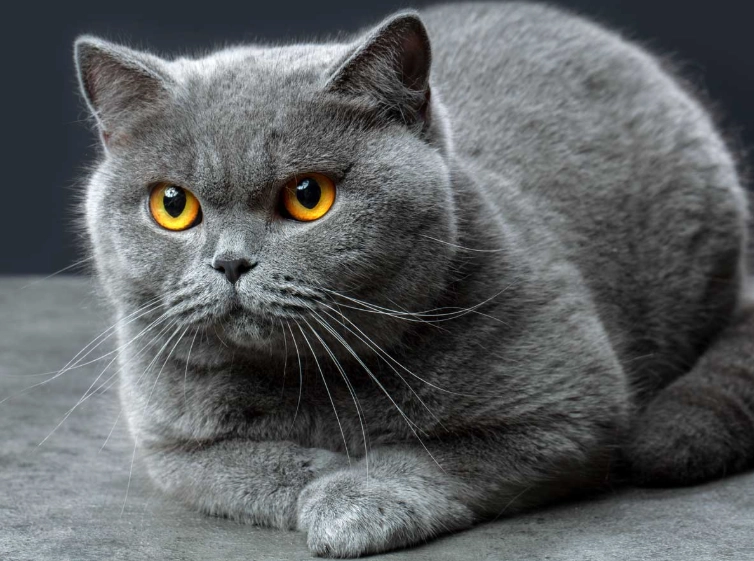
Factors That Affect Solo Time
It's not just age. Consider these:
- Personality: Some British Shorthairs are more social than others. My current cat, Bella, is fine for 10 hours; my previous one, Max, started shredding curtains after 8.
- Environment: A small apartment vs. a cat-proofed house with climbing trees makes a difference.
- Routine: Cats love predictability. Sudden long absences can disrupt them.
If you're planning a day trip, test with shorter periods first. Start with 4 hours, see how they react, and build up.
Preparing Your Home for Safe Solo Time: A Step-by-Step Checklist
Leaving your British Shorthair alone isn't just about time; it's about setup. Here's what you need, based on trial and error.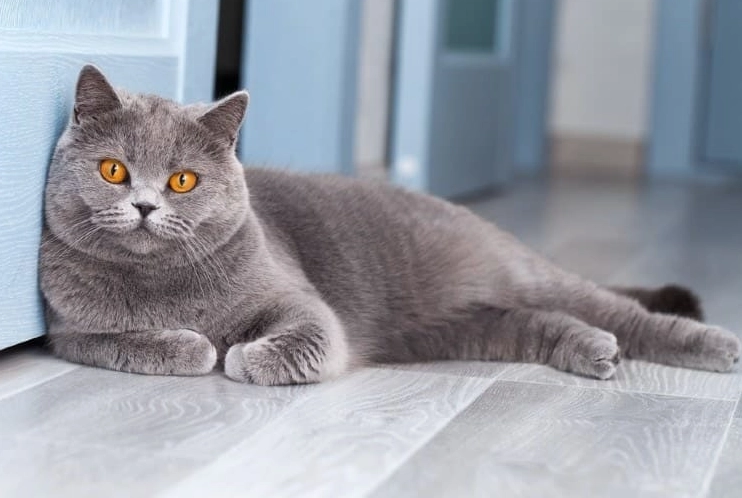
Essential Supplies Checklist: Don't skip any of these—I learned the hard way when I forgot extra water and came home to a dehydrated cat.
- Fresh Water: Multiple bowls in different rooms. Consider a fountain; cats prefer running water.
- Food: Measured portions. Avoid free-feeding if your cat tends to overeat. Use timed feeders for consistency.
- Litter Boxes: Clean them right before leaving. Rule of thumb: one per cat plus one extra. For one British Shorthair, two boxes.
- Enrichment: Toys that stimulate mentally. Puzzle feeders, treat balls, or even a window perch for bird-watching.
- Safe Space: A quiet room with their bed, away from hazards like cords or toxic plants.
Let's talk about toys. Many owners buy flashy toys, but British Shorthairs often prefer simple ones. A cardboard box or a crumpled paper ball can work wonders. I once left a puzzle feeder with treats, and Bella spent hours figuring it out—no boredom there.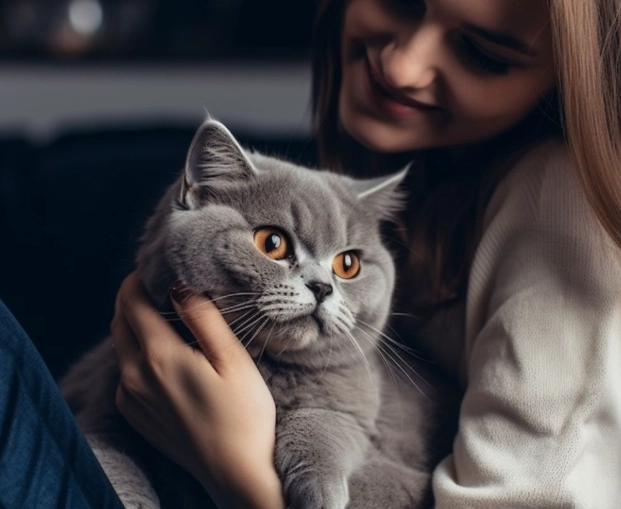
Tech Tools That Help
Pet cameras are a game-changer. I use one to check on Bella during the day. It lets me see if she's active or just sleeping. Some models even dispense treats or play sounds. But don't rely solely on tech; it's a supplement, not a replacement for proper care.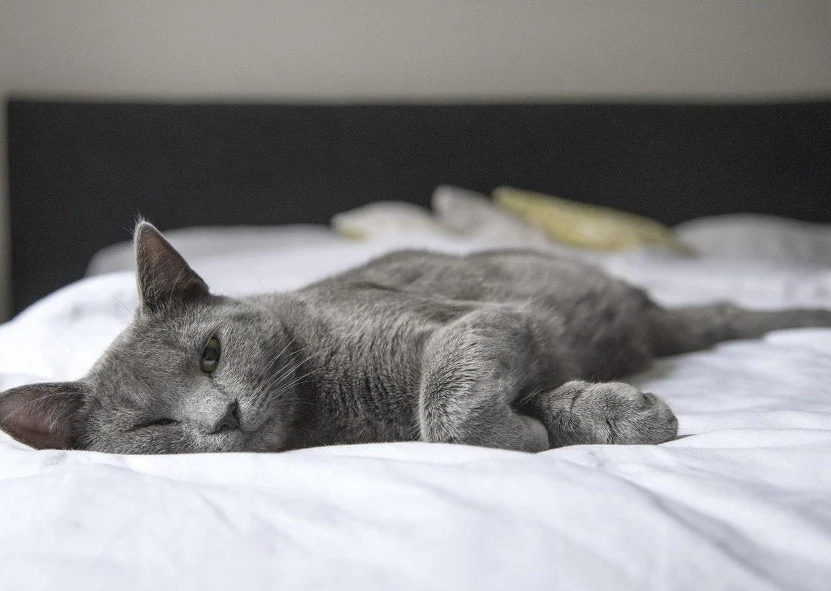
Common Mistakes When Leaving British Shorthairs Alone
Owners often make these errors, thinking they're helping. I've done a few myself.
Mistake 1: Assuming Independence Means Neglect. Just because they're calm doesn't mean they don't need interaction. I skipped playtime before leaving once, and Bella got into the trash—a clear sign of boredom.
Mistake 2: Overlooking Health Checks. Before a long day out, ensure your cat is healthy. Vomiting or lethargy could mean illness. A quick vet visit saved me from a disaster when Max had a urinary issue.
Mistake 3: Inconsistent Routine. Cats thrive on routine. If you normally work 9-5 but suddenly leave for 14 hours, it stresses them. Gradually adjust if needed.
Mistake 4: Ignoring Environmental Boredom. Rotate toys weekly. A static environment leads to disinterest. I change Bella's puzzle feeder every few days to keep her engaged.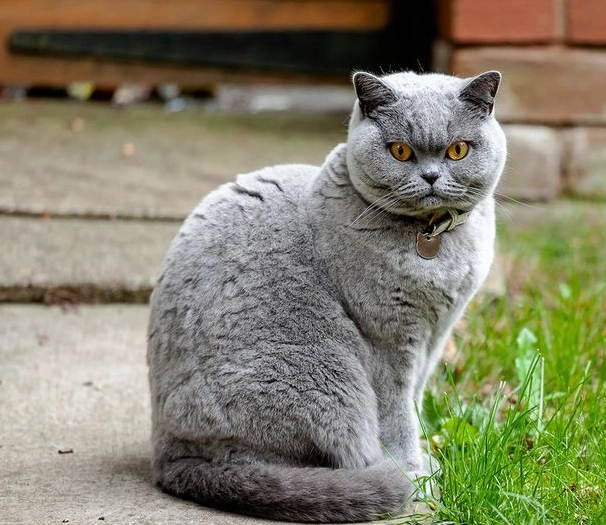
Your Questions Answered: British Shorthair Alone Time FAQ
Wrapping up, British Shorthairs are robust cats, but they're not robots. Their ability to be left alone hinges on your preparation and attention to detail. Start with short periods, observe, and adjust. Remember, a happy cat means a peaceful home when you return.