If you've stumbled upon the term "orange Abyssinian" and are scratching your head, you're not alone. I've been breeding and showing Abyssinians for over a decade, and even I get questions about this so-called orange variant. Let's cut through the confusion right away: there's no officially recognized "orange" Abyssinian in major cat registries like The International Cat Association (TICA) or the Cat Fanciers' Association (CFA). What people often call "orange" is actually the ruddy or sorrel coat color, which has warm, reddish tones that can appear orange-ish in certain light. This article dives deep into what that means, covering everything from genetics to daily care, based on my hands-on experience with these energetic cats.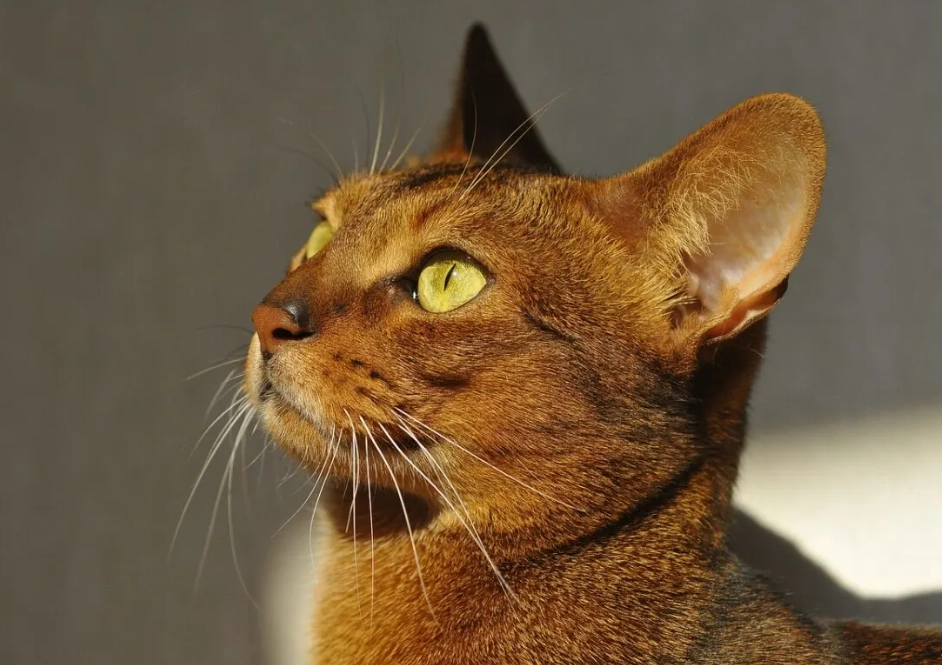
Jump to What You Need
What Exactly is an Orange Abyssinian?
The term "orange Abyssinian" is a bit of a misnomer that pops up in online forums and pet discussions. In reality, Abyssinians come in four standard colors: ruddy (often called "usual" or "tawny"), sorrel (a cinnamon-like shade), blue, and fawn. The ruddy and sorrel variants are the ones that might be described as orange due to their rich, warm hues. Ruddy Abyssinians have a burnt orange or reddish-brown base with black ticking, while sorrels have a coppery-red base with chocolate ticking. Under sunlight, these coats can glow with an orange tint, leading to the casual label.
I remember when a client brought in their "orange" Abyssinian kitten, insisting it was a rare find. After examining the cat, I explained it was a classic ruddy—still stunning, but not a separate color category. This highlights a common misconception: many owners focus too much on color names rather than understanding the breed's unique ticking pattern, where each hair has multiple bands of color. That ticking is what gives Abyssinians their wild, agouti look, reminiscent of ancient cats from Africa.
The Genetics Behind the Color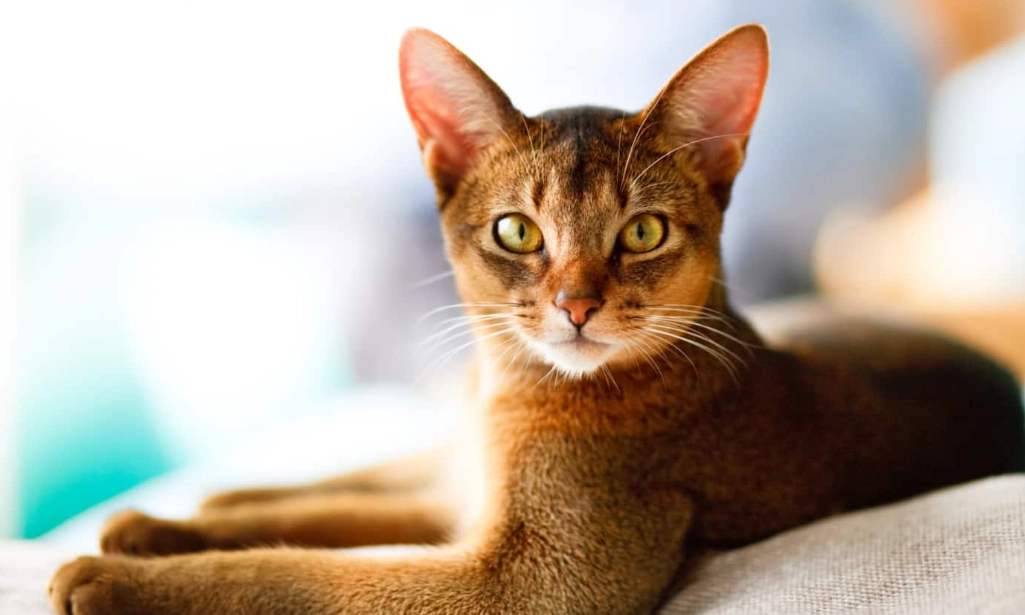
Coat color in Abyssinians is governed by specific genes. The ruddy color is dominant, linked to the black pigment gene, while sorrel results from a recessive gene that dilutes black to chocolate. There's no dedicated "orange" gene in cats like there is in some other species; what we perceive as orange stems from combinations of red and yellow pigments influenced by genetics and environment. For accurate details, I often refer to resources like the CFA's breed standard, which outlines color specifications clearly. If you're curious about genetics, a study published by the University of California, Davis on feline coat colors can shed more light, though it's a dense read.
Here's a quick table to clarify the standard Abyssinian colors and their common descriptions:
| Color Name | Appearance | Often Mistaken For |
|---|---|---|
| Ruddy | Warm reddish-brown with black ticking | Orange or tawny |
| Sorrel | Coppery-red with chocolate ticking | Cinnamon or orange-red |
| Blue | Soft blue-gray with slate ticking | Gray or silver |
| Fawn | Light beige with cream ticking | Beige or sand |
Notice how none are officially labeled orange? That's because registries stick to precise terms to avoid confusion in shows. But in everyday talk, if someone says they have an orange Abyssinian, they're likely referring to a ruddy or sorrel with intense red tones.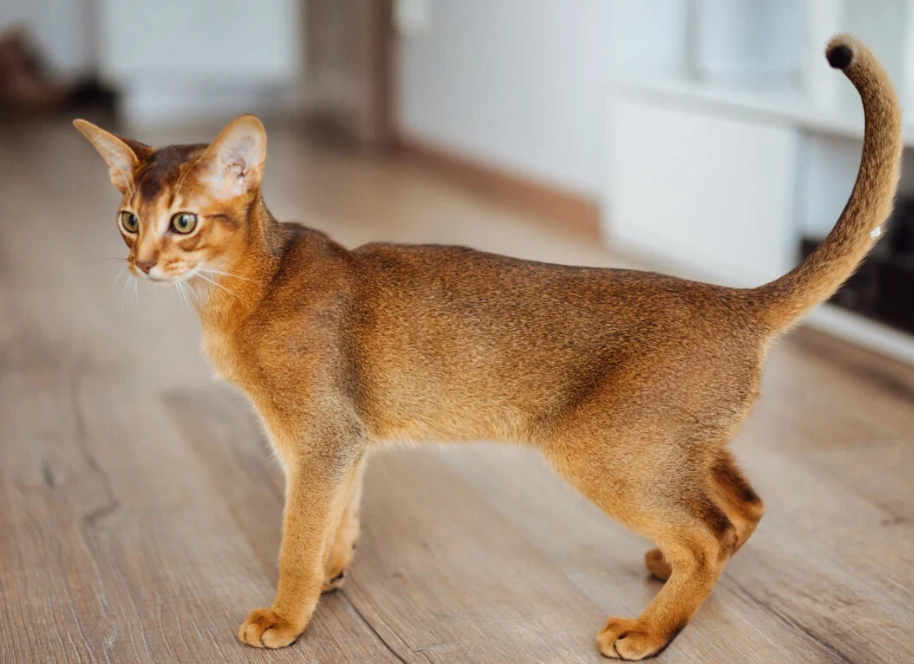
Abyssinian Cat Breed Characteristics
Beyond color, Abyssinians are known for their lively personalities and sleek builds. They typically weigh 8 to 12 pounds, with a lifespan of 12 to 15 years if well-cared for. Their bodies are muscular and medium-sized, with large ears and almond-shaped eyes that range from gold to green. But let's be real—what really defines them is their energy. These cats are like perpetual motion machines. I've had Abyssinians that would race around the house at 3 AM, knocking things over just for fun. It's endearing but exhausting if you're not prepared.
Their temperament is often described as dog-like: they're social, curious, and bond closely with their humans. They hate being left alone for long periods. I recall one Abyssinian named Leo who would follow me from room to room, chirping to get attention. They're not lap cats in the traditional sense; they prefer to be involved in your activities, whether it's cooking or working on a laptop. This intelligence means they need mental stimulation, or they'll get bored and destructive. I've seen owners make the mistake of treating them like low-maintenance pets, only to find shredded curtains later.
Personality and Temperament Deep Dive
Abyssinians thrive on interaction. They're vocal but not overly loud—more like soft chirps and trills. They're great with kids and other pets if socialized early, but their high energy can overwhelm timid animals. One nuance many miss: Abyssinians can be sensitive to changes in routine. Moving houses or a new work schedule might stress them out, leading to hiding or decreased appetite. I advise owners to introduce changes gradually, using pheromone diffusers if needed. It's a small tip that's often overlooked in generic care guides.
Caring for Your Orange Abyssinian
Owning an Abyssinian is a commitment to active care. Their short, fine coat is easy to groom—a weekly brush with a soft bristle brush is enough to reduce shedding and distribute skin oils. But grooming is the easy part. The real challenge is meeting their exercise needs. These cats need at least 30 to 60 minutes of interactive play daily. Think feather wands, laser pointers (used safely to avoid frustration), and puzzle feeders. I've set up obstacle courses for my cats using cardboard boxes and tunnels; it keeps them engaged and burns off that boundless energy.
Diet is another critical area. Abyssinians have fast metabolisms, so they require high-protein, high-quality food. I recommend feeding a mix of wet and dry food to ensure hydration and dental health. Avoid cheap fillers like corn or wheat, which can lead to obesity or allergies. Portion control is key—I've seen too many Abyssinians become overweight because owners free-feed without monitoring. A good rule: consult your vet for a tailored plan based on age and activity level. For authoritative guidance, the American Association of Feline Practitioners offers resources on feline nutrition.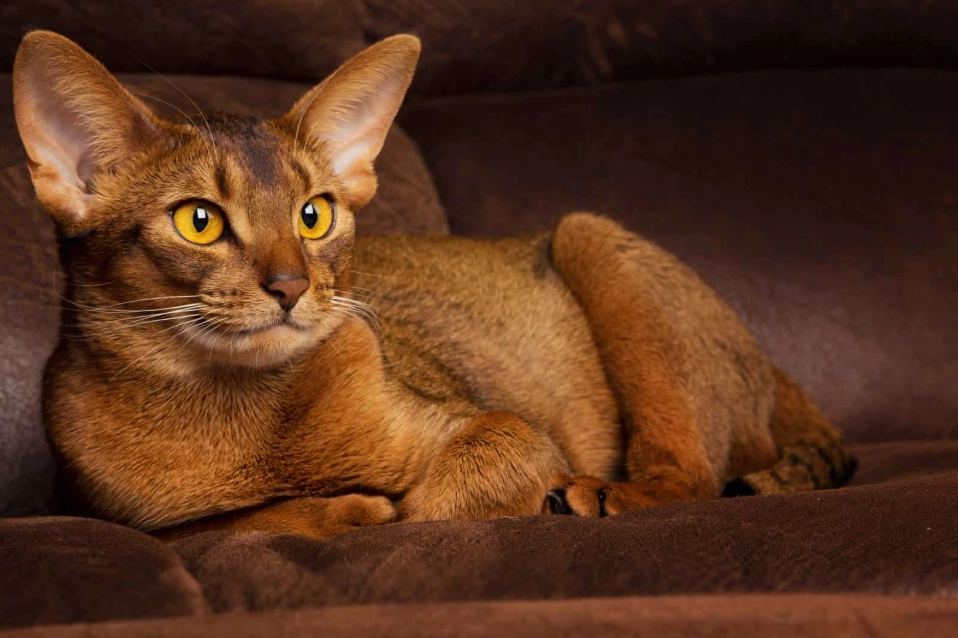
Diet and Nutrition specifics
Aim for food with at least 40% protein from animal sources. Look for brands that list meat as the first ingredient. Since Abyssinians are prone to dental issues, incorporating dental treats or kibble designed for tartar control can help. I personally use a combination of commercial raw food and premium dry kibble, but it's not for everyone—always transition diets slowly to avoid stomach upset.
Exercise and Enrichment Ideas
Without enough stimulation, Abyssinians will find their own fun, and you might not like it. Rotate toys weekly to prevent boredom. Consider cat trees near windows for bird-watching. I've even trained mine to walk on a harness for outdoor exploration, but start slow and indoors. One mistake: don't rely solely on automated toys. Human interaction is crucial for their social well-being.
Common Health Issues to Watch For
Abyssinians are generally healthy, but they have predispositions to certain conditions. The big ones include gingivitis and periodontal disease—their teeth need regular check-ups. I brush my cats' teeth weekly with feline toothpaste, and it's made a huge difference. Another concern is renal amyloidosis, a kidney disorder that can appear in middle age. Symptoms include increased thirst and weight loss. Regular vet visits with blood work are essential for early detection.
Patellar luxation (knee dislocation) is also seen in the breed. It's often hereditary, so if you're getting a kitten, ask the breeder for health clearances. I've dealt with this in one of my Abyssinians; surgery was needed, but recovery was smooth with proper care. Don't skip pet insurance—it saved me thousands. For reliable health info, the Cornell Feline Health Center provides detailed articles on these conditions.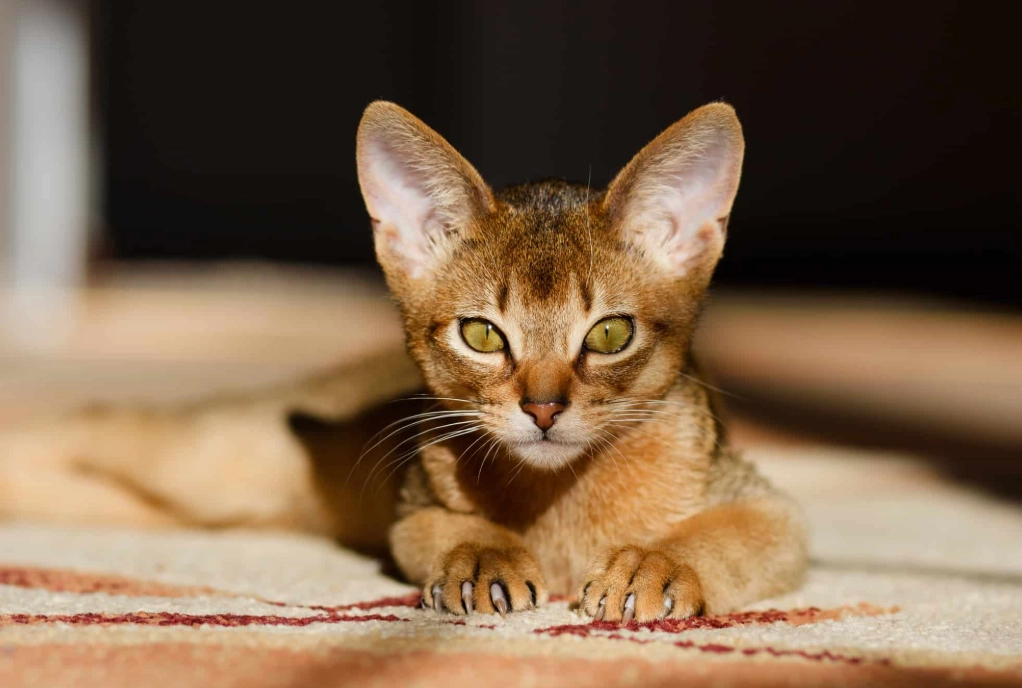
Here's a quick health checklist for Abyssinian owners:
Annual vet exams with dental checks.
Monitor water intake for kidney health signs.
Keep vaccinations up-to-date, especially if they go outdoors.
Watch for limping or reluctance to jump, which could indicate joint issues.
FAQ: Your Burning Questions Answered
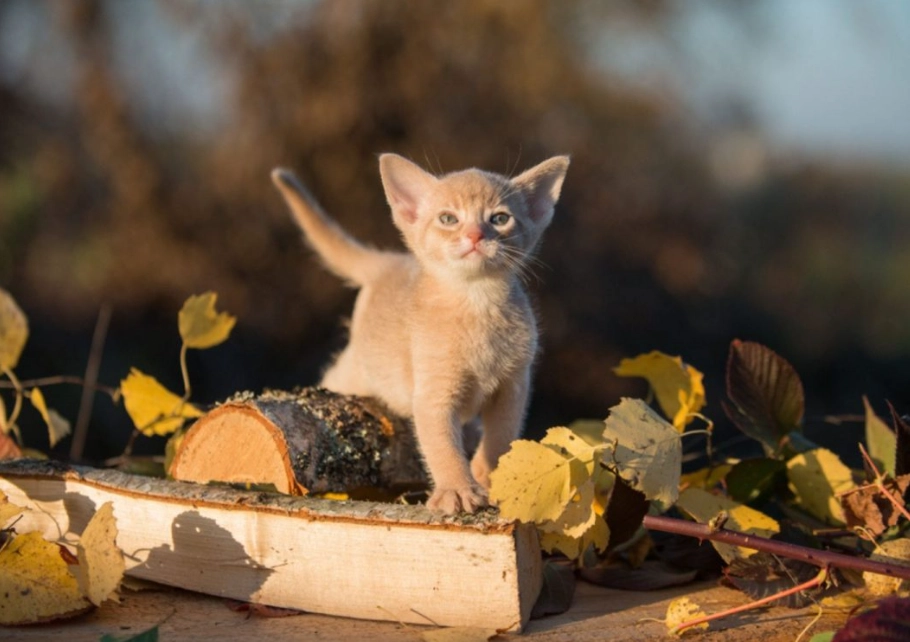 Wrapping up, the term "orange Abyssinian" is more about colloquial description than breed standards. Whether ruddy or sorrel, these cats are a joy for active households. They demand time and engagement, but the payoff is a loyal, entertaining companion. If you're considering one, focus on their needs beyond color—their health, personality, and your lifestyle fit matter most. For further reading, check out The International Cat Association's breed profile or connect with Abyssinian clubs online. Happy cat parenting!