Let's cut to the chase. You're here because you've seen your tuxedo cat do something oddly perceptive, or you're considering adopting one and keep hearing they're clever. The short answer is, yes, many tuxedo cats exhibit signs of high intelligence, but it's not a universal rule written in their black-and-white fur. Their "smarts" are more about a combination of personality traits, observational learning, and often, a dash of charming stubbornness that owners mistake for genius. I've lived with cats for over a decade, and my tuxedo, Oliver, has taught me that feline intelligence is less about solving complex puzzles and more about mastering the art of getting what they want.
What's Inside?
What Even Is a Tuxedo Cat?
First, a crucial clarification. "Tuxedo" isn't a breed. It's a striking bicolor coat pattern, primarily black with white patches on the chest, paws, and sometimes face, resembling a formal suit. This pattern can appear in many breeds and moggies (domestic shorthairs/longhairs). According to the Cat Fanciers' Association (CFA), this specific piebald patterning is governed by genetics. So when we talk about tuxedo cat intelligence, we're discussing a large, diverse group of individuals, not a single breed with a standardized temperament.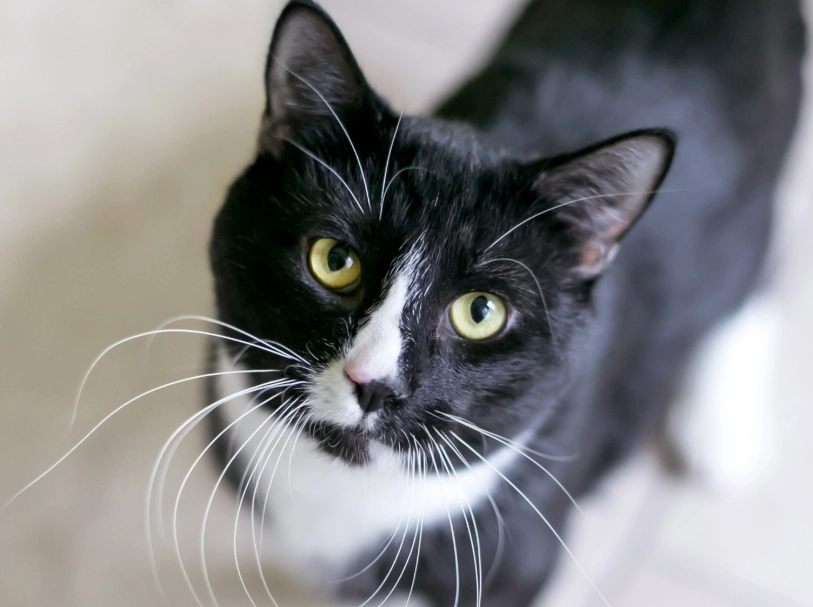
The Science of Cat Smarts: It's Not Just One Thing
Defining intelligence in cats is tricky. Researchers look at several areas:
- Problem-Solving: Figuring out how to open a door, cabinet, or puzzle feeder.
- Memory & Learning: Remembering the sound of the treat jar, the location of a hidden toy, or trained cues.
- Social Intelligence: Reading human emotions, manipulating owners with specific meows (a study in Animal Cognition suggests some cats develop a "solicitation purr" to get attention), and understanding social dynamics with other pets.
- Adaptability: Adjusting to new environments, people, or routines.
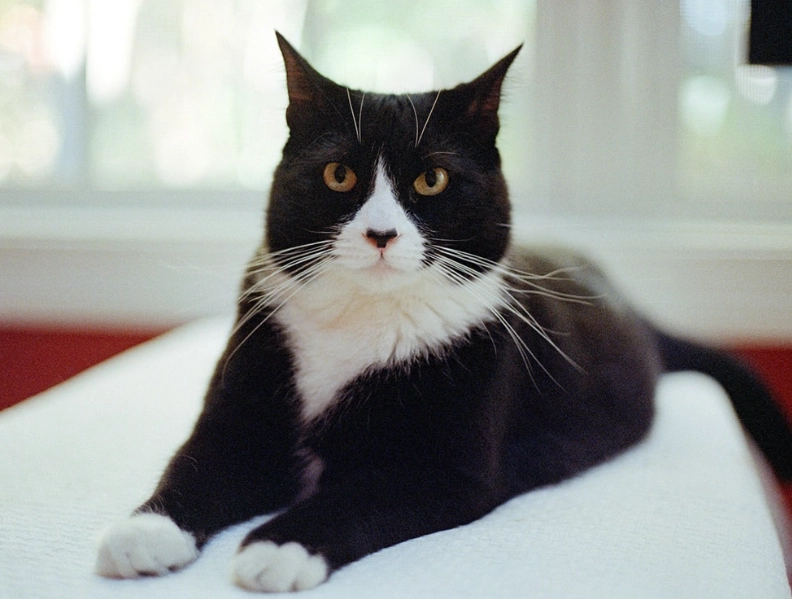
There's no conclusive scientific evidence linking the bicolor gene directly to enhanced cognitive function. However, anecdotal evidence from countless owners and some behavioral observations suggest that many tuxedo cats score high in social intelligence and observational learning. They're often described as "dog-like" in their attachment and interaction.
How Tuxedo Cats Show Their Intelligence: The Tell-Tale Signs
Forget vague claims. Here are specific, observable behaviors that signal a clever cat, commonly reported in tuxedo owners.
| Sign of Intelligence | What It Looks Like | Is This a Tuxedo Thing? |
|---|---|---|
| Master Manipulators | They don't just meow. They use a specific, often plaintive cry for food, a different chirp for play, and learn which sounds make you get up. They make eye contact and lead you to what they want. | Highly common in reports. Their social acuity seems pronounced. |
| Puzzle Pros | They don't give up on a puzzle feeder after 30 seconds. They'll bat, flip, and slide components until the treats fall out, often faster than you expect. | Common, but depends on individual motivation (usually food!). |
| Escape Artists | Learning to open lever-style door handles, slide screen doors, or unlatch crates. This is pure problem-solving. | Frequently reported. Requires patience and paw-eye coordination. |
| Mimicry & Observation | Watching you turn a doorknob and then trying the same motion with their paws. Learning tricks by watching another pet get rewarded. | Anecdotally strong. They are often keen observers of their human "staff." |
| Emotional Tuning | Coming to comfort you when you're sad or stressed, seemingly sensing your mood. This is advanced social intelligence. | This is a huge part of the "tuxedo cat smart" legend. Many owners swear by it. |
My Oliver falls squarely into the "Master Manipulator" category. He has a specific, loud trill he uses only at 5:55 AM, precisely five minutes before his automatic feeder goes off, just in case I'm awake and might offer a pre-breakfast snack. He didn't learn this by trial and error with me; he learned the schedule of the machine and devised a strategy to potentially improve his odds. That's not just hunger; that's tactical thinking.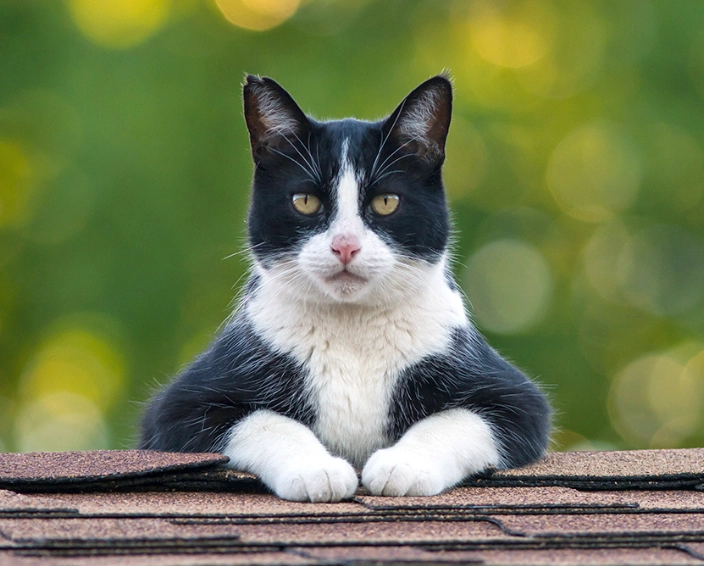
The Stubbornness vs. Intelligence Trap
Here's a non-consensus point from years of observation: people often confuse stubbornness with intelligence. A cat that ignores your call isn't necessarily dumb; it might be intelligently prioritizing its current activity (sunbathing, bird-watching) over your command. Tuxedo cats, with their reputed strong wills, excel at this. This selective "deafness" is a cognitive choice, not a lack of understanding.
How to Test and Nurture Your Cat's Smarts
Think your tuxedo is clever? Here are ways to challenge and engage their brain. A bored smart cat is a cat that invents its own (often destructive) fun.
DIY Intelligence Tests
The Cup Test: Place a treat under one of three identical opaque cups while your cat watches. Shuffle them slowly. A cat with good object permanence and memory will go directly to the correct cup or sniff it out decisively.
The Towel Puzzle: Hide a favorite toy or treat under a flat towel or blanket. A problem-solver will immediately start digging or pulling at the towel. A less motivated cat might just stare at you.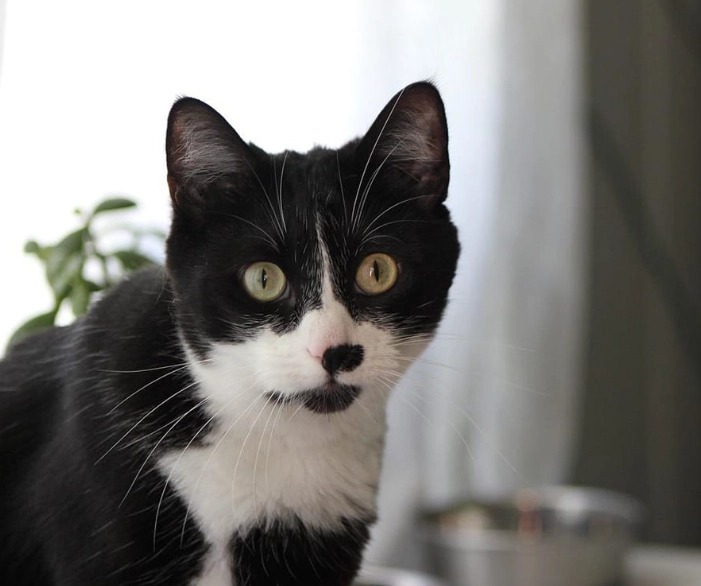
Training That Actually Works
Yes, you can train cats. Clicker training is brilliant for smart cats. Start simple: Targeting: Teach them to touch their nose to a stick or your finger for a click and treat. This is the foundation for many other tricks.
High-Five: Builds on targeting. Hold a treat in your closed hand near their paw. When they paw at it, click/treat. Gradually shape the motion.
The key is short, positive sessions. Two minutes, max. Tuxedo cats often take to this if they're food-motivated.
Environmental Enrichment is Non-Negotiable
Smart cats need jobs. This isn't optional; it's critical for preventing behavioral issues like anxiety or aggression. Food Puzzles: From simple ball dispensers to multi-level boards. Make them work for at least one meal a day.
Vertical Space: Cat trees, wall shelves, window perches. Observing the world from above is mentally stimulating.
Novelty: Rotate toys weekly. A cardboard box one week, a crinkly tunnel the next. A bored cat is rarely a smart cat.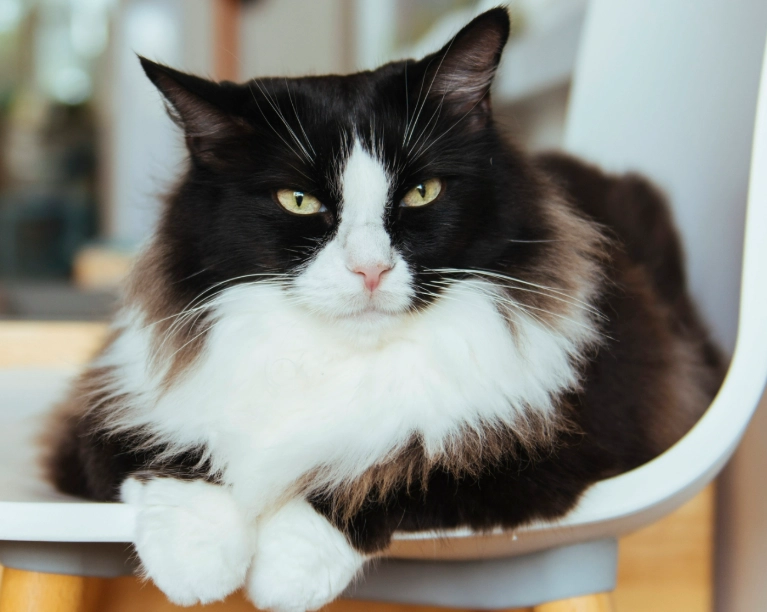
Real Stories from Tuxedo Cat Owners
Let's move beyond theory. Here's what it looks like in practice.
Case 1: The Problem-Solver. Sarah's tuxedo cat, Felix, learned to open the pantry door with a pull handle. He didn't just yank it randomly. He watched her do it, then jumped up, wrapped his paws around the handle, and leaned back with his body weight. His goal? The bag of cat treats on the second shelf. He taught his feline sister how to do it within a month. That's intelligence and knowledge transfer.
Case 2: The Social Strategist. Mark's tuxedo, Luna, is less of a physical puzzler and more of an emotional genius. When Mark is working on a tight deadline and stressed, Luna will consistently jump onto his desk, lie across his keyboard, and purr loudly until he takes a break to pet her. She doesn't do this during normal work hours. She's connecting cause (human stress signals) with her intended effect (forcing a calming interaction). That's profound social awareness.
My Oliver's party trick is turning on the tap in the bathroom for a drink of running water. He saw me do it once. Now he leaps to the counter, stands on his hind legs, and slaps the lever with both paws until it flips. Is it smart? Absolutely. Is it annoying at 3 AM when I hear water running? You bet.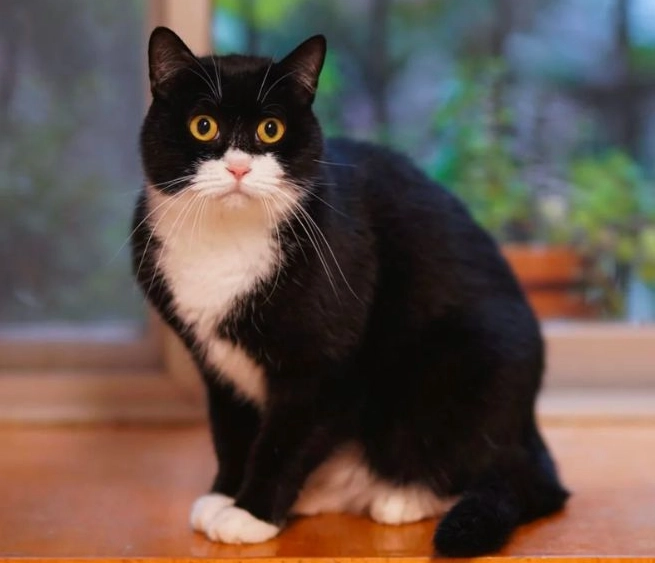
Your Burning Questions Answered
So, are tuxedo cats smart? Many are, displaying remarkable problem-solving skills and social cunning. But their intelligence isn't magic—it's a mix of genetics, individual personality, and, most importantly, the environment and engagement you provide. The real question isn't "Is my tuxedo cat smart?" but "How can I provide the right challenges for this clever mind?" Do that, and you'll unlock a wonderfully rewarding relationship with your sharp-dressed feline friend.