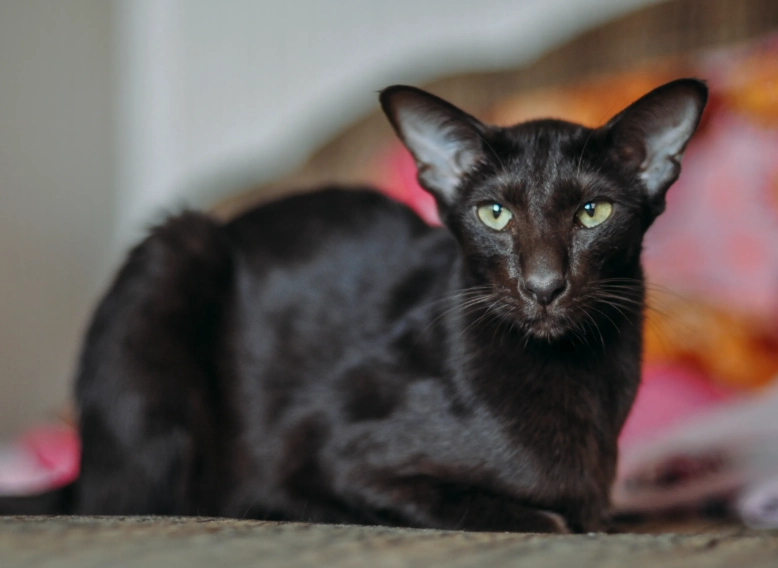
If you're staring at a photo of a sleek, panther-like Bombay cat and wondering if this stunning creature could be your next perfect housemate, you're asking the right question. The short, honest answer is a resounding yes, for the right person. But the internet is full of fluffy generalizations. Having shared my home with a Bombay named Onyx for over eight years, I've learned the beautiful and sometimes challenging truths that breed summaries often gloss over. This isn't just another list of traits; it's a deep dive into what living with a Bombay cat is actually like, day in and day out.
What You'll Find Inside
The Bombay Personality: More Than Just "Friendly"
Everyone says Bombays are affectionate. That's like saying the ocean is wet—true, but it misses the depth. Calling them "dog-like" is closer, but still not quite right. They're more like a cross between a shadow, a comedian, and a heat-seeking missile for your lap.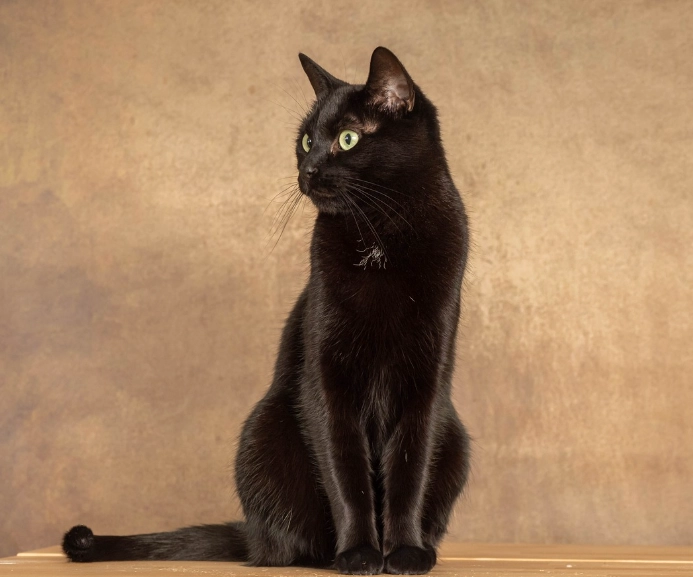
Their need for companionship isn't a preference; it's a core requirement. Onyx doesn't just like being in the same room; he needs to be involved. Working from home? Expect a warm weight on your keyboard. Reading a book? That book is now a cat bed. This isn't aloof independence; it's Velcro-cat syndrome in its most charming form.
Here's the nuance most sites miss: this intense bonding can tip into separation anxiety if they're left alone for long, regular stretches. A bored, lonely Bombay isn't just sad—they can become destructive or vocal. It's a crucial consideration often buried under cute descriptions.
And the voice. Oh, the voice. They're not yowlers, but they have a distinctive, low-pitched chirp and meow they use for conversation. You'll find yourself talking back. They're intelligent and curious, often figuring out puzzle feeders or cabinet latches with frustrating ease.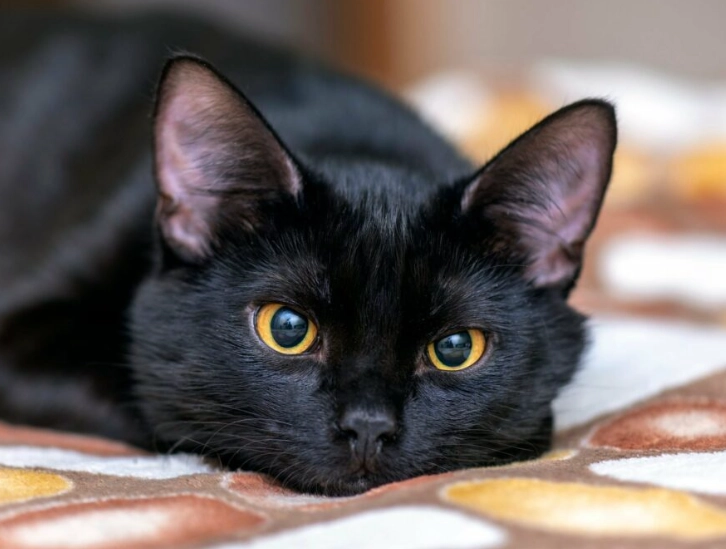
How to Care for a Bombay Cat (Beyond the Basics)
Caring for a Bombay is straightforward, but a few areas demand extra attention. Think of it as premium fuel for a high-performance engine.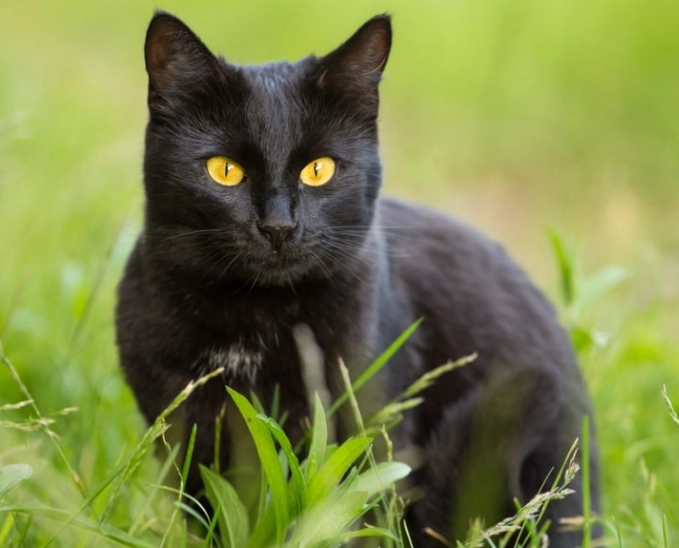
Diet and Nutrition: Keeping That Sleek Figure
That muscular, compact body can easily become overweight if free-fed. Bombays love their food. I learned this the hard way when Onyx ballooned to 14 pounds after I left a gravity feeder out. Your vet will give you a target weight, but the key is measured meals, not an all-you-can-eat buffet. High-protein, quality wet or dry food is best. Some owners report sensitive stomachs, so introducing new food slowly is wise.
Grooming That "Patent Leather" Coat
The good news: their short, fine coat doesn't mat. The better news: they love being brushed. A weekly once-over with a rubber grooming mitt or soft bristle brush is more of a bonding ritual than a chore. It removes loose hair and distributes skin oils, keeping that black coat shining like obsidian. You'll notice less hair on your furniture than with many breeds.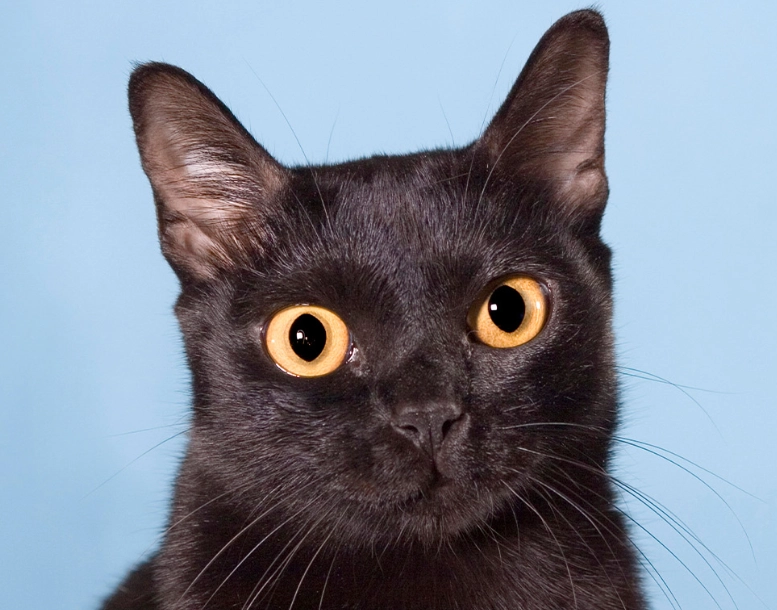
Exercise and Mental Stimulation: Non-Negotiable
This is the big one. A physically and mentally under-stimulated Bombay is a problem waiting to happen. They need daily interactive play. Think 15-20 minutes, twice a day, with wand toys, laser pointers (with a physical reward at the end), or fetch. Cat trees near windows, puzzle feeders, and even leash training (some take to it remarkably well) are excellent outlets. The Cat Fanciers' Association breed profile notes their playful nature, but understates how essential this is for household harmony.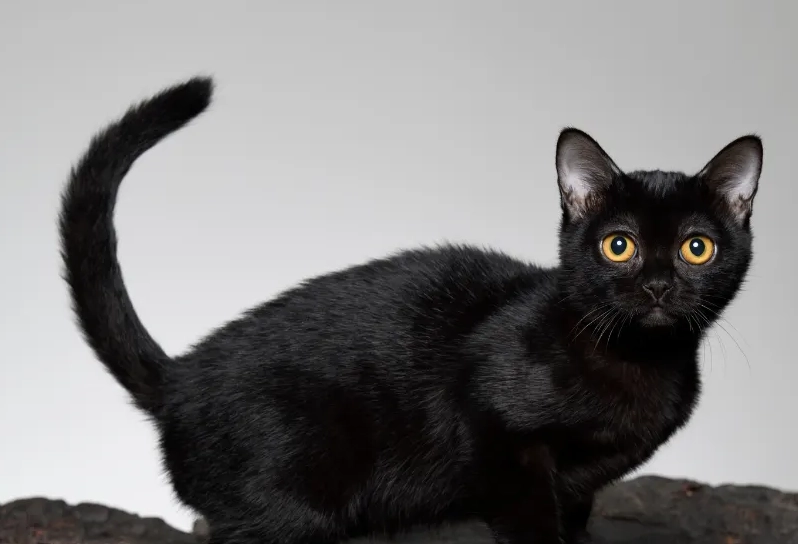
Is Your Home the Perfect Fit for a Bombay?
Let's match lifestyle to cat. A Bombay isn't a one-size-fits-all pet.
The Ideal Bombay Household:
- People who are home a lot: Retirees, work-from-home professionals, or families with someone usually around. They thrive on presence.
- Apartment and condo dwellers: Their moderate energy and indoor nature make them superb for smaller spaces. They don't need a backyard, just a loving interior.
- Families with respectful children: They are typically patient and enjoy gentle attention. Always supervise young kids, as with any pet.
- First-time cat owners seeking a bond: If you want a cat that will unequivocally feel like "your" companion, a Bombay delivers.
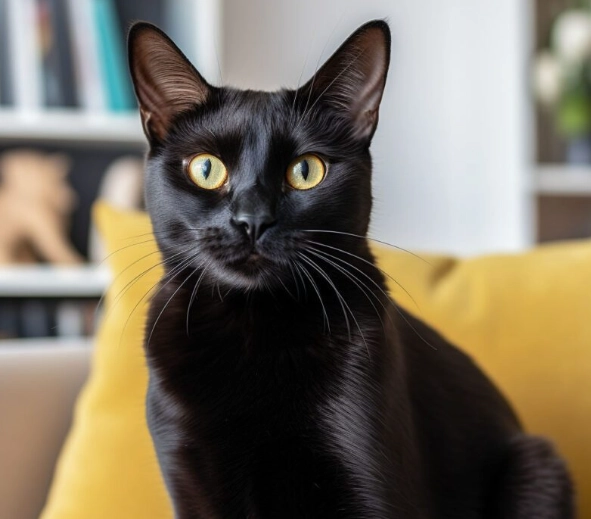
Households That Might Struggle:
- Those who travel frequently or work long hours outside the home: Unless you have another pet for company or a dedicated cat-sitter, a Bombay will likely be stressed.
- Anyone wanting a completely hands-off, independent cat: If you admire cats for their aloof mystery, look elsewhere. A Bombay will be in your business.
- Extremely quiet, sterile environments: They bring a gentle, playful chaos. They might knock a pen off the desk just to watch you react.
Another point: other pets. Bombays often do well with cat-friendly dogs and other cats, especially if raised together. Their social nature can make them excellent buddies, but introductions must be slow and proper.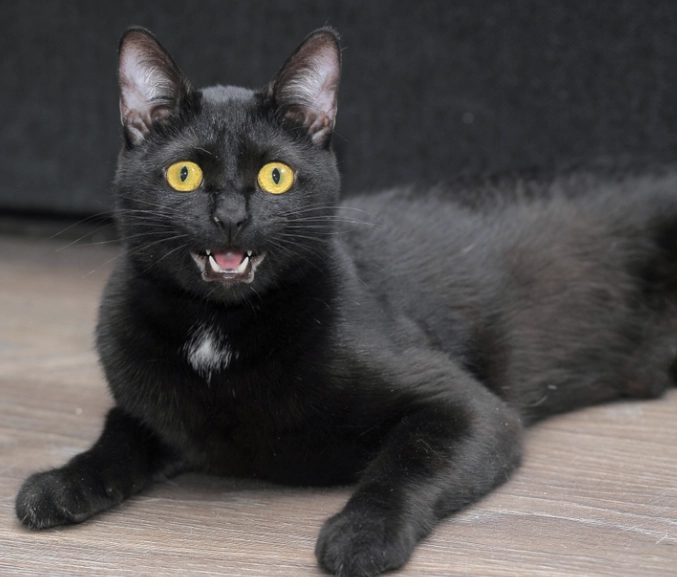
Your Bombay Cat Questions, Honestly Answered
So, is a Bombay cat a good house cat? For the person who craves a deeply affectionate, communicative, and engaging companion, the answer is an emphatic yes. They are not background pets; they are co-pilots of your daily life. They demand your time and attention and repay it with a level of devotion that redefines the human-cat bond. Just be sure you're signing up for the reality—the shadow, the chatter, the need for play—and not just the fantasy of a beautiful black cat on your couch. If you are, you might just find your perfect housemate.