In This Guide
- The "M" Mark and Other Telltale Signs: What Makes a Tabby a Tabby
- The Four Flavors of Tabby: Classic, Mackerel, Spotted, and Ticked
- Where "Regular Cat" Fits Into All This
- Personality and Behavior: Is There a Tabby Trait?
- Health and Care: Does Pattern Matter?
- History and Genetics: Why Are Tabby Cats Everywhere?
- Your Tabby Questions, Answered
- Final Thoughts: Embracing the Tabby
So you're wondering about the difference between a tabby cat and a regular cat. I get this question all the time from friends who are new to the cat world. Honestly, it's one of the most common mix-ups out there. The short answer? It's a trick question. Asking what is the difference between a tabby cat and a regular cat is like asking about the difference between a brunette person and a regular person. One describes a very specific, common look, and the other is a broad, almost meaningless category.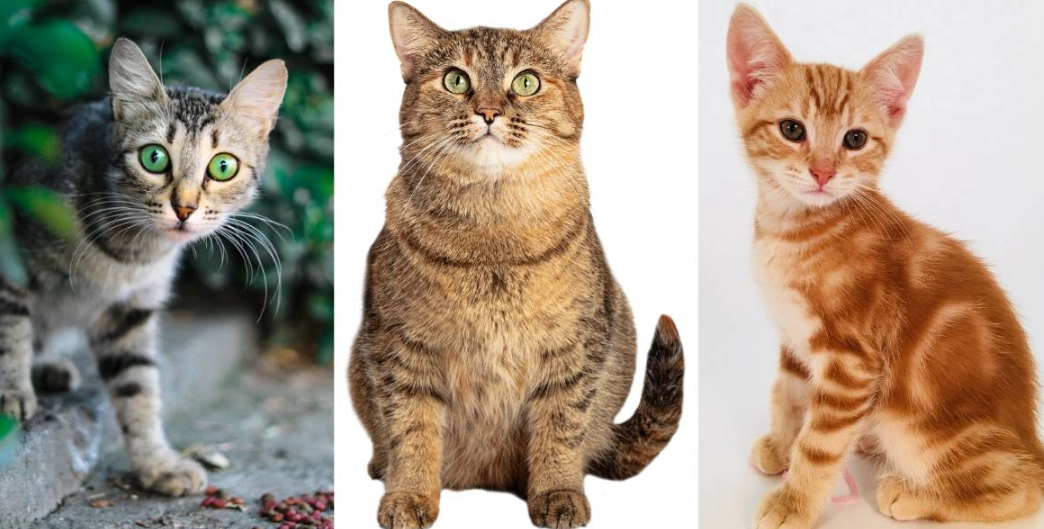
Let's clear this up right from the start. "Tabby" isn't a breed of cat. Not at all. It's a coat pattern. A beautiful, ancient, and incredibly diverse coat pattern that shows up in a huge number of cats, both purebred and mixed-breed (what some might casually call "regular" cats). When people ask me to explain the difference between a tabby and a cat, they're usually operating under a misunderstanding. They think "tabby" is a type of cat, like Siamese or Persian. It's not.
The Big Myth: The biggest misconception is that "tabby" is a breed. This is 100% false. This fundamental mix-up is why the question "what is the difference between a tabby cat and a regular cat?" can be so confusing to answer. You're comparing a pattern to an entire species.
Think of it this way. All cats are just... cats. The term "regular cat" usually refers to a domestic shorthair or domestic longhair—a wonderful mix of many breeds, essentially a feline mutt. A tabby is a description that can apply to both these mixed-breed cats AND to specific purebred cats like Maine Coons, Abyssinians, or British Shorthairs. An Abyssinian is almost always a ticked tabby, for instance. So the real distinction isn't tabby vs. regular. It's about understanding what a tabby pattern is and how it fits into the wider world of cats.
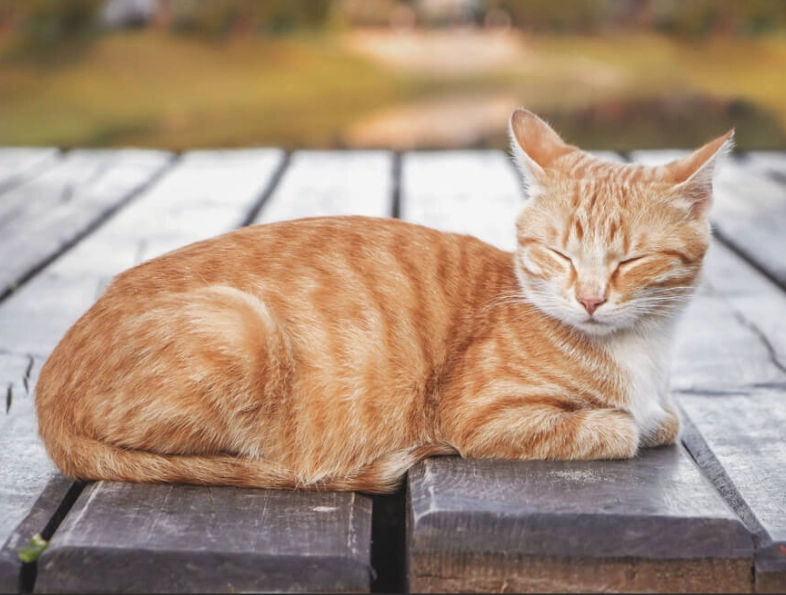
I remember when I first got my cat, Leo. The shelter said he was an "orange tabby." I spent weeks wondering what breed my "tabby" was before a more experienced cat friend laughed and set me straight. Leo was just a gorgeous domestic shorthair with a classic tabby pattern. No special breed, but incredibly special to me.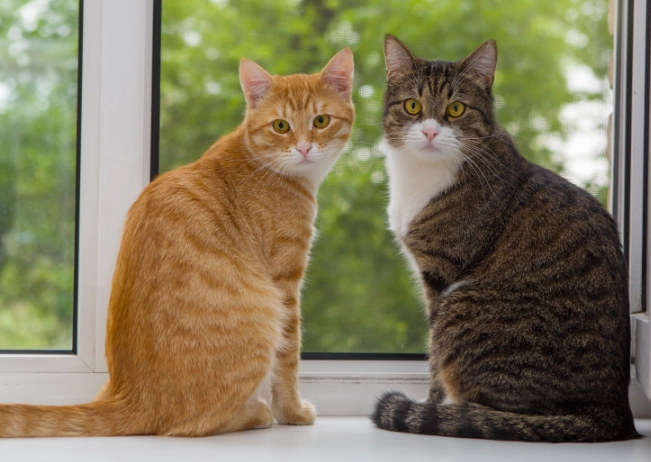
The "M" Mark and Other Telltale Signs: What Makes a Tabby a Tabby
Forget breed for a minute. Let's talk about the signature look. Tabby cats have a set of distinct markings controlled by specific genes. The most famous? The "M" on the forehead. That iconic mark is the universal sign of a tabby. It's like nature's stamp. Legends say it stands for "Mau" (the ancient Egyptian word for cat) or was placed by the Virgin Mary, but biologically, it's just part of the pattern.
But there's more to it than just the M. Look closely at a tabby's coat. You'll see:
- Stripes (of some kind): These are the core of the pattern—lines, swirls, or spots.
- Pencil lines on the face: Delicate lines running from the eyes and across the cheeks.
- Necklaces: Broken or continuous stripes (like necklaces) on the chest.
- Bands on legs and tail: Rings of darker color circling the legs and tail.
- Agouti hair: This is the secret sauce. Each individual hair is banded with light and dark colors, giving the coat a subtle, speckled background. Even on a "solid" looking area, you might see this up close.
So, a cat with these features is a tabby. It's that simple and that complex.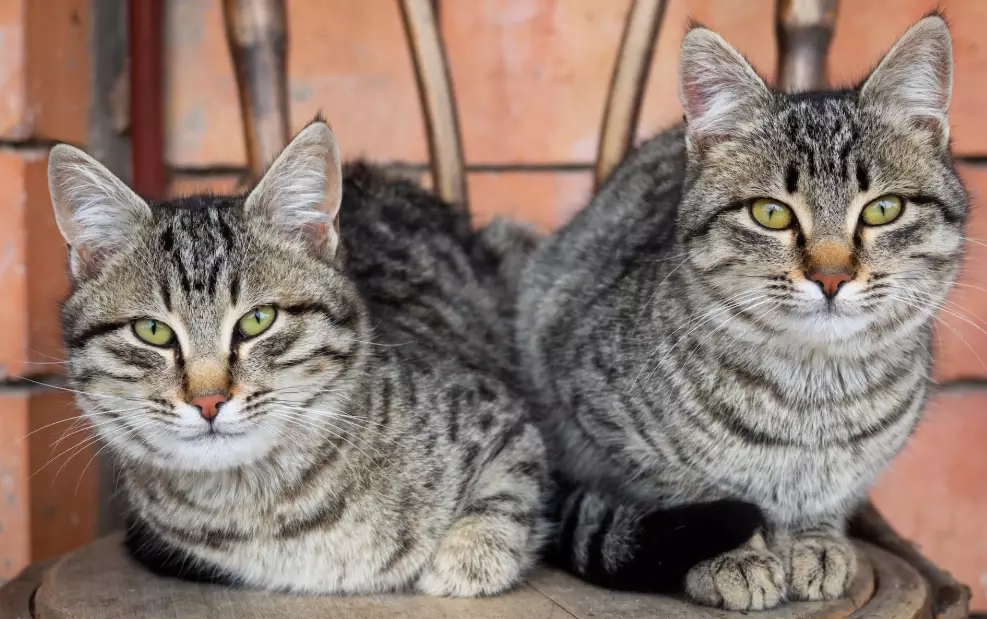
The Four Flavors of Tabby: Classic, Mackerel, Spotted, and Ticked
Not all tabbies look the same. Far from it. The pattern comes in four main types, and understanding these really helps clarify the whole picture. It's not just one look.
| Pattern Name | What It Looks Like | Common Nicknames / Notes |
|---|---|---|
| Classic (or Blotched) | Bold, swirling patterns on the sides that often look like marble cake or bullseyes. Thick, dark bands on legs and tail. | The "marbled" tabby. Very common in many domestic mixed-breed cats. This is what my cat Leo has. |
| Mackerel | Narrow, vertical stripes running down the sides from the spine, resembling fish bones. A striped tail and legs. | The "tiger-striped" cat. This is probably the pattern most people immediately picture when they hear "tabby." |
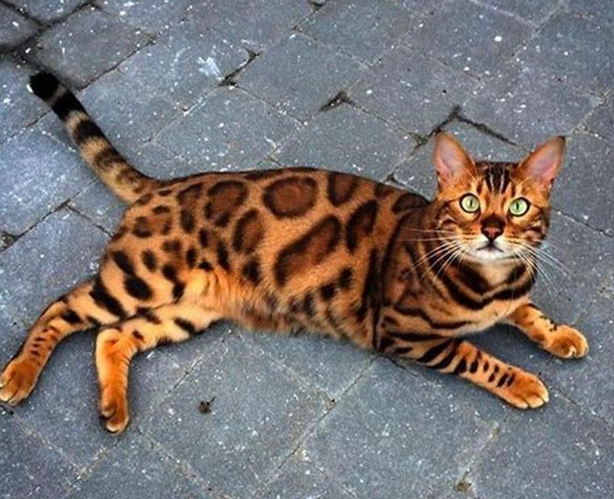
| Spotted | Oval or round spots of various sizes scattered across the body, rather than connected stripes. | Can occur naturally in mixed-breeds, but is famously seen in breeds like the Ocicat or Bengal. Sometimes a broken mackerel pattern can look spotted. |
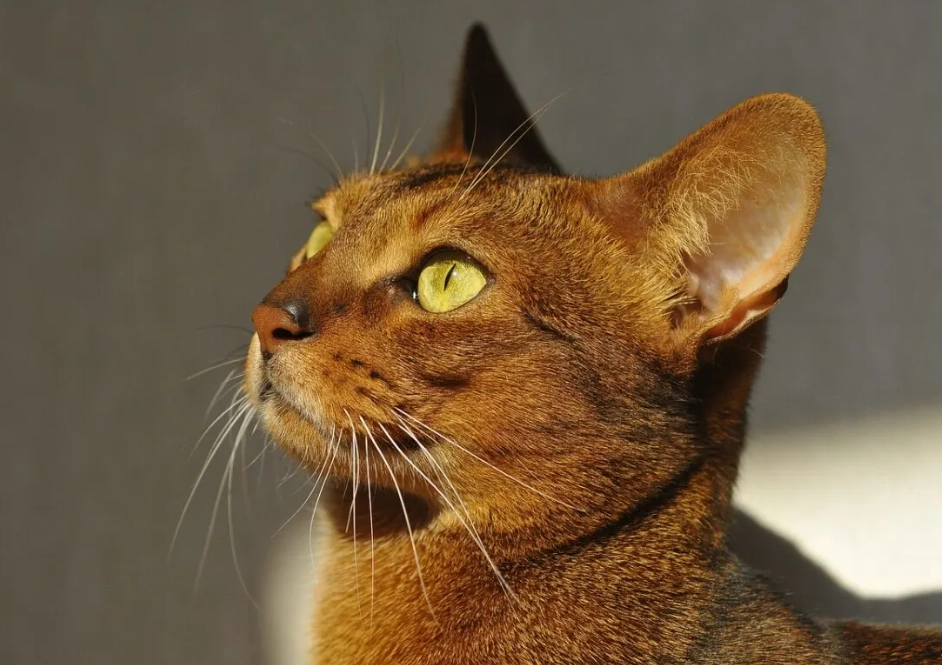
| Ticked (or Agouti) | No obvious stripes or spots on the body. Instead, each hair is banded (agouti), giving a salt-and-pepper or sandy appearance. You still see the tabby "M" and faint barring on legs/tail. | The "stealth" tabby. From a distance, the cat might look solid-colored. Abyssinians are the perfect example of this pattern. |
See? The variety is huge. A sleek mackerel tabby and a fluffy classic tabby might look completely different, but they share the same fundamental tabby genetics. This is a key point when someone is trying to figure out the difference between a tabby cat and a regular cat—the "regular" cat might very well be sporting one of these four patterns!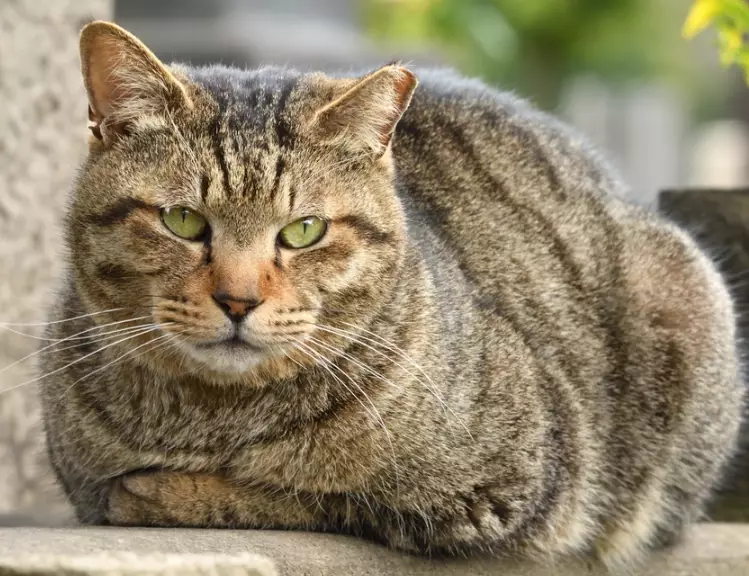
Where "Regular Cat" Fits Into All This
Okay, so we've defined "tabby." What about this "regular cat" business? This is the fuzzy part (pun intended). In everyday talk, "regular cat" usually means a cat of no particular breed—a domestic shorthair (DSH) or domestic longhair (DLH). These are the wonderful, genetically diverse cats you find in shelters, on farms, or adopting you from the backyard.
They can be any color or pattern, including solid black, white, tortoiseshell, calico, and yes, all four types of tabby. So a huge percentage of so-called "regular cats" are actually tabby cats. The terms overlap massively.
Here’s the mental shift: Instead of "tabby vs. regular," think "tabby vs. solid." That's a more accurate comparison. A solid black cat and an orange mackerel tabby could both be "regular" domestic shorthairs. The real difference is their coat pattern gene.
Purebred cats add another layer. A purebred Maine Coon can be a tabby. A purebred Scottish Fold can be a tabby. Their breed defines their body shape, ear shape, and personality tendencies; their tabby pattern defines their coat design. So the question of what is the difference between a tabby cat and a regular cat gets tangled because "regular" isn't a scientific term. It's a casual label for non-pedigreed cats, many of whom are tabbies.
Personality and Behavior: Is There a Tabby Trait?
Now this is where people get really curious. Do tabby cats have different personalities? After living with cats for decades and talking to countless owners, I'm skeptical of hard rules. You can't predict personality solely by coat color or pattern—that's like astrology for pets. However, some owners and anecdotal evidence suggest tendencies, but take this with a huge grain of salt.
Many orange tabby owners (like myself) swear their cats are extra affectionate, goofy, and food-motivated. The internet is full of memes about "orange cat behavior" being a little derpy. Is it genetic? Possibly linked to the fact that most orange tabbies are male (about 80%, due to the sex-linked orange gene). But is it a guarantee? Absolutely not. I've met aloof orange cats too.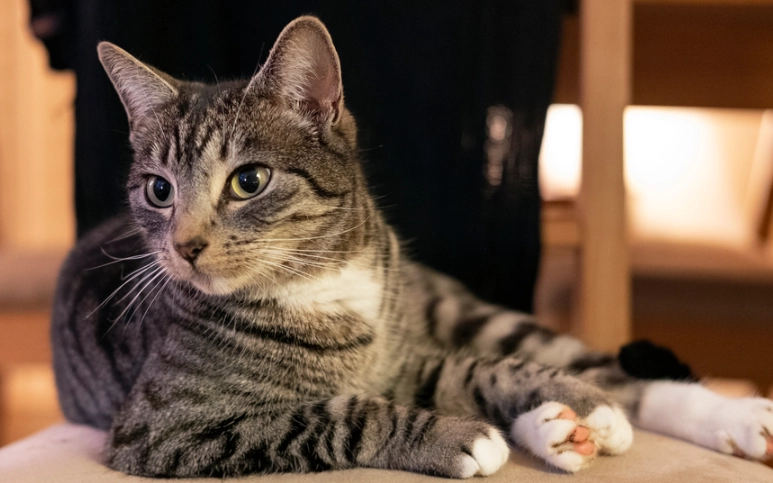
Grey tabbies (often called "blue tabbies") are sometimes described as more mellow and gentle. Classic tabbies might be seen as easygoing, while mackerel tabbies are thought to be more active and playful.
But here's the truth.
Breed, individual genetics, early socialization, and life experiences play a far, far greater role in shaping a cat's personality than its tabby pattern. A Siamese tabby (yes, they can have tabby points!) will likely be vocal because it's a Siamese, not because it's tabby. A shelter tabby's personality will be a unique blend of its unknown ancestry and its own spirit. So while it's fun to wonder if the difference between a tabby cat and a regular cat includes temperament, say, more affection, there's no scientific basis for it. Love the individual, not the stereotype.
Health and Care: Does Pattern Matter?
This is a practical concern. Do you care for a tabby cat differently than a non-tabby cat? In terms of daily care—food, water, litter box, love—no, not at all. A cat's needs are based on its age, health status, and activity level, not its coat pattern.
However, there are a couple of genetic links worth noting, which again stem from the color genes often associated with tabby patterns, not the tabby pattern itself.
- White and Deafness: Some mostly white cats with blue eyes (which can include white cats with tabby patches) have a higher incidence of congenital deafness. This has zero to do with the tabby pattern and everything to do with the piebald (white spotting) gene and eye color.
- Sun Sensitivity: Cats with very light-colored or thin fur, like some pale cream tabbies or cats with white ears/noses, are more prone to sunburn and skin cancer. They need sun protection. Again, this is about pigment, not the tabby stripes per se.
- No Tabby-Specific Issues: There are no known health problems caused by the agouti or tabby pattern genes themselves. The tabby pattern is just a coat design, not a health condition.
Their care is identical: good nutrition, regular vet checkups, playtime, and a safe home. The thickness of their coat (longhair vs. shorthair) will dictate grooming needs, but that's separate from the tabby pattern.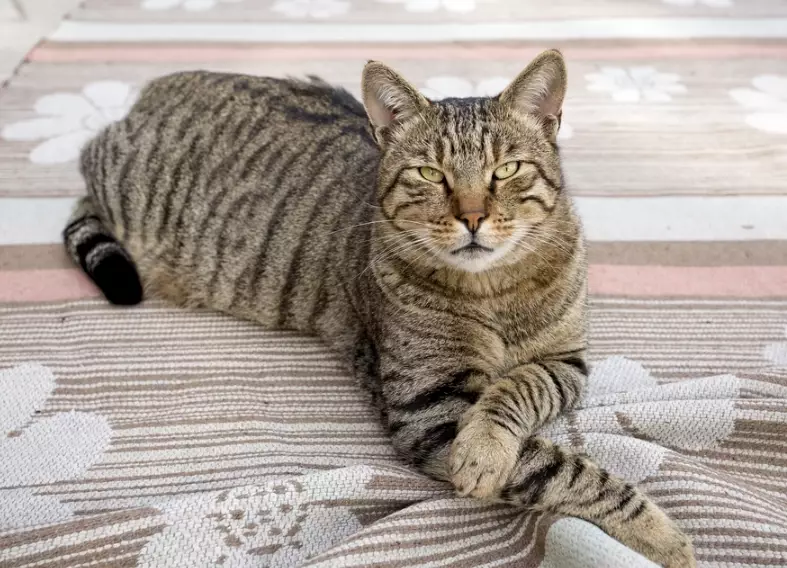
History and Genetics: Why Are Tabby Cats Everywhere?
This is my favorite part. The tabby pattern isn't some fancy modern mutation. It's ancient. It's believed to be the original wild-type coat pattern of the African wildcat (Felis lybica), the primary ancestor of our domestic cats. Those stripes and patterns provided crucial camouflage in the wild.
Genetically, the tabby pattern is dominant. That's why it's so common. A cat only needs to inherit the tabby gene from one parent to show some form of the pattern. The "non-tabby" or solid look (like a solid black cat) is the result of a recessive gene that suppresses the tabby pattern. Even then, you can sometimes see faint "ghost striping" on a solid black kitten, especially in sunlight, which is a throwback to its underlying tabby genetics.
The specific type of tabby (mackerel vs. classic) is controlled by other modifier genes. It's a fascinating and complex inheritance system. Resources like the UC Davis Veterinary Genetics Laboratory's page on cat coat color offer a more detailed, scientific look for the truly curious. It underscores that the difference between a tabby cat and a regular cat is written in their DNA.
Your Tabby Questions, Answered
Is my cat a tabby mix?
This phrasing is a bit off. "Tabby" isn't a breed to mix with. Your cat is likely a domestic shorthair/longhair with a tabby pattern. It's a mix of many breeds, and one of its traits is the tabby coat.
Can two solid cats have a tabby kitten?
It's very unlikely but not impossible if both "solid" parents carry a hidden recessive tabby gene and other genetic stars align. Usually, at least one parent needs to show the tabby pattern.
Do tabby cats shed more?
No. Shedding is influenced by coat length, health, season, and breed, not by the tabby pattern. A longhaired tabby will shed more than a shorthaired tabby, just like any other cat.
Are all grey cats tabbies?
No. Grey cats (often called blue) can be solid. But many grey cats do show faint or clear tabby markings. Look for the "M" and stripes to be sure. A solid grey cat won't have those patterns.
What's the rarest tabby color?
True solid chocolate or cinnamon tabbies (with rich brown stripes) are quite rare in the general cat population, as those colors are primarily seen in specific purebred lines.
Final Thoughts: Embracing the Tabby
So, after all this, what is the difference between a tabby cat and a regular cat? I hope you see now that the question itself is the source of the confusion. The better understanding is that "tabby" describes a set of beautiful, ancient coat patterns characterized by stripes, swirls, spots, the agouti hair, and that famous "M" mark.
These patterns can appear on any cat—the mixed-breed "regular" cat lounging in your local shelter, or a prized, pedigreed show cat. The pattern doesn't dictate health, core personality, or care needs. It's simply a magnificent and diverse design that nature painted onto our feline companions.
Next time you see a cat, look for the tabby markings. You'll find them everywhere. And next time someone asks you "what's the difference between a tabby cat and a regular cat?", you can smile and explain that the tabby is the regular cat—one of the most common, beloved, and visually stunning expressions of the feline form.