Quick Navigation
- The Himalayan Personality: What's It Really Like to Live With One?
- The Not-So-Glamorous Part: Grooming and Care Demands
- Health Considerations: What You Need to Know
- The Ideal Home vs. The Wrong Home
- Himalayan Cat Care: The Day-to-Day Essentials
- Finding Your Himalayan: Breeder vs. Rescue
- Answering Your Burning Questions
- The Final Verdict: So, Are Himalayan Cats Good Pets?
Let's cut right to the chase. You're probably sitting there, maybe looking at a picture of this stunning, fluffy cat with piercing blue eyes, and wondering: are Himalayan cats good pets for me? It's not a simple yes or no answer. I've been around cats my whole life, from alley cats to purebreds, and I can tell you that the Himalayan, or "Himmie," is a breed that demands a specific kind of human. They're not the low-maintenance roommate some people dream of. But if you're the right match, they can be an unbelievably loving companion.
Think of them as the serene, elegant, and slightly high-maintenance aristocrats of the cat world. They have the gorgeous long coat of a Persian and the subtle color points (darker ears, face, paws, and tail) of a Siamese. But their looks are just the beginning. To really answer "are Himalayan cats good pets," we need to dig into what it's actually like to live with one, day in and day out.
I remember visiting a breeder years ago. The room was quiet, peaceful. A gorgeous cream-point Himalayan sat regally on a cat tree, not hiding, just observing. When I sat down, she eventually sauntered over, gave my hand a gentle head-butt, and settled in my lap, purring like a tiny motor. She wasn't hyper or skittish. Just... present. And that's the essence of them. But that beautiful coat was immaculate, hinting at the daily work someone had put in.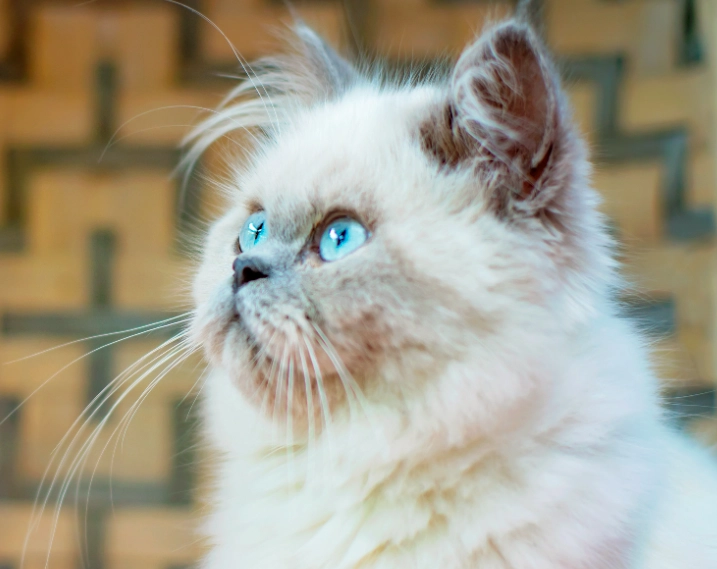
The Himalayan Personality: What's It Really Like to Live With One?
If you're looking for a cat that will race up your curtains, chatter at birds frantically, or get into everything, look elsewhere. The typical Himalayan cat personality is best described as placid, sweet-tempered, and intensely affectionate on their own terms. They are not known for being athletic or overly playful into adulthood. Their idea of a great day is a long nap in a sunbeam, followed by some gentle petting, followed by another nap.
This makes them fantastic pets for quieter households, apartments, retirees, or people who work from home. They want to be with you, often following you from room to room just to plop down nearby. They're not typically lap-cats in the sense they'll force themselves on you, but they are profoundly companionable. My friend's Himmie, Mochi, has a specific spot on the couch next to her owner. Not on her, but right beside her, a paw always touching a leg. It's their quiet way of connecting.
So, are Himalayan cats good pets for families with young kids? This is a tricky one. They are gentle and not prone to aggression, but they are also delicate and can be easily startled. A toddler's unpredictable movements and loud squeals are not a Himmie's ideal scene. They do much better with older, respectful children who understand how to pet gently and appreciate a calm friend.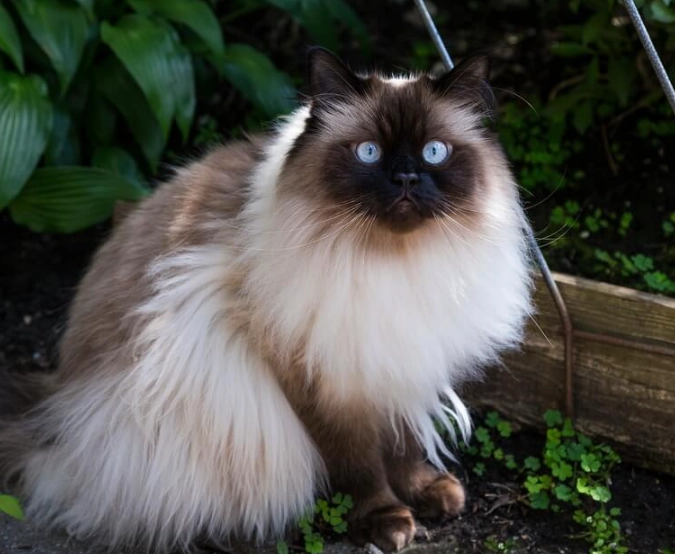
Their Communication Style
Don't expect the loud, demanding yowl of a Siamese. Himalayans have soft, pleasant voices and tend to communicate with gentle chirps and mews. They might look at you intently when they want something—food, a door opened, your lap cleared. It's a quiet, persistent sort of request. They are observant and often seem to be taking everything in with those deep blue eyes.
The Not-So-Glamorous Part: Grooming and Care Demands
This is the single biggest factor that determines whether are Himalayan cats good pets for someone. That magnificent coat is a daily commitment. It's long, fine, and mats incredibly easily. We're not talking about a quick brush once a week.
You need to be prepared for a daily grooming session of 10-15 minutes. A wide-toothed comb is your best friend, working through the fur to prevent tangles before they become mats, which are painful and may require shaving. The areas behind the ears, under the arms, and around the hindquarters are prime matting zones.
Beyond brushing, their flat (brachycephalic) face requires special attention. Their eyes often tear excessively due to the shape of their face, leading to tear staining. You'll need to gently wipe their face and eye corners daily with a soft, damp cloth to prevent crusty buildup and stains. It's just part of the routine.
Here’s a quick reality check on the grooming commitment:
| Task | Frequency | Why It's Necessary |
|---|---|---|
| Full Body Combing | Daily | Prevents painful, tight mats that pull on the skin. A matted coat is a welfare issue. |
| Face & Eye Cleaning | Daily | Prevents tear stain buildup, crusting, and potential skin infections around the eyes. |
| Nail Trimming | Every 2-3 Weeks | Keeps nails from growing into paw pads and protects your furniture (though they're not big scratchers). |
| Bathing | Every 4-6 Weeks | Helps keep their long coat clean, manageable, and reduces oil buildup. It's easier than you think if you start them young. |
See what I mean? It's a lot. For some people, this bonding ritual is a peaceful, enjoyable part of the day. For others, it's a deal-breaker. You have to know yourself.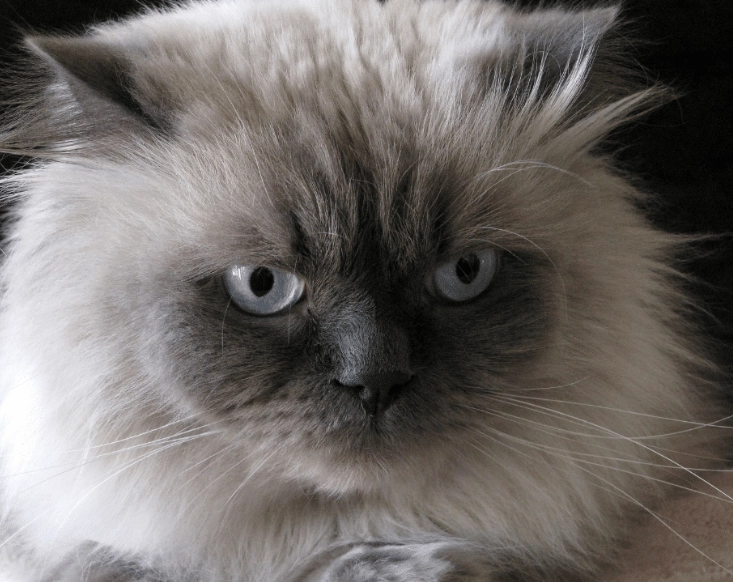
Health Considerations: What You Need to Know
This is the other critical piece of the puzzle. Purebred cats, including Himalayans, can be predisposed to certain genetic health conditions. Responsible breeders test for these, but it's crucial to be aware.
The most significant issue stems from their facial structure. Their flat face can lead to brachycephalic airway syndrome. This means they can have narrowed nostrils and an elongated soft palate, making it harder for them to breathe. You might hear them snort, snore, or breathe noisily, especially in hot weather or when stressed. They are more sensitive to heat and need to live in a climate-controlled environment.
Other potential health concerns include:
- Polycystic Kidney Disease (PKD): A hereditary condition where cysts develop in the kidneys. Reputable breeders will have their breeding cats genetically tested for PKD and provide proof. Always, always ask for this. The Cat Fanciers' Association (CFA) and other registries have information on responsible breeding practices.
- Dental Issues: Their shortened jaw can lead to dental crowding, making them more prone to periodontal disease. Regular teeth brushing and veterinary dental check-ups are a must.
- Eye Conditions: Besides tear staining, they can be prone to conditions like cherry eye or entropion (where the eyelid rolls inward).
Finding a vet who is familiar with brachycephalic breeds is also a good idea. They'll know what to look for and can give you better, breed-specific advice.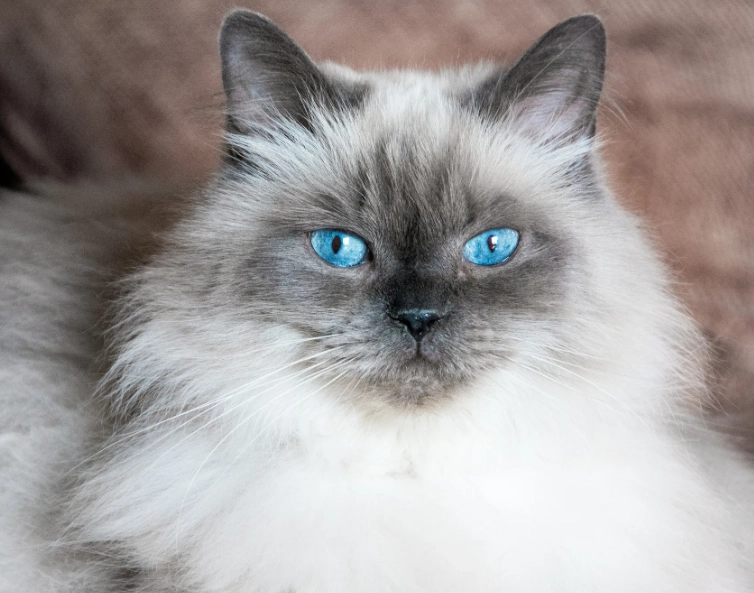
The Ideal Home vs. The Wrong Home
Let's make this super clear. Figuring out if are Himalayan cats good pets is really about matching their needs to your lifestyle.
The Ideal Himalayan Home
- A quiet, stable environment without a lot of chaos or loud parties.
- An owner who is home a good portion of the day (works from home, is retired).
- Someone with the time, patience, and willingness for daily grooming.
- A household with no young children or with very gentle, older children.
- Someone who wants a calm, affectionate companion over an energetic playmate.
- A person prepared for the potential vet costs associated with the breed.
And then there's the other side.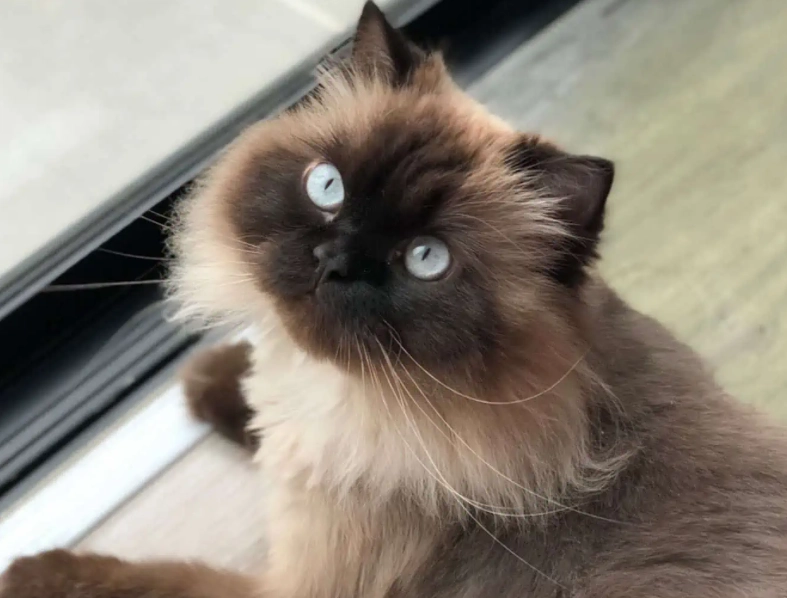
The Wrong Home for a Himalayan
- A busy, noisy, or chaotic family home with toddlers and dogs.
- Someone who travels frequently or is away from home for 10+ hours a day.
- A person who dislikes grooming or views it as an optional chore.
- Someone on a very tight budget who couldn't handle an unexpected vet bill.
- An owner who wants an "outdoor cat." Himalayans are strictly indoor-only pets. Their looks make them targets, and they lack street smarts.
- Someone seeking a highly active, independent cat.
Himalayan Cat Care: The Day-to-Day Essentials
Okay, so you think your home might be a good fit. What does caring for one actually involve, beyond the grooming we already hammered home?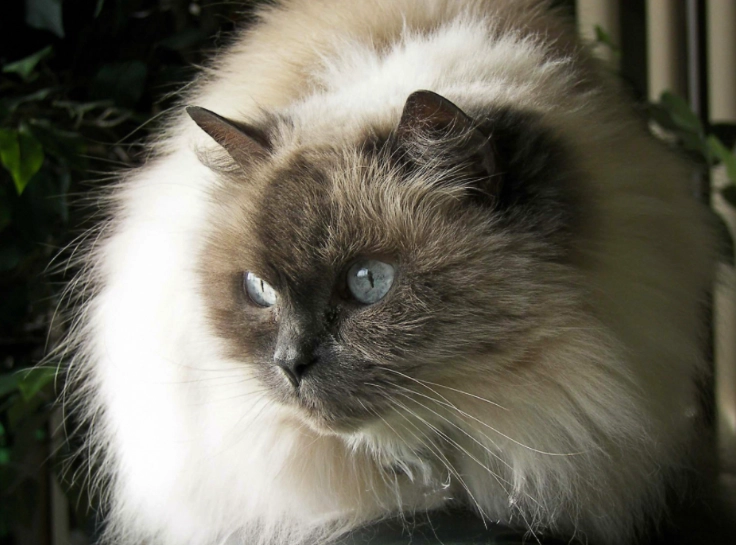
Diet and Nutrition
They aren't known to be super picky eaters, but their flat faces can make eating from a deep or narrow bowl awkward. A shallow, wide saucer is best. Because they are not very active, they can be prone to weight gain. You need to measure their food carefully and avoid free-feeding. A high-quality diet that supports skin and coat health is a plus. Your vet can recommend specifics.
Exercise and Play
They won't exercise themselves. Short, gentle play sessions are important to keep them at a healthy weight and mentally stimulated. Think feather wands, laser pointers (always end with a physical toy they can "catch"), or a crumpled piece of paper. Don't expect marathon sessions. Five to ten minutes a few times a day is usually their max before they decide it's nap time again.
Litter Box Setup
With all that long fur, litter can get stuck to their hindquarters and tracked everywhere. Using a high-quality, low-dust, clumping litter can help. Many owners also trim the fur around their hind end (a "sanitary trim") to keep things cleaner. A large, open litter box is better than a covered one, as it gives their fur more room.
Finding Your Himalayan: Breeder vs. Rescue
This is a major decision. If you go the breeder route, do your homework. A good breeder is your first line of defense for health and temperament.
- They will welcome you to their home to meet the kittens and the mother cat.
- They will have health testing documentation for the parents (especially PKD).
- They will ask you as many questions as you ask them. They care where their kittens go.
- They are registered with a reputable organization like the CFA or The International Cat Association (TICA).
- The kittens will be well-socialized, vet-checked, and not leave before 12-14 weeks of age.
Please, avoid pet stores or online listings that seem too good to be true. They often source from kitten mills where health and temperament are not priorities.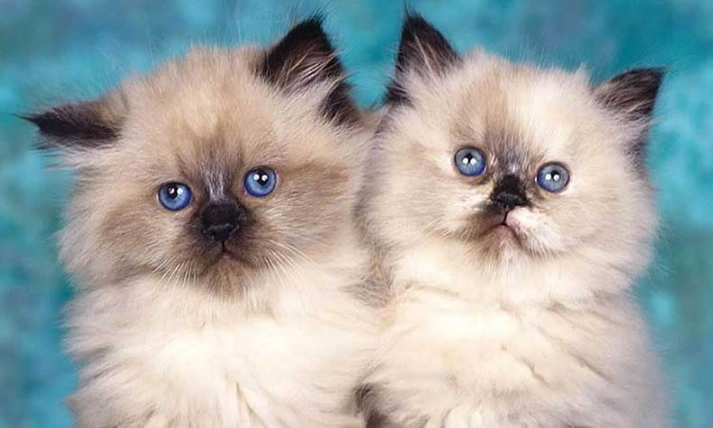
Answering Your Burning Questions
Let's tackle some of the specific things people search for when they're wondering, are Himalayan cats good pets?
The Final Verdict: So, Are Himalayan Cats Good Pets?
It all comes down to this.
Himalayan cats are wonderful, loving, and beautiful pets for the right person. They are the epitome of a companion animal—calm, devoted, and happiest simply being near you. If your life is quiet, your home is peaceful, and you find the ritual of grooming to be a mindful, bonding activity, then a Himalayan could be your perfect soulmate cat.
But they are a terrible fit for a busy, chaotic, or unpredictable lifestyle. They are not a decoration. They are a living being with very specific, non-negotiable needs. The daily grooming is real. The potential health issues are real. The need for a tranquil home is real.
I love them for their serene grace and deep affection. But I also warn people away from them more often than not because the commitment is so often underestimated. Don't fall for the pretty face without understanding the responsibility behind it.
If, after all this, you're nodding your head and thinking, "Yes, that's the kind of pet commitment I want and can provide," then you might just be ready for the incredible experience of sharing your life with a Himalayan. Start your search with a responsible breeder or a rescue, arm yourself with knowledge, and get ready for a truly special kind of feline friendship.
And if you're now thinking, "Wow, that's more than I bargained for," that's okay too. There's a perfect cat out there for everyone. The important thing is being honest about what you can offer. That's how we all end up with good pets, no matter the breed.