Let's talk about Ragdoll cats. You've probably heard they're the perfect, floppy, gentle giants of the cat world. And for the most part, that's true. But here's the thing nobody tells you upfront: their greatest strength is also the source of their most common behavior issues. That sweet, docile, people-oriented nature? It doesn't just mean they'll cuddle on your lap. It means they've been bred, quite intentionally, for intense companionship. When that need isn't met in the right way, that's when the "issues" pop up. I've lived with Ragdolls for over a decade, and I've learned that calling them "issues" is a bit unfair. They're more like communication gaps. Your Ragdoll isn't being "bad"; they're telling you something isn't working in their world.
What You'll Find in This Guide
- The Ragdoll Temperament: Setting Realistic Expectations
- Problem #1: The Velcro Cat Syndrome & Separation Anxiety
- Problem #2: Boredom and Its Destructive Consequences
- Problem #3: Litter Box Aversions (It's Often the Hair)
- Social Dynamics: They Might Not Be the "Easy" Friend You Think
- Your Ragdoll Behavior Questions Answered
The Ragdoll Temperament: Setting Realistic Expectations
Before we dive into problems, you need the baseline. The Cat Fanciers' Association describes the Ragdoll as placid, docile, and affectionate. They are known for going limp when held (hence the name). They tend to be less agile and athletic than many other breeds—they're more like fluffy, purring couch potatoes with occasional bursts of kitten-like energy.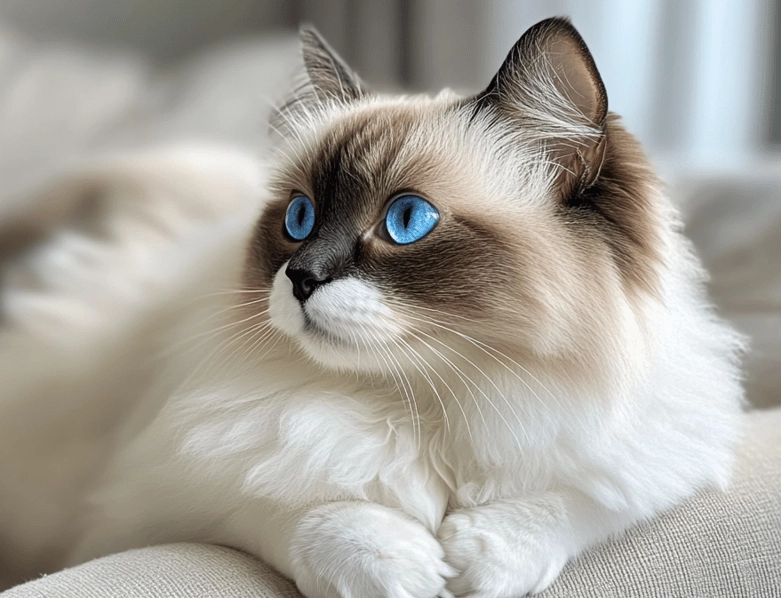
This is the blueprint. Any behavior that severely deviates from this—like extreme skittishness, consistent aggression, or hyperactivity—is unusual and warrants a vet check. Pain or illness can make the sweetest cat act out. Rule that out first.
The core need driving almost all Ragdoll behavior is social connection. They are not independent alley cats. They are family cats. This single fact explains 80% of what owners label as "problems."
Problem #1: The Velcro Cat Syndrome & Separation Anxiety
This is the big one. Your Ragdoll follows you to the bathroom, sits outside the shower, watches you cook, and sleeps on your head. For many, this is a feature, not a bug. But it crosses into problem territory when you leave the house.
Signs It's More Than Just Affection
Excessive, distressed meowing or yowling as you leave or while you're gone. Destructive scratching at doors or windows. Inappropriate urination or defecation, often on your bed or clothes (items that smell strongly of you). A frantic, clingy greeting that lasts for ages when you return. If your cat is doing these things, they're not just being cute and needy—they're stressed.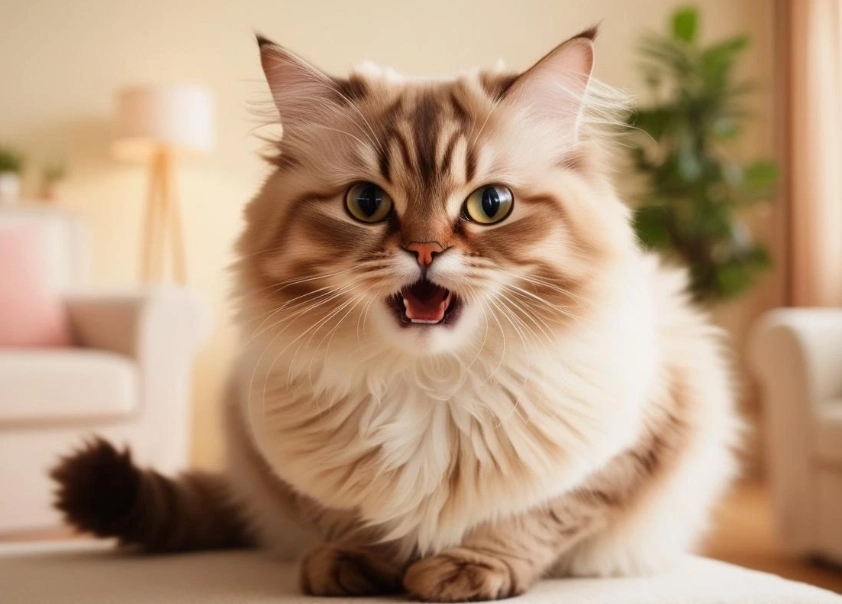
How to Build Their Confidence (And Your Freedom)
The goal isn't to make them stop loving you. It's to teach them that being alone is safe and even enjoyable.
Here's a better routine. Ten minutes before you leave, ignore your cat. No cuddles, no talk. Just go about your business. When you leave, don't say a word. Just go. When you return, ignore them for the first 5-10 minutes. Take off your coat, put away groceries, check your mail. Then, calmly offer a greeting and initiate a play session. This decouples your comings and goings from emotional peaks and valleys.
Create a "safe space" routine. A consistent pre-departure ritual they enjoy. For my Ragdoll, it's a special puzzle feeder with a few treats, placed in his favorite cat tree by the window. He now associates me getting my keys with getting his special feeder, and he's too busy solving it to care that I'm walking out the door.
Consider a pet camera. Being able to see and even talk to them (calmly) can ease your mind. Sometimes, just seeing they're sleeping peacefully is a huge relief.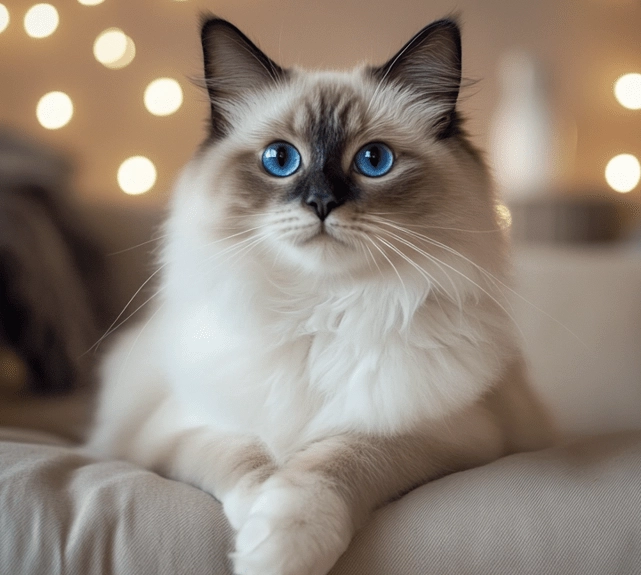
Problem #2: Boredom and Its Destructive Consequences
A bored Ragdoll is a creative Ragdoll. And you won't like their art projects. Scratching the sofa, chewing on cords, knocking things off shelves, unrolling toilet paper—these are all signs of an under-stimulated mind.
Remember, they're not super high-energy, but they are intelligent. They need mental stimulation more than physical exhaustion.
Strategic Play & Environmental Enrichment
Forget leaving a mountain of toys on the floor. They become invisible. Use a toy rotation system. Keep 80% of toys in a box, and swap out 2-3 different ones every few days. Novelty is key.
Interactive play is non-negotiable. Ten to fifteen minutes, twice a day, with a wand toy that lets them stalk, chase, and pounce. Mimic prey movement: erratic, darting, hiding under rugs. End the session with a tangible "catch," like letting them bite the toy, followed by a small treat. This completes their hunting sequence.
Provide vertical space. Cat trees, wall shelves, window perches. Ragdolls are large, so ensure perches and trees are sturdy and have large platforms. A view of the outdoors is a built-in TV for them.
For the determined cord-chewer, a bitter apple spray can be a deterrent. But more effectively, provide acceptable alternatives. Silvervine sticks or chew toys designed for cats can redirect that oral fixation.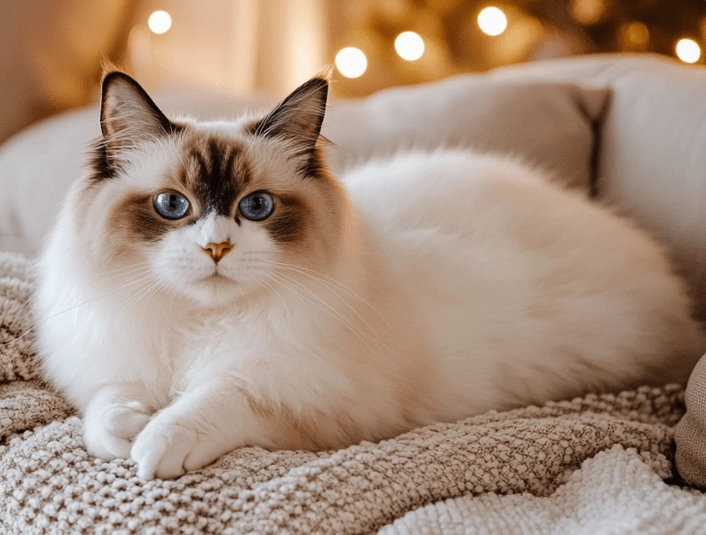
Problem #3: Litter Box Aversions (It's Often the Hair)
This is a practical, often overlooked issue. Ragdolls have long, luxurious fur. If the litter box situation isn't optimized for that fur, you'll have problems.
The #1 culprit? Litter sticking to their fluffy britches or getting trapped between their toes. It's uncomfortable, and cats hate being uncomfortable. If they start associating the litter box with a weird, gritty feeling on their fur, they'll find somewhere else to go.
The Ragdoll-Specific Litter Box Setup
Litter Choice: Avoid lightweight, dusty litters that cling. Many Ragdoll owners swear by larger crystal litters or pellet litters that don't stick as much. If you use clumping litter, choose a fine-grained, low-dust formula.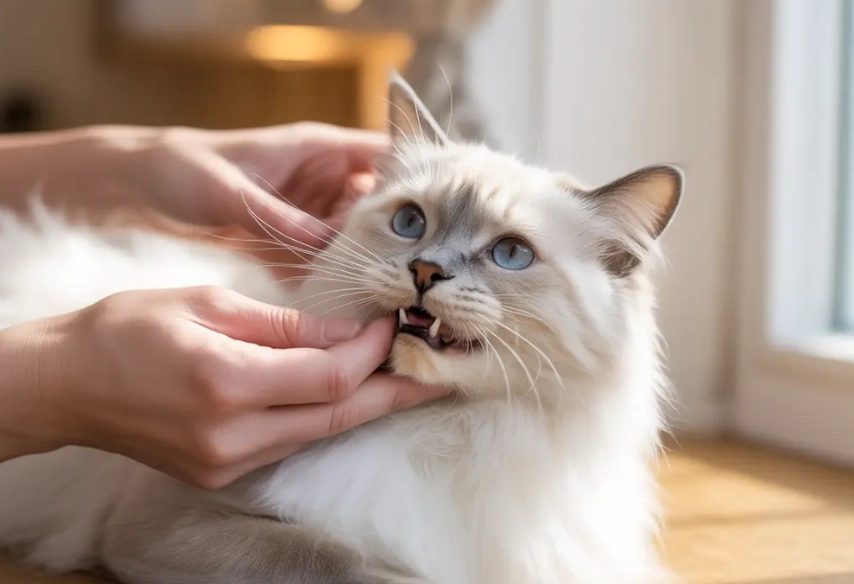
Box Choice: Bigger is better. A high-sided box or a top-entry box can help contain litter, but ensure it's easy for a large, not-very-athletic cat to enter and exit comfortably. A senior-style box with a low entry side might be perfect.
Hygiene: Scoop at least once a day. Twice is better. For a Ragdoll, a dirty box is offensive, but a box with litter stuck to the sides is a tactile nightmare.
Grooming Aid: Keep the fur around their hindquarters trimmed ("a sanitary trim"). This is a game-changer. Ask your groomer or vet to show you how to do it safely with blunt-nosed scissors.
If your Ragdoll suddenly starts avoiding the box, the checklist is: 1) Vet check (UTI is common), 2) Litter type/cleanliness, 3) Fur issues.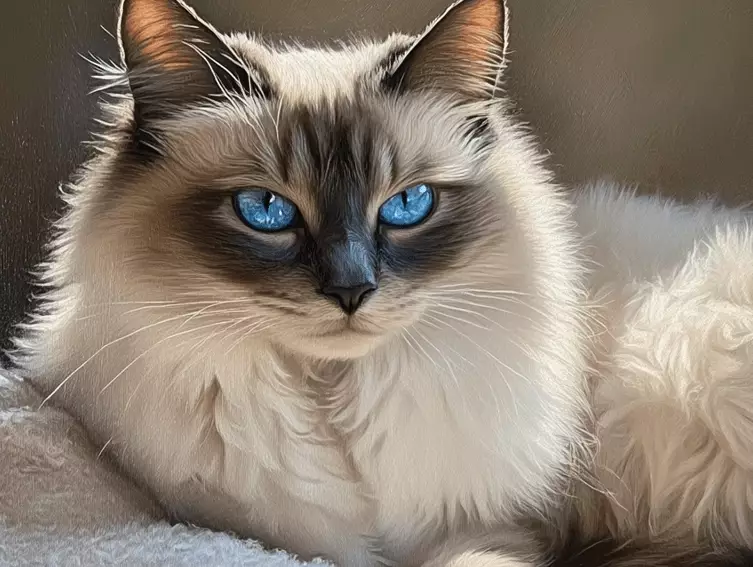
Social Dynamics: They Might Not Be the "Easy" Friend You Think
Ragdolls are touted as great with other pets. Generally true, but with a caveat. Their docile, non-confrontational nature can make them targets for bullying by more assertive cats or even playful dogs. They may not stand up for themselves well.
Introducing a new pet? Go painfully slow. Use scent swapping (rub towels on each, swap them), then site swapping, then controlled visual introductions through a baby gate. A rushed introduction can cause a Ragdoll to become fearful and withdrawn, hiding for weeks.
As for being an "only cat," they can absolutely thrive. But the responsibility for meeting their social needs falls 100% on you. That means the interactive play, the companionship, the environmental enrichment. If you work 12-hour days and want a cat that's fine alone, a Ragdoll is a risky choice. A pair of Ragdolls can sometimes keep each other company, but it's not a guaranteed fix and doubles your costs.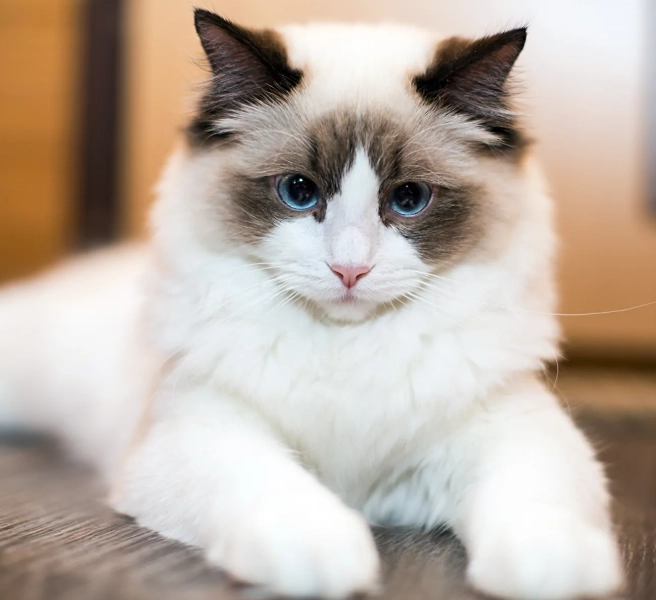
Your Ragdoll Behavior Questions Answered
Look, living with a Ragdoll is a commitment to a relationship. Their "behavior issues" are rarely acts of defiance. They're communications—"I'm stressed," "I'm bored," "This hurts," "I miss you." Understanding the why behind the what is the first step. From there, it's about management, not miracles. Provide security, engage their brain, respect their physical needs (all that fur!), and love them for the devoted, sometimes overly attached companions they are. It's a package deal.