Quick Navigation
- From the Shores of Lake Van to Your Living Room: History & Personality
- Anatomy of a Van: Looks, Health, and Lifespan
- Caring for Your Turkish Van: Grooming, Diet, and Environment
- Is a Turkish Van Cat Right for You? Family, Cost, and Breeder Tips
- Turkish Van vs. Turkish Angora: Clearing the Confusion
- Your Turkish Van Questions, Answered
Let's be honest, most cats you know probably hate water. The mere sight of a bathtub sends them scrambling under the bed. But what if I told you there's a cat that doesn't just tolerate water, but actively seeks it out? A cat that might just join you for a paddle in the pool? That's the Turkish Van cat for you. It's a breed wrapped in legend, famous for a unique love of water and a striking coat pattern that looks like it's been dipped in paint.
I remember the first time I saw one at a cat show. It wasn't just its looks—a gorgeous white cat with auburn markings on its head and tail—but its demeanor. It was calm, observant, yet you could see a spark of mischief in its eyes. The owner joked that she had to keep the toilet lid closed because her Van loved to play in it. That stuck with me.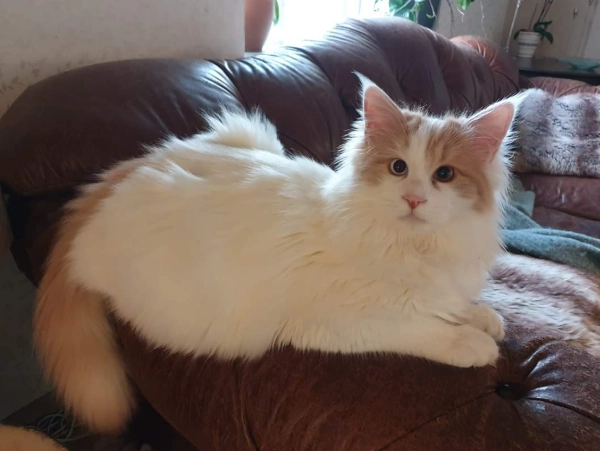
This isn't just another fluffy cat article. If you're wondering whether a Turkish Van is the right companion for you, you're in the right place. We're going beyond the basic facts. We'll talk about the reality of their "swimming" habits (it's not always what you think), the truth about their semi-long hair maintenance, their sometimes-stubborn intelligence, and what it actually feels like to share your home with one of these charismatic creatures.
From the Shores of Lake Van to Your Living Room: History & Personality
The story of the Turkish Van is as unique as the cat itself. Unlike many breeds meticulously developed in the last century, the Van is considered a natural breed. Its origins trace back centuries to the rugged, mountainous region surrounding Lake Van in eastern Turkey. The harsh climate there, with hot summers and cold winters, is thought to have shaped their resilient, water-resistant coat.
The modern recognition of the breed started in the mid-1950s when two British photographers, Laura Lushington and Sonia Halliday, were given a pair of these distinctive cats while traveling in Turkey. They brought them back to England, and the rest, as they say, is history. The key point? These cats have a documented, authentic lineage from their homeland. For detailed breed standards and history, the Cat Fanciers' Association (CFA) maintains excellent resources that trace this journey.
But what are they really like to live with?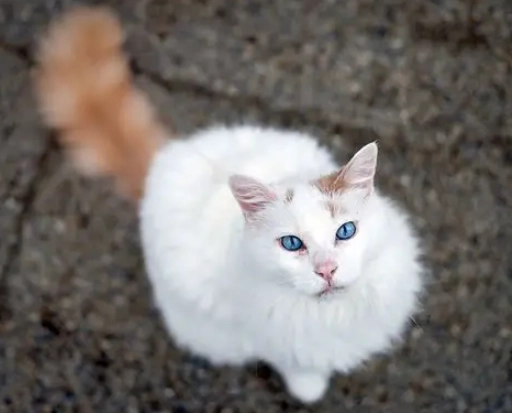
The "Swimming Cat" Myth and Reality
Let's address the elephant in the room—or rather, the cat in the pool. The Turkish Van's love of water is legendary, but it's often exaggerated. They don't typically go for full-blown swims like a Labrador. What they possess is a profound fascination with water. They will play with dripping taps, pat at water in their bowl, and yes, some might willingly wade into shallow water. I've spoken to owners whose Vans will sit in a partially filled bathtub or sink on a hot day.
Why? The leading theory points to their origins. Lake Van is a vast inland sea, and their ancestors may have learned to fish in the shallow edges. That water-resistant, single-layer coat also dries surprisingly quickly, making water less of an unpleasant experience for them than for a dense-coated Persian.
Myth Buster: Don't expect your Turkish Van kitten to dive into your swimming pool. The inclination varies from cat to cat. Some are avid water players, others are just curiously fond of it. Forcing a cat into water is never a good idea. The best approach is to provide shallow, safe water play opportunities, like a heavy ceramic bowl with a few inches of water and floating toys.
A Personality of Contrasts: Affectionate but Independent
If you want a lap cat that will cling to you 24/7, a Turkish Van might frustrate you. They form incredibly strong, loyal bonds with their chosen people (often selecting one or two favorites in a family), but on their own terms. They are often described as "dog-like" in their loyalty and willingness to follow you from room to room. They'll be your supervisor in the kitchen, your audience in the home office.
But when they've had enough affection, they're perfectly content to find a high perch and observe their kingdom. They are intelligent and active. They need interaction and play. A bored Turkish Van is a Turkish Van that might redecorate your shelves. Puzzle feeders, interactive wand toys, and even clicker training are great ways to engage their smart minds.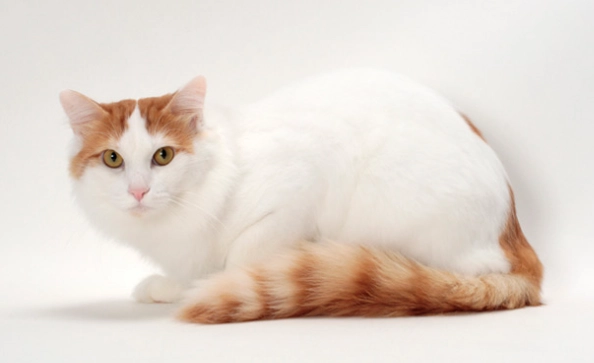
One owner I know described hers as "a toddler with fur and sharp claws—curious, stubborn, and hilarious." That sums it up well. They have a playful, mischievous side that lasts well into adulthood.
Anatomy of a Van: Looks, Health, and Lifespan
You can't mistake a Turkish Van. They are a sturdy, muscular, semi-longhaired cat. Males are particularly substantial, often weighing 12-16 pounds, while females are a bit more refined at 8-12 pounds. They are built for power and agility, not daintiness.
The Signature Coat: Not Just White and Red
The classic Van pattern is a chalky white body with colored markings restricted to the head and tail. The most common and traditional color is auburn (red), but they come in cream, black, blue, and various tabby patterns too. The coat itself is a marvel. It lacks a woolly undercoat, which is why it's often called "single-coated." This means two things: it's less prone to matting than a Persian's coat, and it dries very quickly. The texture is often compared to cashmere—soft and silky.
Now, about the eyes. They can be breathtaking. Many Turkish Vans have large, expressive eyes that are amber, blue, or odd-eyed (one of each). An odd-eyed, white-coated Van is a truly stunning sight.
Turkish Van Cat Health: A Generally Robust Breed
Coming from a natural genetic pool, the Turkish Van is generally considered a healthy, hardy breed with a typical lifespan of 12-17 years. However, no breed is without potential concerns. Responsible breeders screen for Hypertrophic Cardiomyopathy (HCM), a form of heart disease that can affect cats. It's a good idea to ask any breeder about the HCM screening history of their breeding lines.
Another condition to be aware of is a genetic predisposition to a heart murmur sometimes heard in young kittens, which often resolves on its own as they grow. As with any cat, maintaining a healthy weight is crucial to avoid joint stress. For comprehensive health information specific to breeds, the International Cat Association (TICA) provides valuable guidelines and resources.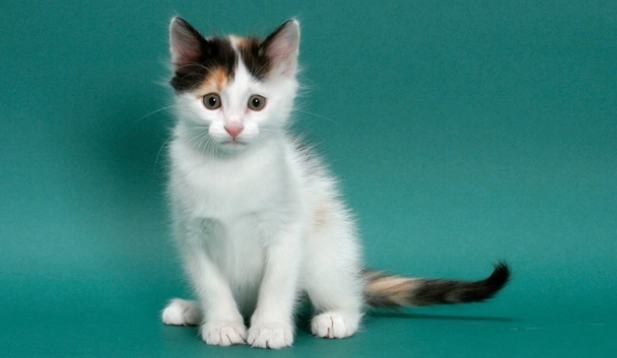
Pro Tip: Because of their potential for HCM, scheduling regular veterinary check-ups that include cardiac auscultation (listening to the heart) is a wise precaution for any Turkish Van owner. An ounce of prevention, as they say.
Their single coat is a blessing, but it's not maintenance-free. Let's get into the nitty-gritty of daily care.
Caring for Your Turkish Van: Grooming, Diet, and Environment
Thinking of bringing a Turkish Van cat into your home? Here’s what you need to know to keep them happy and healthy.
Grooming: It's Easier Than You Think
Good news! That beautiful semi-long hair is surprisingly low-maintenance. The lack of an undercoat means mats are rare if you stick to a simple routine. A thorough brushing once or twice a week with a good quality stainless-steel comb or a slicker brush is usually sufficient. It removes loose hair, distributes skin oils, and gives you a chance to bond.
During seasonal sheds (spring and fall), you might need to bump this up to every other day. The payoff? Less hair on your furniture and a happier cat.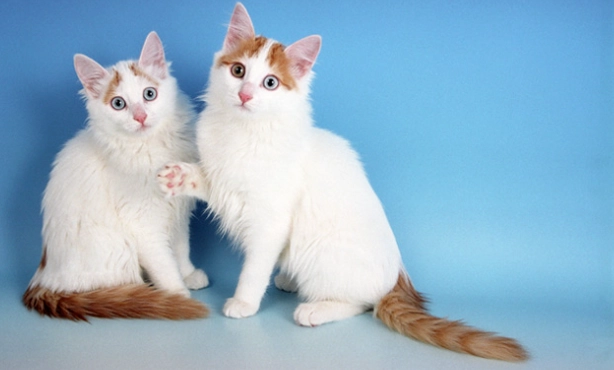
| Grooming Task | Frequency | Tips & Notes |
|---|---|---|
| Brushing/Combing | 1-2 times per week (more during sheds) | Focus on the ruff, belly, and "britches" (back legs). Use a comb to check for any rare tangles. |
| Nail Trimming | Every 2-3 weeks | Get them accustomed to this as kittens. It protects your skin and your furniture. |
| Ear Cleaning | Check weekly, clean as needed | Use a vet-recommended ear cleaner on a cotton ball, never a Q-tip in the canal. |
| Dental Care | Daily brushing ideal, or use dental treats/water additives | Critical for long-term health. Start slowly with finger brushing when young. |
| Bathing | Rarely needed (they often enjoy it!) | Use a cat-specific shampoo. Their coat dries fast, which is a plus. |
Feeding Your Active Companion
Turkish Vans are active and muscular. They need a high-quality diet rich in animal protein to support their energy levels and maintain that solid physique. Whether you choose wet food, dry food, or a combination, look for a product where a named meat (like chicken, salmon, or turkey) is the first ingredient.
Portion control is key. It's easy to overfeed a charming cat who loves to interact, but obesity leads to a host of health problems. Follow feeding guidelines based on their ideal weight, not their current weight if they're overweight. Puzzle feeders are a fantastic way to make mealtime engaging and slow down fast eaters.
Always ensure fresh water is available. Given their water fascination, some Vans prefer a cat water fountain. The moving water intrigues them and encourages hydration.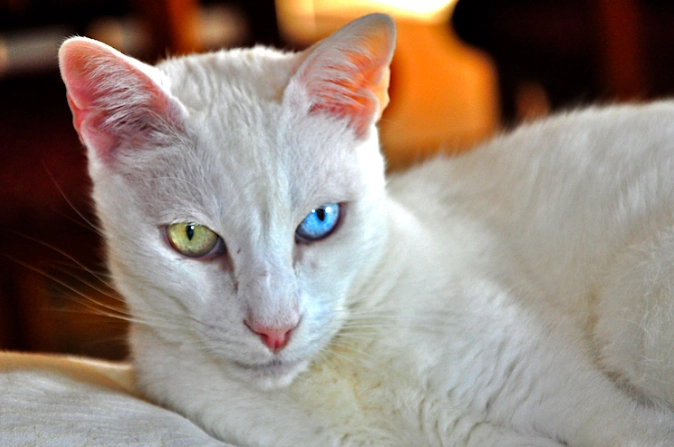
Creating a Van-Friendly Home
These cats are climbers and jumpers. They appreciate vertical space. A tall, sturdy cat tree by a window is like a five-star hotel for them. Provide plenty of scratching posts (both vertical and horizontal) to save your furniture.
Because they are so intelligent, environmental enrichment is non-negotiable. Rotate their toys to prevent boredom. Teach them tricks. Consider building or buying a secure outdoor catio where they can safely experience the sights and sounds of nature—this can be heaven for a curious Van.
A friend of mine made the mistake of not having enough high perches for her young Van. He took matters into his own paws and claimed the top of the kitchen cabinets as his throne. Not the easiest place to dust or to convince a cat to come down from!
Is a Turkish Van Cat Right for You? Family, Cost, and Breeder Tips
So, you're captivated. But is this the right breed for your lifestyle? Let's break it down.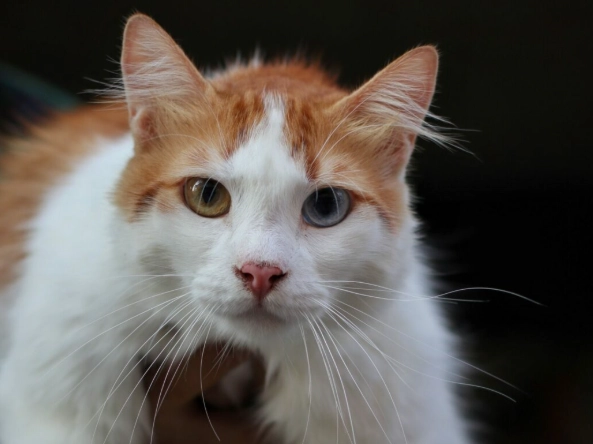
Family and Other Pets
Turkish Vans can be excellent family cats. They are generally patient and playful with respectful children. Their sturdy build means they can handle a bit more enthusiastic play than a more delicate breed. However, they do best with kids who understand how to interact with cats gently. Always supervise young children and pets.
They can also get along well with cat-friendly dogs and other cats, especially if introduced properly and given time to adjust. Their confident, sometimes dominant, personality means they might try to be the "boss" of a multi-pet household.
The Cost of a Turkish Van Kitten
Let's talk about the Turkish Van cat price, because it's a significant factor. From a reputable, ethical breeder who health-tests their cats and raises kittens in a home environment, you can expect to pay anywhere from $800 to $2,500. The price varies based on location, the breeder's reputation, the kitten's pedigree, color, and whether it's meant for show or pet life (pet-quality kittens are often less expensive).
A word of caution: If you see a "Turkish Van" advertised for $300 online, it's almost certainly not a purebred Turkish Van. It might be a lovely white-and-red domestic longhair, but not the genuine article with the predictable temperament and health background.
Remember, the initial purchase price is just the start. Factor in lifelong costs: high-quality food, routine vet care, insurance, toys, scratching posts, and potential emergency medical bills.
Finding a Reputable Breeder
This is the most important step. A good breeder is your partner in bringing a healthy, well-socialized kitten into your life. Here’s what to look for:
- They ask YOU questions. They'll want to know about your home, lifestyle, and experience to ensure their kitten is a good fit.
- They welcome visits. You should be able to see where the kittens and cats live (it should be clean and part of the home).
- They provide health guarantees. They will openly discuss genetic health testing done on the parent cats.
- The kittens stay until at least 12-14 weeks. This is crucial for proper socialization with littermates and humans.
- They are registered with a major cat registry like CFA or TICA and can explain the kitten's pedigree.
Adopting a purebred Turkish Van from a rescue is rare but not impossible. Breed-specific rescues do exist. It's worth checking organizations like Petfinder and searching for "Turkish Van" in their breed list—you might find a wonderful adult cat in need of a home.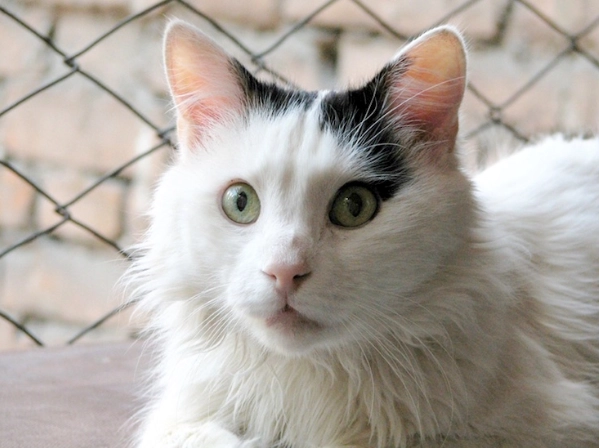
Turkish Van vs. Turkish Angora: Clearing the Confusion
This is a common point of confusion, even among cat lovers. Both breeds originate from Turkey, and both are often white. But they are distinctly different.
The Turkish Van is larger, more muscular, and has a semi-long, single coat with a distinct color pattern (head and tail only). Their personality is robust, active, and independent.
The Turkish Angora is more elegant and fine-boned, with a medium-length, single coat that can come in virtually any color and pattern (not restricted to head and tail). They are often more overtly affectionate and "lap-cat-like" than the Van, though still playful and intelligent.
Think of it this way: the Van is the athletic, outdoorsy swimmer; the Angora is the graceful, affectionate dancer. Both are amazing, but they offer different experiences.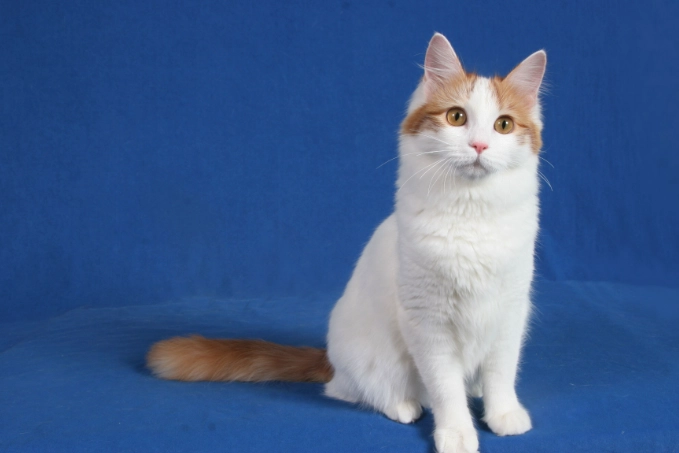
Your Turkish Van Questions, Answered
Are Turkish Van cats hypoallergenic?
No cat is 100% hypoallergenic. Allergies are primarily triggered by a protein called Fel d 1 found in cat saliva and skin oils, which gets on the fur when they groom. While the Turkish Van's single coat may shed less dander than a double-coated breed, they still produce the allergen. Some allergic people may tolerate them better, but there are no guarantees. Always spend time with the breed before committing if you have allergies.
How much do Turkish Van cats shed?
They are moderate shedders. That cashmere-like hair does come out, especially during the seasonal changes in spring and fall. The weekly brushing routine will manage the vast majority of it. You won't find giant tumbleweeds of fur, but you will find some hair on your dark clothes—it's part of life with a semi-longhaired cat.
Are Turkish Van cats talkative?
They are not excessively vocal like a Siamese, but they are communicative. They have a soft, chirpy voice and will "talk" to you to express needs, greet you, or comment on their day. It's more of a conversational murmur than a demanding yowl.
Can Turkish Van cats be left alone?
They bond deeply with their families and can become lonely or bored if left alone for very long hours every day. They are not the best choice for someone who travels constantly or works 12-hour shifts. If you have a standard workday, they'll be fine, especially if you provide enrichment and spend quality time with them before and after work. A pair of cats can keep each other company.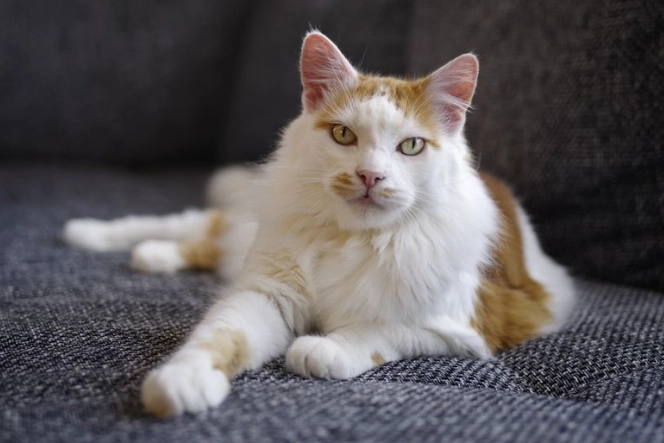
Do they need access to water to swim in?
Absolutely not. It is a fascinating quirk, not a requirement. Never force a cat into water. If your Van shows an interest, you can offer safe, supervised options like a shallow pan with an inch of water and some floating toys. Most are perfectly content playing with a dripping faucet or watching the toilet flush (lid closed, please!).
So, there you have it. The Turkish Van cat is more than just a pretty face with a quirky love of water. It's a intelligent, loyal, active companion with a sturdy build and a heart of gold—on its own terms. They are not for everyone. They need engagement, understanding, and a home that appreciates a cat with a strong personality and a mind of its own.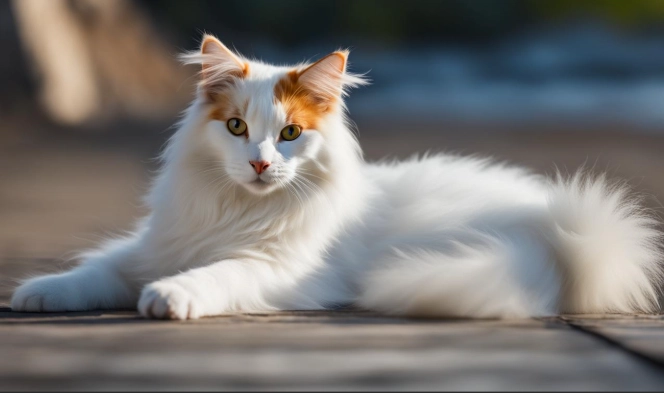
But if you're looking for a cat that's a true partner in crime, one that will surprise you, make you laugh, and offer unwavering loyalty, the Turkish Van might just be the swimmingly perfect choice for you. Do your homework, find a fantastic breeder or rescue, and get ready for an adventure. Just maybe keep the bathroom door closed.