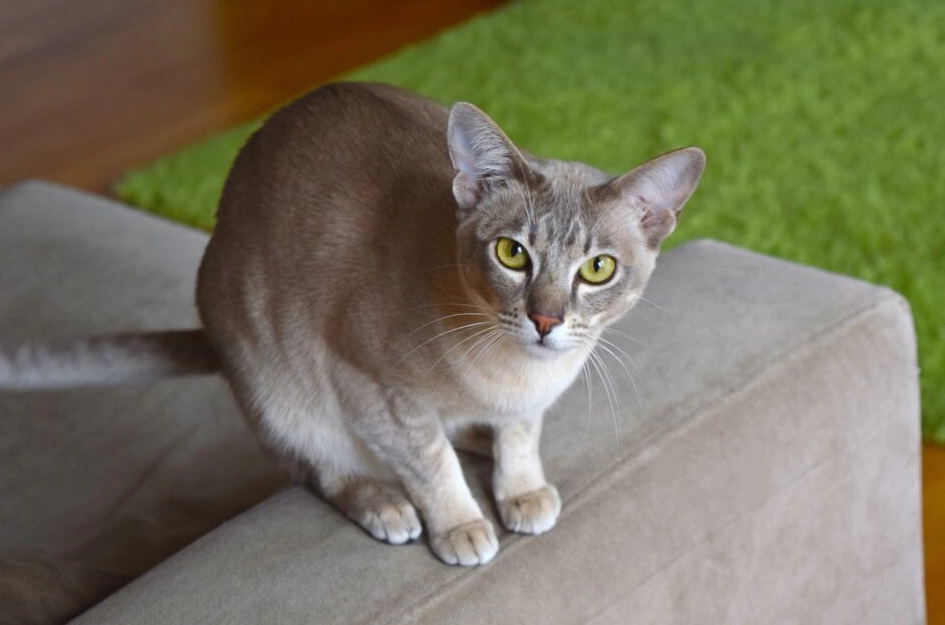
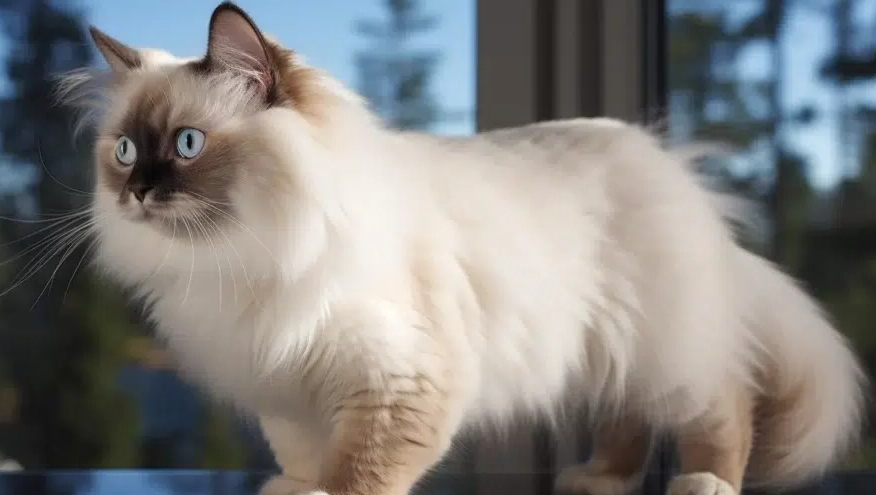
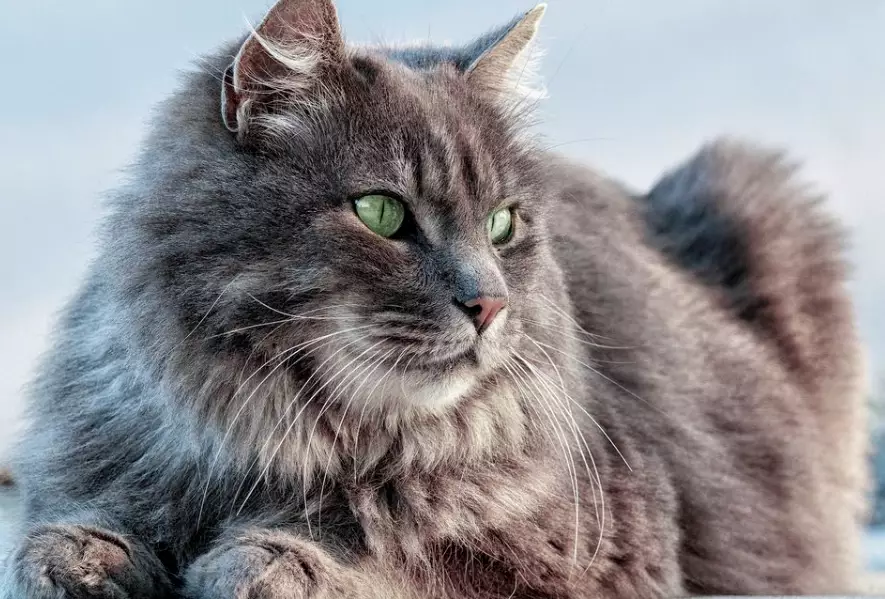
If you've ever scrolled through cat photos or browsed a shelter website, you've seen both labels: American Shorthair and Domestic Shorthair. They look similar—short fur, medium build, often with classic tabby stripes. So, are American Shorthair cats the same as Domestic Shorthair cats? In a word: no. This isn't just semantics; it's the difference between a specific, registered breed with a documented lineage and a broad, lovely category for the everyday, non-pedigreed cat. Mixing them up is like confusing a specific breed of dog, like a Labrador Retriever, with the general term "mixed-breed dog." One has a strict blueprint, the other is a wonderful genetic surprise package.
The confusion causes real headaches. I've seen people pay purebred prices for a cat that's "just" a beautiful Domestic Shorthair. I've also watched adopters overlook fantastic shelter cats because they didn't sound as "special" as a named breed. Let's clear this up once and for all.
What You'll Learn in This Guide
The Core Difference: Pedigree vs. Population
Think of this as the "official paperwork" test. An American Shorthair (ASH) is a formal, purebred cat recognized by major cat registries like The Cat Fanciers' Association (CFA). Every ASH has a documented family tree tracing back to other registered American Shorthairs. Breeders follow a strict breed standard that dictates everything from head shape to eye color. There's a consistency you can predict.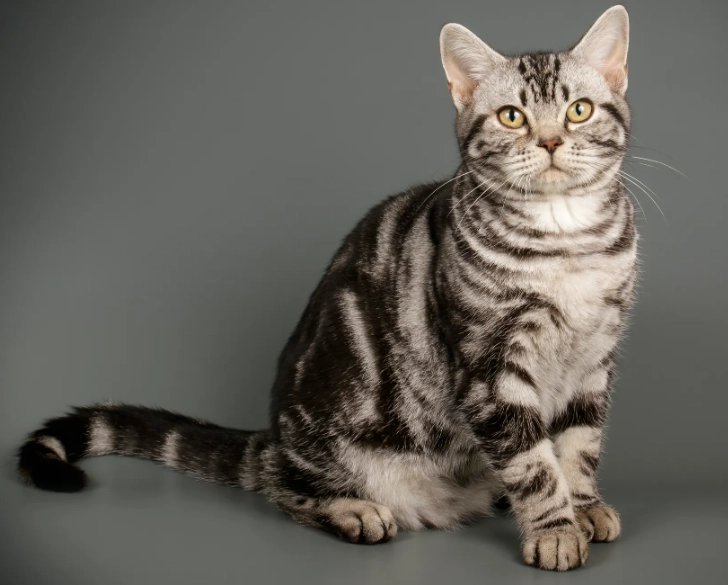
A Domestic Shorthair (DSH) is not a breed at all. It's a categorical term, like "domestic cat with short hair." It describes the vast majority of cats in North America—the random-bred, wonderfully diverse cats with unknown ancestry. They are the feline equivalent of a mutt (a term we use with affection). No paperwork, no standard, just unique genetic combinations.
Here's the kicker: All American Shorthairs are technically domestic shorthaired cats, but not all domestic shorthaired cats are American Shorthairs. The first is a subset of the second. Your vet will likely write "DSH" on your American Shorthair's chart because it describes her coat type and species, not her breed. This is a major source of the confusion.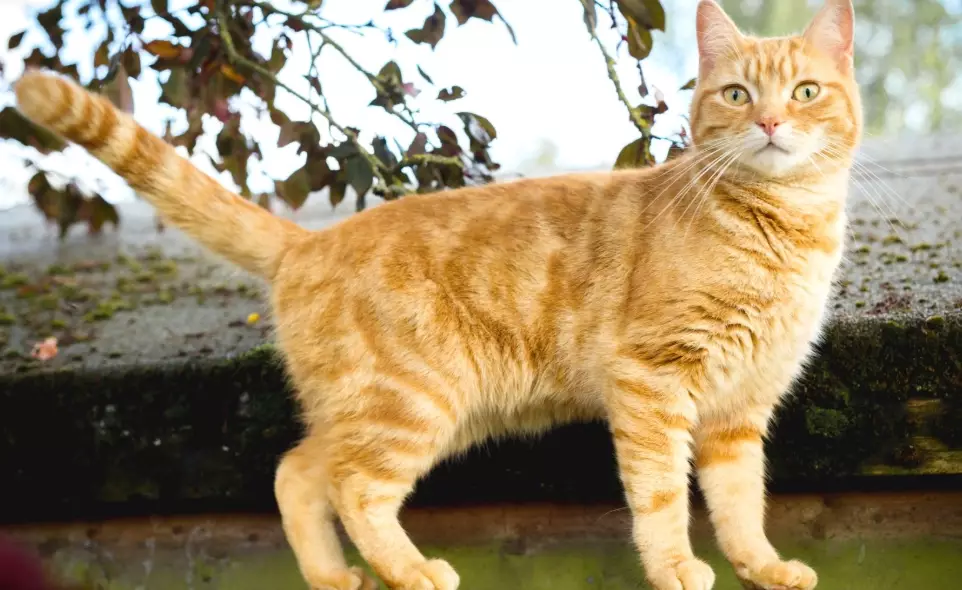
Appearance & Temperament: Spotting the Subtleties
You can't rely on looks alone, but knowing the American Shorthair standard gives you clues. Domestic Shorthairs, with their infinite variety, can match or break any of these rules.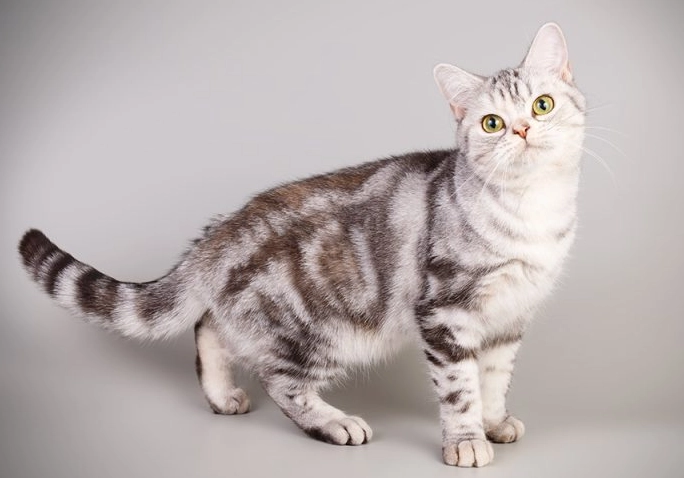
| Feature | American Shorthair (The Standard) | Domestic Shorthair (The Spectrum) |
|---|---|---|
| Build | Stocky, muscular, and powerful. They feel surprisingly heavy for their size (“cobby”). Broad chest, strong jaws. | Can be anything: lanky, slim, medium, or stocky. No predictable body type. |
| Head | Broad, rounded face with full cheeks. The muzzle is square. They often have a sweet, "teddy bear" expression. | Face shape varies widely: triangular, narrow, round, or wedge-shaped. |
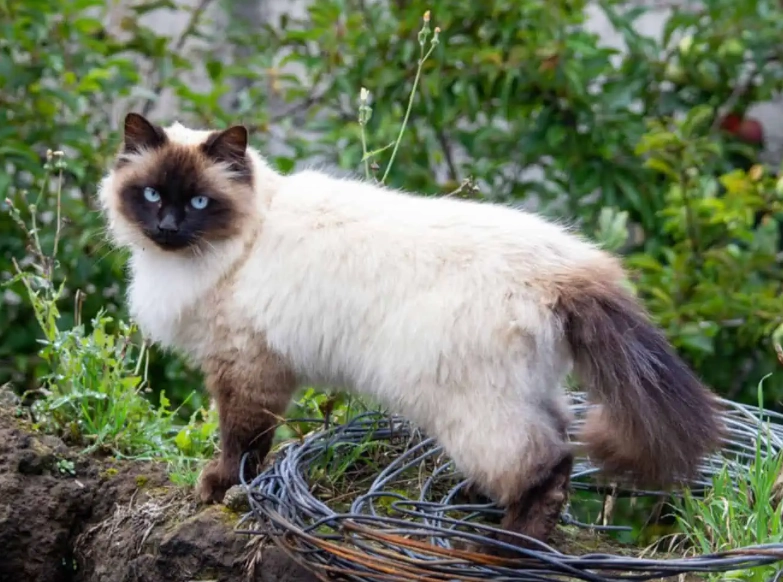
| Coat & Color | Dense, thick, and crisp to the touch. Over 80 colors/patterns accepted, but the classic silver tabby is iconic. | Coat texture can be soft, silky, or coarse. Every possible color and pattern exists, including pointed patterns like Siamese. |
| Temperament | Bred for predictability: even-tempered, adaptable, affectionate but not clingy. Good with families and other pets. | A complete wild card. Personality is shaped by early life, genetics, and individual quirks. Can be lap cats, aloof observers, or playful maniacs. |
I remember evaluating a cat for a friend who was sure she'd found an American Shorthair. The cat was a stunning brown tabby, but his face was narrow and his body was long and lean. A gorgeous Domestic Shorthair, through and through. He didn't fit the "stocky" mold at all. He was perfect, just not a purebred ASH.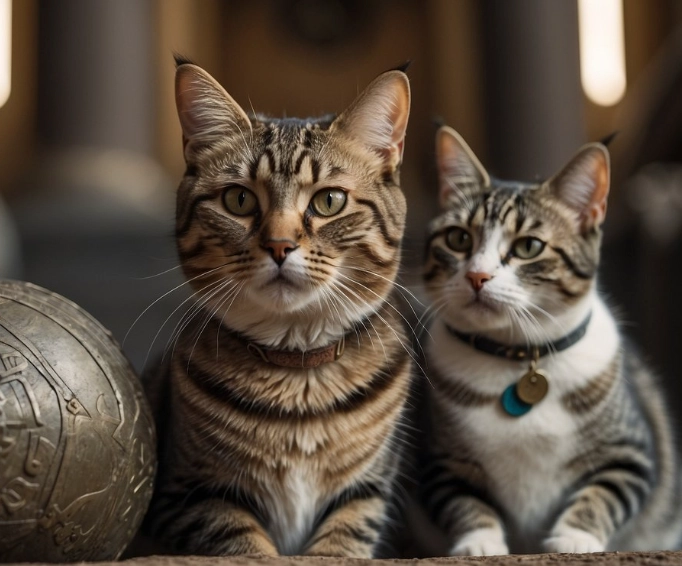
What About Health and Lifespan?
This is where things get interesting. Purebred cats sometimes get a bad rap for health issues, but the American Shorthair is considered one of the healthiest breeds due to its working-cat origins and careful breeding. Reputable breeders screen for hypertrophic cardiomyopathy (HCM). Their lifespan typically ranges from 15 to 20 years.
Domestic Shorthairs benefit from hybrid vigor—their massive, diverse gene pool can make them incredibly robust. However, their health is a lottery. They could inherit issues from any ancestor in their unknown lineage. A well-cared-for DSH can easily live 15-20 years as well. There's no inherent lifespan advantage for either group; it boils down to genetics, diet, and veterinary care.
The Practical Guide: Adoption, Cost, and Care
This is the decision-making part. Your choice here impacts your wallet and your process.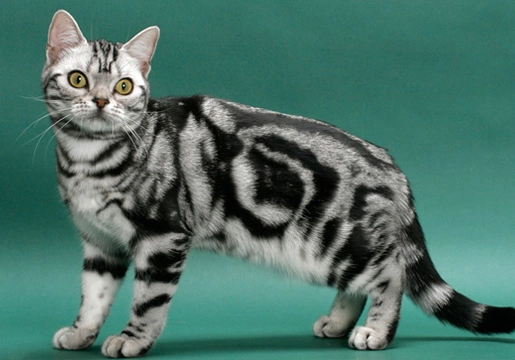
Finding an American Shorthair: You go through a reputable breeder. Expect to be vetted yourself, go on a waitlist, and pay $800 to $2,000 or more. You receive a kitten with known health history, vaccinations, and registration papers. It's a planned, predictable path.
Finding a Domestic Shorthair: You visit a shelter, rescue, or respond to a "free kittens" ad. Adoption fees range from $50 to $200, often including spay/neuter and initial shots. You're choosing based on immediate connection and the shelter's assessment of personality. The background story is usually a mystery.
Their care is virtually identical: high-quality food, annual vet check-ups, nail trims, dental care, and plenty of love. The one nuance? Because American Shorthairs have that dense undercoat, they might benefit from slightly more frequent brushing during shedding seasons to prevent matting.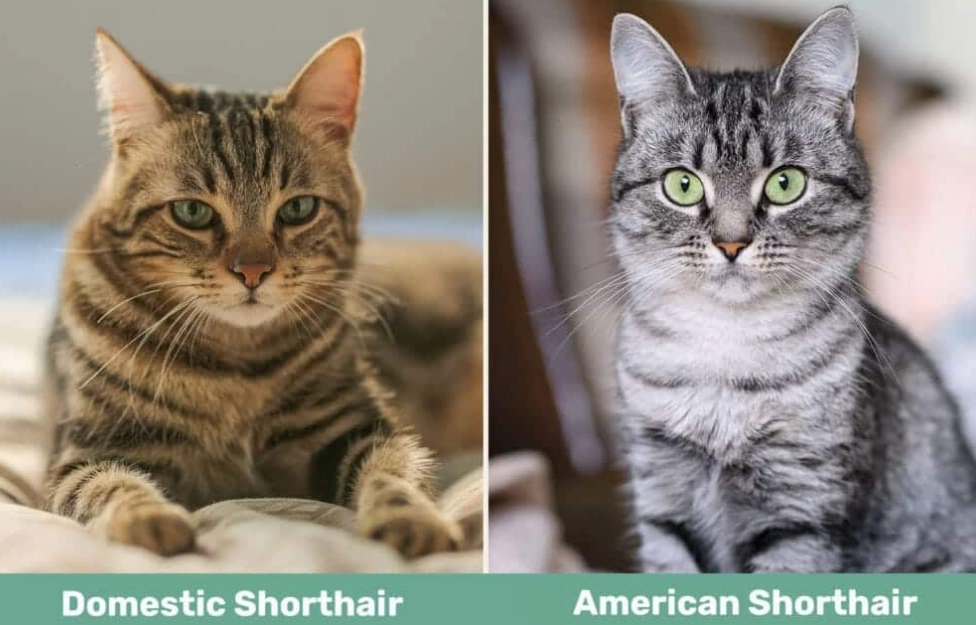
Common Myths and Expert Insights
Let's bust a few persistent myths.
Myth 1: "American Shorthair" is just a fancy name for any American cat with short hair. Nope. As we've established, it's a specific breed. Calling any DSH an American Shorthair is incorrect, though it's a very common mistake.
Myth 2: Domestic Shorthairs are less intelligent or less friendly. Absolutely not. Intelligence and friendliness are individual traits. Some of the most clever, affectionate cats I've known have been Domestic Shorthairs. Their personality isn't bred for consistency, which means you can find truly unique characters.
Here's an expert insight many overlook: the shelter label is a medical and descriptive term, not a breed judgment. When a shelter vet writes "DSH," they are noting the cat is a domestic species (Felis catus) with a short coat. It's for record-keeping. They aren't making a statement about purity. This is why your purebred cat might still have "DSH" on her vet records from your local clinic—it's about taxonomy, not pedigree.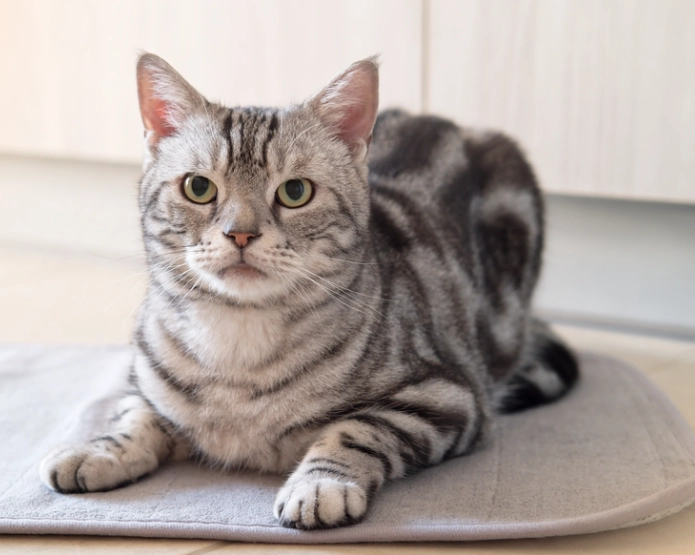
Your Questions, Answered
These are the questions I get asked most often after explaining the difference.
So, are they the same? Clearly not. One is a defined product of selective breeding; the other is the beautiful, unpredictable result of natural selection and happy accidents. Whether you choose the predictable roadmap of an American Shorthair or the exciting mystery novel of a Domestic Shorthair, you're getting a fantastic companion. The key is to go in with your eyes open, understand the labels, and choose the cat that fits your life—not just a name.