Ask anyone on the street about the most common cat in Singapore, and you'll likely get two answers. The first is the elegant, tiny purebred known as the Singapura. The second, and arguably the true champion in numbers, is the humble, resilient, and incredibly diverse community cat. The truth is, Singapore's feline landscape is dominated by this dual reality: a world-famous native breed and a vast population of beloved street cats. If you're looking to understand, adopt, or simply appreciate the cats of this city-state, you need to know about both.
What You'll Discover in This Guide
The Singapore Cat Breed: The Famous Native
Let's start with the celebrity. The Singapura is often hailed as the smallest domestic cat breed in the world. With its large, expressive eyes, ticked coat (each hair has alternating bands of color), and a muscular yet petite frame, it's undeniably charming. The Cat Fanciers' Association (CFA) officially recognizes it.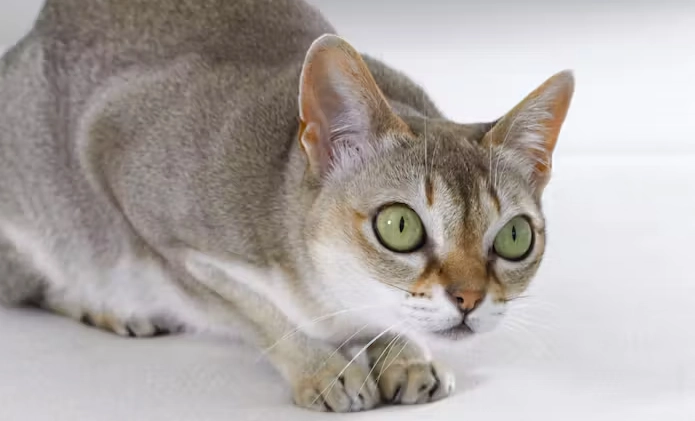
Its origin story is part of its allure. Lore says they were drainage cats, living in the city's conduits, before being discovered and bred. Whether that's romanticized or not, the breed's adaptability is real.
But here's a nuance most generic articles miss: calling the Singapura the "most common" is misleading if we're talking about pure population count. You won't see them roaming every HDB void deck. They are uncommon as owned pets due to their rarity and cost, often imported from specialized breeders overseas. Their "commonness" is in their symbolic status as Singapore's national cat, not in their physical numbers on the ground.
They are, however, perfectly suited to Singaporean life. Their short, fine coat needs minimal grooming in the humidity. They are known for being curious, playful, and people-oriented—traits that work well in apartment living. Don't let the small size fool you; they are sturdy and have a surprisingly big personality.
Community Cats: The Unseen Majority
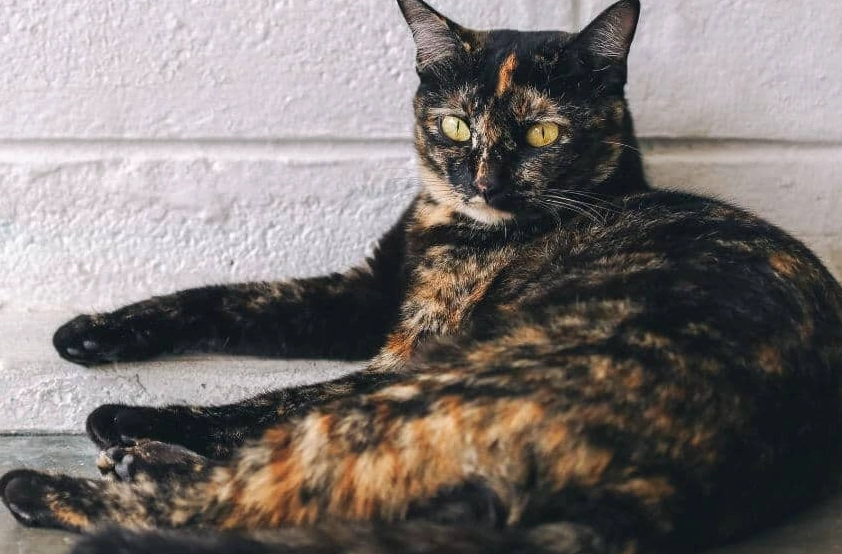
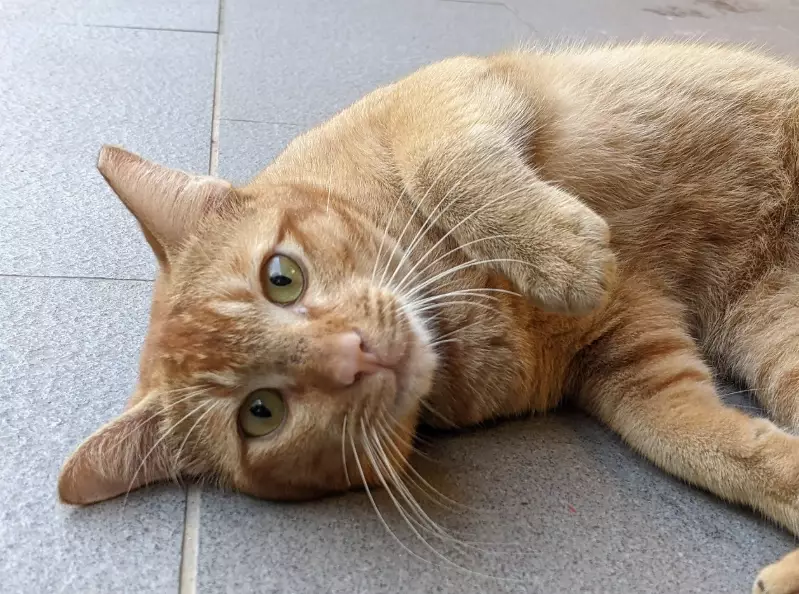
Now, for the real backbone of Singapore's feline scene: the community cats. These are the cats you actually see. They're not a breed but a population—a magnificent genetic mosaic of domestic shorthairs, often with Siamese, tabby, or tortoiseshell patterns. They live in housing estates, parks, and industrial areas, cared for by networks of dedicated feeders and caregivers under the Trap-Neuter-Release-Manage (TNRM) program run by the Animal & Veterinary Service (AVS).
Their numbers are significant. While an exact count is impossible, estimates from various animal welfare groups suggest the community cat population is in the tens of thousands, far outstripping any purebred population.
Why are they so successful? It's a combination of biology and sociology. These cats are the ultimate survivors. Generations of living in an urban environment have selected for intelligence, wariness, and robust health. More importantly, Singapore's unique approach to managing them has been crucial. The TNRM program, which I've volunteered with, stabilizes colonies by preventing endless breeding while allowing the cats to live out their lives. This has fostered a culture of coexistence. Many residents know "their" void deck cats by name.
A Personal Observation: After years of feeding a colony, I've noticed the cats develop distinct "estate personalities." Cats in quieter, landed property areas tend to be more skittish. Those in bustling HDB heartlands, constantly around people, are often remarkably social and approachable, knowing that humans often equal food and occasional chin scratches.
Side-by-Side: Key Differences at a Glance
| Aspect | The Singapura Cat (Breed) | Singapore Community Cats (Population) |
|---|---|---|
| Primary Identity | Official purebred, "National Cat" | Mixed-breed, free-roaming urban cats |
| Estimated Population in SG | Low (Hundreds as owned pets) | Very High (Tens of thousands) |
| Where You See Them | Cat shows, breeder pages, some homes | HDB void decks, parks, coffee shops, neighborhoods |
| Acquisition | Purchase from specialized breeders (often overseas) | Adoption via shelters (e.g., SPCA, SOSD, CWS) or direct from caregivers |
| Typical Cost | High (SGD $1,500 to $3,000+) | Low (Adoption fees ~SGD $50-$150 covering sterilization/vaccination) |
| Coat & Grooming | Short, fine, ticked coat; minimal shedding | Varies widely; generally short-haired, low-maintenance |
| General Temperament | Affectionate, curious, active, "extroverted" | Extremely varied; ranges from feral/shy to incredibly friendly and dog-like |
The table gives you the framework, but the real character is in the details. A friendly community cat that's grown up with human interaction can rival any purebred in its desire for lap time. Conversely, a Singapura from a less-socialized line might be more reserved. The biggest mistake is assuming all community cats are untouchable strays.
Why These Cats Thrive in Singapore's Environment
Singapore's urban fabric uniquely supports these cats. The climate is a big factor. The lack of extreme cold means cats don't struggle to survive winters, a major pressure in temperate countries. The consistent warmth allows for year-round breeding, which is precisely why the TNRM program's "Neuter" component is so critical.
The built environment provides shelter. HDB void decks, stairwells, and parked cars offer refuge from rain. The high-rise living also means fewer direct confrontations with predators like dogs compared to suburban sprawl.
But the most important ingredient is the human one. There's a growing culture of responsible caregiving. People don't just feed; they monitor health, raise funds for vet visits, and socialize kittens for adoption. Organizations like the Cat Welfare Society have worked for decades to mediate between residents and cats, promoting understanding. This collective effort is why you see healthy-looking, often sterilized cats lounging around, not starving, multiplying multitudes.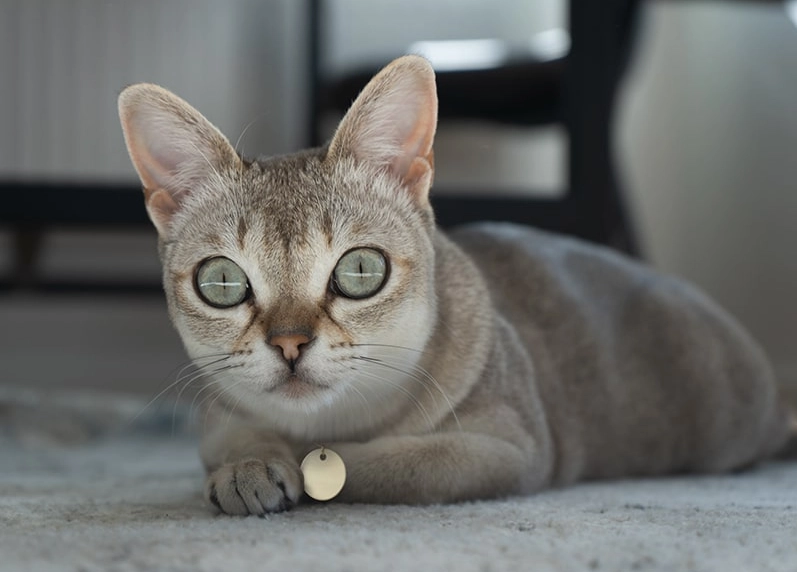
The Role of HDB Policies
It's impossible to discuss cats in Singapore without mentioning HDB rules. Officially, you can only keep one cat in an HDB flat, and it must be kept indoors. This policy directly shapes cat ownership. It encourages single-cat households and makes the adoption of already indoor-adapted community cats or breeds like the Singapura (which thrives on human attention) a logical choice. It also, controversially, leads to some abandonment when people illegally keep multiple cats and face issues. Understanding this rule is key to responsible ownership here.
Adopting and Caring for Singapore's Common Cats
So, you want to bring one of Singapore's common cats home? Your path depends on which "common" you choose.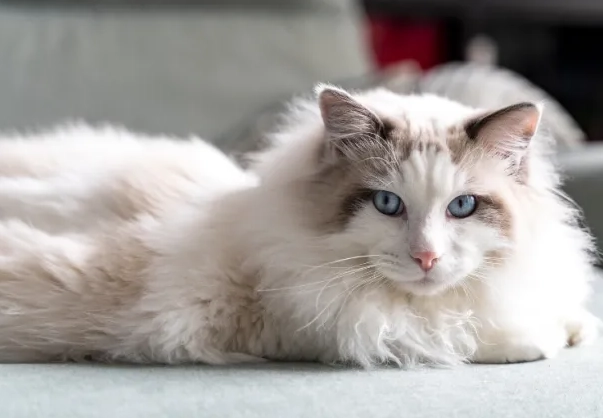
Adopting a Community Cat: This is the most impactful route. Shelters are full of amazing cats, from shy seniors to playful kittens born to community mothers. The process usually involves an application, a meet-and-greet, and an adoption fee that is a fraction of a breeder's price. You're not just getting a pet; you're directly alleviating the shelter crisis. Many of these cats are already sterilized, vaccinated, and microchipped. My own cat, a sleek black former void deck resident, took about two weeks to fully claim my sofa as his throne. His resilience and intelligence constantly surprise me.
Acquiring a Singapura: This requires research. You must find a reputable breeder who prioritizes health and temperament. Be prepared for a waitlist and a significant cost. Ask for health clearances, meet the parents if possible, and visit the cattery. Be wary of anyone selling "rare" colors outside the breed standard—that's a red flag.
Care Commonality: Regardless of origin, all cats in Singapore need:
- Air-Conditioning Breaks: Not constant AC. Let them experience the ambient temperature to adapt. Provide cool tile surfaces to lie on.
- Hydration Focus: In the heat, cats need to drink more. Consider a water fountain to encourage intake.
- Parasite Vigilance: Year-round flea/tick/heartworm prevention is non-negotiable, even for indoor-only cats. Our climate is paradise for parasites.
- Indoor Enrichment: Especially crucial for HDB living. Cat trees by windows, interactive toys, and daily play sessions are essential for mental health.
Your Questions, Answered (FAQs)
So, what is the most common cat in Singapore? By sheer numbers and presence, it's the adaptable, diverse, and deeply integrated community cat. By fame and cultural identity, it's the charming Singapura. Understanding this duality gives you a complete picture of Singapore's unique feline world—one where pedigree and street-smart resilience coexist under the same tropical sun. Whether you're looking to adopt, volunteer, or simply be a better neighbor to the cats around you, appreciating both sides of this story is the first step.