There's something undeniably magical about a Forest Cat. It's not just the size, though that's part of it. It's the aura—a poised, intelligent gaze from a face framed by a magnificent ruff, a plume of a tail that seems to have its own personality, and a thick, weather-resistant coat that whispers of snowy woods and ancient folklore. Breeds like the Norwegian Forest Cat, the Siberian, and the Maine Coon captivate us. But behind the fairy-tale looks are real animals with specific needs, personalities, and quirks. If you're dreaming of sharing your home with one of these gentle giants, you need to look beyond the Instagram photos. Let's talk about what it's really like.
Your Quick Guide to Forest Cat Breeds
Meet the Majestic Forest Cat Breeds
Calling them all "big fluffy cats" is like calling all sports cars "fast red cars." The differences matter. Each breed developed in a specific harsh climate—Norway's fjords, Siberia's taiga, North America's Northeast—and those origins shaped everything from their coat texture to their problem-solving skills.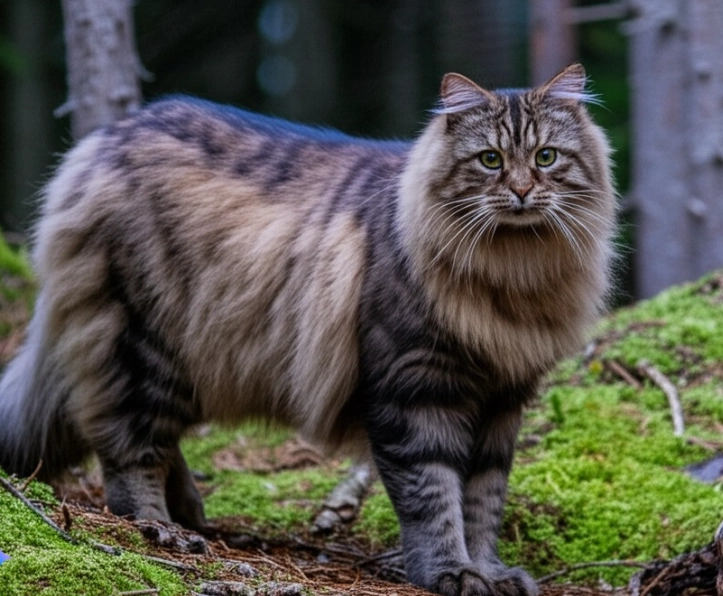
The Norwegian Forest Cat: The Fairy-Tale Explorer
This is the cat of Viking legends. The "Wegie" is built like a climber—muscular hind legs, strong claws, and a double coat with a woolly underlayer and long, water-shedding guard hairs. That coat isn't just for show; it's why they can look soaked on the surface but have dry skin underneath.
Their personality is independent but loyal. Don't expect a constant lap cat. They'll follow you from room to room, supervise your work, then claim the highest perch in the house to survey their domain. They tend to be quieter, with soft chirps rather than loud meows. A common mistake? Assuming their independence means low maintenance. That coat matts if ignored, and a bored Wegie with strong claws can redecorate your furniture.
The Siberian Forest Cat: The Affectionate Hypoallergenic Hope
Hailing from Russia, the Siberian is a powerhouse wrapped in a deceptively plush, triple coat. It's dense and needs regular grooming, but many fans swear it's worth it because of the breed's potential for lower Fel d 1 allergen production. Studies, like those referenced by the International Cat Association (TICA), note this variation, but it's not a guarantee for every allergic person.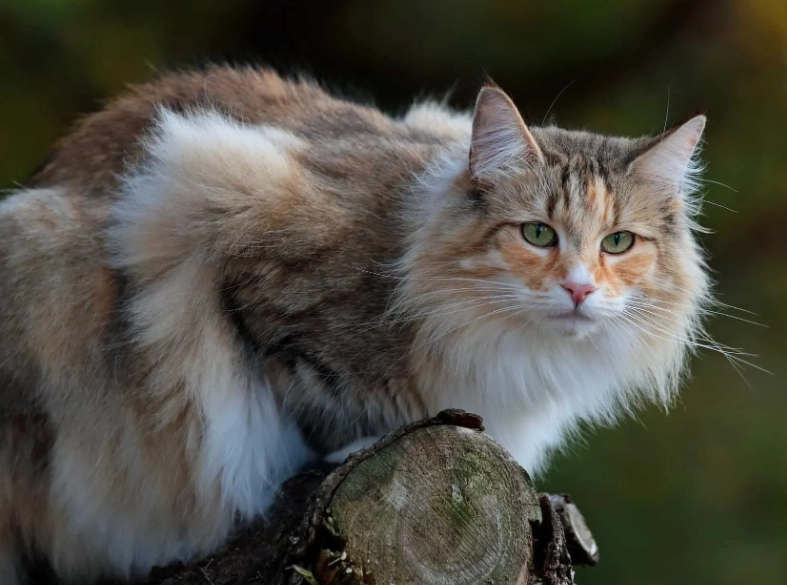
Personality-wise, they're often described as dog-like. They greet you at the door, play fetch, and are remarkably patient. I've seen a Siberian calmly tolerate a toddler's clumsy hugs. They form deep bonds and can be surprisingly chatty, with a wide range of trills and meows. Their intelligence is often paired with a gentle, sometimes goofy demeanor.
The Maine Coon: The Gentle Giant of America
The Maine Coon is the most recognizable, with those lynx-like ear tufts, square muzzle, and that magnificent, bushy tail. They're one of the largest domesticated breeds. Their coat is shaggy and uneven, designed to shed water and snow, with a lighter undercoat than the Norwegian.
Don't let the size intimidate you. Maine Coons are famously gentle, playful well into adulthood, and highly social. They're the clowns of the Forest Cat world. Many love water—don't be surprised to find one patting at your shower stream or dipping a paw in your water glass. They tend to be more adaptable to various living situations than the others, but they still need space to stretch out and play.
| Breed | Origin | Average Weight | Coat & Key Feature | Personality Vibe |
|---|---|---|---|---|
| Norwegian Forest Cat | Norway | 12-16 lbs (males) | Double-layer, water-resistant. Built-in "snowshoes" (toe tufts). | Independent observer, quiet, agile climber. |
| Siberian Forest Cat | Russia | 10-17 lbs | Triple-layer, very dense. Known for potential lower allergen levels. | Affectionate, dog-like, playful, patient with families. |
| Maine Coon | United States | 13-18 lbs (males can be larger) | Shaggy, uneven length. Iconic ear tufts and bushy tail. | Gentle giant, social clown, adaptable, often loves water. |
How to Choose the Right Forest Cat Breed For You
Forget just picking the prettiest one. This is a 15-year commitment to a creature with the strength and intelligence of a small, furry roommate. Ask yourself these questions.
What's your living space like? A spacious house with cat trees is ideal, but it's not just about square footage. Vertical space is currency for these cats. A studio apartment can work for a Maine Coon if you install wall shelves and a massive floor-to-ceiling tree. A Norwegian, however, might feel its exploratory instincts are stifled in the same space.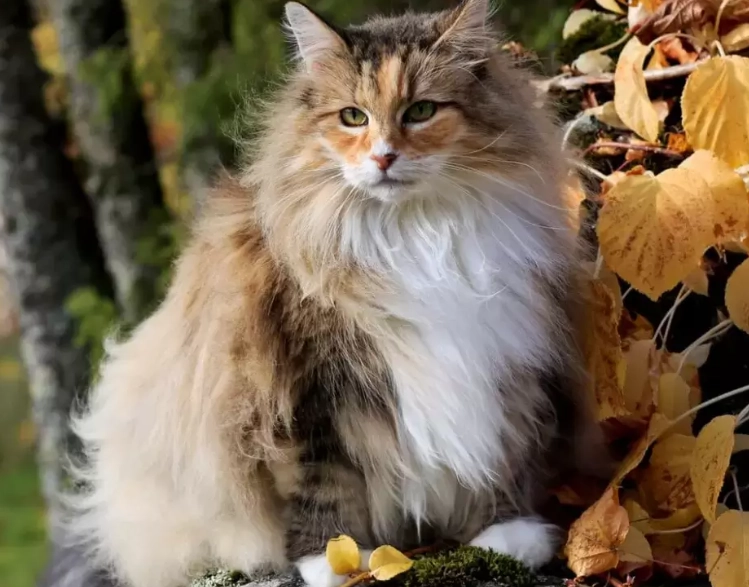
What's your daily routine? These aren't cats you can leave with just a food bowl for 12 hours. Siberians and Maine Coons crave interaction. A Norwegian might be more self-entertaining, but they still need engagement. Can you commit to 20-30 minutes of active play (feather wands, laser pointers, puzzle toys) every single day?
Who else is in the home? Siberians are typically fantastic with respectful children and other pets. Maine Coons are usually tolerant and playful. Norwegian Forest Cats can be wonderful, but they may prefer older children who understand boundaries. Always introduce any pet slowly.
Daily Life and Care: Beyond the Brush
Everyone talks about grooming, and yes, it's critical. But it's not the only thing.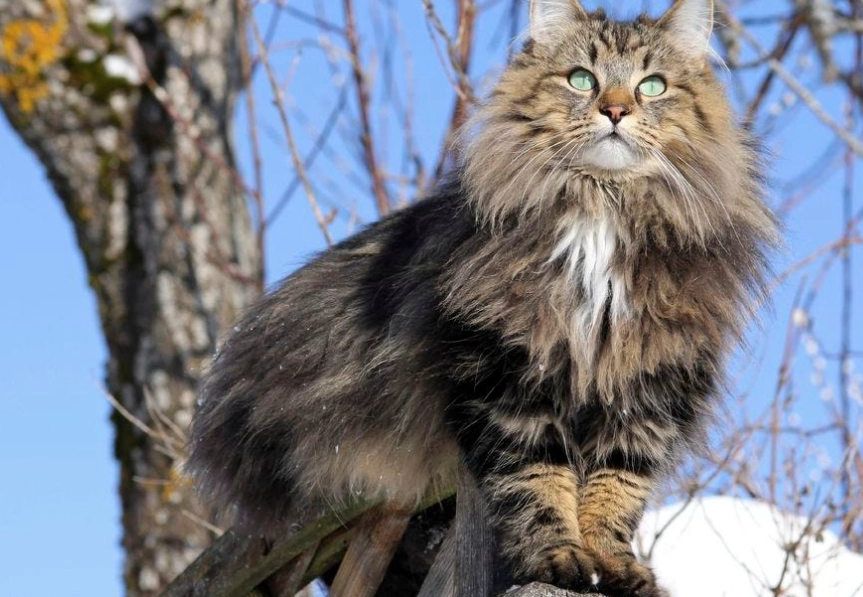
The Grooming Reality Check
Twice a week is baseline maintenance. You're preventing mats, distributing skin oils, and bonding. But during spring and fall sheds, it's a daily battle. You'll need a slicker brush to break up undercoat and a stainless steel comb to check for and tease out any small mats before they become big ones. Pay special attention to the "breeches" (back of the thighs), armpits, and belly. Many owners find a deshedding tool like the Furminator useful during heavy sheds, but use it cautiously to avoid damaging the topcoat.
Diet and Health Considerations
Large breeds have large frames to support. A high-quality diet rich in animal protein is essential. Be vigilant about weight management; an extra two pounds on a large cat puts significant stress on joints. Talk to your vet about monitoring for breed-specific issues. For example, Maine Coons have a higher incidence of hypertrophic cardiomyopathy (HCM), and responsible breeders screen for it. Norwegian Forest Cats can be prone to glycogen storage disease IV. A good breeder will provide health clearances for the parents.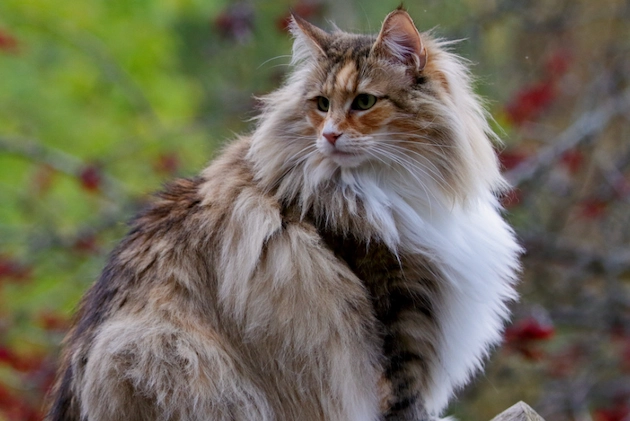
Environmental Enrichment is Non-Negotiable
A bored Forest Cat is a destructive Forest Cat. They need to hunt, climb, and solve problems.
Climbing: Invest in the sturdiest, tallest cat tree you can find. Wall-mounted shelves create a "cat highway."
Hunting: Rotate interactive toys. Wand toys that mimic birds or insects are best. Never leave string or rubber bands lying around—ingestion can lead to serious surgery.
Solving: Food puzzles, treat-dispensing balls, and even clicker training for tricks engage their sharp minds and prevent boredom.
Expert Insights and Common Pitfalls
After years of talking to breeders, vets, and owners, a few patterns emerge that new owners often miss.
The "Slow Maturity" Trap. These cats take 3-5 years to fully mature. That gorgeous two-year-old Maine Coon is still a gangly teenager in a giant's body. Their energy and clumsiness can last longer than you'd expect. Be patient.
Underestimating the Cost. It's not just the initial purchase from a reputable breeder (which can be $1,000-$2,500). It's the high-quality food they eat more of, the larger doses of flea/heartworm medication, the extra-large litter boxes (I recommend two), the sturdy furniture, and potential for higher vet bills for conditions like arthritis later in life. Pet insurance is a very wise consideration.
The Single Cat Dilemma. While some Forest Cats can be fine as only pets, many thrive with a feline companion, especially if you're gone during the day. A pair can entertain each other, reducing behavioral issues stemming from loneliness. Getting two kittens from the same litter is often the easiest path.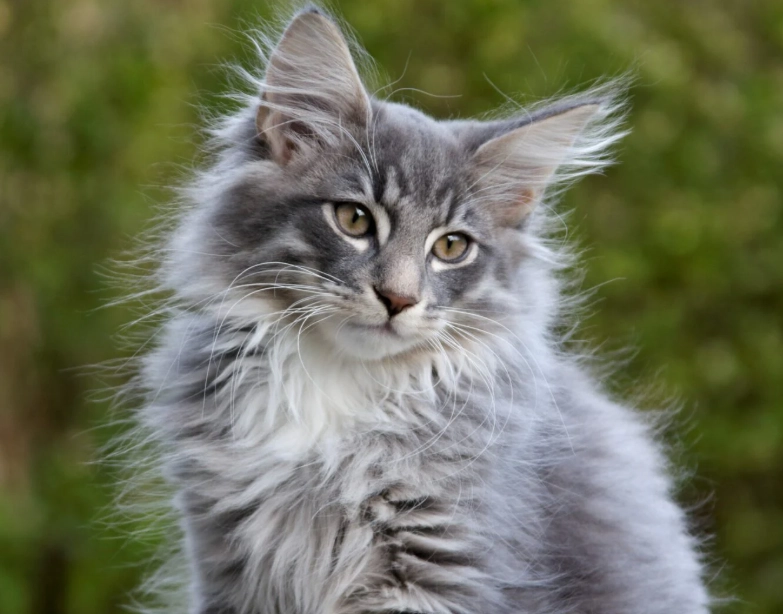
Your Forest Cat Questions Answered
Bringing a Forest Cat into your life is a decision that shapes your daily routine for years. It's hair on your clothes, the thud of a heavy body jumping down at 3 a.m., and the investment in a vacuum designed for pet hair. But it's also the quiet comfort of a warm, purring presence beside you, the hilarious antics of a giant cat trying to fit in a small box, and the unique bond with a creature that feels both wild and deeply devoted. Do your homework, choose with your head as much as your heart, and you could gain a truly majestic companion.