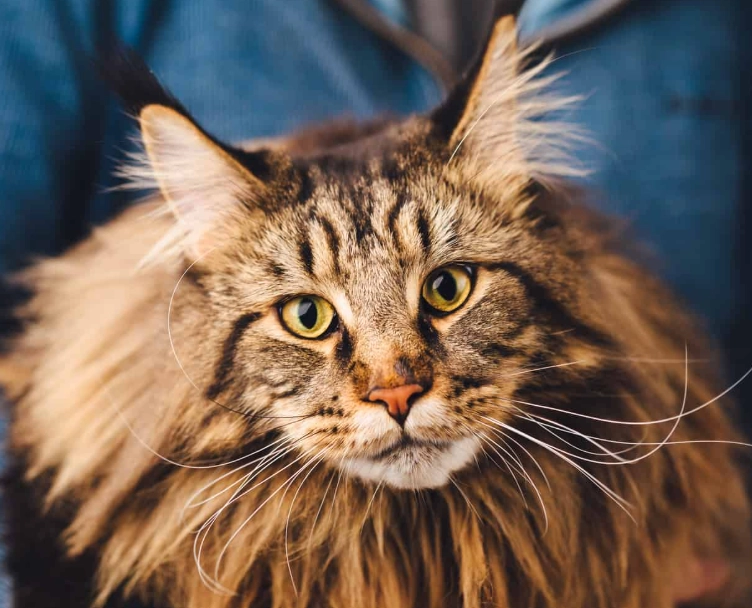
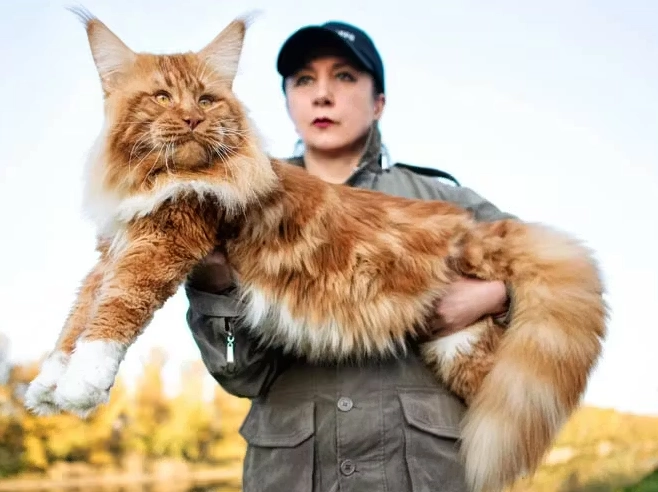
You see a picture of a majestic, long-haired cat with lynx-like ear tufts and a bushy tail. It looks like a creature from a fairy tale. You think, "I must have one." Then you start looking, and the search feels... quiet. Breeder websites mention waiting lists. Prices make you blink. Suddenly, the question hits: Are Norwegian Forest Cats actually rare? The short answer is yes, but not in the way you might think. They're not endangered, but they are uncommon and selectively available. Getting one is less like buying a pet and more like applying for a limited membership. Let's break down why.
What You'll Discover in This Guide
Defining "Rare" in the Cat World
In feline terms, "rare" doesn't mean teetering on extinction. According to The International Cat Association (TICA) and the Cat Fanciers' Association (CFA), it refers to breeds with a relatively small number of registered litters each year compared to giants like Persians or Maine Coons. The Norwegian Forest Cat sits in a middle ground. It's recognized and established, but you won't find them in every other household.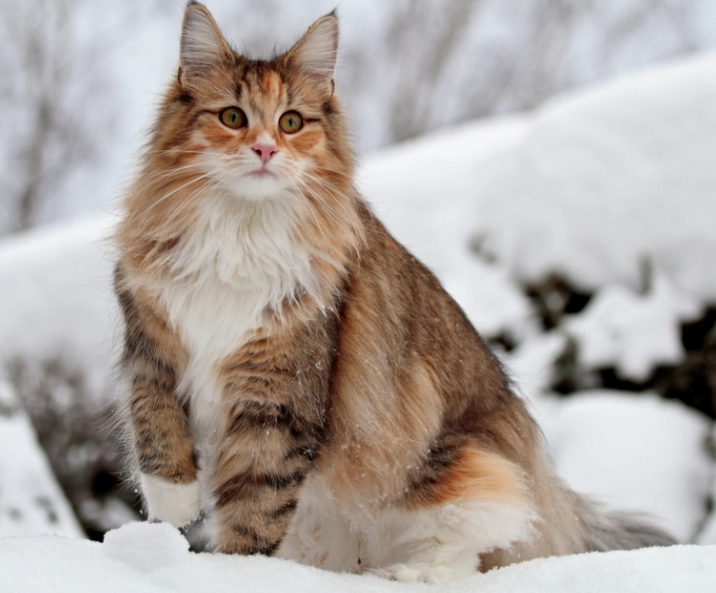
Think of popularity like a concert. Domestic shorthairs are the free festival in the park—everywhere. Maine Coons are the stadium tour—hugely popular, lots of tickets, but still a premium experience. Norwegian Forest Cats are the intimate theater show. The venue is smaller, the tickets are fewer, and the process to get one requires more planning.
Why Are Norwegian Forest Cats Less Common? The Three Pillars
Their relative scarcity isn't an accident. It's built into their biology and the ethics of those who breed them.
1. Deliberate, Slow Breeding Cycles
Reputable breeders are the gatekeepers, and they move slowly. Why? Norwegian Forest Cats are a large, slow-maturing breed. Females shouldn't be bred too young, and litters are typically smaller (4-6 kittens) than in some other breeds. A responsible breeder focusing on health, temperament, and conforming to the breed standard (like the "double coat" and robust structure described by CFA) might only have one or two litters per year per queen. This isn't a factory. It's a passion project with a long timeline.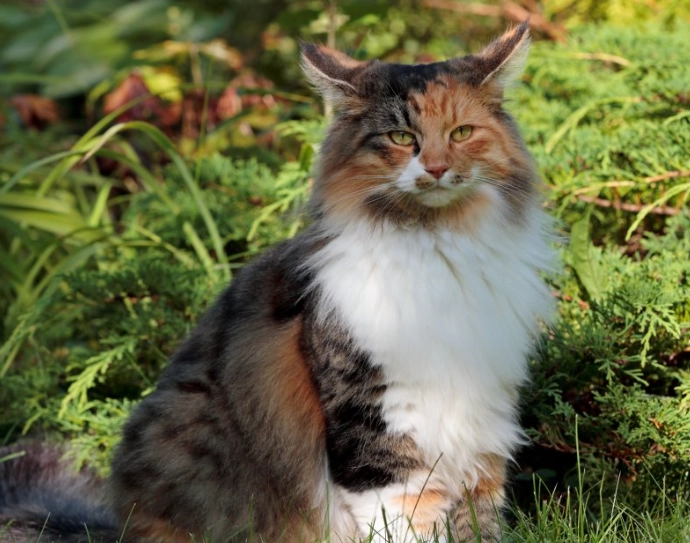
2. High Demand Meets Meticulous Screening
The internet has made their majestic looks famous. Demand has skyrocketed. But ethical breeders don't just sell to the highest bidder. They interview potential owners. They want to know about your home, your lifestyle, your plans for vet care. They might ask if you've had large, active cats before. I know someone who was on a waiting list for two years. The breeder was matching kittens to families based on personality, not just color preference. This screening process naturally limits the flow of kittens into the pet population.
3. The "Maine Coon Shadow" and Misidentification
Let's be honest. To the untrained eye, a fluffy Norwegian Forest Cat and a fluffy Maine Coon can look similar. Maine Coons are currently more popular and have more breeders. Some people who want a "big fluffy cat" default to the Maine Coon because information and availability are greater. This dilutes the perceived demand for Wegies (the affectionate nickname), even among those who might actually prefer their slightly more reserved, fairy-tale demeanor.
The bottom line: They are uncommon by design. Their rarity is a function of ethical breeding practices and natural biological limits, not a lack of interest. This directly impacts the next big question: cost.
How Much Does a Norwegian Forest Cat Really Cost?
This is where rubber meets the road. The purchase price is just the entry fee. Let's talk numbers, breaking the taboo around pet finances.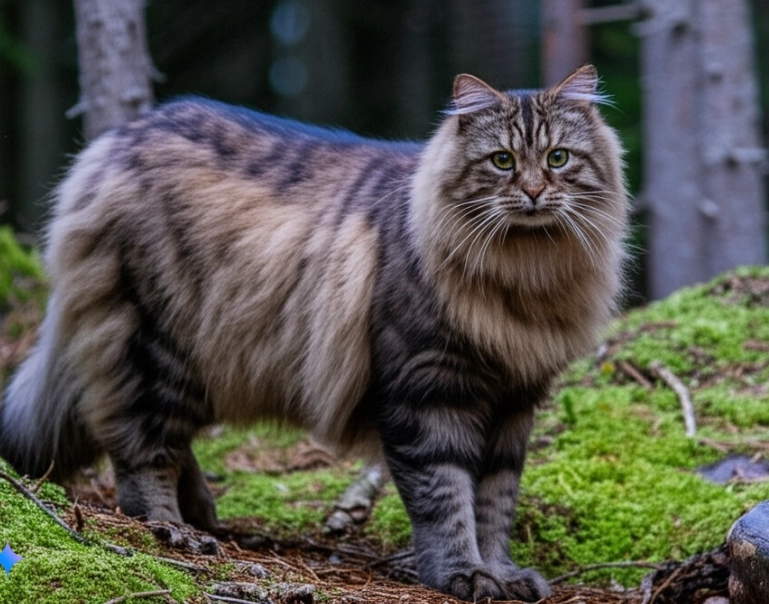
| Cost Category | Price Range (USD) | Notes & Why It Varies |
|---|---|---|
| Kitten from Reputable Breeder | $1,200 - $3,000+ | Lower end for pet-quality (spay/neuter contract), higher for show-quality or rare colors. Includes initial vet checks, vaccines, microchip. Prices under $1,000 should be a major red flag. |
| Initial Setup & Supplies | $500 - $1,000 | Extra-large carrier, sturdy tall cat trees (they are climbers!), premium food, litter boxes, grooming tools (undercoat rake is a must), scratching posts. |
| Annual Ongoing Costs | $800 - $2,000 | High-quality food (large cats eat more), premium litter, routine vet care, pet insurance (highly recommended), grooming supplies replacement. Insurance alone can be $40-$80/month for a large breed. |
| Potential "Surprise" Health Costs | Variable | While generally healthy, like all purebreds, they can have predispositions. A reputable breeder will test for Hypertrophic Cardiomyopathy (HCM) and Glycogen Storage Disease IV (GSD IV). Insurance is your best friend here. |
You see a kitten advertised for $600. It seems like a steal. But that low price almost certainly means the breeder skipped genetic health testing, early socialization, and proper vet care. You're not saving money; you're buying future vet bills and behavioral problems. The initial high cost from a good breeder is an investment in predictability.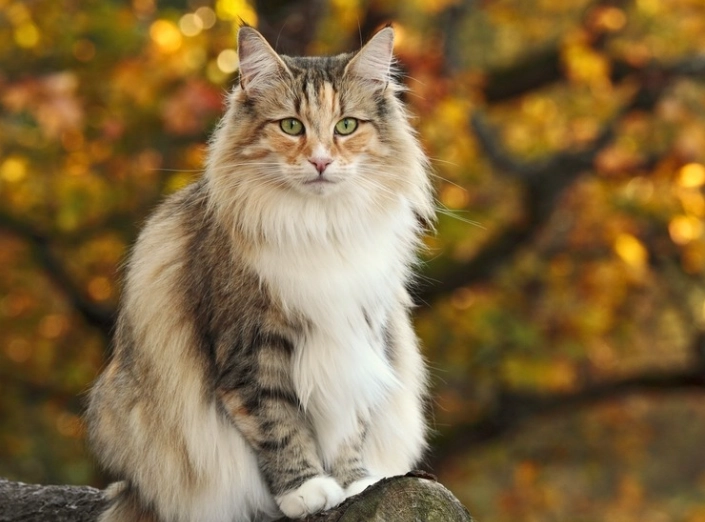
How to Find and Ethically Acquire a Norwegian Forest Cat
So, you're committed. Here's your action plan, moving beyond a simple Google search.
Step 1: Start with the Registries. Go directly to the breeder directories on the TICA and CFA websites. These are vetted starting points.
Step 2: Prepare for an Interview, Not a Transaction. When you contact a breeder, be ready to talk about yourself. A good one will ask about your home environment, other pets, work schedule, and knowledge of the breed. If they just ask for a deposit, run.
Step 3: Ask the Right Questions. You're screening them too. Ask:
- Can I see the genetic health testing results for both parents (specifically HCM and GSD IV)?
- At what age do you let kittens go home? (12-16 weeks is standard for proper socialization).
- Can I visit your cattery or meet the parents via video call?
- What is your contract like? It should require spay/neuter and have a health guarantee.
Step 4: Consider Adoption, but Be Patient. Breed-specific rescues like "Norwegian Forest Cat Rescue" (often networked across the US and Europe) do exist. Adult Wegies sometimes need rehoming. The wait can be long, but it's a wonderful option.
Beyond the Fluff: The Care Essentials Everyone Gets Wrong
Owning one isn't just about admiring their beauty. Here are the gritty details most listicles gloss over.
Grooming: The Undercoat is the Real Job. Everyone says their coat is "easy" because it doesn't mat like a Persian's. That's dangerously half-true. The topcoat is silky and manageable. The dense, woolly undercoat is a shedding machine. If you only brush the surface, that undercoat will compact into mats against the skin and shed all over your house. You need an undercoat rake, used 2-3 times a week, not just a slicker brush.
Space is Vertical. They are called the "forest" cat for a reason. They need to climb. A tall, robust cat tree is non-negotiable. Think 6 feet or taller. Window perches and wall shelves turn your home into their kingdom. A house without vertical space is a prison for them.
They're Chatterboxes, Not Lap Cats. Don't expect a constant cuddle bug. Many are "nearby" cats. They'll follow you room to room, chirp and trill at you with a soft voice, and may only settle in your lap on their own terms. Their affection is loyal but often on the quieter, more independent side.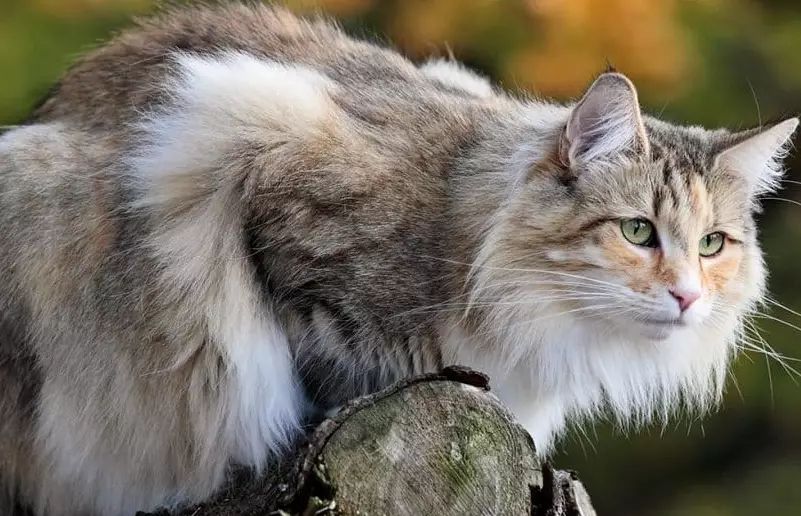
The Questions You're Actually Asking
So, are Norwegian Forest Cats rare? Yes, in the sense that acquiring one from a responsible source requires patience, thorough research, and a significant financial and time commitment. They are not a casual impulse buy. Their rarity is a filter. It ensures that those who bring one of these magnificent, fairy-tale creatures home are truly prepared for the reality behind the fluff. If you're willing to navigate the waitlists, invest in their care, and provide a kingdom fit for a forest-dwelling explorer, the reward is a unique and deeply rewarding companionship that's genuinely uncommon.