Quick Guide
- Meet the Breeds: Balinese and Javanese, Not Just Fluffy Siamese
- That Gorgeous Coat: Appearance and Grooming Reality Check
- The Personality Behind the Plume: What It's Really Like to Live With One
- Health and Lifespan: What to Watch For
- Finding Your Long-Haired Companion: Breeder vs. Rescue
- Final Thoughts: Is a Long-Haired Siamese Cat Right for You?
Let's clear this up right from the start. If you're searching for "Siamese cat long hair," you're probably picturing a classic, sleek Siamese but with a luxurious, flowing coat. Maybe you saw a stunning photo online. The thing is, what you're imagining isn't a standard Siamese cat at all. It's a whole separate, and frankly, wonderful breed (or two). This confusion trips up so many potential cat owners. I've had friends fall in love with the idea, only to discover the cat world has its own specific names and rules. It's not just semantics—knowing the correct breed names is your first step to finding a healthy, happy companion and understanding their unique needs.
That gorgeous long-haired version of a Siamese is most likely a Balinese cat. Sometimes, you might also be looking at a Javanese cat. Both are essentially long-haired Siamese cats, sharing almost all the personality traits of their short-coated cousins but wrapped in a silky, plume-tailed package. This guide is here to cut through the confusion. We're going to dive deep into what makes these long-haired Siamese variants special, how to care for that beautiful coat, and what you're really signing up for when you bring one of these vocal, velcro kitties home.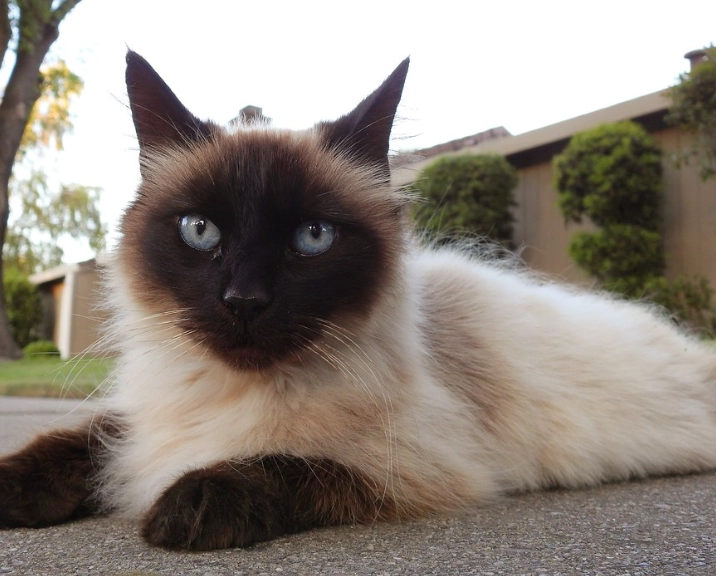
Meet the Breeds: Balinese and Javanese, Not Just Fluffy Siamese
It all started with a happy accident. Back in the mid-20th century, long-haired kittens would occasionally pop up in litters of purebred Siamese. Breeders, initially seeing them as flawed, eventually recognized their beauty and began selectively breeding these long-haired cats. The name "Balinese" was chosen for its grace, reminiscent of Balinese dancers—it had nothing to do with the island of Bali. The Cat Fanciers' Association (CFA) officially recognized the Balinese in 1970. You can read about their detailed breed standard on the CFA's official Balinese page.
The Javanese name is a bit more tangled. In some registries like CFA, "Javanese" refers to Balinese cats in non-traditional Siamese point colors (like lynx or tortie points). In other organizations, it's a separate breed altogether. For most cat lovers, the distinction is subtle. The core experience is the same: a sociable, intelligent, and slender cat with a medium-long, silky coat that doesn't mat easily. It's the personality that truly defines them, not just the hair length.
I remember visiting a breeder who had both Siamese and Balinese. The difference in presence was fascinating. The Siamese were elegant arrows, all sharp lines. The Balinese had this softer, flowing elegance. But the second they opened their mouths? Identical. That loud, opinionated yowl came from both equally.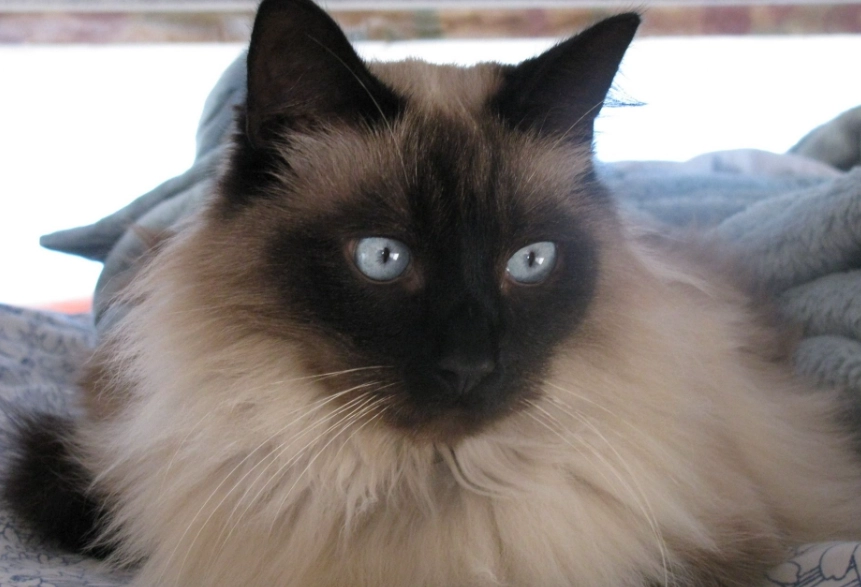
Balinese vs. Javanese: What's the Real Difference?
This is where it gets technical, but it's important for your search. The main difference accepted by major associations like CFA is color.
| Feature | Balinese Cat | Javanese Cat (CFA Definition) |
|---|---|---|
| Recognized Point Colors | The four traditional Siamese colors: Seal, Chocolate, Blue, Lilac. | Any other point color beyond the traditional four. This includes Red/Cream, Lynx (Tabby), Tortoiseshell, and various combinations. |
| Coat & Body Type | Identical. Medium-long, fine, silky coat. No woolly undercoat. Svelte, muscular body. | Identical. They are the same breed physically, distinguished only by color genetics. |
| Personality | Highly social, vocal, intelligent, affectionate, demanding of attention. | Identical. Color does not affect temperament. |
| Grooming Needs | Moderate. Weekly brushing is sufficient due to lack of undercoat. | Identical. |
Other registries, like The International Cat Association (TICA), may classify them differently. TICA's breed standards offer another perspective for enthusiasts. The bottom line for a potential owner? If you want a classic "Siamese" look but long-haired, you want a Balinese. If you're drawn to a long-haired cat with striking lynx points or red flames, you're likely looking at what's called a Javanese.
That Gorgeous Coat: Appearance and Grooming Reality Check
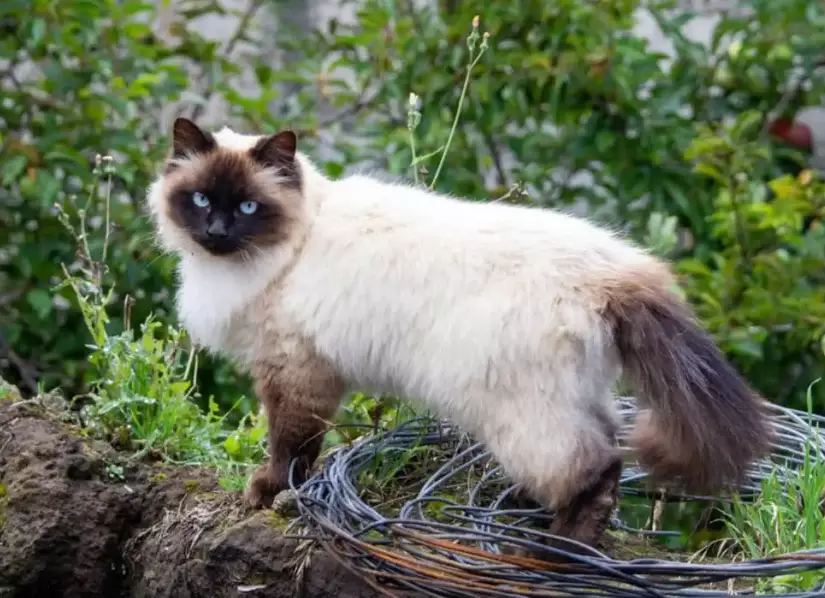
Let's talk about the main event: the fur. A Balinese or Javanese coat is nothing like a Persian's. It's a single coat, meaning there's minimal undercoat. This is a game-changer. It feels like raw silk—fine and smooth. It lies close to the body, flowing rather than puffing out. The most dramatic features are the magnificent plumed tail and the longer fur on the neck ruff.
Because there's no thick undercoat, it's surprisingly low-maintenance for a long-haired cat. It doesn't mat or tangle nearly as easily as other longhairs. That said, calling it "maintenance-free" is a stretch. You still need to commit to a routine.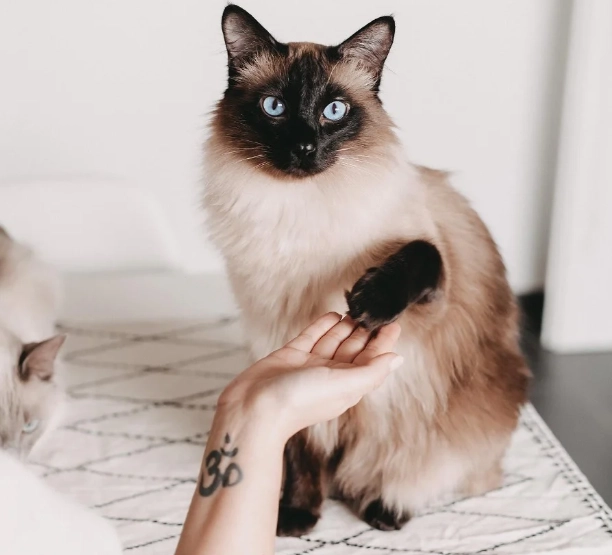
A Realistic Long-Haired Siamese Grooming Schedule
Here’s what I’ve found works, based on talking to breeders and owners:
- Weekly Brush-Out: This is non-negotiable. Use a high-quality stainless steel comb or a slicker brush. A weekly session removes loose hair, distributes skin oils, and prevents any potential tangles from forming, especially under the arms. It's also prime bonding time. My friend's Balinese, Mochi, demands his brushing session every Sunday morning—he'll yell until it happens.
- Shedding Seasons: Twice a year, you might need to bump this up to twice a week. They do shed, but the lack of undercoat means it's often less overwhelming than a double-coated cat.
- Bathing? Rarely needed. Their coat tends to stay clean. Maybe once or twice a year if they get into something sticky. Over-bathing can strip their natural oils.
- The Big One: Nail Trims and Dental Care. Honestly, grooming isn't just about fur. These active cats need regular nail trims to avoid getting caught in carpets (and your skin). Dental care is critical for any breed; start early with tooth brushing or dental treats.
So, is a long-haired Siamese cat hypoallergenic? This is a huge search topic. The answer is nuanced. No cat is truly hypoallergenic. The primary allergen, Fel d 1, is in cat saliva and skin oils, not just fur. However, because Balinese/Javanese cats have a single coat and may produce slightly less of the allergen (anecdotal, not definitively proven), some people with mild allergies tolerate them better. But it's not a guarantee. Always spend time with a breed before bringing one home if allergies are a concern.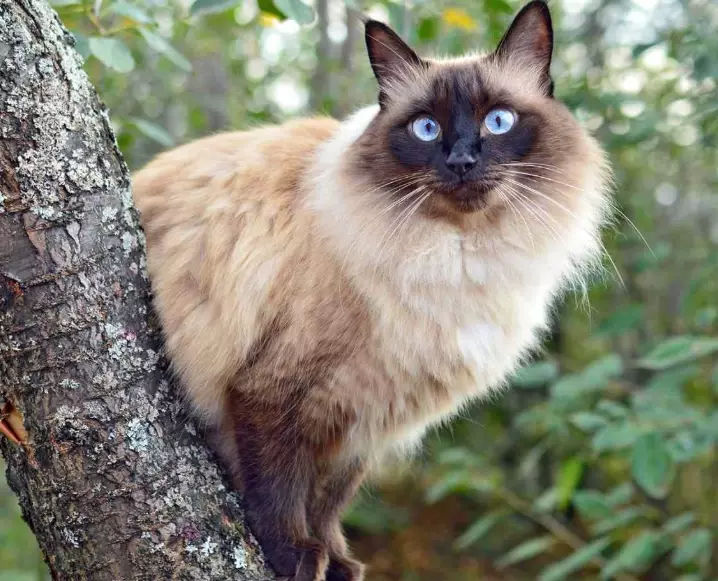
The Personality Behind the Plume: What It's Really Like to Live With One
If you're getting a long-haired Siamese cat for just the looks, you're in for a shock. The coat is the wrapping paper; the personality is the tornado inside the box. They inherit the full, unadulterated Siamese temperament.
Think of them as permanent toddlers with opposable thumbs (they can open cabinets) and a megaphone. They are incredibly people-oriented. We're not talking about a cat that will grace you with its presence occasionally. This is a cat that will follow you from room to room, supervise your toilet time, and sleep draped across your neck. They form intense bonds and can suffer from separation anxiety if left alone for long periods daily.
And the voice. Oh, the voice. They don't just meow. They converse. They comment on your cooking, critique your TV choices, and demand to know why breakfast is 30 seconds late. It's a loud, raspy, distinctive voice. Some people find it endearing; others find it overwhelming. You need to be honest with yourself about this.
They are also frighteningly smart. Puzzle toys aren't a luxury; they're a necessity to prevent boredom and destructive behavior. You can easily teach them tricks—fetch, high-five, even walking on a harness. A bored long-haired Siamese cat is a recipe for trouble. They might redecorate your house by knocking things off shelves or develop behavioral issues.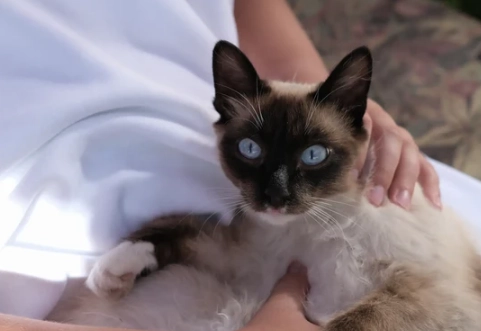
Are They Good Family Cats?
Yes, but with conditions. They often do well with respectful children and other pets, especially if introduced properly. They need a playful companion, whether human or animal. But they can be demanding and may not appreciate the unpredictable handling of very young toddlers. They thrive in active households where someone is around most of the time. A quiet, empty apartment for 10 hours a day is not an ideal environment for them.
Health and Lifespan: What to Watch For
Generally, Balinese and Javanese cats are considered a healthy, robust breed with a typical lifespan of 15-20 years, sometimes longer. Their genetic pool is closely tied to the Siamese, so they share some of the same potential health considerations. Responsible breeding is your first and best defense.
When looking for a breeder, ask about testing for these common genetic issues in Siamese lines:
- Progressive Retinal Atrophy (PRA): A genetic disease that causes blindness. Reputable breeders test their breeding stock for the gene. Organizations like the Orthopedic Foundation for Animals (OFA) maintain databases for such genetic tests.
- Amyloidosis: A disease where amyloid proteins are deposited in organs, particularly the liver. It's more common in some Siamese lines.
- Cardiac Issues: Some lines may have a predisposition to certain heart conditions like aortic stenosis. A breeder should be able to discuss the cardiac health history of their lines.
I learned the hard way with my first cat (not a Siamese) that skipping pet insurance was a mistake. For a purebred cat, getting a good insurance policy when they're a healthy kitten is a smart move. It takes the financial "what-if" stress out of potential future health issues.
Finding Your Long-Haired Companion: Breeder vs. Rescue
This is the most important step. The allure of a "cheap" long-haired Siamese kitten online is strong, but it's a minefield of backyard breeders and scams.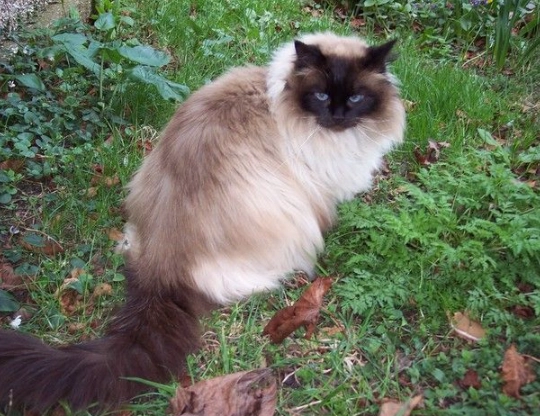
Working with a Reputable Breeder
A good breeder is your partner. They will:
- Ask you as many questions as you ask them.
- Welcome you to visit their cattery and meet the kittens and parents.
- Provide proof of genetic health testing for the parents (not just a vet check).
- Have kittens raised underfoot in a home environment, socialized with people and sounds.
- Provide a clear contract covering health guarantees and requiring spay/neuter unless sold for breeding (to which they are very selective).
- Be a resource for the life of the cat.
They will not have multiple litters available at all times, and you will likely be on a waiting list. Expect to pay a premium that reflects the health testing and care invested. Start your search with the breeder directories on the CFA website or TICA's breeder listings.
Considering Rescue
Purebred cats, including Balinese and Javanese, do end up in rescue. Breed-specific rescue groups are fantastic. They often take in cats from various situations and provide foster care to assess their personality. An adult cat can be a wonderful choice—you skip the kitten crazies and know exactly what personality you're getting. Search for "Siamese cat rescue" or "Balinese rescue" in your region. Petfinder.com is also a great aggregator where you can filter by breed.
Your Questions, Answered (The Stuff You're Actually Searching For)
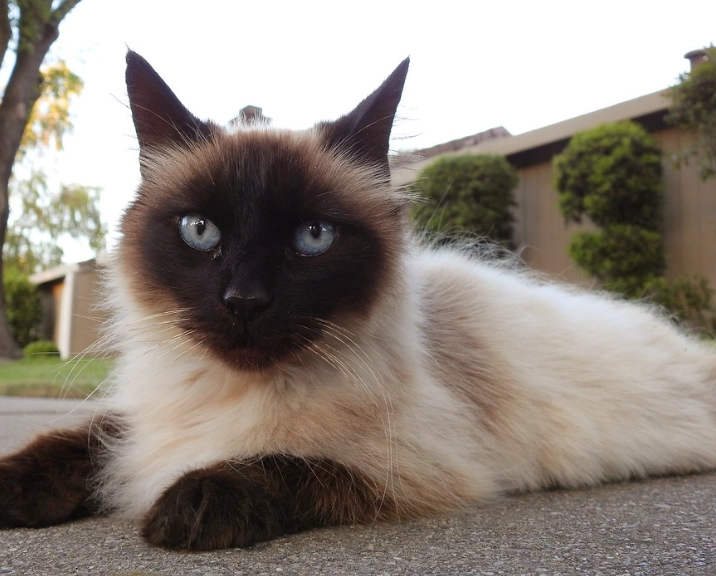
How much does a Balinese or Javanese cat cost?
From a reputable breeder, expect $1,200 to $2,500+ USD for a pet-quality kitten. Show-quality or from rare color lines will be higher. The initial cost is just the start. Factor in lifetime expenses: high-quality food, routine vet care, insurance, toys, and unexpected medical bills.
Do long-haired Siamese cats shed a lot?
They shed less than many other long-haired breeds due to the single coat, but yes, they do shed. Regular brushing is the key to managing it. You'll find silky hairs on your clothes, but it's usually manageable compared to a fluff-ball like a Maine Coon.
Are they good for first-time cat owners?
This is a tough one. They are very rewarding, but their high social needs, intelligence, and vocal nature can be a lot for a first-timer who might be expecting a more independent cat. If you're a first-time owner who is home a lot, ready to be deeply involved, and do your research (like you're doing now!), it can work. But a more laid-back breed might be an easier start.
What's the difference between a Balinese and a Himalayan?
Major difference! Himalayans (or Colourpoint Persians) are a cross between Persian and Siamese. They have the flat Persian face, a stocky body, and a very thick, double coat that mats easily. Balinese have a wedge-shaped head, a slender body, and a single, silky coat. They are fundamentally different in looks and grooming needs.
Can I get a long-haired Siamese cat mix?
Sure, but it's a roll of the dice. A "mix" might have the long hair but not the purebred body type or predictable personality. You might get the coat with a completely different temperament, or vice-versa. If you're set on the specific traits, a purebred from a good breeder is the only way to have a reliable expectation.
Final Thoughts: Is a Long-Haired Siamese Cat Right for You?
Look, I adore these cats. The combination of elegant beauty and clownish personality is hard to beat. But I wouldn't recommend them to everyone.
You should get a Balinese or Javanese if: You want a shadow, a conversationalist, an interactive family member. You are home often or can provide a feline companion. You are committed to weekly grooming and providing mental stimulation. You don't mind (or better yet, enjoy) a vocal cat. You want a long-term companion and are prepared for the potential health costs.
You should think twice if: You crave a quiet, independent cat that minds its own business. You work long hours away from home regularly. You have very low tolerance for noise or demanding behavior. You are unwilling to engage in play and training daily. You want a maintenance-free pet.
Bringing a long-haired Siamese cat into your life is a big commitment to a tiny, loud, silky dictator. But for the right person, that dictatorship is filled with more love, entertainment, and personality than you can imagine. Do your homework, find a responsible source, and get ready for a truly unique relationship. That stunning long-haired Siamese cat isn't just a pet; it's a lifestyle choice.
And one last piece of unsolicited advice? Buy a good vacuum cleaner. You'll need it.