Quick Navigation
- More Than Just a Pretty Coat: Understanding the Patterns
- Black and White Cat Breeds: Who Wears It Best?
- The Great Personality Debate: Are Tuxedo Cats Smarter?
- Caring for Your Monochrome Friend: A Practical Guide
- Finding and Naming Your New Family Member
- Final Thoughts: Is a Black and White Cat Right for You?
Let's be honest, there's something just classic about a black and white cat. That sharp contrast, the way they look like they're wearing a little tuxedo or have been dipped in ink. It's no wonder they pop up everywhere in movies, ads, and of course, all over the internet. But beyond the good looks, what's it actually like to live with one of these striking felines?
I've lived with cats my whole life, and a few bicolor beauties have ruled my home over the years. They've been goofy, regal, stubborn, and incredibly loving—sometimes all in the same hour. This guide isn't just a dry list of facts. It's everything I wish I'd known, mixed with the hard-won experience of sharing a space with these captivating creatures. We'll dig into the science behind their coats, the truth about their personalities (spoiler: it's more than just looking smart), and the real, day-to-day stuff of caring for them.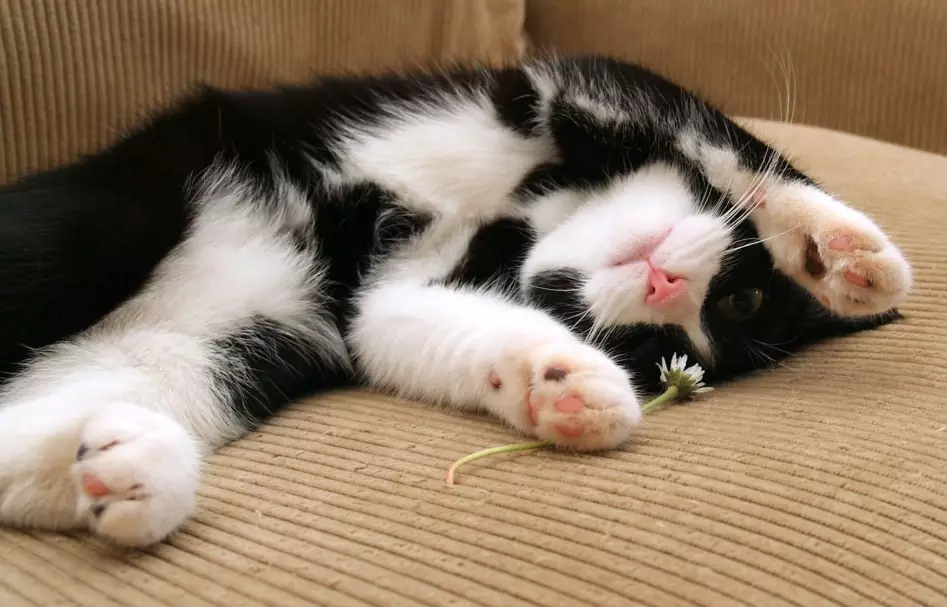
Are all black and white cats the same? Not even close.
More Than Just a Pretty Coat: Understanding the Patterns
First things first, "black and white cat" isn't a breed. It's a color pattern, officially called "bicolor" or "piebald." This pattern can show up in almost any cat breed, from the common Domestic Shorthair to fancy purebreds. The magic (well, genetics) happens because of a gene that limits where the dark pigment, melanin, is deposited on the fur. The white patches are areas where the pigment is absent.
The variety is incredible. You've got your classic Tuxedo Cat—black with a white chest, belly, and paws, looking eternally dressed for a fancy gala. Then there's the Mask-and-Mantle—a black "mask" over the head and a black "cape" over the back and sides, with a white underside. The Cow Cat has larger, more random black spots on a white background. And let's not forget the Cap-and-Saddle or the Van Pattern, where color is mostly on the head and tail.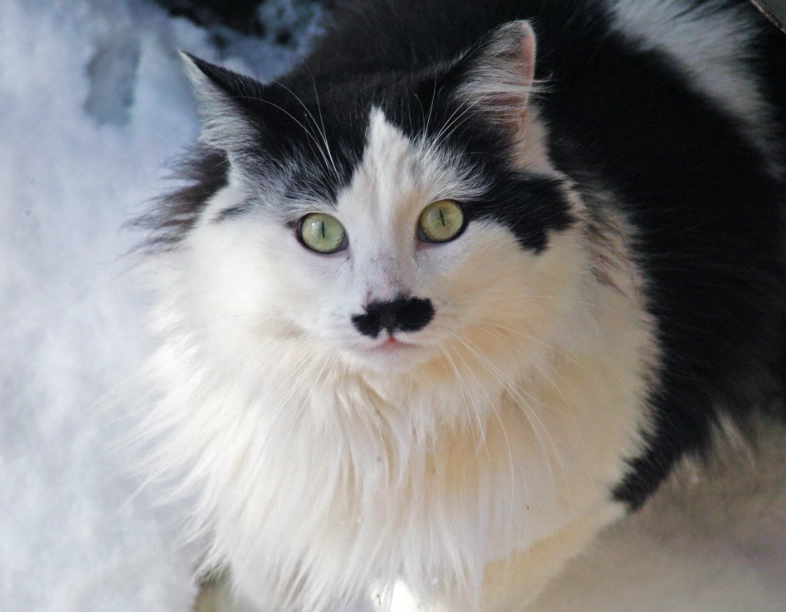
Funny thing, my first cat was a tuxedo who had one perfect white whisker on an otherwise black side of his face. It gave him a permanently lopsided, quizzical look. Adorable, but it also made me wonder—does the pattern affect anything other than looks?
The Genetics Behind the Fur
It all boils down to the piebald or white spotting gene (often symbolized as S). This isn't a simple on/off switch. It's more like a dimmer switch that controls how much of the body remains colored. A cat with a low-expression version of the gene might just have a tiny white locket or some white toes. A high-expression version can result in a mostly white cat with just a few colored patches.
This is why you rarely see two bicolor cats with exactly the same markings. It's a genetic lottery. Breeders can aim for specific patterns, but in the wonderful world of moggies, nature loves a surprise. The International Cat Association (TICA) has detailed standards for bicolor patterns in pedigreed cats, which you can explore on their official website if you're curious about the show-ring specifics.
But here's a practical tip: that white fur? It can stain more easily. A friend's white-chested tuxedo had a brief, unfortunate love affair with a dusty fireplace. Let's just say the dry-cleaning bill for a cat is metaphorical, but the bath was very, very real.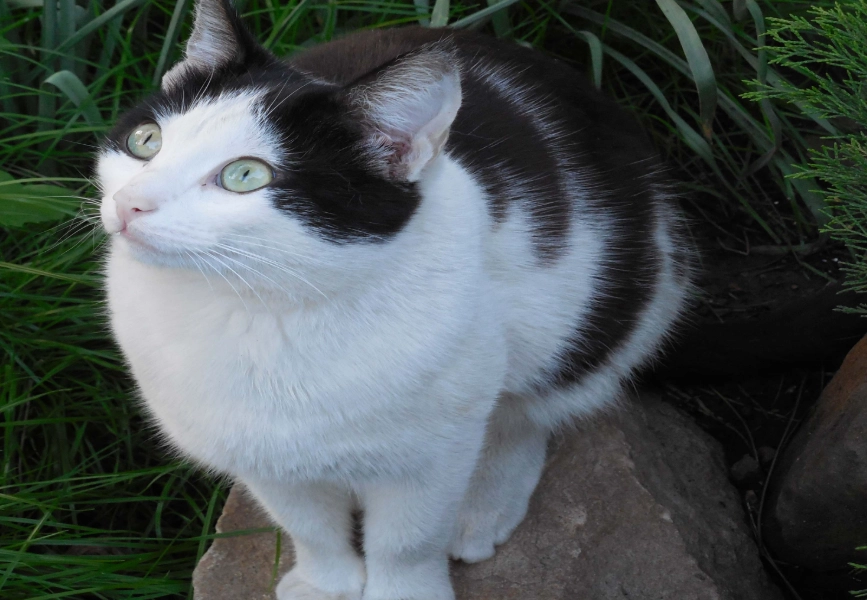
Black and White Cat Breeds: Who Wears It Best?
While any breed can rock the bicolor look, some are particularly famous or prone to this striking pattern. It's important to remember that personality is influenced much more by breed, upbringing, and individual quirks than by coat color alone. But if you have your heart set on a specific look, here are the top contenders.
| Breed | Typical Bicolor Presentation | Key Personality Trait (General) | Care Note |
|---|---|---|---|
| Domestic Shorthair/Longhair | All patterns. The classic "moggy." | Highly variable. A wonderful mix. | Low-maintenance grooming for shorthairs; regular brushing for longhairs. |
| British Shorthair | Often tuxedo or mask-and-mantle. Looks supremely dignified. | Calm, easygoing, not overly demanding. | Dense coat needs weekly brushing. |
| Maine Coon | Any bicolor pattern, often with dramatic flair. | Gentle giant, playful, dog-like. | Heavy shedding; requires frequent grooming to prevent mats. |
| Turkish Van | The *definition* of the Van pattern: color on head and tail only. | Energetic, intelligent, often love water. | Semi-longhaired, but single-coated so less prone to matting. |
| Manx | Common in tuxedo style. | Playful, loyal, can be quite dog-like. | Taillessness gene requires responsible breeding to avoid health issues. |
| Cornish Rex | Wavy coat makes patterns look soft-focused. | Mischievous, athletic, heat-seeking. | Minimal shedding, but needs protection from cold. |
I've always been drawn to British Shorthairs. There's a tuxedo British Shorthair in my neighborhood who sits in his window like a furry, judgmental statue. He embodies the "stately" vibe perfectly. On the flip side, a Maine Coon with the same coloring I met at a shelter was a giant, chirping goofball who tried to steal my shoelaces.
See what I mean? Breed gives you a clue, but the individual cat writes its own story. Adopting a black and white Domestic Shorthair from a shelter is often where you find the most unique and wonderful personalities, without the price tag of a purebred.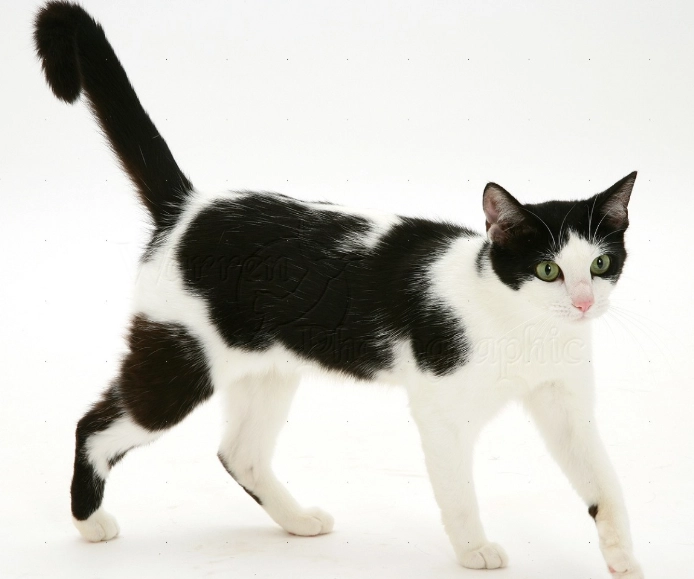
The Great Personality Debate: Are Tuxedo Cats Smarter?
This is the big question, isn't it? You'll find endless anecdotes online about how black and white cats, especially tuxies, are more intelligent, more dog-like, or more mischievous. I think my old tuxedo cat was clever, but he was also spectacularly dumb about trying to fit into boxes that were clearly three sizes too small.
The science is clear: there is no definitive, peer-reviewed study that proves coat color is directly linked to personality traits like intelligence or friendliness in cats. Personality is a complex soup of genetics (breed), early socialization, individual brain wiring, and life experience.
That said, living with several has given me some unscientific observations. They do seem to have a certain... presence. Maybe it's the bold markings giving them confidence. My current black and white cat, a rescue named Domino, has a stubborn streak a mile wide. He's incredibly affectionate on his terms, but if he decides it's not cuddle time, no amount of begging will work. He's also figured out how to open the lever-style door to the pantry. Is that intelligence or just food motivation? The world may never know.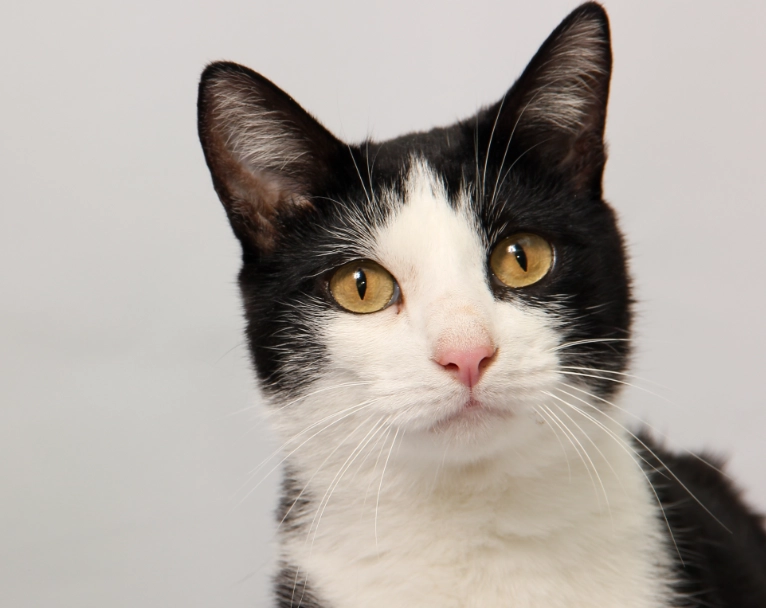
What matters more than color is understanding feline behavior in general. Resources like the American Society for the Prevention of Cruelty to Animals (ASPCA) have excellent guides on common cat behavior that apply to cats of all colors.
What You Can *Realistically* Expect
Instead of magical thinking, here's a more grounded list of traits often associated with well-socialized cats of any color, which you should hope for in your black and white companion:
- Playfulness: A healthy cat is a playful cat. Those stark markings look fantastic zooming around at 3 AM.
- Affection (on their schedule): They may be lap cats or prefer to sit nearby. Don't force it.
- Curiosity: The infamous "cat in a box" phenomenon. It's universal.
- Independence: They are not puppies. They will have alone time.
The bottom line? Expect a cat. A wonderful, individual, sometimes frustrating, always fascinating cat. The black and white coat is just the gorgeous wrapping paper.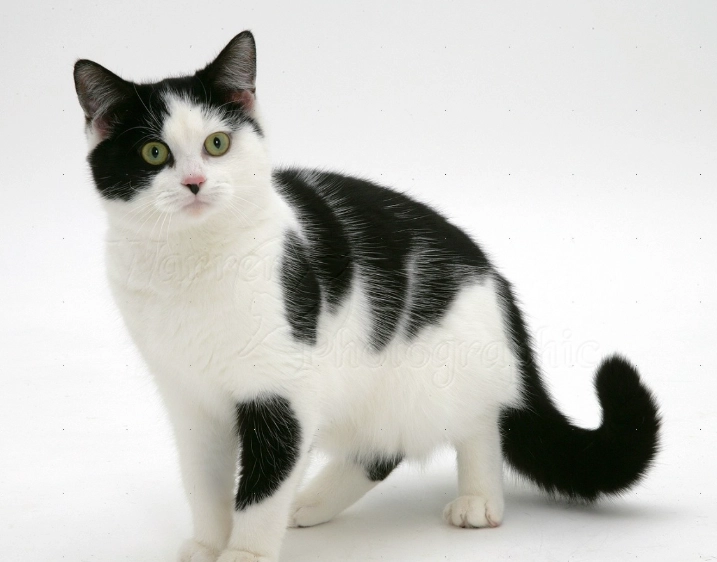
Caring for Your Monochrome Friend: A Practical Guide
Okay, let's get down to brass tacks. Caring for a bicolor cat isn't radically different, but there are a few things that their specific aesthetic brings to the table.
Grooming: Keeping the White White and the Black Shiny
Grooming needs are dictated by fur length, not color. A short-haired black and white cat needs just a weekly brush to reduce shedding and distribute skin oils. A long-haired one needs daily attention to prevent painful mats.
That black fur can look dull if they're not getting the right nutrients. A high-quality diet rich in animal proteins and omega fatty acids will make that black coat look like deep, luxurious velvet.
Health Considerations: The Sun and The Stats
Here's a crucial one: Sun Protection. The pink skin under white fur has little melanin protection. This makes those areas, especially ear tips and noses, highly susceptible to sunburn and, over time, squamous cell carcinoma (a type of skin cancer).
If your black and white cat loves sunbathing, talk to your vet about pet-safe sunscreen. Better yet, provide shaded areas and try to keep them indoors during peak sun hours (10 AM - 4 PM). This is non-negotiable for their long-term health.
Are there other health links? Not specifically to the bicolor pattern itself. Health is tied to breed and genetics. For example, the gene that creates mostly white cats with blue eyes is sometimes linked to congenital deafness. However, a standard black and white cat with normal amounts of color is not at a higher risk for deafness. Always get a vet check for a new pet. Reputable sources like the Cornell Feline Health Center provide great overviews of general feline health.
My Domino is an indoor cat, but he has a secured catio. Even there, the section with a solid roof is his favorite summer spot. The sunny part? He avoids it like the plague after a few minutes. Smart guy.
Nutrition, Exercise, and Enrichment
No surprises here—feed a high-quality, age-appropriate diet. Measure portions to prevent obesity, a huge problem for indoor cats. Provide fresh water always (a fountain can encourage drinking).
Exercise and mental stimulation are key to preventing boredom and bad behavior. A bored cat is a destructive cat. Here's a quick checklist for enriching your black and white cat's life:
- Vertical Space: Cat trees, shelves, window perches. They love to climb and survey their kingdom.
- Interactive Play: Wand toys, laser pointers (always end with a physical toy they can "catch"), balls. Play with them daily.
- Puzzle Feeders: Makes mealtime a brain game, slowing down eating and providing mental work.
- Scratching Posts: Multiple, in different textures (sisal, carpet, cardboard). Place them near where they sleep and in social areas.
It's not about buying the fanciest stuff. A cardboard box with holes cut in it can provide hours of entertainment for a clever black and white cat.
Finding and Naming Your New Family Member
If you're sold on the idea, where do you find one? Shelters and rescues are overflowing with them. Bicolor cats are extremely common. You can often find kittens and adults of all ages and personalities. Use sites like Petfinder or Adopt-a-Pet and filter by color. Visit in person—personality doesn't always shine through in a photo.
If you go the breeder route for a specific breed, do your homework. Ensure they are reputable, health-test their breeding cats, and socialize their kittens. A good breeder will ask you as many questions as you ask them.
The Fun Part: Name Ideas for a Black and White Cat
Naming is a personal joy. Here are some ideas sparked by their looks and personality, from classic to quirky.
Classic & Elegant: Tux, Felix, Oreo, Domino, Penguin, Sylvester, Chess, Checkers.
Food-Inspired: Cookie, Oreo (yes, again), Panda (like the bear), Licorice, Salt n’ Pepper, Moo.
Pop Culture: Zorro (for the mask), Sweeney (Todd, the demon barber), Cow (from Cow and Chicken), Spot (the ironic Data's cat from Star Trek).
Just Plain Cute: Patches, Inky, Boots, Mittens, Socks, Panda.
I named mine Domino because when he runs, his spots seem to tumble over each other. It suits him.
Your Black and White Cat Questions, Answered
Final Thoughts: Is a Black and White Cat Right for You?
Look, choosing a cat is a big decision. It's a 15-20 year commitment. Don't choose based solely on a coat pattern you saw in a cute meme. The black and white cat in your life will be a living being with needs, a personality, and vet bills.
But if you are prepared for cat ownership—the litter boxes, the scratched furniture (despite all the posts), the early morning wake-up calls, the unconditional (if sometimes aloof) love—then a black and white cat can be an utterly magnificent companion.
They are striking, yes. Photogenic, absolutely. But their real beauty isn't just skin deep. It's in the quiet purr on your lap, the ridiculous antics with a crumpled paper ball, the way they somehow know when you've had a bad day. That's not the magic of a color pattern. That's the magic of cats.
And a cat dressed in timeless black and white is just a particularly classic way to experience it.
Maybe visit a shelter this weekend. You might just meet your own perfectly imperfect, dashingly dressed best friend.