Quick Guide
You know the look. That sharp, black-and-white coat that looks like they're perpetually dressed for a fancy gala. That's the tuxedo cat, and honestly, they seem to know how good they look. It's not a specific breed, you see. It's a color pattern. A very striking, very common, and in my opinion, often misunderstood color pattern. I've lived with a tuxedo cat for over a decade now—a bossy little fellow named Felix—and let me tell you, the stories about their personality aren't just old wives' tales. There's something to them.
This isn't going to be a dry, scientific catalog of facts. Think of it more as a long chat with someone who's been deep in the world of these dapper cats. We're going to talk about what it's really like to live with one, bust some myths, and maybe help you figure out if your next feline friend should be wearing a tux.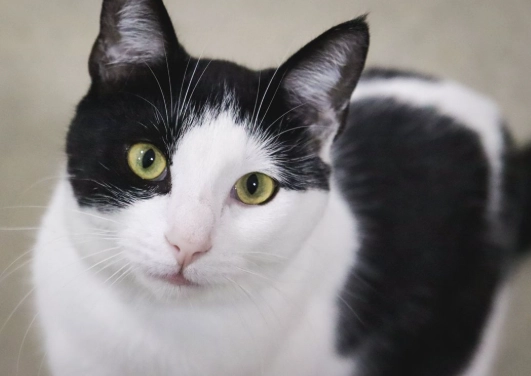
What Exactly Is a Tuxedo Cat?
Let's get the basics out of the way first. A tuxedo cat is any cat—literally any breed or moggy—that sports a bicolor coat primarily of black and white, where the white is limited to specific areas. The classic look is a solid black back, head, and tail, with a white chest, belly, paws, and sometimes a white blaze on the face. It looks like a little tuxedo shirtfront. Some are more formal than others; Felix has one mismatched white sock in the back, which ruins his black-tie ensemble, but he doesn't seem to mind.
The pattern is the result of genetics, specifically the piebald or white spotting gene. This gene interferes with the migration of pigment cells during embryonic development. How much white shows up is a bit of a lottery. The Cat Fanciers' Association (CFA) has specific standards for bicolor patterns in pedigreed cats, but for your average house cat, the tuxedo pattern is its own charming, non-standardized category. You can find a fantastic, detailed breakdown of feline coat genetics on the Cornell Feline Health Center website, which is an incredible resource for any cat owner.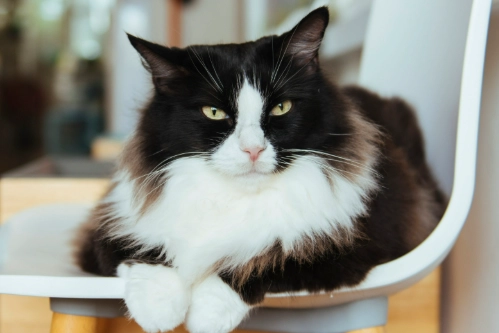
So, no, they're not a breed. They're a style statement.
The Tuxedo Cat Personality: Myth, Legend, and Reality
This is where it gets interesting. Ask any owner of a black and white cat, and they'll likely have a story. The internet is full of claims that tuxedo cats are more intelligent, more dog-like, more vocal, and more mischievous. Is there any truth to it?
From my experience and from chatting with countless other owners, there does seem to be a trend. Science hasn't definitively linked coat color to personality (most studies focus on broader correlations, like the often-cited tortitude), but the anecdotal evidence is overwhelming. Felix, for instance, fetches. I didn't teach him. He just started bringing back his toy mice. He also greets me at the door, follows me from room to room, and has a specific chirp for every request. It's unnervingly communicative.
Here's a breakdown of the most commonly reported tuxedo cat personality traits:
- Sociable and People-Oriented: They often crave attention and enjoy being in the thick of family life. Don't be surprised if your tuxedo cat insists on supervising your work or joining you on the couch.
- Intelligent and Curious: This can be a double-edged sword. Their smarts make them quick learners for tricks (yes, tricks!) but also for opening cabinets or figuring out puzzle feeders in record time. Boredom is their enemy.
- Playful and Energetic: They often retain a kitten-like playfulness well into adulthood. A good daily play session is non-negotiable for a happy tuxedo cat.
- Vocal: Not always yowlers, but many are chatterboxes. They might meow, chirp, trill, and make all sorts of noises to comment on their day or demand yours.
Now, is every single tuxedo cat like this? Of course not. Personality is a complex soup of genetics, breed, and early life experiences. But the pattern is consistent enough that if you're looking for an engaging, interactive feline companion, a tuxedo cat is a fantastic bet. They can be a bit demanding, though. Felix's need for a 9 PM play session is non-negotiable.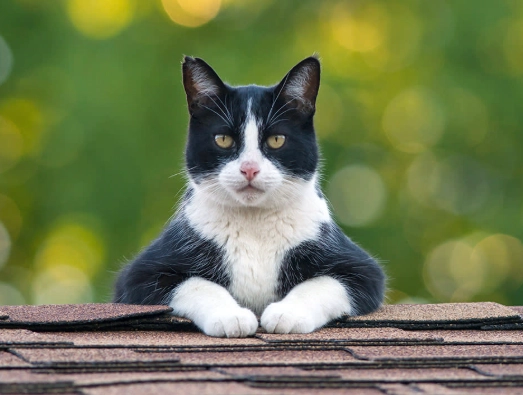
Tuxedo Cat Breeds: Which Ones Rock the Tux?
Since the tuxedo pattern can appear in many breeds, your tuxedo cat's underlying breed will heavily influence its size, fur length, and some baseline personality traits. Here's a quick look at some breeds where the tuxedo pattern is common or particularly stunning.
| Breed | Coat Length | Key Traits | Tuxedo Appeal |
|---|---|---|---|
| Domestic Shorthair (DSH) | Short | The ultimate mixed bag. Personality and size vary wildly. Healthier on average due to genetic diversity. | This is where you'll find the classic, everyday tuxedo cat. Most shelter tuxies are DSHs. |
| British Shorthair | Short, Plush | Calm, easygoing, dignified. Not as hyper as some. A bit of a couch potato. | The plush, dense coat makes the black look velvety and the white crisp. Very regal tuxedo. |
| Maine Coon | Semi-Long, Shaggy | Gentle giants. Friendly, playful, and known for their dog-like loyalty. | A large, magnificent tuxedo cat with ear tufts and a flowing tail. The formalwear has gone wilderness chic. |
| Scottish Fold | Short or Long | Sweet-tempered, adaptable, and known for their unique folded ears. | The adorable folded ears combined with the tuxedo pattern create an unbearably cute owl-like appearance. |
| Turkish Van | Semi-Long | Active, athletic, and famous for loving water. They have a unique chalky-white coat. | Their pattern is often *called* a "tuxedo," but it's usually more of a color-restricted-to-the-head-and-tail pattern. |
My Felix is a Domestic Shorthair, a rescue from a local shelter. His paperwork just said "DSH, black and white." That's the beauty of the tuxedo cat—majesty doesn't require a pedigree.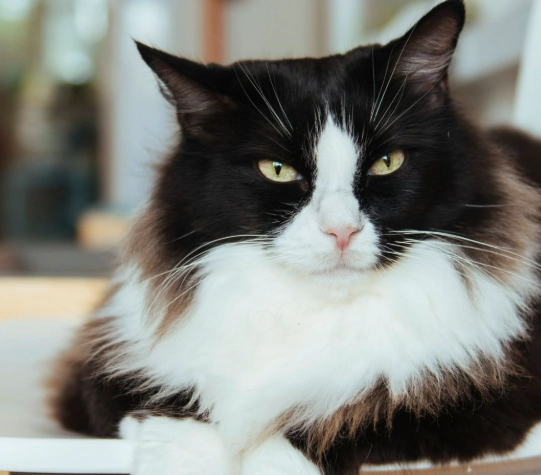
Caring for Your Dapper Companion
Caring for a tuxedo cat isn't radically different from caring for any other cat, but their noted intelligence and energy levels mean a few things deserve extra emphasis.
Diet and Nutrition
No special diet for the coat! The black and white fur doesn't have unique nutritional needs. Focus on high-quality, protein-rich food appropriate for their age and activity level. Because they can be clever and food-motivated, be mindful of portion control to prevent obesity. A smart, bored tuxedo cat might just learn how to break into the food bin.
Grooming Needs
This depends entirely on their coat length. A short-haired tuxedo cat is famously low-maintenance. A weekly brush with a rubber grooming mitt or soft bristle brush is usually plenty to remove loose hair and distribute skin oils. That white chest, though? It shows dirt. You might find yourself doing the occasional spot clean with a damp cloth, especially if they're adventurous. Long-haired tuxedo cats, like Maine Coons, require daily brushing to prevent mats and tangles.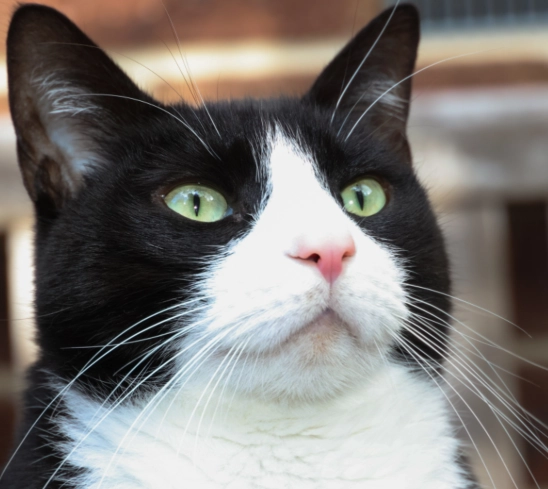
Fun fact: The individual hairs on a tuxedo cat are not striped. Each hair is either fully pigmented (black) or not pigmented (white). That's why the colors are so solid and defined.
Exercise and Mental Stimulation
This is the big one. A bored tuxedo cat is a destructive tuxedo cat. They need an outlet for their brains and energy.
- Interactive Play: Daily sessions with wand toys, laser pointers (always end with a physical toy they can "catch"), and chasing games are essential.
- Puzzle Toys: Invest in a few good ones. Toys that dispense treats when batted or nudged correctly are perfect.
- Vertical Space: Cat trees, shelves, and window perches give them territory to survey and burn energy climbing.
- Training: Seriously, try it. Many tuxedo cats can learn to sit, high-five, or come when called. Use clicker training and high-value treats. It's incredible bonding.
Health and Lifespan: What to Watch For
Tuxedo cats, being a color pattern and not a breed, don't have specific genetic disorders tied to their coat. Their health profile is determined by their underlying breed and overall care. The average lifespan of a healthy indoor tuxedo cat is the same as any other cat: 12 to 18 years, often longer.
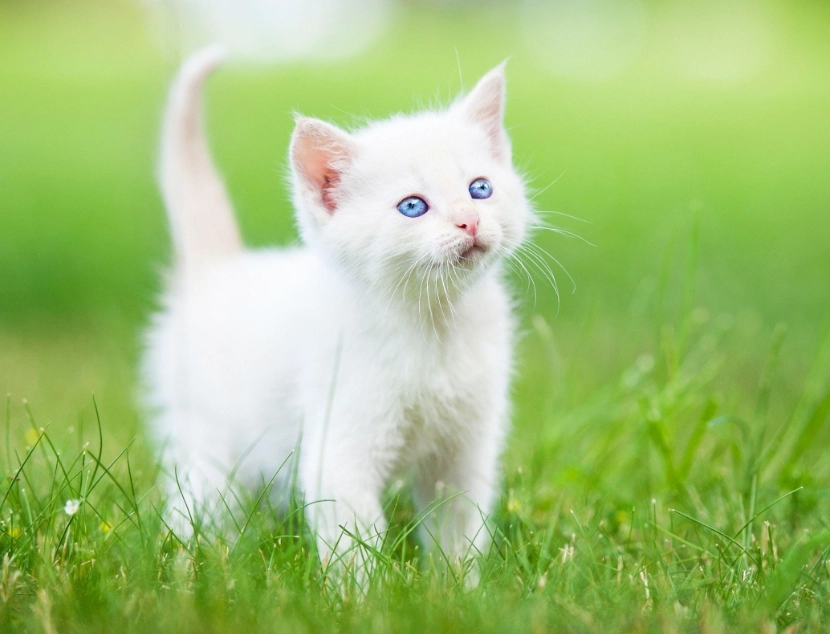
However, there is one health consideration linked to the white spotting gene, though it's not exclusive to tuxedo cats. Cats with large areas of white, especially on the head, have a higher chance of being born congenitally deaf in one or both ears if they also have blue eyes. This is well-documented. If your tuxedo cat has a mostly white face and blue eyes, it's wise to have their hearing checked by a vet. The American Veterinary Medical Association (AVMA) provides excellent resources on understanding congenital conditions in pets.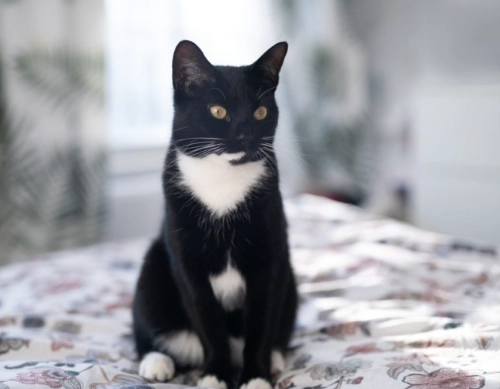
The key, as with any pet, is preventive care.
Regular veterinary check-ups (at least annually), keeping vaccinations and parasite prevention up-to-date, and maintaining a healthy weight are the best things you can do. Watch for signs of common feline issues like dental disease, which can be a problem for any cat. Felix developed a touch of gingivitis a few years back, and now tooth brushing is part of our routine. He hates it, but his breath is better.
Tuxedo Cats in History and Pop Culture
These cats have been turning heads for centuries. In Ancient Egypt, all cats were revered, but the striking contrast of a tuxedo cat likely made it stand out. Fast forward to more recent history, and you'll find famous tuxedo cats everywhere.
The most famous cartoon cat of all time? Sylvester from Looney Tunes. A classic, if not particularly bright, tuxedo cat. Then there's the mischievous Figaro from Disney's "Pinocchio," and the comic strip icon, Garfield's friend Nermal (sometimes depicted as a tuxedo). In the real world, perhaps the most famous tuxedo cat was Socks, the First Cat of the Clinton administration. He had his own fan mail and was a constant presence in the White House.
Is a Tuxedo Cat Right for You?
Let's be honest. They're not the low-maintenance, decorative pillow type of cat. If you want a pet that mostly sleeps 20 hours a day and ignores you, you might find a tuxedo cat... frustrating. They want to be involved.
Choose a tuxedo cat if:
- You want an interactive, engaging companion.
- You have time for daily play and mental stimulation.
- You enjoy a cat with a big personality who might "talk" back to you.
- You appreciate intelligence and maybe even want to try training.
Maybe think twice if:
- You prefer a very independent, aloof feline.
- Your home is very quiet and you're sensitive to noise (some can be vocal).
- You're away from home for very long, uninterrupted hours regularly.
At the end of the day, the best way to find your tuxedo cat is to visit a local shelter or rescue. Talk to the volunteers about the personalities of the cats. You might just meet your perfect, perfectly dressed, match.
Your Tuxedo Cat Questions, Answered
Are tuxedo cats smarter than other cats?
There's no scientific study that conclusively proves coat color dictates intelligence. However, overwhelming anecdotal evidence from owners and veterinarians suggests that many tuxedo cats exhibit high levels of problem-solving skills, trainability, and curiosity. It's one of their most defining and celebrated traits.
How long do tuxedo cats usually live?
With proper care—a quality diet, regular vet visits, and a safe indoor environment—a tuxedo cat has the same lifespan as any other domestic cat. You can generally expect a happy, healthy life of 12 to 18 years, and many live into their early 20s.
Do tuxedo cats have more health problems?
No. The tuxedo pattern itself does not predispose a cat to specific health issues. Any health concerns are related to their specific breed (e.g., heart issues in some purebreds) or individual genetics. The one minor exception is the potential for congenital deafness in white-faced, blue-eyed individuals, which is linked to the white spotting gene, not the tuxedo pattern specifically.
Why is my tuxedo cat so loud?
Vocalization is another commonly reported trait. They often use meows, chirps, and trills to communicate with their humans. It might be a demand for play, food, attention, or just commentary. If the vocalization is new or excessive, a vet check is wise to rule out pain or discomfort, but often, it's just their way of talking.
Can tuxedo cats be female?
Absolutely! This is a persistent myth. The genes responsible for the black and white coat color are not on the sex chromosomes. I've fostered several wonderful female tuxedo kittens, and they were every bit as bold and clever as the males.
Living with a tuxedo cat is rarely boring. They fill a home with personality, antics, and a surprising amount of affection. They're not just cats in cute suits; they're complex, intelligent animals that demand and reward engagement. If you're ready for a companion that will truly be a part of your life, a tuxedo cat might just be waiting for you.
Maybe you'll even get one that fetches.