Explore the Sections
- From Roman Ship Cats to Sofa Sovereigns: A Surprising History
- The British Shorthair Blueprint: What Makes Them Look Like That?
- The Famous British Temperament: Laid-Back or Just Aloof?
- Caring for Your British Domestic Cat: A Practical Guide
- Health and Lifespan: What to Watch For
- British Shorthair vs. Other Similar Breeds
- Finding Your British Domestic Cat: Breeder or Rescue?
- Living With a British Cat: The Day-to-Day Reality
- Frequently Asked Questions (The Real Ones People Ask)
- Final Thoughts: Is the British Domestic Cat Right for You?
You know that cat from the Cheshire Cat in Alice in Wonderland? Or the one famously featured in the Whiskas ads for years? That's the archetype we're talking about. The British domestic cat, specifically the British Shorthair, isn't just a pet; it's a piece of living history with a plush coat and a famously calm demeanour. But what's it really like to live with one? I've spent time with several, and while they're often described as the perfect "easy" cat, there's a lot more nuance beneath that dense fur.
Let's get one thing straight from the start. When people search for "British domestic cat," they're usually picturing the British Shorthair. It's the pedigree superstar of the bunch. But the term can also refer to non-pedigree cats living in British homes. This guide will focus on the iconic British Shorthair, because that's what most people are curious about, but we'll touch on the broader scene too. Is this the right cat for your lifestyle? By the end of this, you'll know.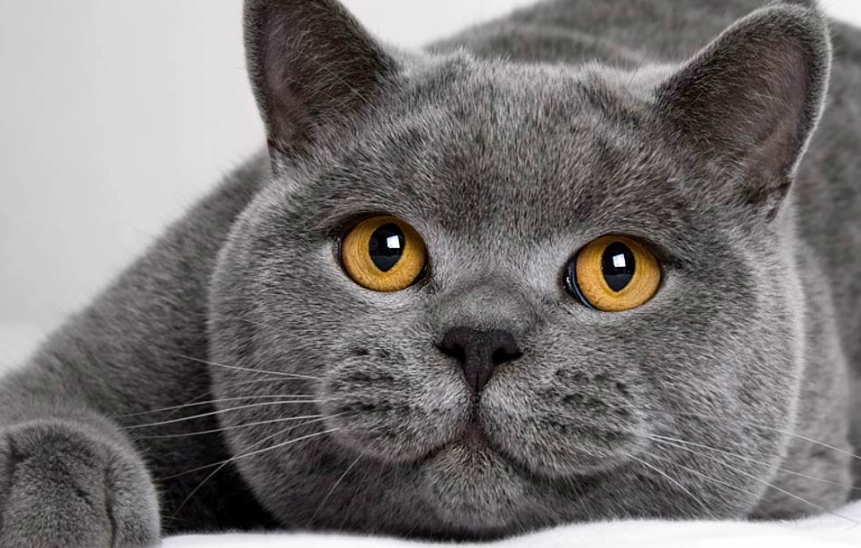
From Roman Ship Cats to Sofa Sovereigns: A Surprising History
It always blows my mind to think about this. The ancestors of the modern British Shorthair probably padded their way into Britain around 2,000 years ago. Seriously. The Romans, in their empire-building travels, brought domestic cats on their ships to control rodents. These cats interbred with the local European wildcats, and over centuries, a robust, weather-resistant cat evolved naturally in the British Isles. They were working cats for centuries, valued on farms and in shops.
The Victorian era changed everything. Cat fancy became a hobby of the wealthy. Harrison Weir, the "Father of the Cat Fancy," saw the beauty in these common British street cats. He organised the first modern cat show at the Crystal Palace in London in 1871 and established the first breed standards. The British Shorthair was one of the original breeds showcased. World Wars I and II nearly wiped the breed out, but dedicated breeders outcrossed with Persians and other breeds to save it, which slightly softened the original look. The modern British Shorthair we adore today was solidified in the post-war years.
So, you're not just getting a pet. You're welcoming a historical artefact with paws.
The British Shorthair Blueprint: What Makes Them Look Like That?
You can spot a British domestic cat, particularly a Shorthair, from across the room. They have a specific look that’s hard to miss.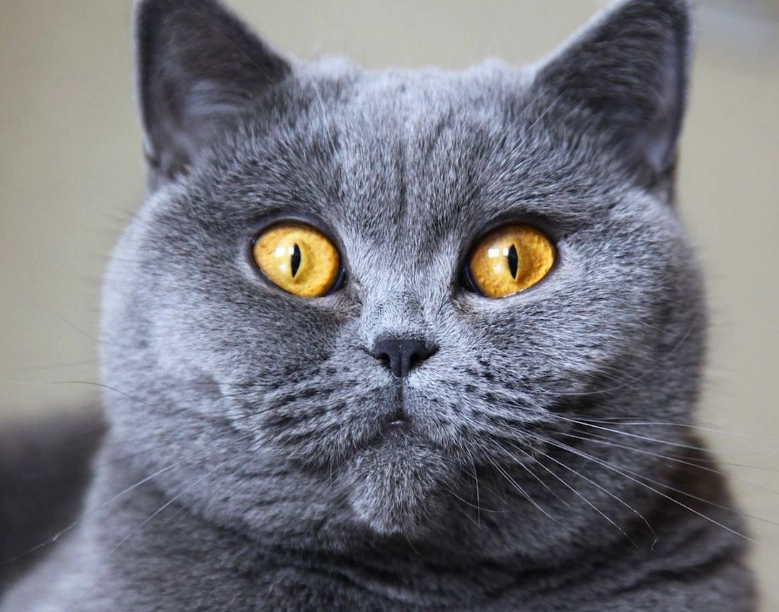
First, the build. They are cobby. That's the technical term. It means they're compact, solid, and powerful with a broad chest, short legs, and a short, thick tail that rounds at the tip. They feel surprisingly heavy when you pick them up—all muscle and bone, not fat (though they can get chunky if you let them!). Their head is round and massive with full cheeks, which gives them that wonderful "chipmunk" or "teddy bear" face. The eyes are large, round, and copper-orange in the classic blue variety, though other colours like gold and green exist in different coat colours. The ears are small and rounded, set wide apart.
Now, the coat. It's not just short. It's dense. It stands away from the body like a plush carpet. It has a crisp, resilient texture, not soft and silky like a Siamese. This was their historical defence against the damp British climate. The most famous colour is blue (a solid grey-blue), but the breed comes in virtually every colour and pattern: black, white, cream, tabby, tortoiseshell, colourpoint (like a Siamese), you name it. The Governing Council of the Cat Fancy (GCCF), the UK's primary pedigree cat registry, has a detailed British Shorthair breed standard that breaks this down scientifically.
Coat Colour Deep Dive
The variety is staggering. Beyond the iconic blue, the silver tabby with its striking black markings on a silver background is breathtaking. The "British Blue" is so sought after it's almost a cliché, but the rarer colours like chocolate or lilac are stunning. I once met a golden shaded British Shorthair that looked like a tiny lion. The point is, there's a British domestic cat colour for every aesthetic preference.
The Famous British Temperament: Laid-Back or Just Aloof?
This is where online descriptions can be misleading. They're universally called "calm," "easygoing," and "undemanding." That's mostly true, but let me add some texture from real-life observation.
A British domestic cat is not a performer. It won't fetch, do tricks, or constantly chatter at you. It possesses a quiet, dignified intelligence. They are observers. You'll often find them perched in a strategic spot, watching the household activity with mild interest. They form deep bonds with their families but show it subtly. They might follow you from room to room, then plop down a few feet away. They enjoy affection but on their terms—a few minutes of chin scratches, then they're done. They rarely lap-sit for long periods, preferring to sit beside you.
They are famously good with children, other cats, and cat-friendly dogs because their patience seems endless. They're not easily startled or spooked. A sudden loud noise might make them look up, not bolt under the bed. This makes them fantastic companions for quieter households, first-time owners, or anyone who wants a pet that's present but not in your face.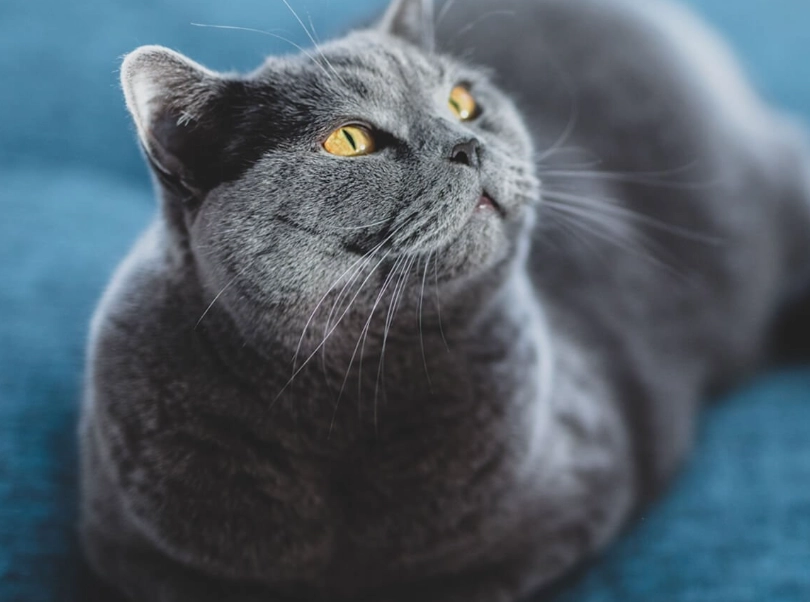
But is it boring? Some might find their independence mistaken for aloofness.
They have their playful moments, especially as kittens and young adults. A crinkly ball or a feather wand can trigger a surprisingly agile pounce. But by age three or four, they tend to settle into a more sedate routine of eating, sleeping, and supervising. Don't expect a British Shorthair to be scaling your curtains. That's just not their style.
Caring for Your British Domestic Cat: A Practical Guide
One of the biggest selling points of the British domestic cat is its reputation as low-maintenance. It's fairly accurate, but "low" doesn't mean "no." Here’s the real deal on care.
Grooming: It's Easier Than You Think
That dense coat doesn't mat easily, which is a huge plus. A thorough brush once a week with a good quality metal comb or bristle brush is usually sufficient to remove dead hair and distribute skin oils. During seasonal sheds (spring and autumn), you might need to brush twice a week. They rarely need baths unless they get into something messy. Regular nail trims and ear checks are part of the routine for any cat.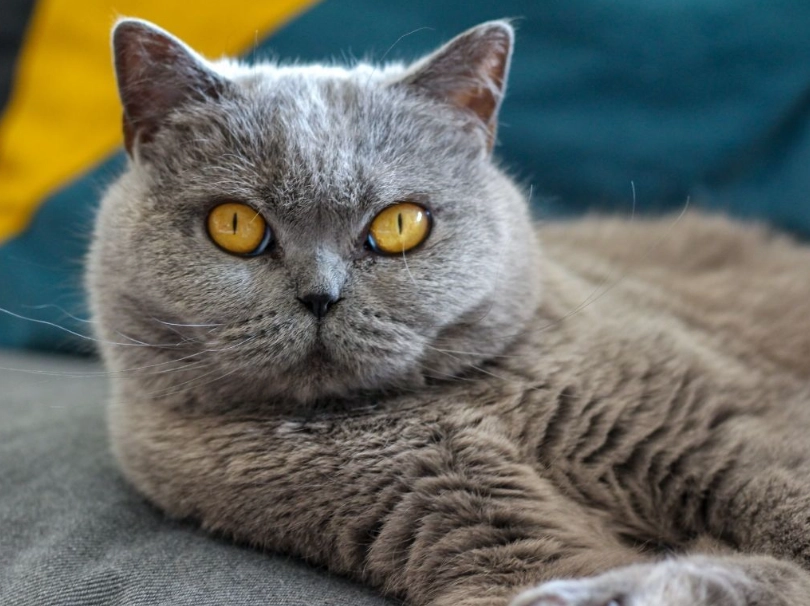
Diet and Nutrition: The Battle of the Bulge
This is the most important part of care for a British Shorthair. They have a tendency to become overweight. Their solid build can mask extra pounds, and their calm nature means they don't burn many calories. An overweight cat is at risk for diabetes, arthritis, and other health issues.
You must measure their food. Follow feeding guidelines on quality food, but treat them as a maximum, not a recommendation. Your vet is the best source for portion advice. High-protein, meat-based wet food is generally better than dry kibble, which is often high in carbohydrates. Use puzzle feeders or scatter food to encourage gentle activity. And go easy on the treats! The PDSA has excellent, vet-written guides on feline nutrition that are worth a read.
Exercise and Enrichment
They won't demand it, but they need it. Interactive play sessions of 10-15 minutes, twice a day, are ideal. Think wand toys, laser pointers (always end with a physical toy they can "catch"), and motorised mice. Cat trees with sturdy platforms are great for climbing and perching. Window perches are a must for bird-watching, a favourite British Shorthair pastime.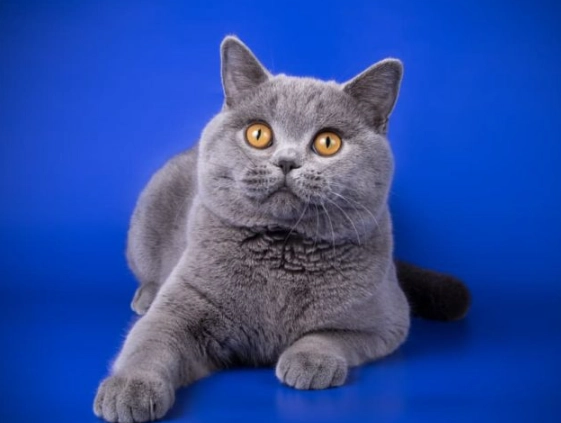
Health and Lifespan: What to Watch For
A well-cared-for British domestic cat typically lives 12-17 years, sometimes longer. They are generally healthy, robust cats, but like all purebreds, they have some genetic predispositions to be aware of.
Hypertrophic Cardiomyopathy (HCM): This is a form of heart disease where the heart muscle thickens. It's the most common heart condition in cats and can affect British Shorthairs. Reputable breeders screen their breeding cats for HCM. Ask your breeder for proof of recent (within a year) echocardiogram clearances for the parents.
Polycystic Kidney Disease (PKD): This is less common in British Shorthairs than in Persians, but due to historical outcrossing, it can occur. It causes cysts to form in the kidneys. A DNA test can identify the gene, and ethical breeders test for it.
Obesity-Related Issues: As discussed, this is the major preventable health concern. Arthritis, diabetes, and urinary tract issues can all stem from carrying too much weight.
Dental Issues: Their rounded jaw structure can sometimes lead to dental crowding. Regular dental check-ups with your vet and dental care (like brushing or dental treats) are important.
The best thing you can do is get your British Shorthair from a breeder who does genetic health testing and provides documentation. Then, commit to annual vet check-ups. Early detection is everything. Organisations like International Cat Care provide a wealth of trustworthy health information for cat owners.
British Shorthair vs. Other Similar Breeds
It's easy to get confused. Here’s a quick, honest breakdown.
| Breed | Key Similarity | Key Difference | Best For Someone Who... |
|---|---|---|---|
| British Shorthair | Stocky, round, plush coat | Naturally occurring ear shape, independent but steady temperament. | Wants a calm, undemanding, and predictable companion. |
| Scottish Fold | Round face and eyes | Folded ears (or straight ears in Straights). Often described as slightly more playful and "people-oriented" than the British. | Is captivated by the unique look and wants a slightly more engaged personality. (Note: ethical concerns exist due to the osteochondrodysplasia linked to the fold gene). |
| Chartreux (French) | Solid blue coat, robust build | More slender legs, woolly coat texture, often described as having a "smiling" expression and being more dog-like in loyalty. | Loves the blue coat but wants a cat that may be more actively attached to its owner. |
| European Shorthair | Non-pedigree shorthaired cat | Much more varied in type, size, and personality. Not a standardized breed in the same way. | Wants to adopt a moggy and doesn't mind a less predictable appearance or temperament. |
Finding Your British Domestic Cat: Breeder or Rescue?
This is a big decision with ethical and practical implications.
Going to a Reputable Breeder: If you have your heart set on a specific look, colour, and predictable temperament of a pedigree British Shorthair, this is the route. But do your homework. A good breeder will:
- Be registered with a major cat registry (GCCF, TICA, FIFe).
- Prioritise health testing (HCM scans, PKD DNA tests) and show you proof.
- Raise kittens in the home, socialising them with family, sounds, and handling.
- Ask you as many questions as you ask them.
- Never let kittens go before 12-14 weeks of age.
- Provide a contract, vaccination/worming records, and pedigree papers.
Be prepared for a waitlist and a significant cost. A well-bred British Shorthair kitten is an investment.
Adoption and Rescue: You can absolutely find British Shorthairs and British-type domestic cats in rescue. Adult cats are sometimes given up due to owner circumstances. Breed-specific rescues exist. The advantages? You're giving a cat a second chance, the cost is lower, and you often get an adult whose personality is fully formed. The downside? You might wait a while for a specific breed to come in, and kittens are rare.
Whichever path you choose, please avoid pet shops or online sellers offering "cheap" kittens with no paperwork or health guarantees. It's a minefield.
Living With a British Cat: The Day-to-Day Reality
Let's paint a picture of a typical day. Your British domestic cat wakes you up, not with yowls, but perhaps by sitting on your chest and staring. Breakfast is served (measured portion). They may have a burst of energy, chasing a toy mouse. Then, the long daytime nap begins—favourite spots are sunny windowsills, the top of the cat tree, or the middle of your freshly made bed. They greet you when you come home, maybe with a soft chirp (they aren't big meowers). Evening involves some gentle play, dinner, and then they'll likely settle near you on the sofa as you watch TV. They are creatures of routine and appreciate a predictable schedule.
They adapt well to apartment living as long as they have vertical space and stimulation. They are not great escape artists or avid climbers, so a secure garden is fine, but they are happy as indoor-only cats, which is actually safer.
Frequently Asked Questions (The Real Ones People Ask)
Are British Shorthairs hypoallergenic?
No cat is truly hypoallergenic. Allergens come from saliva and skin flakes (dander), not just fur. While their short coat may spread less hair around, they still produce the Fel d 1 protein that causes allergies. Spend time with one before committing if you have allergies.
Do British Shorthairs shed a lot?
They shed moderately. That dense undercoat means they have a lot of hair to lose, especially during seasonal changes. Weekly brushing controls it well. You'll find little tufts of fur, but it's manageable—not like a longhair cat.
Are they good for first-time cat owners?
Absolutely. Their stable temperament, low drama, and easy-care coat make them one of the top recommendations for new cat guardians. Just be disciplined about their diet.
Why does my British Shorthair seem to ignore me?
They aren't ignoring you; they're just content in their own space. They show affection subtly. That slow blink from across the room is a cat kiss. Them simply being in the same room is a sign of trust. Don't expect effusive displays.
Can I leave my British Shorthair alone during the workday?
Yes, better than many breeds. Their independent nature means they cope well with reasonable periods alone (8-10 hours), as long as they have food, water, a clean litter box, and a few toys. A pair can keep each other company, but a single British Shorthair is fine solo.
Final Thoughts: Is the British Domestic Cat Right for You?
So, after all this, who is the ideal match for a British domestic cat? If you want a quiet, dignified, and self-contained companion who offers steady, undemanding affection, this could be your perfect cat. If you're looking for a high-energy, chatty, lap-snuggling shadow who follows your every move, you might find a British Shorthair a bit too reserved.
They are the quintessential "gentleman" or "gentlewoman" of the cat world. They bring a sense of calm and solidity to a home. They are beautiful to look at, easy to care for (if you manage their diet), and wonderfully predictable. For the right person, living with a British Shorthair isn't just pet ownership; it's a long, quiet, and deeply satisfying friendship.
Do your research, meet some in person if you can, and be honest about your lifestyle. If it's a match, you'll gain a wonderful, plush-coated piece of British history for your home.