In This Guide
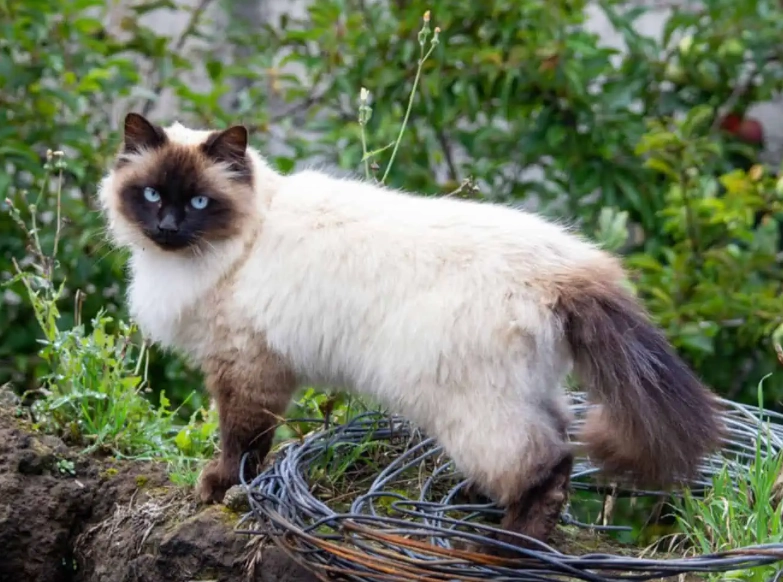
I remember the first time I saw a Himalayan cat. It was at a friend's house, this fluffy, serene creature with piercing blue eyes that just looked wise, you know? I immediately wondered, how long do these beautiful cats stick around? If you're asking "What's the average lifespan of a Himalayan cat?", you're not alone. It's one of the first things prospective owners want to know, and honestly, it's a question that doesn't have a single, simple number for an answer. It's more of a range, influenced by a whole bunch of things, some within your control and some not.
The short, textbook answer you'll often see is 9 to 15 years. That's the typical Himalayan cat lifespan you can expect based on general breed data. But I've talked to vets and breeders who've seen them clock in at a robust 17, and sadly, also known some that didn't make it past 8 due to health complications. My own vet likes to say the average is a guideline, not a guarantee. Your cat's individual journey is what really matters.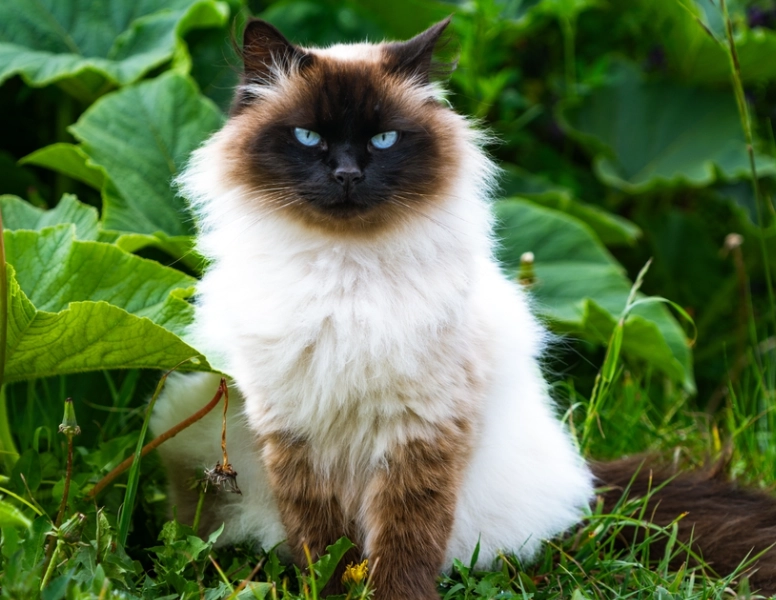
Quick Takeaway: While the average lifespan of a Himalayan cat falls between 9 and 15 years, many live well into their mid-teens with proper, attentive care. The key is understanding what "proper care" really means for this specific, flat-faced breed.
Let's ditch the vague averages for a second. Why does the number vary so much? It comes down to genetics, lifestyle, and a bit of luck. A Himalayan from a breeder who rigorously tests for genetic diseases, living indoors, eating great food, and getting regular vet check-ups is playing a completely different game than one without those advantages. It's the difference between just surviving and truly thriving into old age.
The Big Factors That Shape a Himalayan Cat's Lifespan
If you want to understand what's the average lifespan of a Himalayan cat in *your* home, you need to look at the pieces of the puzzle. Some are set in stone, but many you can influence directly.
Genetics and Breeding: The Foundation
This is the hand your cat is dealt. Reputable breeders are worth their weight in gold because they screen parent cats for known hereditary issues common in Himalayans (and their Persian cousins). We're talking about problems like Polycystic Kidney Disease (PKD) and certain heart conditions. A kitten from a line free of these issues has a much stronger starting point. I'm not a huge fan of the "designer pet" scene, but when it comes to health testing, spending more upfront with an ethical breeder can literally add years to your cat's life. It's a long-term investment in their well-being.
Red Flag: If a breeder can't or won't show you proof of health screenings (like a PKD-negative ultrasound report from a veterinarian for the parents), walk away. You're potentially buying into a lifetime of heartache and vet bills.
The Indoor vs. Outdoor Debate (It's Not Really a Debate)
This is non-negotiable for extending a Himalayan's life. These are not street-smart cats. Their gorgeous coats get matted easily, they can overheat or get too cold quickly, and their flat faces aren't great for self-defense. The outdoors is full of dangers: cars, predators, diseases from other animals, parasites, and toxic substances. The American Veterinary Medical Association (AVMA) strongly advocates for keeping cats indoors, noting it significantly increases their lifespan. For a Himalayan, an indoor life isn't restrictive—it's safe and essential.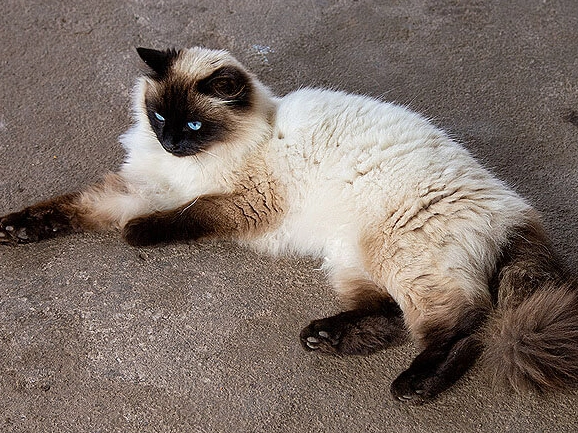
Diet and Weight Management
You are what you eat, and that's true for cats too. A high-quality diet appropriate for their age (kitten, adult, senior) is crucial. Himalayans aren't known for being hyperactive, so they can easily become overweight. Those extra pounds put stress on their joints, heart, and can lead to diabetes. Portion control is your friend. My friend's Himalayan, Mochi, got a little too round because they free-fed him. Once they switched to measured meals, he became more energetic and his check-ups improved dramatically. It's a simple change with a big impact.
Think about it: If the average lifespan of a Himalayan cat is, say, 12 years, but obesity can shave 2-3 years off that, you're looking at a 25% reduction in their time with you. Just by managing their food bowl, you have the power to push them towards the upper end of that average range or even beyond it.
Routine and Preventive Veterinary Care
This is where many well-meaning owners slip up. It's not just about going to the vet when they're sick. Annual check-ups for adults, and twice-yearly for seniors (cats over 10), are critical. These visits catch problems early—dental disease, early kidney changes, heart murmurs—when they're most treatable. Vaccinations and consistent parasite prevention (even for indoor cats) are part of the package. It's boring, preventative medicine, but it's the bedrock of a long life.
Let's put these factors into a clearer perspective. What moves the needle most?
| Lifespan Factor | High Impact | Medium Impact | What You Can Do |
|---|---|---|---|
| Living Environment | YES | Keep them strictly indoors. Create a stimulating indoor environment with cat trees, shelves, and window perches. | |
| Genetic Health | YES | Choose a breeder who provides verifiable health clearances for parents. Adopt an adult where health history might be known. | |
| Weight & Diet | YES | Feed measured amounts of high-quality food. Avoid excessive treats. Consult your vet for a diet plan. | |
| Preventive Vet Care | YES | Commit to annual/semi-annual check-ups, vaccinations, dental care, and parasite control. Don't skip appointments. | |
| Dental Health | YES | Implement tooth brushing if possible, use dental treats/toys, and follow vet recommendations for cleanings. | |
| Stress & Enrichment | YES | Provide hiding spots, scratching posts, routine playtime, and a calm household. A bored or stressed cat is an unhealthy cat. |
See? It's a mix of big, non-negotiable choices and daily habits.
The Health Hurdles: What Can Shorten a Himalayan's Lifespan?
To honestly answer what's the average lifespan of a Himalayan cat, we have to talk about the health problems that often pull that average down. Being aware is half the battle.
Brachycephalic Syndrome
This is the big one. That cute, flat face (brachycephaly) comes with anatomical challenges: narrowed nostrils, an elongated soft palate, and a smaller windpipe. It can make breathing noisy (that snorting sound isn't always cute), cause them to overheat easily, and lead to sleep apnea. In severe cases, it requires surgical correction. It's the number one breed-specific challenge. The International Cat Association (TICA) has resources discussing the care needs of brachycephalic breeds. It's a serious responsibility.
Polycystic Kidney Disease (PKD)
A hereditary condition where cysts develop in the kidneys, eventually leading to kidney failure. It's a slow, progressive disease. The good news? A simple DNA test or ultrasound can identify it. Responsible breeders test for it. If you're getting a kitten, insist on seeing proof the parents are PKD-negative. If you adopt an adult, your vet can screen for it. Early detection through regular bloodwork is key to managing it and maintaining quality of life.
Dental Issues
That flat face often means a crowded mouth. Teeth are jammed together, making it easy for plaque and tartar to build up, leading to gingivitis, painful tooth resorption, and infections. Dental disease isn't just about bad breath—bacteria from the mouth can enter the bloodstream and damage the heart, liver, and kidneys. Regular dental check-ups and cleanings under anesthesia (as recommended by your vet) are not optional luxuries for this breed.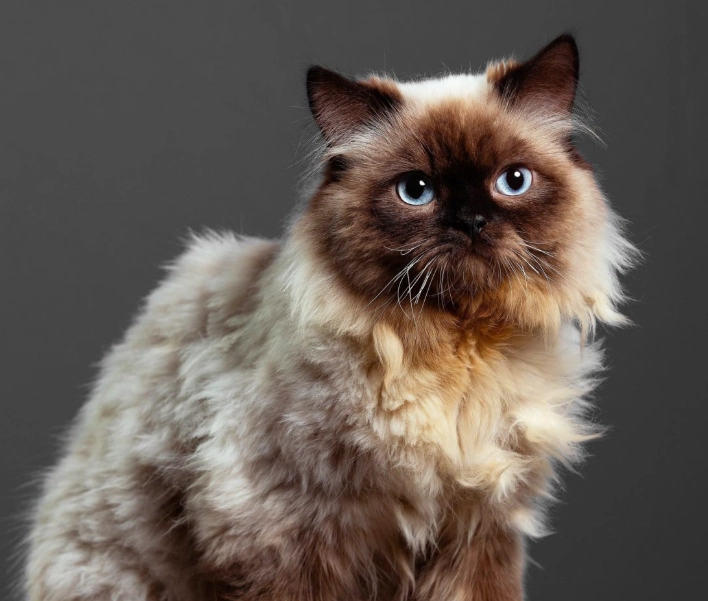
My neighbor's Himalayan, Snowball, needed almost $2,000 in dental work at age 7 because they'd never had his teeth cleaned. The vet said the infection was starting to affect his kidneys. It was a wake-up call for all of us on the block about how connected dental health is to overall health.
Other Common Concerns
- Hypertrophic Cardiomyopathy (HCM): A form of heart disease that can be genetic. Regular vet check-ups that include listening to the heart can help detect murmurs early.
- Eye Problems: Their large, prominent eyes are prone to tearing (epiphora) which can stain the fur, and conditions like cherry eye or entropion (where the eyelid rolls inward). Daily gentle face wiping is part of the grooming routine.
- Heat Sensitivity: Due to their compromised breathing, they are terrible at regulating temperature. Always ensure they have a cool, air-conditioned space in summer.
Your Action Plan: How to Maximize Those Golden Years
Knowing the problems is one thing. Here’s what you can actually *do* to help your Himalayan cat not just meet, but exceed, the average lifespan.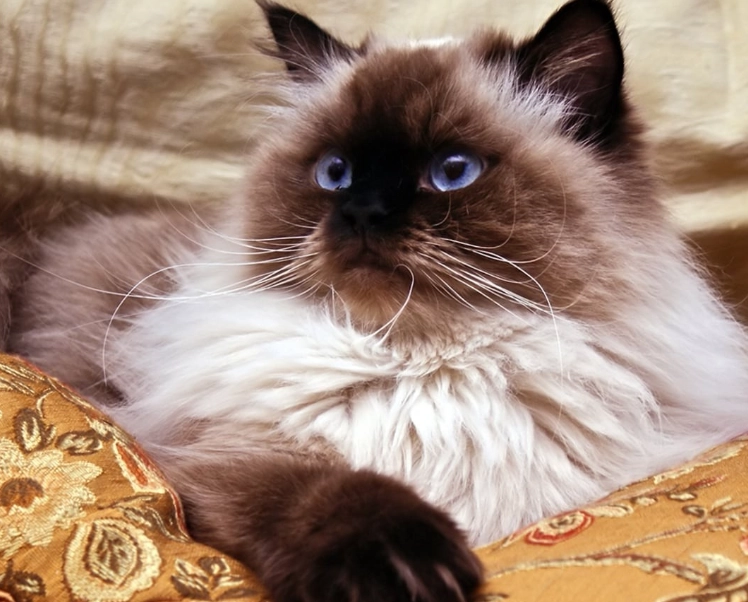
Proactive Care Checklist: Print this out and stick it on the fridge.
- Find the Right Vet: Look for one experienced with brachycephalic breeds or Persians. They'll know what to look for.
- Master the Grooming Ritual: Daily combing to prevent mats. Gentle daily wipe of the eye corners with a soft, damp cloth. It's bonding time, not a chore.
- Become a Portion Control Expert: Use a measuring cup. Discuss calorie needs with your vet at each life stage.
- Create an Indoor Sanctuary: Vertical space (cat trees), cozy hideaways, interactive toys, and a window with a view. Rotate toys to keep it interesting.
- Watch for Subtle Signs: Cats hide illness. Is drinking more? Using the litter box more? Less playful? Hiding? Don't wait—call the vet.
Senior care is a whole other chapter. Around age 10, their needs shift. They might need softer food, more accessible litter boxes (low-sided), joint supplements (ask your vet!), and even more frequent vet visits. Arthritis is common but often missed because cats are so stoic. Watch for hesitation to jump or climb.
So, when someone asks you, "What's the average lifespan of a Himalayan cat?" you can tell them it's a range starting around 9 years, but with dedicated, informed care, seeing them celebrate their 15th or even 16th birthday is a very realistic and rewarding goal. It's about stacking the odds in their favor.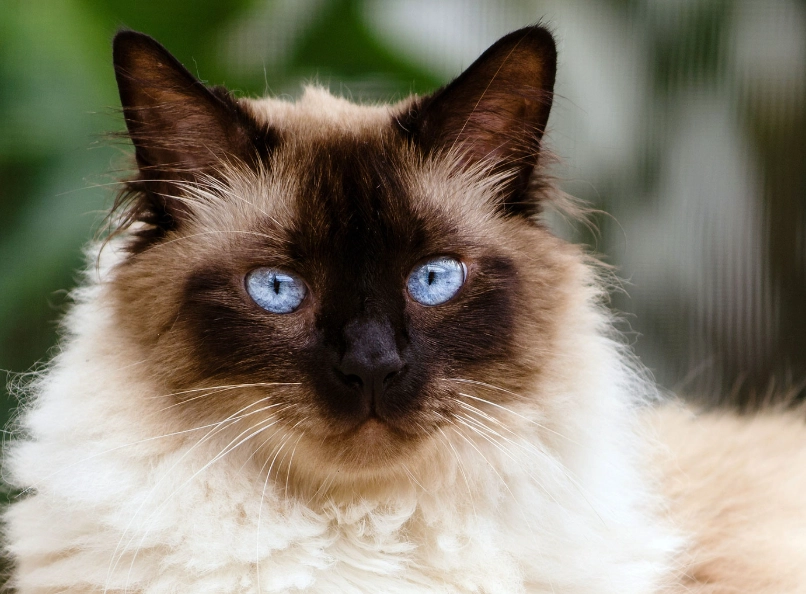
Answering Your Burning Questions (FAQ)
The Bottom Line
Asking what's the average lifespan of a Himalayan cat is the right first question, but it's just the start. The real question is: How can I help my Himalayan live the longest, healthiest, and happiest life possible?
The number—whether it's 12, 15, or 18 years—is a product of the daily choices you make. The choice to keep them safe indoors. The choice to feed them well. The choice to brush their teeth and comb their fur. The choice to take them for that check-up even when they seem fine.
Final Thought: Your veterinarian is your ultimate partner in this journey. Build a relationship with them. Use resources from authoritative organizations like the Cornell Feline Health Center for the latest, evidence-based cat care information. Armed with knowledge and a proactive plan, you can confidently look forward to a wonderfully long life with your fluffy friend.