Let's cut to the chase. The short answer is: a well-cared-for Sphynx cat should not have a strong, unpleasant odor. They don't have a natural, musky "cat smell" ingrained in their being. But here's the reality check that most fluffy cat owners don't face: a Sphynx's lack of fur turns their skin into a direct indicator of your care routine. Any lapse, and yes, you might notice a smell. It's not the cat; it's the maintenance.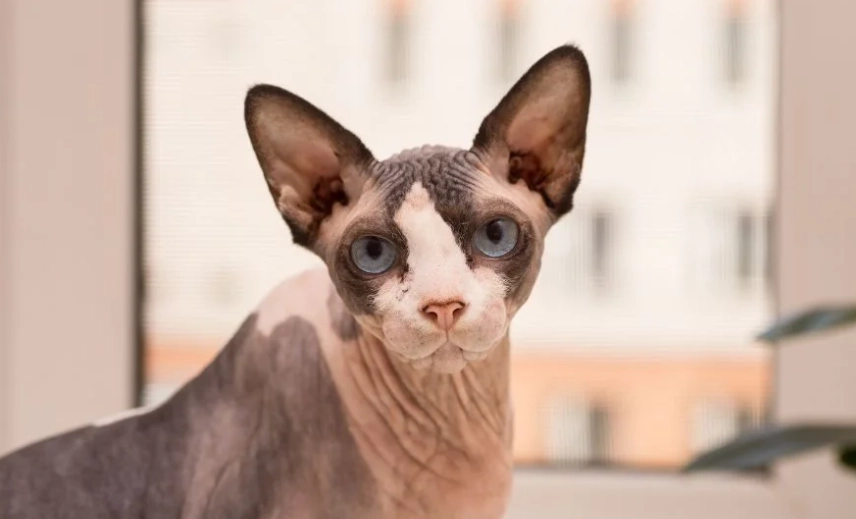
I've been around hairless cats for over a decade, and the panic in a new owner's voice when they whisper, "I think my Sphynx smells..." is familiar. Often, they're comparing it to the faint, dusty scent of a furred cat, which is different. The Sphynx odor, when it appears, is usually a waxy, oily, or slightly sour note. The good news? It's almost always manageable and points directly to what needs adjustment in their care.
What You'll Learn
Why Some Sphynx Cats Develop Odor
Understanding the "why" is half the battle. It's not magic; it's biology and housekeeping.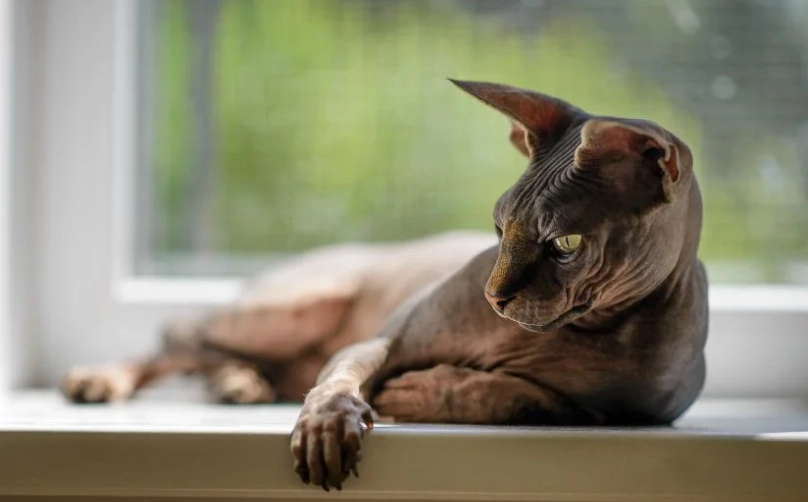
The Oil Factor: Sphynx cats have more active sebaceous glands than their furry cousins. They produce skin oils (sebum) for protection and moisture. On a furry cat, this oil gets distributed and absorbed by the hair. On a Sphynx, it sits right on the skin, mixing with dead skin cells (dander). Left alone, this sebum-dander mixture oxidizes and can start to develop a mild, greasy odor. It's not the oil itself that smells, but the process of it breaking down and any bacteria having a feast.
The Ear and Nail Secret: This is a huge one that beginners miss. Sphynx cats also produce more earwax. A lot more. If not cleaned regularly, this wax builds up, darkens, and can lead to infections, which have a distinct, unpleasant smell. Similarly, grime can build up under their nails. I've met owners who bathe their cat weekly but never check the ears, then wonder where the faint cheesy smell is coming from.
The Environmental Mix: Your Sphynx is a skin-to-world creature. They leave oily residue on their favorite blanket, your couch, their bed. If you're not washing these fabrics regularly, that oil builds up and the smell lingers in their environment, making it seem like the cat is always smelly. They're basically re-applying old oil every time they nap.
Key Insight: The primary cause of Sphynx odor is rarely a single thing. It's usually a combination of slightly overdue bathing, waxy ears, and a bed that needs a wash. Tackle it as a system, not a single flaw.
How to Prevent Sphynx Cat Smell: A Complete Care Routine
Prevention is everything. Think of this not as a chore, but as essential as feeding them. This routine breaks the cycle before odor even starts.
| Task | Frequency | Why It Matters for Odor |
|---|---|---|
| Full Bath | Every 1-2 Weeks | Removes built-up sebum and dander from the skin's surface. |
| Ear Cleaning | Weekly | Prevents wax buildup and smelly, painful infections. |
| Nail Cleaning | Weekly (during trim) | Removes dirt and gunk trapped under the nail sheath. |
| Between-Bath Wipe Down | 2-3 times a week | Removes surface oil, extends time between baths. |
Let's break that down.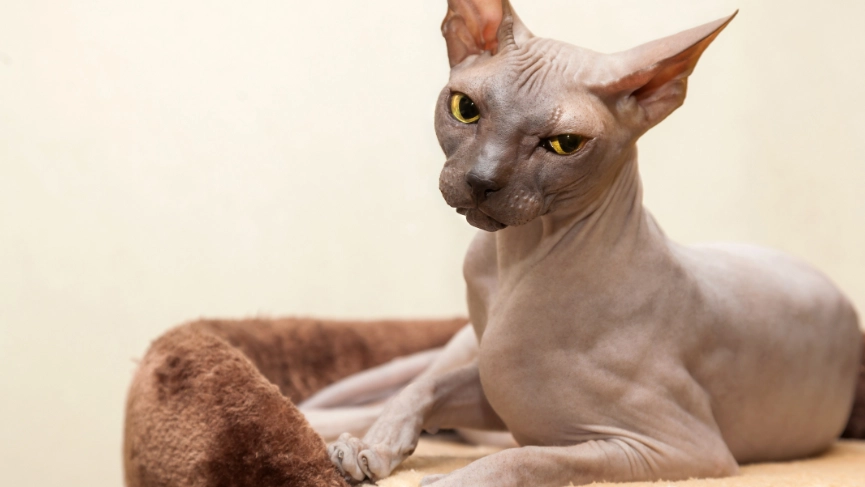
Between-Bath Care is Your Secret Weapon. You don't need a full soap-and-water event every time. Get a pack of unscented, hypoallergenic baby wipes or pet cleansing wipes. A quick wipe-down of their back, sides, and paw pads every few days picks up the fresh oil before it turns. Pay special attention to their armpits, neck folds, and between their toes – oil and dirt love to hide there.
Ear Cleaning is Non-Negotiable. Use a vet-recommended ear cleaner (I like ones with drying agents) and cotton balls or gauze. Never use Q-tips deep in the canal. Gently wipe the visible part of the inner ear. You'll see the waxy buildup come off. If the wax is dark brown/black or smells foul, see a vet – that's likely an infection.
I knew an owner who only bathed their Sphynx. The ears were ignored. The cat developed a chronic, low-grade ear infection that made the whole top of its head smell vaguely sour. A month of proper ear cleaning and medication solved what years of bathing couldn't.
How to Bathe Your Sphynx Cat Correctly
Most people do this wrong. Wrong shampoo, wrong frequency, wrong technique. Here's the method that causes less stress and gets better results.
1. The Setup: Use a sink or small tub with a handheld sprayer. Put a rubber mat down so they don't slip. Have towels, shampoo, and a pitcher ready before you get the cat. The water should be warm, not hot – test it on your wrist like a baby's bottle.
2. The Product: This is critical. Never use human shampoo or dish soap. They are too harsh and strip the skin, causing it to produce more oil to compensate. Use a gentle, hypoallergenic cat shampoo or one specifically for sensitive skin. Some owners swear by a dab of coconut oil as a pre-wash on extra-greasy spots, but rinse it thoroughly. The Cat Fanciers' Association (CFA) emphasizes the importance of breed-specific grooming products.
3. The Process: Wet them thoroughly. Lather the shampoo gently over their body, avoiding the face. Let it sit for a few minutes (check the label). Use a soft washcloth for the face. Rinse, rinse, and rinse again. Soap residue is a major irritant and can smell. Dry them immediately and completely with a warm towel. A slightly damp Sphynx gets cold and can develop a weird, damp-cloth smell.
After a decade, my trick is to follow the bath with a very light moisturizer made for cats (ask your vet), especially in dry climates. It keeps the skin balanced and less likely to go into oil-overdrive.
What Role Does Diet Play in Sphynx Cat Odor?
You are what you eat, and so is your cat's skin oil. A low-quality, high-carbohydrate diet full of fillers (corn, wheat, soy) can lead to poorer quality skin and oil. This oil can be smellier and more abundant.
Invest in a high-quality, high-protein cat food. Look for named meat meals (chicken meal, salmon meal) as the first ingredients. Some owners find that a grain-free or limited-ingredient diet makes a noticeable difference in their Sphynx's skin texture and oil production. Omega-3 fatty acid supplements (like fish oil) can promote healthier skin from the inside out, potentially reducing inflammation and oiliness. Always consult your vet before making dietary changes, as resources like the VCA Animal Hospitals provide guidelines on feline nutrition.
The impact isn't overnight. Give a diet change 8-12 weeks to see its full effect on skin and coat – or in this case, skin and scent.
Common Mistakes That Make the Smell Worse
I've seen owners work hard but in the wrong direction.
Over-Bathing: Bathing every 3 days strips the skin raw. It signals the glands to produce oil at a frantic pace. You create a greasier, smellier cat. Stick to the 1-2 week schedule unless your vet says otherwise.
Using Harsh or Scented Products: Perfumed shampoos or wipes mask one smell with a stronger chemical one. They also irritate. Your cat should smell like nothing, or just faintly clean.
Ignoring the Ears and Teeth: Bad dental health leads to bad breath, which you'll smell when your hairless cat cuddles on your neck. It's part of the overall odor profile.
Blaming the Cat: It's easy to think "this breed is just smelly." It's not true. Odor is a message. It's saying a part of the care routine needs tweaking.
When a Smell Means It's Time for the Vet
Sometimes, odor is a red flag. If you have a consistent routine and a new, strong, or unusual smell appears, see your veterinarian.
- A yeasty, musty smell could indicate a fungal or bacterial skin infection.
- Foul-smelling ears point to an ear infection.
- Extremely foul breath suggests dental disease.
- A sudden change in body odor with other symptoms (lethargy, change in appetite) can indicate internal issues.
Organizations like The International Cat Association (TICA) note that regular vet check-ups are crucial for all cats, especially unique breeds with specific care needs.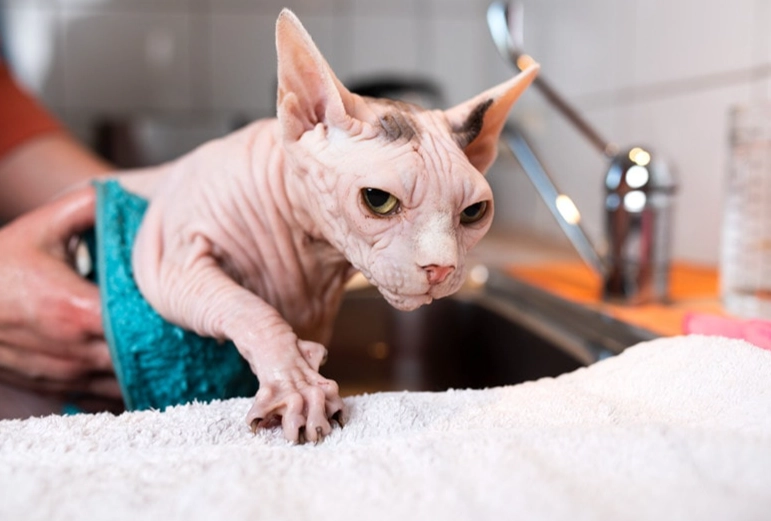
Your Sphynx Odor Questions, Answered
If my Sphynx cat starts smelling, what's the first thing I should check?
Check their ears and skin folds. Ear infections are a prime suspect for sudden odor. Then, gently wipe their skin with a damp cloth; if the residue feels excessively greasy or has a color, it's time for a bath. Don't jump to frequent bathing as the first solution.
Is it safe to use cologne or baby wipes on my Sphynx to keep them smelling fresh?
Absolutely not. Perfumes and most wipes contain alcohol, fragrances, and chemicals that severely dry out their sensitive skin. This triggers more oil production, making the odor worse long-term. Use only products formulated for cats or vet-recommended pet cleansing wipes.
How long does it take to see a difference in my cat's skin and odor after a diet change?
Patience is key. You might notice a slight improvement in skin texture within 3-4 weeks, but it can take a full 2-3 months for the new diet to fully regulate oil production and see a significant reduction in odor. Consistency is more important than a quick fix.
Do all Sphynx cats require the exact same level of grooming?
No, and this is a crucial point many owners miss. Grooming needs vary wildly between individuals. One Sphynx might need a full bath every 10 days, another every 3 weeks. Learn your cat's unique 'oil clock' by tracking their skin condition, rather than following a rigid calendar schedule.
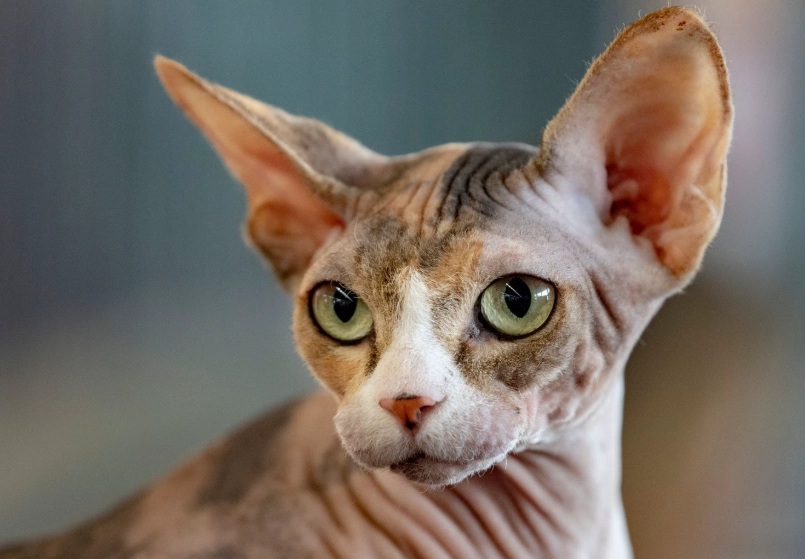 So, do Sphynx cats smell? Not if you're listening to them. Their lack of fur gives you a direct line to their health and hygiene. That oily feel, that slight scent – it's not a design flaw. It's a reminder. A reminder to clean an ear, to wash a blanket, to choose a better food. Commit to the routine, and you'll have a sleek, cuddly, and yes, sweet-smelling companion who defies the hairy stereotypes.