Key Takeaways
- It's All in the Genes: The Science Behind Siamese Colors
- The Modern "Black Pointed" Siamese Cat
- From Kitten to Adult: The Color Transformation
- Is It a Black Siamese, a Black Cat, or an Oriental Shorthair?
- Caring for Your Dark-Pointed Companion
- Frequently Asked Questions
- Wrapping It Up: Finding Your Dark Beauty
So you've seen a picture online, or maybe heard a friend talk about their stunning black Siamese cat. And now you're here, scratching your head. I was too, honestly. For the longest time, I thought Siamese cats only came in those classic seal, chocolate, blue, and lilac points. A solid black one? That sounded like someone had mixed up their cat breeds.
But it's not that simple. The term "black Siamese cat" gets thrown around a lot, and most of the time, it's not what people think it is. Let's clear this up right away. A traditional, pedigree Siamese cat from a reputable breeder following strict standards (like those from the Cat Fanciers' Association) will not be a solid, jet-black cat from nose to tail. That's just not in the traditional color palette for the breed. The quest for a truly black Siamese cat often leads people down a rabbit hole of genetics and modern breed variations.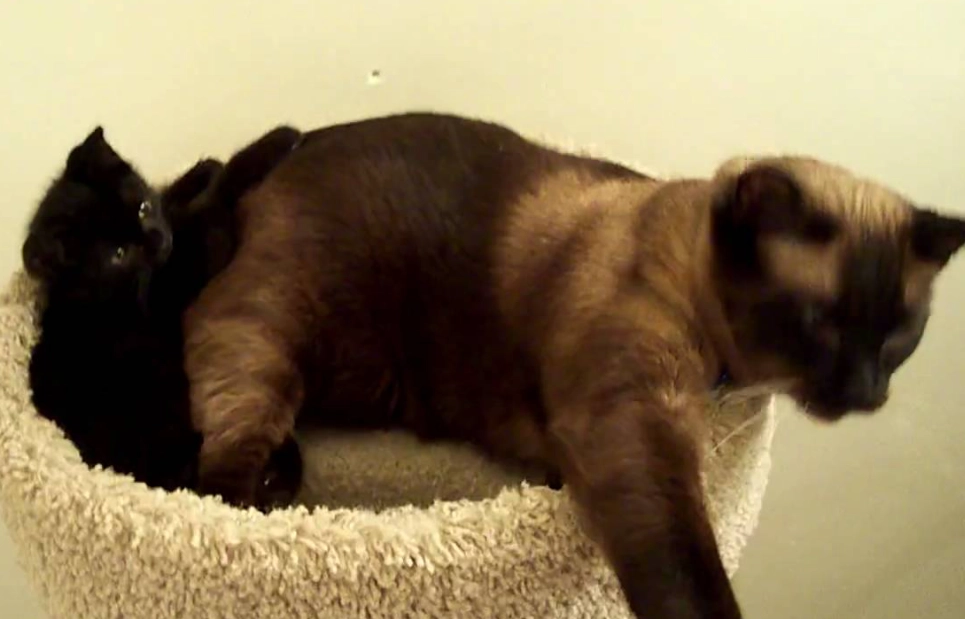
Where the confusion really starts is with a few other things. Sometimes it's a very dark seal point that looks almost black in certain lights. Sometimes it's a mixed-breed cat with Siamese-like features. And sometimes, it's talking about a completely different but related color: the black pointed Siamese, which is a whole different ball game and the closest you'll legally get within the breed standards for a "Siamese cat black" look. This is what most people are actually searching for when they type in those keywords.
Let's bust a myth right now: If a breeder tries to sell you a "rare, solid black Siamese," be very, very skeptical. More likely than not, it's either not a purebred Siamese, or they are using misleading terminology. A responsible breeder registered with associations like The International Cat Association (TICA) will be upfront about colors and genetics.
It's All in the Genes: The Science Behind Siamese Colors
To understand why a classic Siamese cat black in full isn't a thing, you have to understand their signature party trick: the point coloration. This isn't just a cute pattern; it's a fascinating genetic temperature-sensitive albinism. Crazy, right?
All Siamese cats carry a gene (the Himalayan gene, or *cs* allele) that restricts pigment production. This enzyme only works in cooler areas of the body. So the warm torso stays a lighter cream or ivory color, while the cooler "points"—the ears, face mask, paws, and tail—develop that darker pigment. The base color of those points depends on other genes.
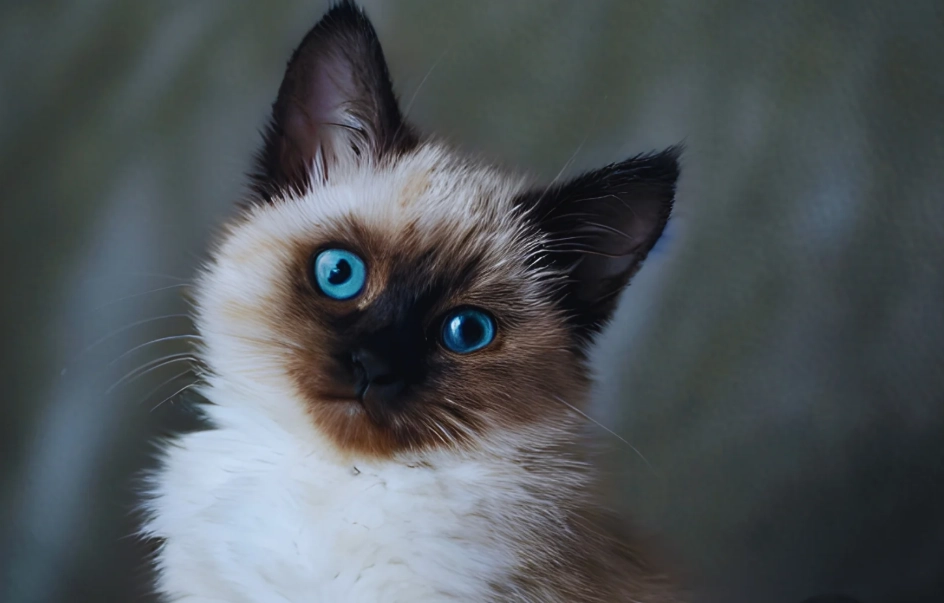
Now, here's where the black comes in. The darkest traditional point color is seal brown. It's a very dark, almost blackish-brown. In poor light or in photos, a dark seal point can easily be mistaken for a black Siamese cat. But get up close, and in sunlight, you'll see the brown undertones.
So what creates actual black pigment? That's controlled by the gene for black color (B/b series). But in a traditional Siamese, the temperature-sensitive gene overrides it on the body, leaving only the potential for black on the points. For a cat to be solid black, it would need to not have that restrictive Siamese point gene, which would, by definition, make it not a Siamese in the traditional sense.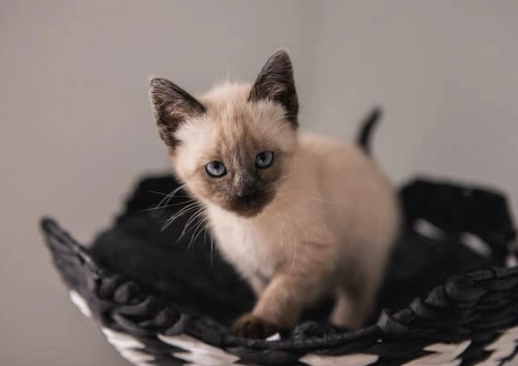
Genetic Quick Reference: Think of it like a recipe. The Siamese recipe must include the temperature-sensitive albinism gene (cs) to create the points. The "black" ingredient (B gene) can be added, but it will only express fully in the cool areas. A cat without the cs gene but with the black ingredient is just a black cat, not a Siamese cat black.
I remember talking to a breeder at a cat show, and she showed me a stunning seal point. "People ask me all the time if I have black ones," she said, pointing to the cat's nearly ebony face and paws. "I just say, 'Look at this one in the sun.'" The distinction became crystal clear.
The Modern "Black Pointed" Siamese Cat
Here's where it gets interesting for folks who love that dark, dramatic look. While the solid black Siamese cat is a genetic impossibility within the breed standard, there is a recognized and stunning variant: the black pointed Siamese.
This is often what savvy cat enthusiasts mean when they discuss a black Siamese cat. In this case, the cat has the classic Siamese pattern, but the points are a true, dense black instead of seal brown. The body color is an off-white or pale gray. The contrast is incredibly striking—like a charcoal sketch on ivory paper.
This color is part of the expanded color palette accepted in some modern Siamese breed lines and by cat registries like TICA under the Colorpoint Shorthair division or in certain "non-traditional" Siamese lines. It's achieved by combining the Siamese point gene with the genes for solid black pigment. So, you get the pattern of a Siamese with the color intensity of a black cat, but only on the points. It's a breathtaking look and probably the closest true-to-breed answer to someone wanting a Siamese cat black in aesthetic.
How do you tell a dark seal point from a black point? It's tricky. The black point lacks the warm brown undertones. In direct light, seal looks dark brown; a true black point looks... well, black. It's a cooler, more neutral dark. If you're looking at kittens, it's nearly impossible, as points develop over time.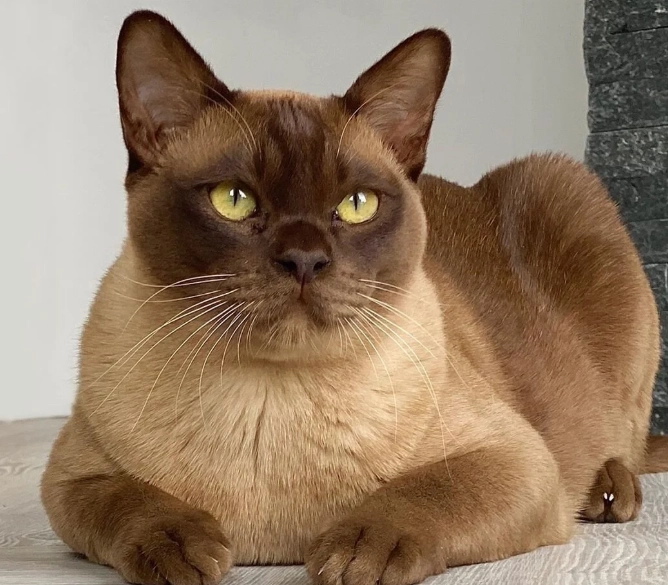
From Kitten to Adult: The Color Transformation
This is a key point a lot of new owners miss. You don't get a full-grown-looking black Siamese cat from day one. All Siamese kittens are born white or cream-colored. Their points haven't developed yet because they've been in the uniformly warm environment of the womb.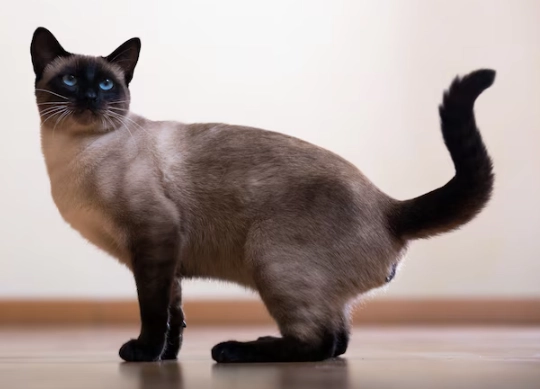
Within the first week or two, the color starts to appear on the nose, ears, paws, and tail. It's faint at first. For a kitten that will develop into a very dark or black-pointed Siamese, the points will start as a smoky gray and gradually deepen over the next several months. The final, rich color might not be fully set until the cat is over a year old.
The body color also changes. It darkens with age. An older Siamese, even a seal or blue point, will often have a noticeably darker torso than it did as a young adult. This is normal and part of the breed's charm. So that "black Siamese cat" you see in a photo might be a mature, dark seal point whose body has cooled and darkened over the years.
Environment even plays a role! A Siamese living in a consistently cool climate might develop slightly darker points than one in a tropical area. It's a living piece of genetic art.
Is It a Black Siamese, a Black Cat, or an Oriental Shorthair?
This is the big identification headache. Let's break it down. You see a sleek, vocal, black cat with blue eyes. What is it?
| Feature | Traditional Siamese (Seal Point) | Modern "Black Pointed" Siamese | Solid Black Domestic/Oriental Mix | Black Oriental Shorthair |
|---|---|---|---|---|
| Overall Color | Light body, dark brown/black points. | Pale body, true black points. | Solid black all over. | Solid black all over. |
| Eye Color | Vivid, deep blue (mandatory). | Vivid, deep blue (mandatory). | Can be any color (green, gold, copper). Blue is rare unless part-Siamese. | Usually green, but can be blue in some lines. |
| Body Type | Modern: Extremely slender, tubular. Traditional: More moderate. | Modern: Extremely slender, tubular. Traditional: More moderate. | Varies widely. | Identical to modern Siamese—very slender, angular, large ears. |
| Voice & Personality | Very vocal, social, demanding, dog-like. | Very vocal, social, demanding, dog-like. | Personality varies; may have some Siamese traits if mixed. | Identical to Siamese—extremely vocal and social. |
| The "Black Siamese Cat" Verdict | Often mistaken for one due to dark points. | The actual intended subject of the search term. | Often mislabeled as a "black Siamese." | The most common source of confusion; a cousin breed. |
The Oriental Shorthair is the real kicker. This breed is essentially a Siamese cat but without the point-restriction gene. They come in over 300 colors and patterns, including solid ebony black. They have the same sleek body, huge ears, and chatty personality. So, if you see a solid black cat that looks and acts exactly like a Siamese, you're almost certainly looking at an Oriental Shorthair. Calling it a black Siamese cat is technically incorrect, but you can see why the mix-up happens every single day. I fell for it myself years ago before I learned the difference.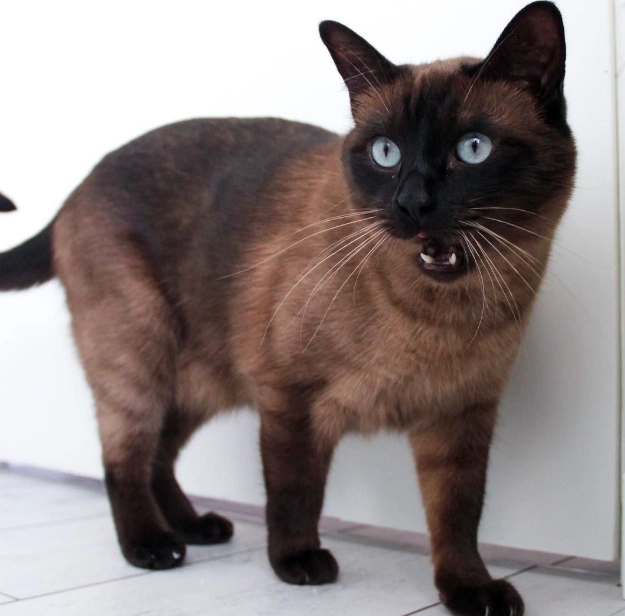
Caring for Your Dark-Pointed Companion
Okay, let's say you have, or are getting, a Siamese with very dark or black points. Is the care any different? Not really, but their distinctive traits demand specific attention.
Grooming and That Sleek Coat
Good news! Their short, fine coat is low-maintenance. A weekly brush with a rubber grooming mitt or soft bristle brush is plenty to remove dead hair and distribute skin oils. It's more about bonding than necessity. You'll notice their dark points can sometimes look a little faded or "rusty" if they get too much sun (yes, cat fur can sun-bleach!) or if their diet is lacking. A high-quality diet rich in animal proteins and fats supports a rich, glossy coat. If you want that jet-black point color on your Siamese cat black to really pop, nutrition is key.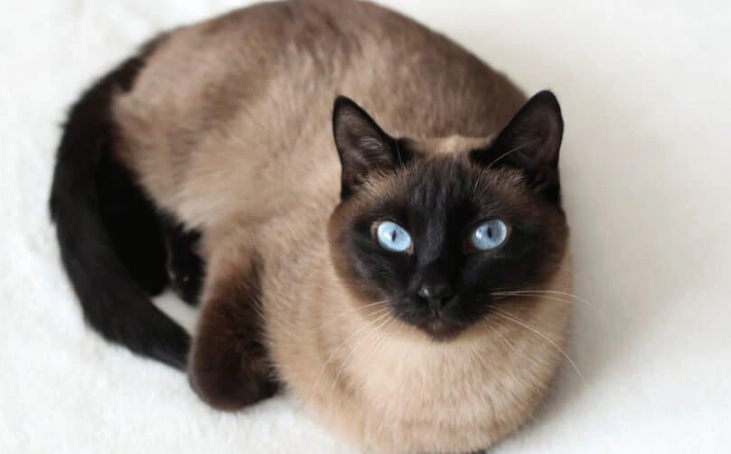
Pro Tip: While baths are rarely needed, if you do bathe your cat, use a shampoo formulated for black coats to enhance shine and depth of color. Always consult your vet before using any new grooming product.
Health Considerations: Beyond the Color
Their color doesn't dictate health, but the breed does have some predispositions. This is where being an informed owner is crucial.
- Dental Issues: Siamese and Orientals are prone to gingivitis and periodontal disease. Start tooth brushing early if you can. I failed at this with my first Siamese mix, and the vet bills later were not fun.
- Respiratory Issues: Some lines may have a predisposition to asthma or other respiratory conditions.
- Crossed Eyes & Kinked Tails: These were once common in the breed due to the same gene complex that creates the points. Responsible breeding has mostly eliminated them, but it's good to be aware. A kinked tail is harmless but would disqualify a cat from the show ring.
- Amyloidosis & Other Conditions: As with any purebred, research reputable breeders who screen for genetic conditions. The Veterinary Partner website is a great resource for understanding these health conditions.
Regular vet check-ups are non-negotiable. Their sleek build also means they have less body fat and can get cold easily. A cozy blanket or bed in a draft-free spot is a must.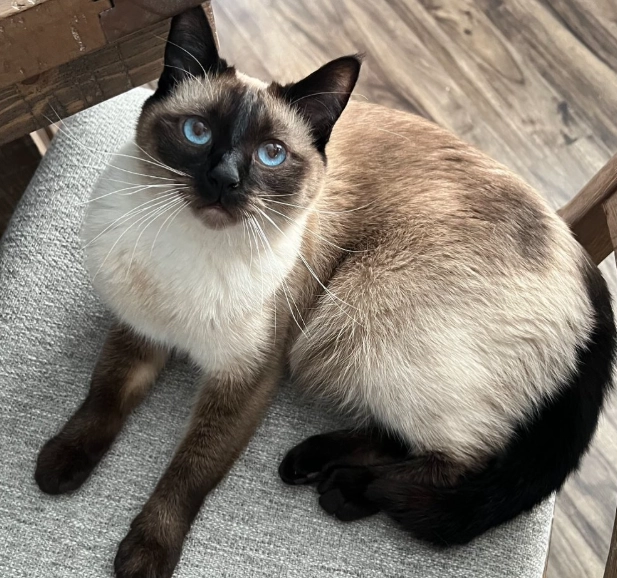
Diet, Exercise, and Mental Stimulation
These cats are athletes. They are intelligent, energetic, and get bored easily. A bored Siamese is a destructive Siamese. They need interactive play sessions daily—think feather wands, laser pointers (always end with a physical toy they can "catch"), and puzzle feeders.
Their diet should support their active metabolism. High-quality, protein-rich wet food is excellent, with dry food available for grazing if weight isn't an issue. Talk to your vet about portions; it's easy to over or underfeed a slender cat.
Most importantly, they need you. They are not independent lap cats who ignore you all day. They are involved in everything you do. They will talk to you, follow you, and demand your attention. If you work long hours, seriously consider getting two so they can keep each other company. A lonely black pointed Siamese cat is a sad and noisy creature.
Frequently Asked Questions (The Real Questions People Have)
Let's tackle the specific, sometimes quirky questions that pop up around this topic.
How much does a black pointed Siamese cat cost?
If you find a reputable breeder specializing in this color, expect to pay a premium. Prices can range from $800 to $2,500 or more, depending on lineage, breeder reputation, and location. The "black Siamese cat" label can sometimes be used by less scrupulous sellers to inflate the price of a mixed-breed black cat with blue eyes. Always, always see the kitten with its mother, check the breeder's registration with a major association, and get a written contract and health guarantee. Adopting a similar-looking mix from a shelter is a wonderful, cost-effective alternative.
Are black Siamese cats more aggressive or different in personality?
Not at all. Coat color in cats, unlike some dog breeds, is not linked to personality. The personality of a Siamese—whether seal point, blue point, or black point—is defined by the breed, not the shade of its points. They will all be social, vocal, intelligent, and demanding. The myth of the "mean" Siamese often comes from people who didn't understand their high needs for interaction and stimulation. A neglected Siamese of any color can become neurotic.
Can Siamese cats' points change color due to illness?
Yes, this is a little-known but important fact. The temperature-sensitive pigment production can be affected by body temperature changes. If a Siamese has a persistent fever, the points might lighten because the whole body is warmer. Conversely, if they have poor circulation or are chronically cold, the points might darken or spread. A sudden, noticeable change in point color can be a sign to visit the vet. It's one of the unique health indicators you have with this breed.
What's the difference between a black tabby point and a black point?
Another great question that shows someone is diving deep! A black point is solid, dense black. A black tabby point (also called lynx point) has the black color arranged in tabby stripes on the points. So, you'll see distinct dark stripes on a lighter background on the face, legs, and tail. It's a gorgeous pattern and adds another layer of complexity to the Siamese cat black family tree.
Is it ethical to breed for a specific color like black points?
This is a personal and ethical question. From a responsible breeding standpoint, the answer is yes, as long as health and temperament are the absolute top priorities. Breeding should never be just for color. A good breeder working with black pointed Siamese cats is aiming to preserve the breed's health, structure, and personality first, with the color as a beautiful byproduct of careful genetic selection. The problem arises when color becomes the sole focus, leading to unethical practices and unhealthy animals.
Wrapping It Up: Finding Your Dark Beauty
So, after all this, what's the final word on the black Siamese cat?
It exists, but not in the way most people initially imagine. The solid black cat with blue eyes that looks Siamese is usually an Oriental Shorthair—an amazing breed in its own right. The true prize for a Siamese lover seeking the darkest possible look is the black pointed Siamese—a cat with the classic pattern but with points of true, striking black.
Whether you fall in love with a deep seal point that tricks the eye, a modern black point, or a sleek solid black Oriental, you're bringing home a creature of incredible personality. They are not for everyone. They require time, engagement, and a tolerance for conversation. But if you can provide that, you'll have a companion like no other—a shadow with a voice, a presence that fills a home, and a friend whose elegant darkness is matched only by the brightness of its spirit.
Do your research. Ask the hard questions. And remember, the color is just the wrapping paper. The real gift inside is the unique, loving, and endlessly entertaining cat waiting for you.