If you've ever shared your home with a tortoiseshell cat, or even just admired one from afar, you've probably asked yourself that question. There's something about them. It's not just the wild, patchwork coat that looks like someone spilled autumn across a cat. It goes deeper. People whisper about "tortitude," swap stories about their sassy personalities, and marvel at how no two are ever alike. But what's the real story behind these mosaic-furred felines? Is the hype real, or just a bunch of old wives' tales mixed with confirmation bias?
I've lived with a tortie for over a decade. Her name is Mosaic (yes, I know), and let me tell you, the stories are... often true. But there's a fascinating science and history behind it all that makes the question "why are tortoiseshell cats special" so much more interesting than just personality quirks. It's in their genes, their history, and their very existence. Let's unpack it.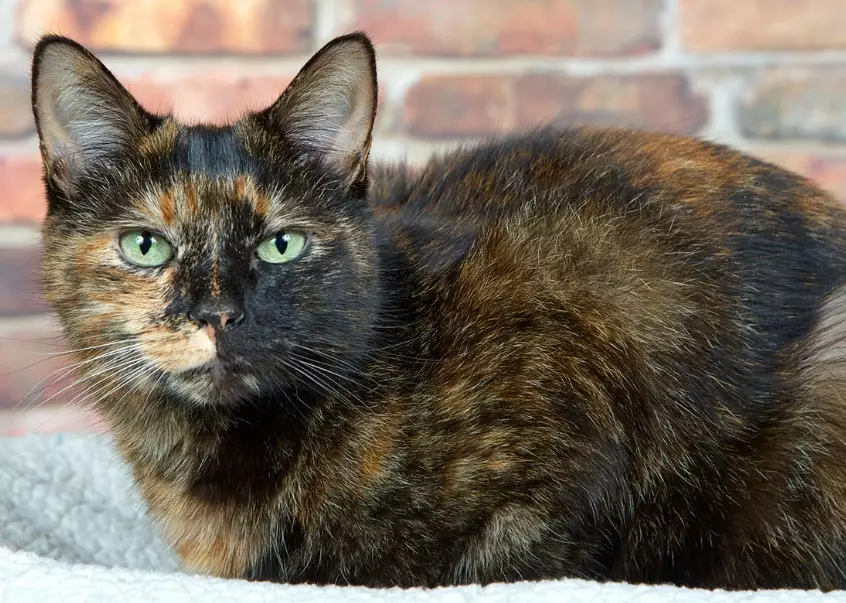
In This Article
The Genetic Magic Trick: It's All in the X Chromosomes
This is the core of it. The single biggest reason why tortoiseshell cats are special is a genetic fluke so specific it feels like magic. To understand it, you need to forget everything else for a second and think about cat chromosomes.
Cats, like humans, have sex chromosomes: XX for females, XY for males. The gene for orange or black coat color is located on the X chromosome. A female cat has two X chromosomes. One X might carry the instruction for "orange" fur, and the other X might carry the instruction for "black" fur. Here’s where it gets wild. In early embryonic development, one of those X chromosomes gets randomly "switched off" or inactivated in each cell. This is called X-inactivation.
Think of it like this. Imagine a cat embryo is a patchwork quilt. In one patch, the "orange" X chromosome is active, so that patch of skin and fur grows orange. Right next to it, in another cell, the "black" X chromosome is the active one, so that patch grows black. This random inactivation happens all over the embryo, resulting in the beautiful, brindled, non-uniform blend of orange, black, and sometimes cream or diluted versions (like grey-blue and pale cream, called "dilute torties"). That's a tortoiseshell pattern.
So what about male tortoiseshell cats? They're the unicorns. For a male cat (XY) to be tortoiseshell, he must have an extra X chromosome, making him XXY. This is a genetic condition called Klinefelter syndrome. These males are incredibly rare—statistics often cite about 1 in 3,000 tortoiseshell cats is male. And due to their genetic abnormality, they are almost always sterile. Finding one is a genuine oddity. The UC Davis Veterinary Genetics Laboratory has some accessible information on how these coat color genetics work if you want to dive deeper into the science.
See? Just from a pure biology standpoint, they're special. A walking, purring display of random genetic expression. That alone answers a big part of "why are tortoiseshell cats special." But we're just getting started.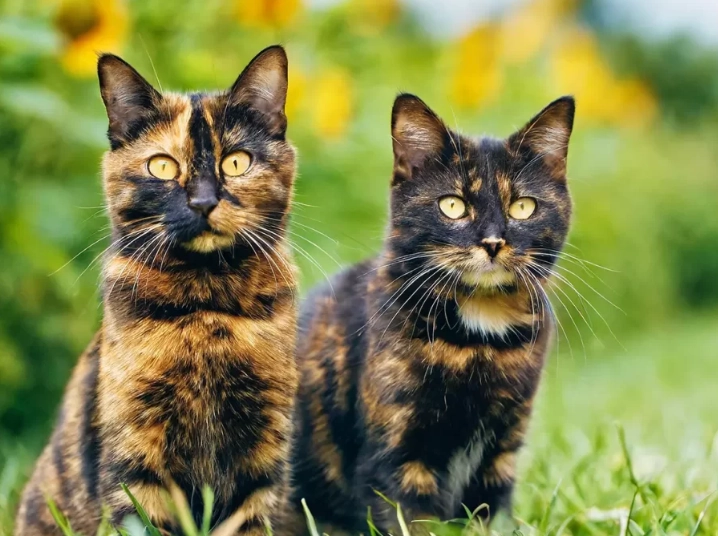
Unraveling the Legend of "Tortitude"
Ah, tortitude. The most famous, debated, and anecdotal aspect of tortoiseshell cats. Ask any vet or long-time tortie owner, and most will nod knowingly. The term describes a cat that is famously strong-willed, fiercely independent, sassy, vocal, and deeply bonded—but on her own terms. It's a mix of "diva" and "devoted companion" that can switch in a heartbeat.
Is it scientifically proven? Not definitively. There's no large-scale, peer-reviewed study that conclusively links coat color to personality in a way that controls for all other factors. Critics rightly point out that confirmation bias plays a huge role. You hear about "tortitude," so you notice and remember every time your tortie acts feisty and ignore the times she's a lap potato.
But. And this is a big but. Talk to enough people who have owned multiple cats, and the pattern is hard to ignore. Many behaviorists and veterinarians acknowledge there might be a link, not because of the color itself, but because the genes for coat color are located on the same chromosome as genes that can influence behavior and physiology. It's a genetic linkage possibility. The American Veterinary Medical Association (AVMA) generally cautions against stereotyping pets by looks, but they also recognize that breed and genetics can influence temperament.
From my own experience with Mosaic, I can say this: she is the most communicative cat I've ever had. She doesn't just meow; she has conversations. Trills, chirps, full-on yowls of protest if dinner is late. She is incredibly affectionate—but only when she decides it's time. You cannot force cuddles. She runs the house. My other cat, a placid grey tabby, defers to her completely. Is that tortitude, or is she just a particular individual? It's impossible to say for sure, but the collective experience of thousands of owners points to something real.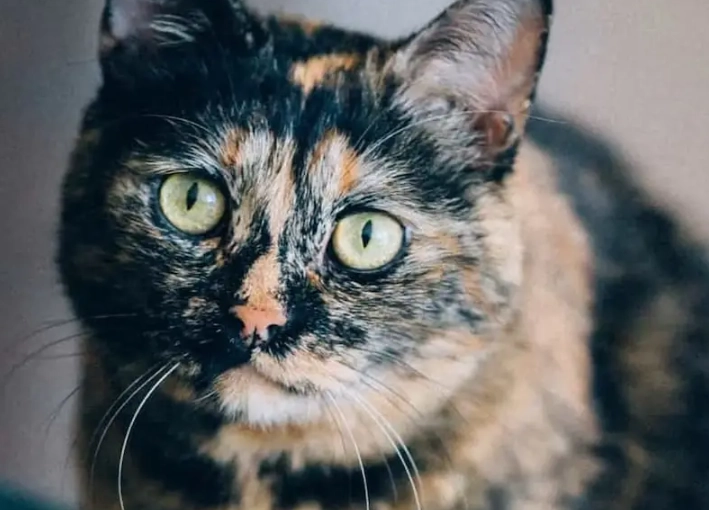
Let's break down the common personality traits often bundled under "tortitude":
| Common Trait | What It Often Looks Like | A Note of Reality |
|---|---|---|
| Strong-Willed & Independent | Does things their own way, on their own schedule. Less likely to be "trained" in the conventional sense. | This can be mistaken for aloofness, but it's more about self-determination. |
| Vocal & Communicative | A wide range of meows, chirps, and trills to express needs, opinions, and greetings. | Not all torties are chatty, but many owners report this more than with other coat patterns. |
| "Velcro" Bonding | Forms an intense, loyal bond with one or two specific people in the household. | The flip side of independence. They choose their person, and the devotion is deep. |
| Feisty & Playful | High-energy play that can be intense and last into adulthood. Can have a short fuse with other pets. | This is where the "sassy" reputation comes from. They have clear boundaries. |
| Affectionate on Their Terms | Will demand pets and lap time, but only when they initiate it. May not tolerate being held for long. | This is the classic "I want attention, but don't you dare pick me up" paradox. |
So, is tortitude a real thing? I think it's a useful shorthand for a cluster of personality traits that do seem to appear with notable frequency in these cats. Whether it's genetically linked or a self-fulfilling prophecy, the result for an owner is the same: a cat with a big personality.
More Than Just Pretty Fur: Health and Care Considerations
When you're thinking about why tortoiseshell cats are special, it's not all about looks and attitude. There are some practical things to know, especially if you're considering bringing one home.
First, a crucial point: "tortoiseshell" is not a breed. It's a coat color pattern that can appear in many breeds and in domestic shorthairs and longhairs. So, their health predispositions are tied to their breed, not their coat color. A tortoiseshell Persian will have Persian health concerns (like breathing issues); a tortoiseshell Maine Coon will have Maine Coon considerations (like potential heart issues).
That said, the vast majority of torties are domestic mixed breeds, which often benefits from genetic diversity and fewer inherited disorders than purebreds. They are generally healthy, robust cats. However, that rare male tortoiseshell (the XXY male) may face health challenges associated with Klinefelter syndrome, such as reduced bone mineral content or increased body fat. A study published on the National Institutes of Health (NIH) PubMed database has explored health aspects in XXY males, noting these potential concerns.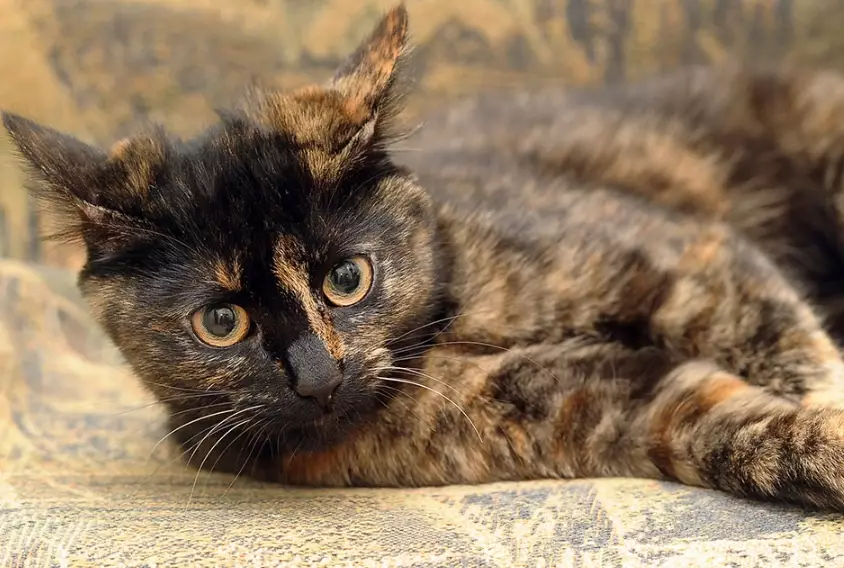
Myth vs. Fact: Tortoiseshell Cat Edition
Myth: Tortoiseshell cats are a specific breed.
Fact: They are not. It's a coat pattern found in many breeds and random-bred cats.
Myth: All tortoiseshell cats are female.
Fact: Almost all are, but the rare male tortie does exist due to a genetic anomaly.
Myth: Calicos and tortoiseshells are the same.
Fact: Very close, but different. Tortoiseshells have a blended, brindled mix of colors (black/orange). Calicos have larger, distinct patches of white, black, and orange. People often use the terms interchangeably, but purists make the distinction.
In terms of care, their needs are the same as any other cat: high-quality food, fresh water, regular veterinary check-ups, mental and physical stimulation, and lots of love (again, on their terms). Their unique coat doesn't require special grooming beyond what their fur length demands. A long-haired tortie will need regular brushing to prevent mats; a short-haired one will manage with less.
The real "care" consideration is understanding and respecting their personality. If you want a docile, always-snuggly lap cat that does what it's told, a tortie might frustrate you. If you appreciate a cat with agency, intelligence, and a deep, earned loyalty, you might find your perfect match. You need to be ready for a relationship that feels more like a partnership with a tiny, furry roommate than ownership of a pet.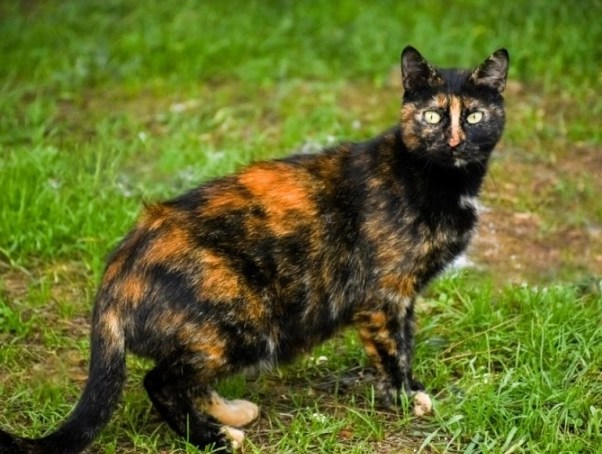
A Tapestry of Folklore and Good Luck
The special status of tortoiseshell cats isn't a modern invention. Cultures around the world have celebrated them for centuries, weaving them into folklore and attributing magical properties to them.
In Japanese and Celtic folklore, tortoiseshell cats are considered symbols of good fortune. Japanese fishermen historically believed having a tortoiseshell cat on board would protect them from ghosts and storms. In the United Kingdom and Ireland, they were believed to bring luck to a home. There's an old English saying that if you dream of a tortoiseshell cat, you will have good luck in love.
In the United States, they're sometimes called "money cats," with a belief that they bring financial prosperity. I can't say Mosaic has made me rich, but she did once bat a priceless heirloom ornament off the mantel, so maybe the folklore has a few bugs.
This global reverence adds another layer to their mystique. They weren't just seen as pets; they were talismans. This historical weight contributes to the feeling that they are extraordinary animals.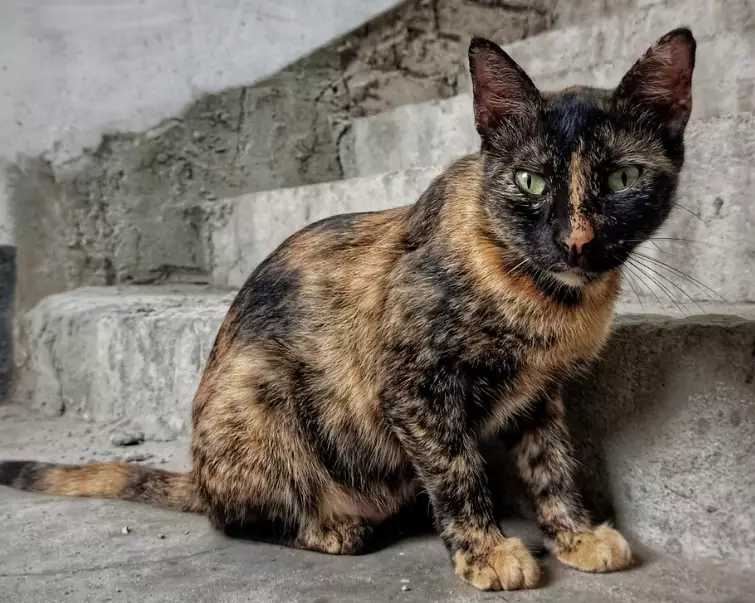
Your Tortoiseshell Cat Questions, Answered
Living With a Masterpiece: The Final Word
So, after all this, why are tortoiseshell cats special? It's the perfect storm of factors.
It starts with a genetic lottery that creates a living work of art, a coat pattern so unique it can't be replicated. It's bolstered by a personality—whether you call it tortitude or just a particularly strong character—that leaves an impression. It's wrapped in centuries of folklore that marks them as bringers of luck. And it's cemented by the sheer, joyful challenge of sharing your life with a creature that is utterly its own.
They're not for everyone.
If you need a low-maintenance, predictable, always-cuddly pet, you might find a tortie frustrating. But if you want a companion with intelligence, depth, and a will of iron—a cat that feels more like a small, furry person with clear opinions on home decor and dinner timing—then a tortoiseshell might just be the most special cat you'll ever meet.
In the end, their specialness isn't just one thing. It's the combination of science, myth, and individual spirit. They remind us that cats are not just pets, but complex individuals. My Mosaic, with her chirps at birds and her demanding head-butts at 5 AM, is a daily reminder of that. She's a handful, a mystery, and a total joy. And that, I think, is the most special thing of all.