Quick Guide to This Article
- The Core of the Himalayan Cat Temperament: A Blend of Two Worlds
- The Not-So-Glamorous Side: Real Talk About the Himalayan Cat Personality
- How Does the Himalayan Cat Personality Compare to Other Breeds?
- Living With a Himalayan: What Your Daily Life Will Really Be Like
- Answering Your Big Questions About Himalayan Cat Behavior
- The Final Verdict: Is a Himalayan Cat Right For You?
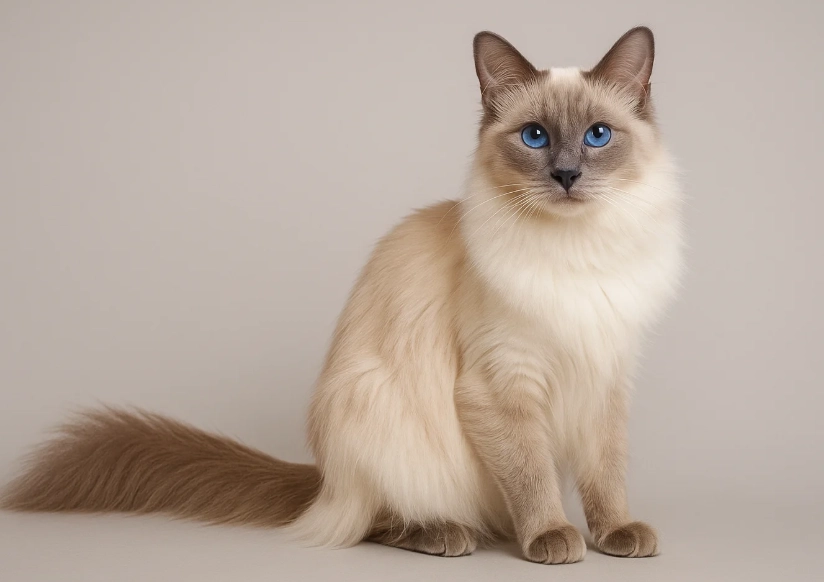
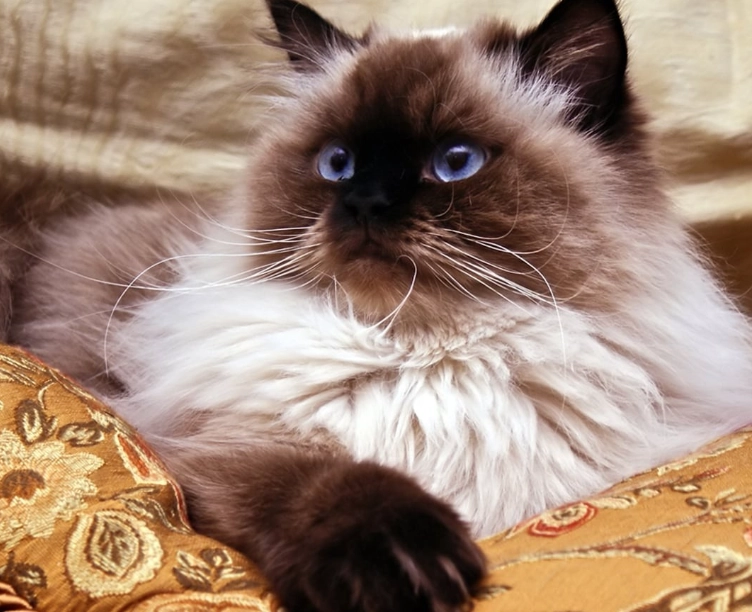
So you're thinking about a Himalayan cat. You've seen the pictures – those stunning blue eyes, that luxurious, flowing coat, the perfect doll-like face. It's easy to get swept up in their looks. I mean, who wouldn't? But here's the thing a lot of people don't talk about enough before bringing one home: the Himalayan cat personality is what truly makes this breed special. It's not just fluff and blue eyes. It's a whole vibe.
I remember visiting a friend who had two of them, a seal point and a blue point. I expected aloof, regal creatures perched on a velvet cushion, barely acknowledging my presence. That's the Persian side stereotype, right? What I got was completely different. One of them, a big fluffy boy named Mochi, immediately marched over, chirped at me, and planted himself firmly on my lap. He didn't ask permission; he just assumed lap ownership was his right. And he stayed there, purring like a little motorboat, for the entire evening. That was my first real lesson. The Himalayan cat personality is often misunderstood. They're not just decorative. They're deeply interactive, but on their own terms.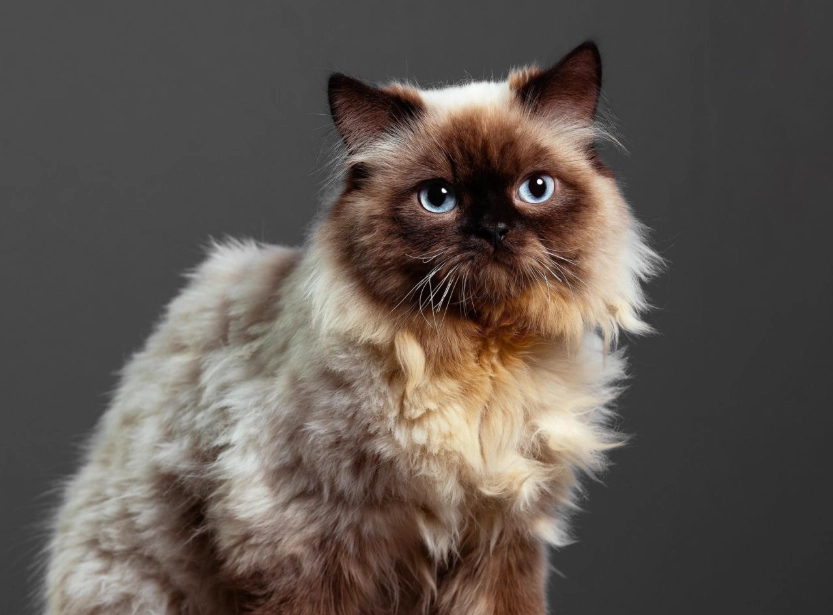
The Core of the Himalayan Cat Temperament: A Blend of Two Worlds
To really get the Himalayan cat personality, you have to understand their origin. They're not a natural breed; they're a deliberate cross between Persians and Siamese. Breeders wanted the gorgeous long coat and sweet face of the Persian, combined with the color points and (hopefully) a bit more interactive nature of the Siamese. The result? A fascinating mix.
From the Persian side, they inherited that quintessential laid-back, gentle, and somewhat placid disposition. The frantic zoomies at 3 a.m.? Less common with Himalayans. They're more about leisurely stretches and dignified lounging. From the Siamese side, they got a dash more vocalization (though nothing like a pure Siamese's opera) and a noticeable spark of curiosity and attachment. They're not as silent as a pure Persian; they have a soft, melodic voice they'll use to comment on their day or, more likely, to inquire about dinner being five minutes late.
This blend creates a uniquely sweet-tempered cat. Their energy level is moderate. They enjoy short bursts of playful chase with a feather wand or a crinkly ball, but they're equally content, and perhaps even more so, to spend hours as a warm, purring blanket on your lap or beside you on the couch. This makes their personality a fantastic fit for quieter households, apartments, or people who work from home.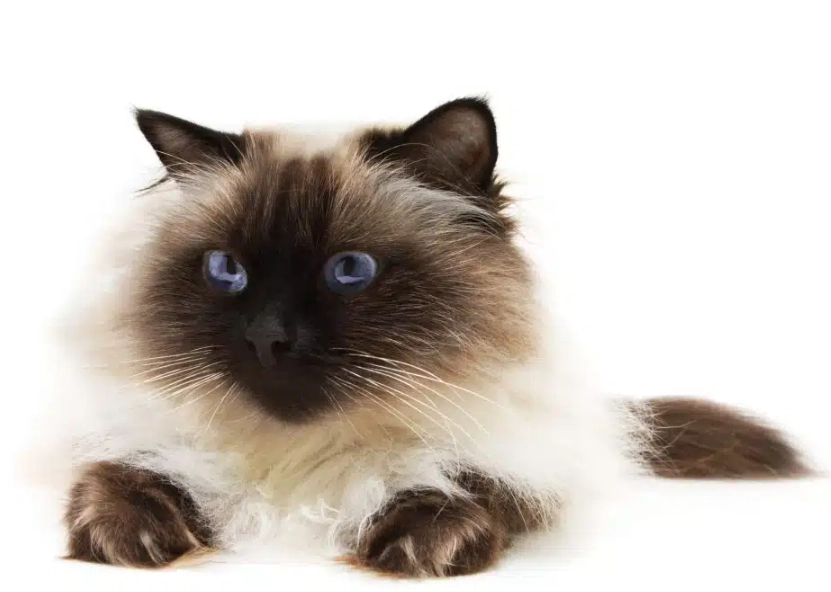
Key Traits That Define the Himalayan Personality
Let's break it down into observable behaviors. When you live with a Himalayan, you'll notice these patterns:
- Affectionate, but not clingy: They seek physical contact but aren't usually "velcro cats" that follow you from room to room every single second. They prefer to be in the same room, often choosing a comfy spot nearby from which they can supervise your activities. The lap is, of course, the prime real estate.
- Gentle and Patient: Their default setting is calm. This is a huge part of why the Himalayan cat personality is often recommended for families with respectful children and other calm pets. They rarely show aggression; their first response to stress is more likely to be a dignified retreat.
- Playful in Short Sessions: Don't expect marathon playtimes. They enjoy interactive play for 10-15 minutes at a time, often with a graceful, almost comical clumsiness due to their stocky body and shorter legs. Watching a Himalayan "hunt" a toy mouse is an exercise in adorable determination.
- Quietly Observant: They are watchers. You'll catch them staring out the window for long periods, tracking birds, or just following you around the house with their eyes. They're deeply connected to their environment and their people.
The Not-So-Glamorous Side: Real Talk About the Himalayan Cat Personality
Okay, time for some real talk. I love these cats, but painting an overly rosy picture does no one any favors. To understand if a Himalayan cat's personality is right for you, you have to look at the whole package, including the challenges. This is where many prospective owners get tripped up.
The Bright Side and The Reality Check
The Wonderful Stuff: Unmatched sweetness, incredible loyalty, a calming presence, gorgeous to look at, generally quiet, excellent for relaxed homebodies.
The Demanding Stuff: That magnificent coat is a daily commitment. We're talking serious grooming to prevent mats that can become painful and lead to skin problems. They shed. A lot. Their brachycephalic (flat) face can lead to tear staining, requiring regular face cleaning, and sometimes breathing or dental issues. They are not low-maintenance pets in the physical care department.
The grooming isn't optional. I've seen neglected Himalayans, and it's heartbreaking. Mats pull on their skin, they get hot, they can't groom themselves properly. Committing to a Himalayan means committing to a grooming routine. If you hate the idea of daily brushing, this breed will be a source of stress for both of you. The Cat Fanciers' Association (CFA) breed standard emphasizes the coat's importance, and that care translates directly from the show ring to your living room.
Another personality quirk linked to their build: they can be a bit... uncoordinated. They're not the agile leapers of the cat world. Jumping onto high counters might be a calculated effort or a complete fail. This isn't a flaw in their personality, just a physical trait that influences how they interact with their world. You might need to provide steps to their favorite perches.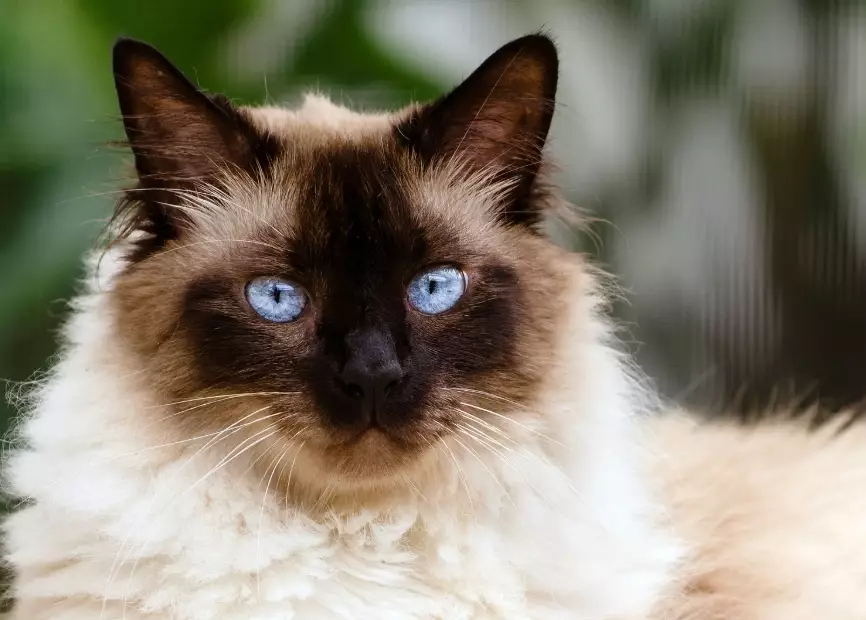
How Does the Himalayan Cat Personality Compare to Other Breeds?
It's useful to see where they stand. Let's put it in a table. This isn't about one breed being better, but about finding the right fit for your lifestyle.
| Breed | Energy Level | Vocalization | Affection Level | Key Personality Difference from Himalayan |
|---|---|---|---|---|
| Himalayan | Low to Moderate | Low to Moderate (soft voice) | Very High (calm affection) | The baseline for comparison: sweet, gentle, placid. |
| Siamese | Very High | Very High (loud, frequent) | Very High (demanding attention) | Far more active, vocal, and "in-your-face." Less patient. |
| Persian | Very Low | Very Low | High (quiet companionship) | Even more sedentary and silent. May be slightly more independent. |
| Maine Coon | Moderate to High | Moderate (chirps & trills) | High (friendly, dog-like) | Much larger, more playful, more adventurous, less lap-cat. |
| British Shorthair | Low | Very Low | Moderate (independent affection) | Often more aloof and self-contained. "Couch potatoes" who like their own space. |
See the pattern? The Himalayan cat personality sits in a very specific sweet spot: more interactive than a Persian, less intense than a Siamese, more lap-oriented than a Maine Coon, and sweeter-tempered than a typically reserved British Shorthair.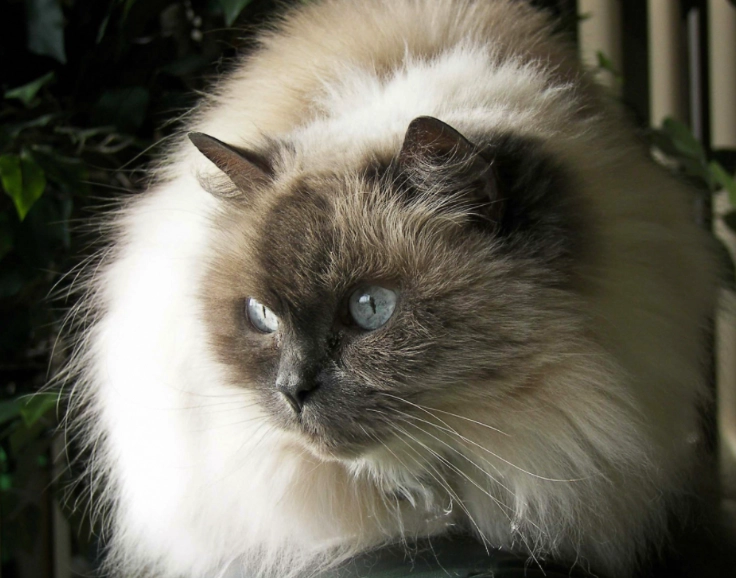
Living With a Himalayan: What Your Daily Life Will Really Be Like
Let's get practical. If you bring a Himalayan into your home, what can you expect on a Tuesday afternoon?
Morning: You'll likely be woken not by meowing, but by a gentle paw on your face or a quiet presence staring at you. Breakfast is expected with polite insistence. After eating, there's the post-meal grooming session (yours, not theirs… yet). Then, they'll find a sunny spot for a long morning nap.
Afternoon: This is prime lounging time. They may follow you to your home office and claim a chair or a corner of your desk. Maybe a short play session with a laser pointer (always end with a physical toy they can "catch" to avoid frustration). The International Cat Care organization emphasizes the importance of this kind of ethical play for all cats' mental well-being.
Evening: As you settle on the couch, that's the golden invitation. This is when the legendary Himalayan cat personality truly shines. The lap is occupied. The purring starts. They become a warm, peaceful weight, perfectly content. This is their happy place, and it becomes yours too. It's incredibly soothing.
Grooming Time: Non-negotiable. A daily brush with a good quality steel comb is essential. It prevents mats, reduces hairballs, and is a wonderful bonding activity. Many Himalayans even enjoy it once they're used to the routine. Get them used to it as kittens – it makes life so much easier.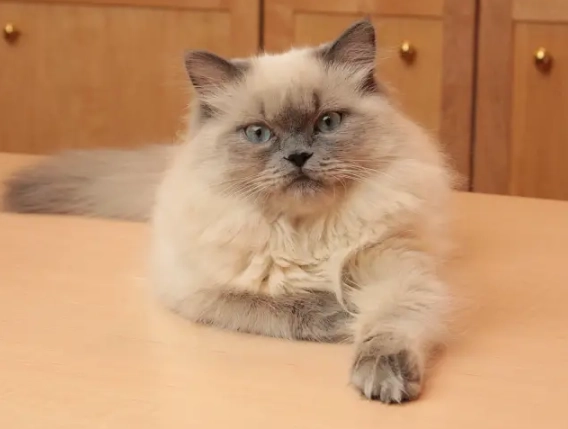
Are They Good With Kids and Other Pets?
Generally, yes, but with critical caveats. Their gentle Himalayan cat temperament makes them tolerant, but they are not crash-test dummies. They do best with calm, older children who understand how to pet gently and not pull their long fur. A toddler's unpredictable movements might scare them. They usually coexist peacefully with other calm cats and even dog-friendly dogs. The key is slow, proper introductions. Their first reaction to a boisterous puppy will be to find a high, safe hideaway.
Answering Your Big Questions About Himalayan Cat Behavior
Q: Are Himalayan cats lazy?
I'd say "calm" or "low-energy" is a fairer description than "lazy." They conserve their energy for important things like napping and cuddling. They have playful moments, but they won't run marathons around your house. This isn't a sign of poor health (though regular vet checkups are key); it's just their normal personality.
Q: Do Himalayan cats like to be held?
Most do, but again, on their terms. They are not typically squirmers. They will often relax into being held and cradled, especially if they've been raised with gentle handling from a young age. It's one of the most endearing aspects of the Himalayan cat personality – they are genuinely cuddly.
Q: Why is my Himalayan cat so vocal?
If your Himalayan is chattier than expected, that's the Siamese heritage peeking through. They use their soft voice to communicate. It could be a greeting ("Hello, you're home!"), a request ("My water bowl is half empty, this is an emergency"), or just commentary ("I see a squirrel"). It's rarely loud or annoying, just part of the conversation.
Q: Can Himalayan cats be left alone?
They can tolerate being alone for a standard workday better than some ultra-dependent breeds, but they are social creatures who thrive on companionship. Leaving one alone for very long hours daily isn't ideal and can lead to loneliness or mild depression. If you work long hours, consider getting two so they can keep each other company. Their personality is suited to companionship.
Q: Are Himalayan cats intelligent?
They are intelligent in a quiet, observant way. They won't necessarily learn tricks quickly (though some can with patient, food-motivated training), but they are excellent at learning routines. They know exactly what time dinner is, where the sunbeam hits at 2 PM, and which human is most likely to share a piece of chicken.
The Final Verdict: Is a Himalayan Cat Right For You?
Let's be brutally honest. You should get a Himalayan if:
- You want a supremely affectionate, calm, and gentle companion.
- You are a homebody or spend a lot of time at home.
- You are committed to a daily grooming routine and don't mind some fur on your clothes.
- You prefer a quiet, predictable pet over a high-energy, mischievous one.
- You value deep companionship and a living, purring stress-reliever.
You should probably look at another breed if:
- You want a low-maintenance, wash-and-wear cat.
- You have very young, rambunctious children.
- You are rarely home or want a highly independent cat.
- You are bothered by regular cleaning (tear stains, grooming fur).
- You want an agile, athletic cat that explores every high corner.
Understanding the Himalayan cat personality is the most important step before bringing one into your life. It's a personality of profound sweetness, quiet devotion, and serene companionship. They ask for care and grooming in return for unmatched loyalty and a calming presence. They are not just beautiful objects; they are sensitive, emotional beings with a specific set of needs and an incredible capacity for love. If your lifestyle aligns with theirs, a Himalayan won't just be a pet; they'll become a deeply cherished, fluffy centerpiece of your home, embodying a personality that is, in my opinion, one of the sweetest in the entire cat world.
Do your research, find a reputable breeder who prioritizes health and temperament (resources like The International Cat Association (TICA) can be a starting point for finding responsible breeders), or consider a rescue specializing in Persians and Himalayans. Giving a home to a cat whose personality you truly understand is the beginning of a wonderful relationship.