Quick Guide to Devon Rex Cats
- What Exactly Is a Devon Rex Cat?
- The Devon Rex Personality: Dog-Like? Try Monkey-Like!
- Caring for Your Pixie: A Practical Guide
- Health and Lifespan: What to Watch For
- Devon Rex vs. The World: A Quick Comparison
- Your Devon Rex Questions, Answered
- The Final Verdict: Is a Devon Rex Cat Your Perfect Match?
You know how some cats just look... normal? The Devon Rex is the exact opposite of that. The first time I saw one at a cat show, I honestly thought it had just stuck its paw in a light socket. Big, bat-like ears, huge curious eyes, and this wavy, rippled coat that looked more like crushed velvet than fur. I leaned over to a friend and whispered, "Is that a cat or an alien pixie?" Turns out, I wasn't far off. The Devon Rex cat is often called the "pixie" or "elf" of the cat world, and once you get to know them, you'll see it's a perfect fit.
This isn't your average lap cat (though they love laps). Owning a Devon Rex is more like having a permanent, furry toddler with the curiosity of a monkey and the loyalty of a dog. If you're tired of aloof, independent cats and want a companion that's genuinely involved in your life, you're in the right place. But is a Devon Rex the right cat for you? That's the big question we're going to unpack.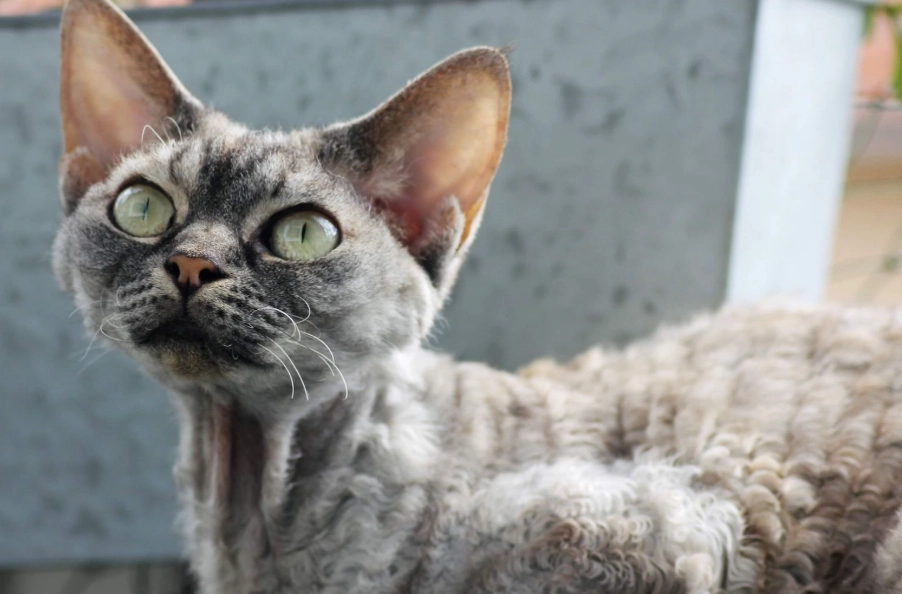
What Exactly Is a Devon Rex Cat?
Let's start with the basics. The Devon Rex is a distinct breed that originated in Devon, England, in the late 1950s. A feral, curly-coated cat named Kirlee is the founding father of the entire breed. It's a natural genetic mutation, completely separate from the other famous curly-coated cat, the Cornish Rex (despite the similar names and looks). The gene that causes the Devon's unique coat is recessive and different from the Cornish's gene. Think of them as curly-haired cousins who got their curls from completely different sides of the family.
The breed was developed carefully and gained recognition from major cat registries. You can see the official breed standard, which details the perfect look and structure, on the Cat Fanciers' Association (CFA) website. The International Cat Association (TICA) also has extensive resources. These are the go-to places for the most official, accurate descriptions.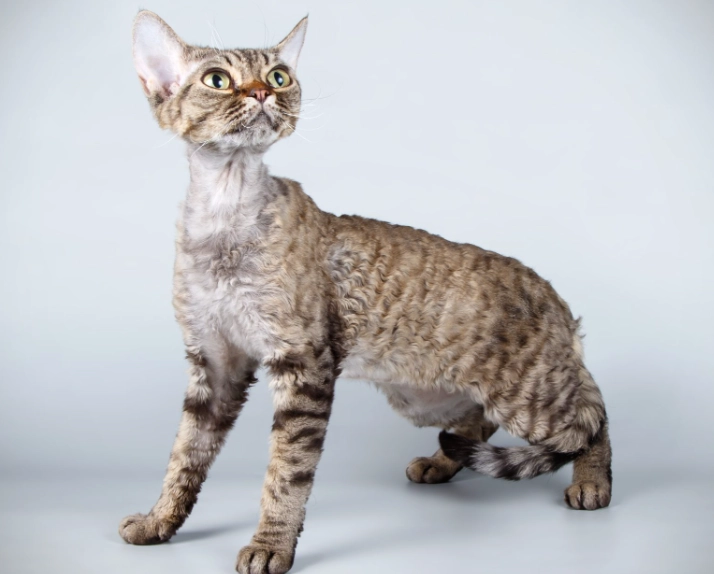
So, what makes a Devon Rex a Devon Rex? It's a specific combination of traits.
The Unmistakable Look: Elf Meets Velvet
You can't mistake a Devon Rex for anything else. Their appearance is a collection of delightful extremes.
- The Head: It's a modified wedge with prominent cheekbones. But the real stars are the eyes—large, oval, and wide-set, giving them a perpetually alert and mischievous expression. Their profile shows a definite stop (a dip) in the nose.
- The Ears: They're ridiculously large. Low-set on the head, very broad at the base, and rounded at the tips. They look like satellite dishes or bat wings. This isn't an exaggeration; it's a key breed feature.
- The Body: They're surprisingly solid and muscular for how slender they appear. It's a medium-sized body, but it's hard and athletic, not delicate. Their legs are long and slender, with small, oval paws.
- The Tail: Long, thin, and tapering, covered in fine fur.
The Famous Coat: Wavy, Warm, and Wonderful
This is the signature feature. The coat of a Devon Rex cat is short, fine, and soft. It lacks the coarse guard hairs that most cats have, leaving just the downy undercoat. This creates waves, ripples, and even loose curls, especially on the back, sides, and tail. It feels like warm suede or crushed velvet to the touch.
Because of this unique coat, they shed very, very little. This is a huge selling point for many people. But here's a reality check: "low-shedding" does NOT mean "hypoallergenic." Most cat allergies are caused by a protein (Fel d 1) in cat saliva and skin oils, not just the hair itself. While a Devon Rex may produce less airborne dander because they shed less fur, they still produce the allergen. Some allergic people tolerate them better, but it's not a guarantee. Always spend time with one before bringing it home if allergies are a concern.
The Devon Rex Personality: Dog-Like? Try Monkey-Like!
If the look draws you in, the personality will make you stay. Describing them as "dog-like" is common but almost too simplistic. It's more accurate to say they have the social intelligence of a dog, the curiosity and agility of a monkey, and the affection of... well, the most affectionate cat you can imagine.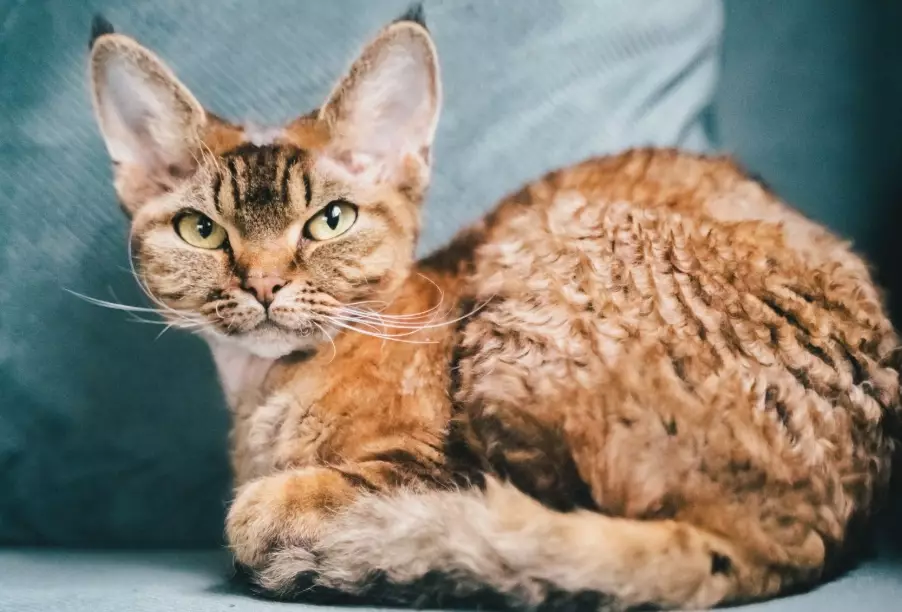
They are profoundly people-oriented. A Devon Rex cat doesn't just want to be in the same room as you; they want to be involved in whatever you're doing. Cooking? They'll be on the counter "supervising." Working at your desk? Expect a warm, purring weight on your keyboard or shoulders. Watching TV? They're in your lap, under the blanket, or batting at the screen.
They are playful well into adulthood. Don't expect a sedate senior cat; a 10-year-old Devon Rex will still initiate games of fetch or chase a feather wand with kitten-like enthusiasm. They are incredibly intelligent and can learn tricks—come, sit, high-five. They often enjoy puzzle toys and games that challenge their minds.
They tend to be very vocal, but not in a loud, yowling way. They have a soft, chirpy, conversational voice and will happily “talk” back to you. It's more of a dialogue than a demand.
And here's a crucial point about their temperament: they are generally excellent with children, other cats, and even cat-friendly dogs. Their social, playful nature makes them seek out companionship. They often do best with another pet in the house if you're gone for long hours, because they truly hate being alone.
Caring for Your Pixie: A Practical Guide
Okay, so you're smitten with the idea of a Devon Rex cat. What does daily life actually look like? Their care is a bit different from a typical shorthair.
Grooming: Less Brushing, Different Needs
Forget the daily brush-fest. Their coat doesn't mat like longhair fur. However, their fine hair can sometimes get oily, as mentioned. A weekly once-over with a very soft bristle brush or a chamois cloth is perfect to remove dead hair and distribute skin oils. Bathing every month or two with a gentle kitten shampoo can help prevent oil buildup. Many Devons, because they often have a single-layer coat, get cold easily. You'll likely find yours seeking out warm spots—heating vents, sunny windowsills, or under blankets. A cute cat sweater in winter isn't just a fashion statement; it's practical for this breed.
Diet and Nutrition: Fuel for a Ferrari
These are active, high-metabolism cats. They need high-quality, protein-rich food to fuel their antics. Because they are muscular and slender, it's easy to see if they're under or overweight. Follow feeding guidelines based on their age and activity level, and consult your vet. They can be prone to overeating if food is left out all day, so measured meals are often a better strategy than free-feeding.
Exercise and Enrichment: mandatory
This isn't optional. A Devon Rex cat needs both physical and mental stimulation daily. Interactive play sessions with wand toys, laser pointers (always end with a physical toy they can "catch"), and balls are a must. Provide tall, sturdy cat trees for climbing and perching. Puzzle feeders and treat-dispensing toys are fantastic to engage their brains. Rotate toys to keep things interesting.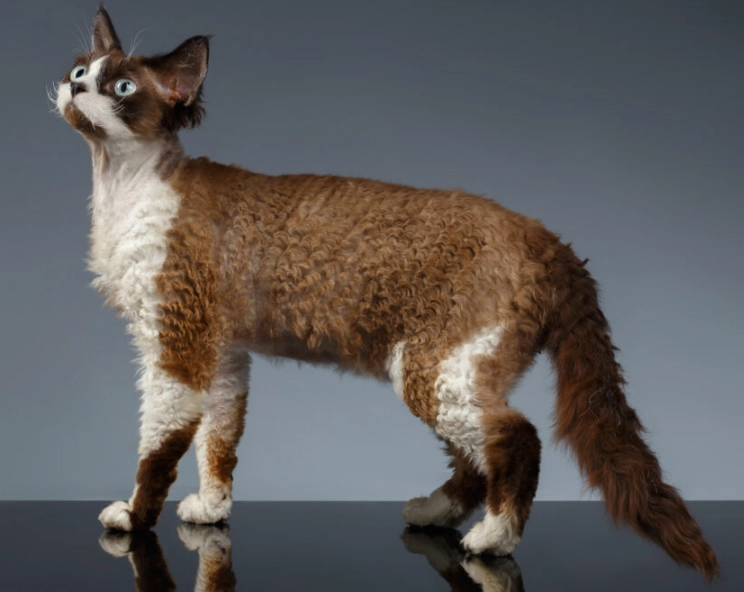
Health and Lifespan: What to Watch For
Generally, the Devon Rex is a healthy, robust breed with a typical lifespan of 9 to 15 years. Reputable breeders test their breeding stock for known genetic issues. However, like all purebreds, they have some predispositions to be aware of.
- Hypertrophic Cardiomyopathy (HCM): This is a form of heart disease that can affect cats. Ask your breeder for proof that the kitten's parents have been screened for HCM via echocardiogram by a veterinary cardiologist.
- Patellar Luxation: This is a condition where the kneecap can slip out of place. It can range from mild to severe, potentially requiring surgery.
- Hereditary Myopathy: Also called "Spasticity," this is a rare, inherited muscle disorder specific to the breed. It causes muscle weakness, especially in the neck. Reputable breeders work to eliminate this from their lines.
- Skin Conditions: Their unique skin can be prone to yeast infections, sunburn (yes, they can get sunburned!), and those oily patches/blackheads mentioned earlier.
The single most important thing you can do is choose a reputable breeder. A good breeder will be happy to discuss health testing, provide documentation, and have a lifelong interest in the cats they produce. They will interview you as much as you interview them. Avoid anyone who has multiple litters available at once, sells kittens under 12-16 weeks old, or won't let you visit their home or see the mother cat.
Consider pet insurance. Given their potential for specific health issues, it can provide peace of mind.
Devon Rex vs. The World: A Quick Comparison
People often confuse the Devon Rex with the Cornish Rex or the Sphynx. Here’s a quick breakdown to clear things up.
| Breed | Coat | Body Type | Key Personality Trait | Shedding Level |
|---|---|---|---|---|
| Devon Rex | Wavy/rippled, plush "velvet" feel. All three coat layers present but guard hairs are abnormal. | Moderately muscular, "elfin" face with huge ears and prominent cheekbones. | Mischievous, acrobatic, intensely people-oriented "monkey in a cat suit." | Very Low |
| Cornish Rex | Tight, marcel waves (like a 1920s perm), soft to the touch. Only undercoat present. | Extremely slender, elegant, and arched like a greyhound. Longer, more refined head. | Active, playful, and affectionate, but often described as a bit more reserved or "softer" than the Devon. | Very Low |
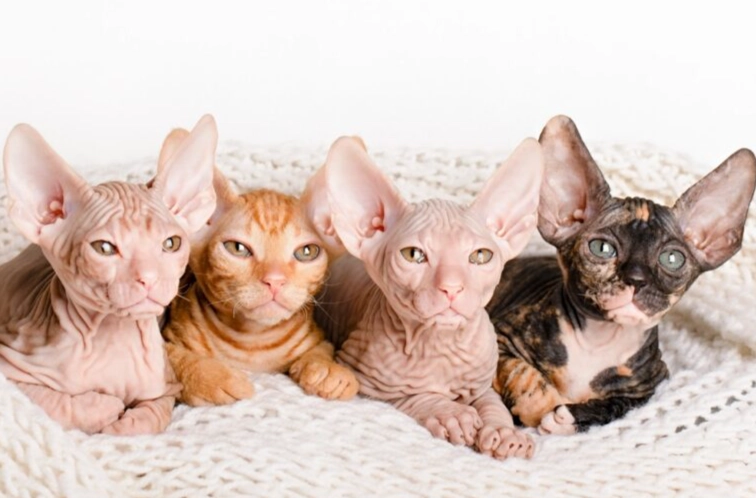
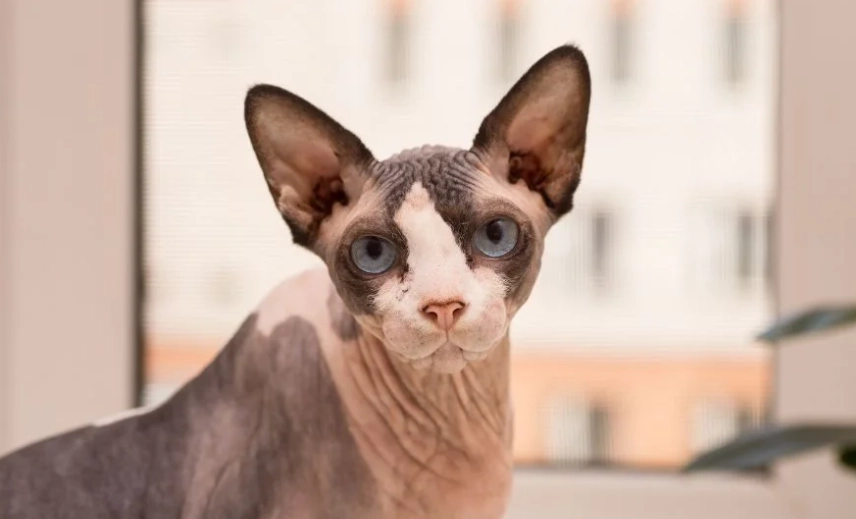
| Sphynx | Hairless, often with a peach-fuzz texture. Can have wrinkles. | Warm to the touch, solidly muscular with a prominent belly. | Extroverted, clownish, and extremely heat-seeking. Requires regular skin care (bathing). | None (but skin care is high) |
| Domestic Shorthair | Standard, smooth coat. | Varies widely. | Varies widely, but often more independent. | Moderate to High |
See? The Devon Rex cat really is in a league of its own.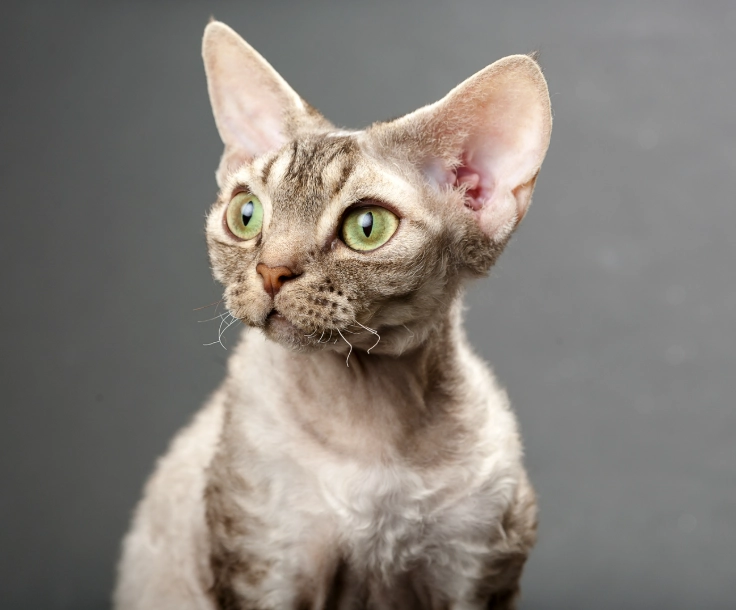
Your Devon Rex Questions, Answered
Let's tackle some of the most common things people search for when considering this breed.
Are Devon Rex cats good pets for families with young kids?
Generally, yes, absolutely. Their playful, tolerant, and social nature makes them a great match for respectful children. They enjoy the interaction and activity. The key, as with any pet, is teaching children how to handle them gently (no pulling the tail or ears!) and supervising interactions, especially with very young kids. A Devon Rex will often become a child's devoted shadow.
How much does a Devon Rex cat cost?
From a reputable breeder, expect to pay between $1,500 and $2,500 USD for a pet-quality kitten. Show-quality kittens or those from champion lines can cost more. This price should include initial vaccinations, deworming, spay/neuter, and a health guarantee. The high cost reflects the breeder's investment in health testing, quality care, and responsible breeding practices. Please do not look for "cheap" Devon Rex kittens. The lower price almost always means corners were cut on health, socialization, or ethics.
Can Devon Rex cats be left alone during the workday?
This is their biggest challenge. They are social creatures who thrive on interaction. Leaving a single Devon Rex alone for 8-10 hours a day, five days a week, is a recipe for an unhappy, bored, and potentially destructive cat. If you have a demanding job, strongly consider getting two kittens so they can keep each other company. Or, ensure you have another pet they bond with. If you work from home or have a flexible schedule, a Devon Rex will be in heaven.
Are they easy to train?
Easier than most cats! Their intelligence and desire to please (and get treats) make them excellent candidates for clicker training. You can teach them tricks, to walk on a harness, and even basic commands. They often figure out how to open doors and drawers on their own, so you might be training yourself to use childproof locks!
Do Devon Rex cats get along with other pets?
Usually, very well. Their non-aggressive, playful demeanor helps them make friends with other cats and cat-friendly dogs. Proper, slow introductions are still crucial. Their social nature means they often prefer having a feline or canine buddy.
The Final Verdict: Is a Devon Rex Cat Your Perfect Match?
Let's be brutally honest. A Devon Rex cat is not a low-maintenance, decorative pet. They are high-touch, high-engagement companions. They will be in your business, on your shoulders, and in your heart.
You might love a Devon Rex if: You want an interactive, "velcro" companion. You're home a lot or can provide a pet friend. You don't mind a little mischief and a lot of conversation. You appreciate a unique, striking appearance. You want a playful pet that stays kitten-like for years.
You should reconsider a Devon Rex if: You want a cat that is independent and aloof. You are gone for long, regular hours and can't get a second pet. You prefer a perfectly pristine, undisturbed home. You are sensitive to a cat that might need occasional baths or skin care. You are on a tight budget (consider initial cost and potential for specific health issues).
For the right person or family, a Devon Rex isn't just a pet; they're a hilarious, loving, unforgettable member of the family. They turn ordinary moments into adventures and constantly remind you that life is more fun with a pixie in it.
Do your homework. Find that exceptional breeder or rescue. Be prepared. And if you take the leap, get ready for one of the most uniquely rewarding relationships you can have with a cat. Just make sure you have an extra blanket handy—yours will likely be claimed.