Jump Straight To
Let's be honest, the first time you see a hairless cat, it's a moment. You're either completely captivated or... well, you might need a minute. I was in the first camp. There's something about those big ears, wrinkled skin, and that warm, suede-like feel that just gets you. But after living with a Sphynx for five years (shout out to Gollum, yes, I named him that), I've learned there's a massive gap between thinking they're cool and actually understanding what it takes to care for one.
This isn't just another listicle. We're going deep. If you're searching for info on hairless cat breeds, you're probably past the initial curiosity. You're likely wondering about the reality: the cuddles, the cleaning, the vet bills, the sheer personality. You want to know if your home is the right place for a naked feline. Good. That's exactly what we're covering.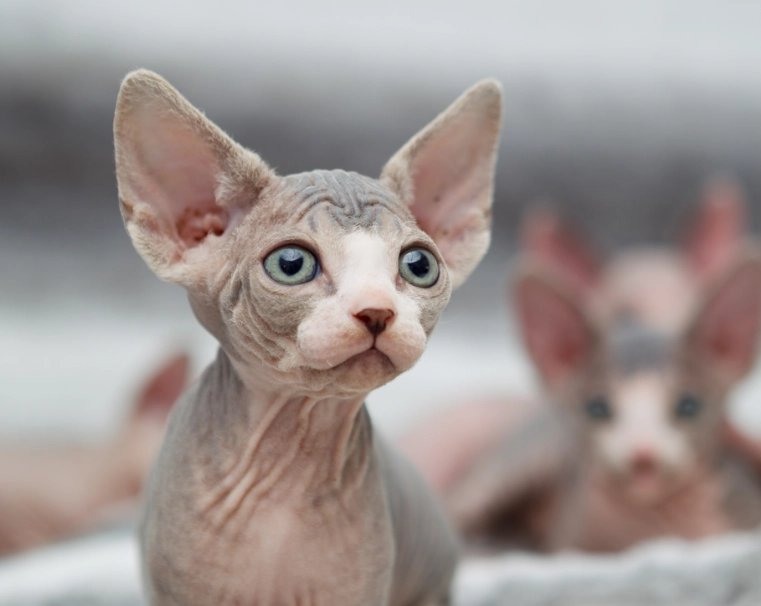
Not Just One: The Surprising World of Hairless Cat Varieties
Most people hear "hairless cat" and think "Sphynx." Full stop. But the world of hairless cat breeds is more diverse than that. The Sphynx is the superstar, the one with all the recognition, but it's not the only player. The distinction often comes down to genetics and breed history. Some are naturally occurring mutations, while others are the result of deliberate breeding programs.
I made the mistake of assuming all naked cats were the same. Then I met a Donskoy at a cat show, and its demeanor was distinctly different from my Sphynx. It sparked a deep dive into what makes each type unique.
The Main Contenders: A Breed Breakdown
Let's get to know the key breeds. This table should help you see the differences side-by-side, which is way more helpful than a wall of text.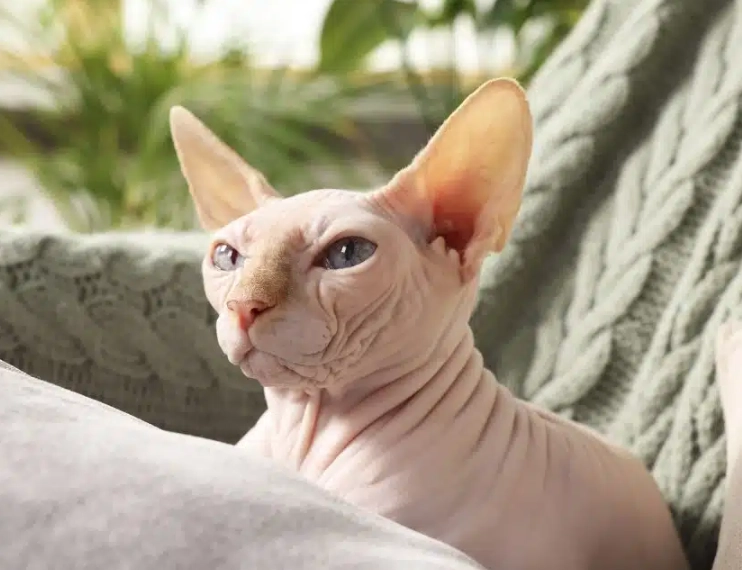
| Breed Name | Origin | Key Physical Trait | "Coat" Description | Temperament Vibe |
|---|---|---|---|---|
| Sphynx | Canada (1960s) | Large, lemon-shaped eyes; huge bat-like ears; muscular. | Can feel like warm suede or peach fuzz. Often has fine hair on nose, toes, tail. | Extroverted, clownish, energetic, "velcro" cat. Craves constant attention. |
| Donskoy (Don Sphynx) | Russia (1987) | Almond-shaped eyes; webbed toes; prominent cheekbones. | Skin is elastic and wrinkly, especially on kittens. Can be born bald or lose hair with age. | Highly intelligent, loyal, dog-like. Tends to form a very strong bond with one person. |
| Peterbald | Russia (1990s) | Very elegant, slender, and long-bodied (oriental type). | Comes in several coat types: bald, flocked, velour, brush. The "bald" type is truly hairless. | Gentle, affectionate, curious, and adaptable. Less hyper than the Sphynx, but still social. |
| Bambino | USA (2000s) | A crossbreed (Sphynx x Munchkin). Distinctive short legs. | Hairless like the Sphynx parent. | Playful, sweet, and confident despite short stature. Very people-oriented. |
| Ukrainian Levkoy | Ukraine (2000s) | Cross between Donskoy and Scottish Fold. Has inward-folding ears. | Hairless with wrinkled skin. | Reportedly calm, friendly, and playful. Still a very rare breed. |
See? Not all naked is created equal. The Sphynx and Donskoy, for example, have completely different genetic roots. The Sphynx's hairlessness is a recessive gene, while the Donskoy's is dominant. This matters if you ever think about breeding, but also just for understanding their background. The Cat Fanciers' Association (CFA) and The International Cat Association (TICA) are the big registries, and they have strict breed standards you can geek out on if you're so inclined. For the most authoritative breed descriptions, the Cat Fanciers' Association (CFA) and The International Cat Association (TICA) websites are the go-to sources.
The Day-to-Day: What Living With a Hairless Cat Is Actually Like
This is the section I wish I had read before bringing Gollum home. The pictures are adorable. The reality is... sticky. And oily. And wonderful, but let's not gloss over the sticky.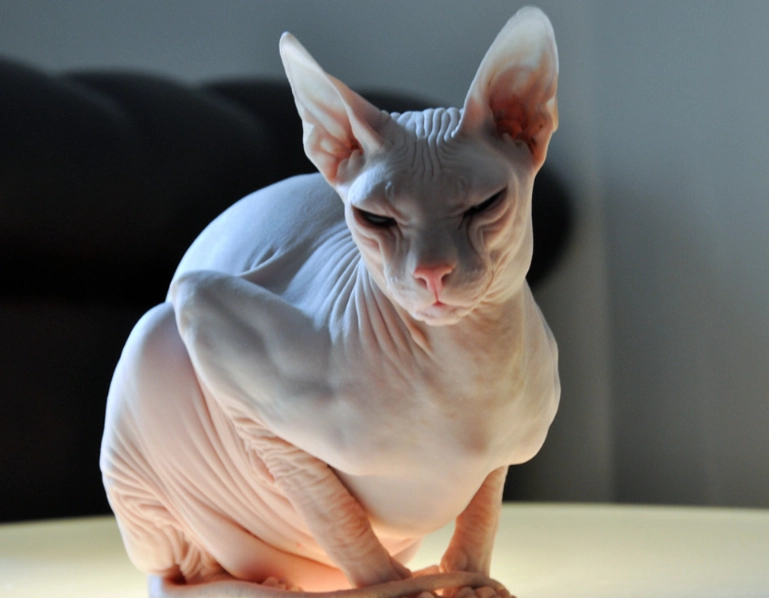
The Non-Negotiable Care Routine
Without fur to absorb it, the oils that all cats produce (sebum) build up on their skin. This isn't optional maintenance. It's mandatory for their health and your furniture.
- Bathing: Once a week. No excuses. You'll need a gentle, kitten-safe shampoo. I use a hypoallergenic oatmeal one. The bath water turns brown. Every single time. It's not dirt; it's oil. They usually hate it at first but many learn to tolerate it. Gollum now just looks profoundly betrayed for 10 minutes afterwards.
- Ear Cleaning: Their ears produce wax like nobody's business. Weekly cleaning with a vet-recommended solution and cotton balls is a must. Neglect this, and you're looking at infections.
- Nail Cleaning: Gunk builds up under their nails and in the nail sheaths. You have to gently wipe them clean during bath time.
- Skin Moisturizing (Sometimes): In dry climates, their skin can get flaky. A tiny bit of unscented, natural oil (like coconut oil) can help, but too much will make them greasy. It's a balance.
It sounds like a lot. It is. It adds about an hour to your weekly schedule. But it also becomes a weirdly bonding ritual.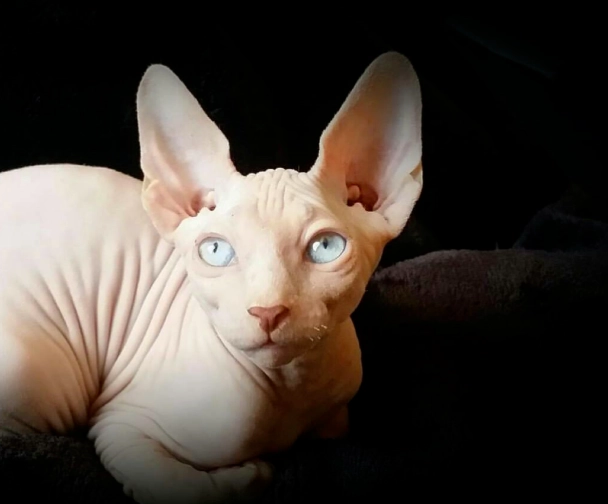
The Temperature Tango
They get cold. Easily. Their body temperature runs slightly higher than a furry cat's (about 101.5°F), but they lose heat fast.
- Clothing: Not a fashion statement. A necessity in cooler weather. You'll need soft, stretchy sweaters or pajamas. Avoid anything with loose threads they can catch their claws on.
- Beds & Blankets: Heated cat beds are a godsend in winter. They will also claim every blanket in the house. You will find them sunbathing in any patch of sunlight like a tiny, wrinkled solar panel.
- Danger Zone: Never let them outside unsupervised. They can get sunburned in summer and hypothermic in winter in minutes.
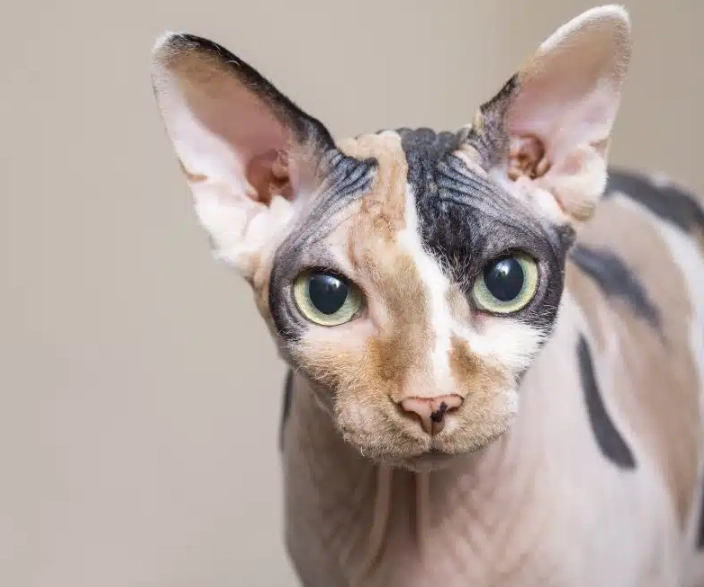
Health Stuff: Beyond the Skin Deep
This is the serious part. Responsible ownership of any hairless cat breed means knowing their potential health pitfalls. Reputable breeders screen for these. Backyard breeders do not. The difference can be tens of thousands in vet bills and heartache.
The Good, The Bad, and The Wrinkly: Pros & Cons
The Amazing Parts: Hypoallergenic* (see note below!), unbelievably affectionate, huge personalities, entertaining, warm to cuddle, no fur on your clothes or furniture (just... oil).
The Challenging Parts: High-maintenance grooming, sensitive to temperature, can be prone to specific health issues (HCM, skin conditions), often have big appetites to fuel their metabolism, breeding can be unethical if not done responsibly.
*Hypoallergenic Note: No cat is 100% allergen-free. Most people are allergic to a protein (Fel d 1) in cat saliva, which gets on fur when they groom. Hairless cats have less fur to spread it around, so many allergy sufferers do better with them. But they still produce the allergen. Always spend time with one before committing.
Common Health Conditions to Know About
- Hypertrophic Cardiomyopathy (HCM): This is the big one. A thickening of the heart muscle. It's prevalent in Sphynx and Donskoys. A responsible breeder will have annual echocardiograms (heart ultrasounds) done on their breeding cats. Never buy a kitten from a breeder who cannot show you these clear health records for the parents. The Cornell Feline Health Center has excellent, vet-reviewed resources on HCM.
- Skin Conditions: They can be prone to yeast infections, sunburn, and acne. Yes, cat acne. It usually happens on their chin. Keeping them clean is the best prevention.
- Dental Issues: Some lines have poor dentition. Regular dental check-ups are important.
- Digestive Sensitivities: Some have touchy stomachs. A high-quality diet is non-negotiable. You'll likely spend more on food than you would for a regular cat.
My personal vet bill horror story? A $3,000 emergency visit for a digestive blockage because Gollum ate a piece of a rubber toy. Their curiosity knows no bounds, and they put everything in their mouths.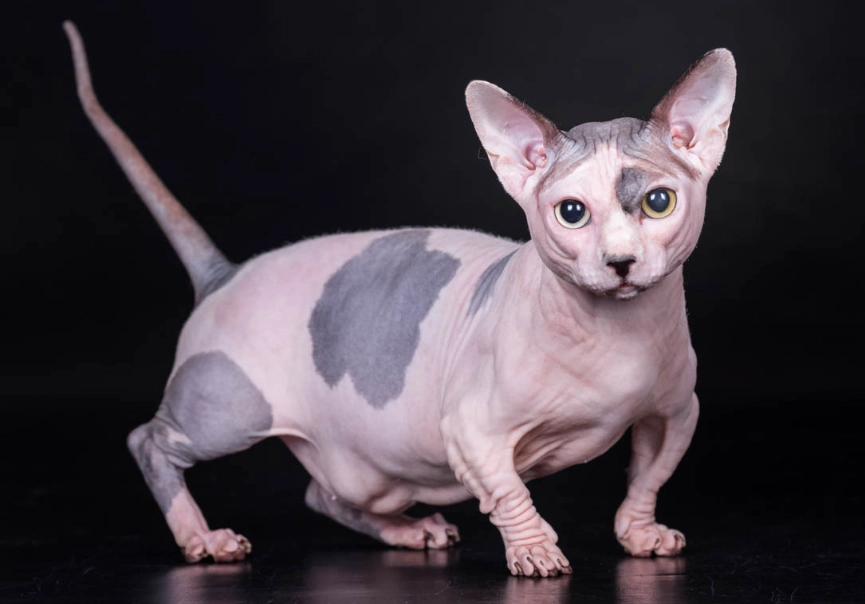
Finding Your Naked Companion: Ethics & Sources
This is the most important decision you'll make. The popularity of hairless cat breeds has led to a surge in unethical breeding.
Reputable Breeder Checklist:
- They are registered with a major association (CFA, TICA).
- They raise kittens in their home, not in cages.
- They ask you as many questions as you ask them.
- They provide a written health guarantee and contract.
- They show you health clearances for HCM (echocardiogram reports), not just "the vet said they're healthy."
- They let you visit and meet the mother cat (queen).
- Kittens stay with their mother until at least 12-14 weeks old.
Adoption & Rescue: Yes, it's possible! Breed-specific rescues exist. Sphynx and other hairless cats sometimes end up in shelters or with rescue groups because owners weren't prepared for the care. Organizations like Sphynx Rescue work to rehome these special cats. The process is rigorous, but it's a wonderful option.
Your Questions, Answered (The Real Ones)
The Final Word: Is a Hairless Cat Right for You?
Look, I adore my hairless weirdo. He makes me laugh every day. The way he greets me at the door, his obsession with stealing my socks, the pure joy he gets from a cardboard box. It's magical.
But it's a commitment on another level. It's a financial commitment, a time commitment, and an emotional one. You have to be okay with grease stains on your light-colored couches. You have to be diligent about their health. You have to love their peculiar look, inside and out.
If you've read this far and the detailed care, potential health issues, and cost haven't scared you off—if you're instead feeling a sense of "Okay, I can handle that, tell me more"—then you might just be the right kind of person for one of these extraordinary creatures.
Do your homework. Find a phenomenal breeder or rescue. Meet some adult hairless cat breeds in person. Feel their skin, experience their energy. It's the only way to know for sure if your heart and home have room for a little naked wonder.
And if you do take the plunge? Stock up on gentle shampoo, soft blankets, and get ready for a love like no other. Just maybe don't buy a white sofa.