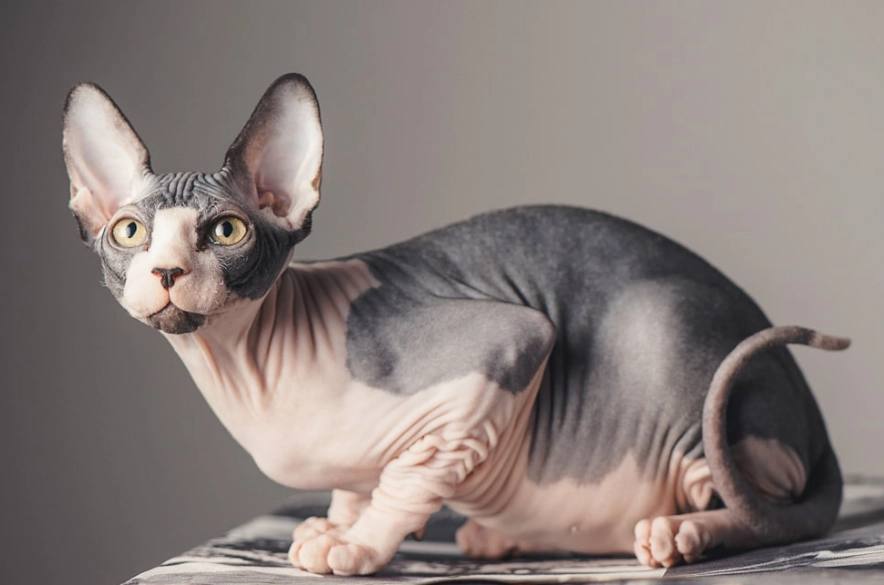
You bring home this wrinkly, warm-skinned creature expecting a cat. What you get is a heat-seeking, chatterbox companion who follows you to the bathroom, plays fetch, and seems to misunderstand the concept of personal space. Sphynx cat behavior isn't just quirky—it's a direct result of their unique biology and breeding. Having lived with two for over eight years, I can tell you the internet's surface-level advice often misses the mark. Let's cut past the "they're friendly" clichés and get into what really makes them tick, and how to handle the challenges that come with that unforgettable personality.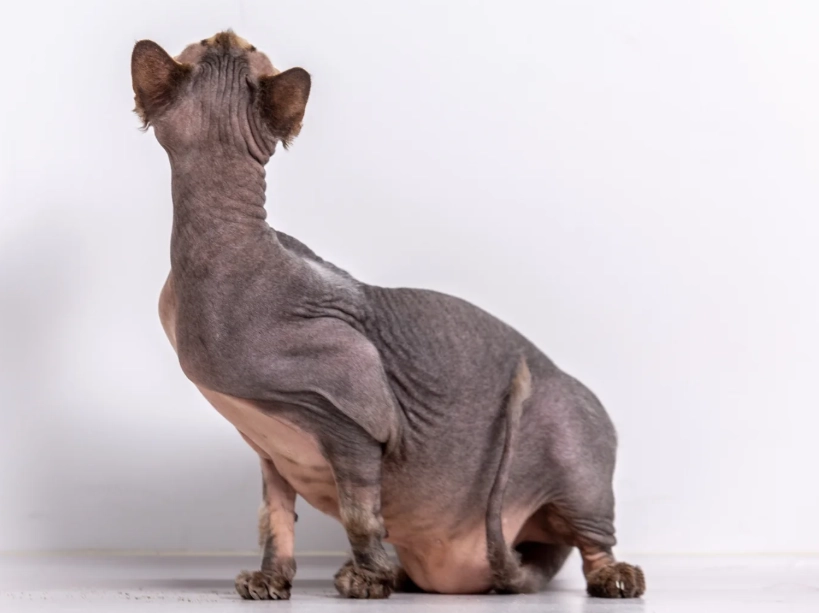
Quick Navigation
The Naked Truth: Why Sphynx Cat Behavior Is So Unique
It all starts with the lack of fur. This isn't just an aesthetic choice. Without a protective coat, Sphynx cats have a much higher metabolism to stay warm—some studies suggest up to 15-20% higher than a coated cat. Think of a furnace constantly running. That energy needs an outlet. So, what do they do? They move. They seek warmth (your lap, your laptop, under the blankets). They eat more. This hyper-metabolism fuels their notorious activity levels and constant search for cozy spots.
Then there's the skin. It feels like warm suede and requires regular cleaning. This necessary, frequent handling from kittenhood makes them exceptionally tolerant of touch and human interaction. They are hand-raised by necessity, which wires their brains to associate people with comfort and care from day one.
Breeders have also selectively chosen for temperament for decades. A nervous or aggressive hairless cat wouldn't thrive. The result is a genetic predisposition for confidence and sociability. It's nature and nurture working in tandem.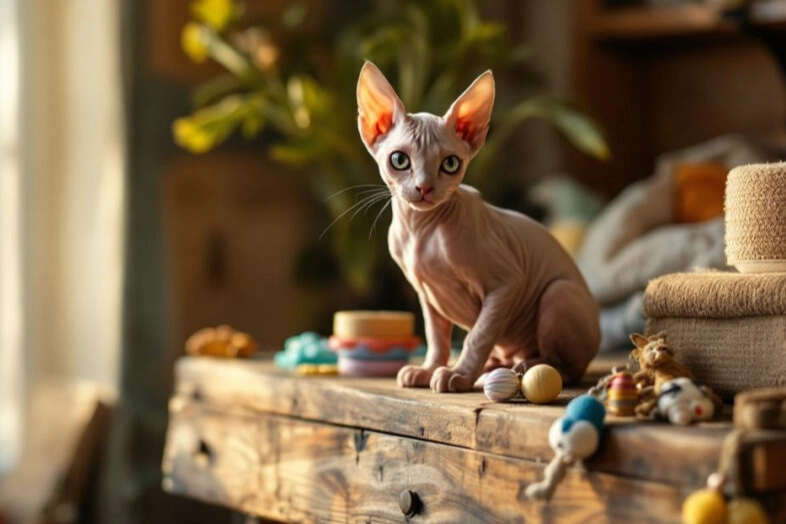
Expert Insight: Many new owners mistake their Sphynx's constant activity for anxiety. It's usually not. It's just their engine running hot. The real anxiety trigger for them is often being alone and cold, not the vacuum cleaner.
The Sphynx Personality Blueprint: More Than Just "Dog-Like"
Calling them "dog-like" is easy but lazy. Their personality is a specific blend of traits that creates a unique companion dynamic.
| Trait | What It Looks Like | Common Misinterpretation |
|---|---|---|
| Extreme Sociability | Follows you room-to-room, hates closed doors, needs to be involved in everything (including your Zoom calls). | Separation anxiety. While they dislike solitude, a true anxiety disorder involves destructive behavior or inappropriate elimination when alone. |
| High Intelligence & Curiosity | Opens cabinets, learns tricks quickly (fetch, high-five), gets bored easily with static toys. | Being "naughty." This is usually under-stimulation. A bored Sphynx will create its own fun, which you won't like. |
| Vocal Communication | A wide range of chirps, trills, and meows to comment on everything. They often "talk back." | Hunger or distress. Much of it is just running commentary. The tone is key—a high-pitched, repetitive meow is different from a conversational chirp. |
| Physical Affection & Warmth-Seeking | Under the covers at night, nestled in your neck, always on a warm electronic device. | Neediness. It's primarily thermoregulation blended with bonding. They are using you as a living heated bed, which is a compliment of sorts. |
My male Sphynx, Gable, has a specific chirp for when he's successfully stolen a sock. It's a proud announcement, not a request. Learning these nuances is key.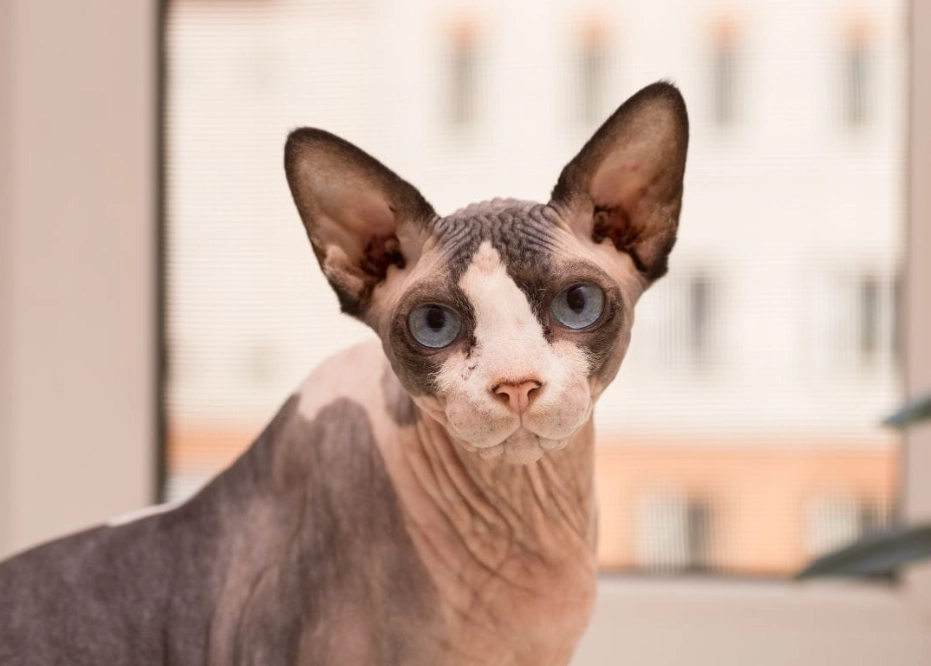
The Care Routine That Shapes Good Sphynx Cat Behavior
Behavior is deeply tied to care. Get the care wrong, and you'll see problems. This isn't optional maintenance; it's behavioral foundation work.
1. The Bathing & Skin Care Ritual (It's Not Just About Cleanliness)
Weekly (or bi-weekly) baths prevent oily buildup that can lead to skin infections. But here's the behavioral hook: make this positive. Use a sink or small tub with a non-slip mat. Use warm (not hot) water and a gentle, cat-specific shampoo like HyLyt® Hypoallergenic Shampoo. The goal is calm, not clinical.
The mistake? Racing through it. Talk softly, offer a lickable treat on the wall of the tub. This regular, calm handling reinforces trust and makes vet visits or medication easier. A stressed bath time creates a cat that hides at the sound of running water.
2. Climate Control is Behavioral Management
Keep your home comfortably warm, around 70-72°F (21-22°C). Provide multiple warm zones: a heated bed by the window, a blanket pile on the couch. Clothing is useful for short outings or drafty homes, but don't keep a sweater on them 24/7—their skin needs to breathe.
A cold Sphynx is a miserable, potentially sick Sphynx. Misery looks like hiding, lethargy, or irritability.
3. Feeding for Metabolism and Mental Health
High-quality, high-protein food is non-negotiable. They burn calories fast. Consider puzzle feeders or slow-feed bowls to engage their brains. A common error is free-feeding dry food. This can lead to obesity (yes, even with their metabolism) and boredom. Scheduled meals create routine and anticipation, positive behavioral markers.
Watch Out: Many Sphynx have sensitive stomachs. A sudden change in food leading to gastrointestinal upset will directly cause litter box avoidance or lethargy—what looks like a behavior problem is often a diet problem.
How to Handle Common Sphynx Cat Behavior Problems
Even with perfect care, their big personalities can present challenges.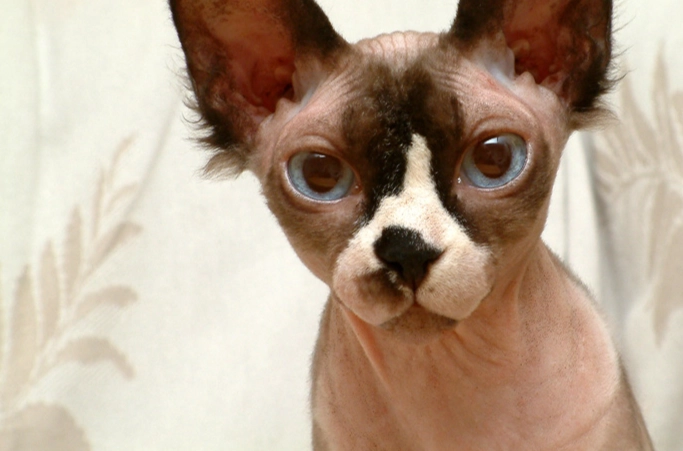
Excessive Vocalization (The Non-Stop Commentator)
First, rule out medical issues with a vet. If it's behavioral, assess the need. Is it attention-seeking? Ensure you have dedicated, interactive playtime daily (a wand toy is perfect) to tire them out. Is it during mealtimes? Stick to a strict feeding schedule so they know when to expect food.
The non-consensus tip: Sometimes, they just like to hear themselves. Ignoring the chatter (truly, no eye contact, no reaction) can extinguish demand-based vocalization. Rewarding quiet moments with a treat or petting reinforces silence.
Destructive Climbing & Curiosity
They are climbers. Saying "no" is useless. Provide better options. Cat trees near windows are essential. Secure bookshelves with museum putty. Use deterrents like double-sided tape on counter edges if needed, but always pair with an attractive alternative.
I cat-proofed a specific bookshelf for climbing. It's "their" shelf. Redirecting, not restricting, is the mantra.
Litter Box Issues
Sphynx can be picky. The litter might be too rough on their skin. Unscented, fine-grain clumping litter is often best. Ensure the box is spotlessly clean—scoop daily, full change weekly. Place it in a quiet, accessible location, never near their food or a noisy appliance.
If problems persist, a vet visit is the first step. According to the International Cat Care, inappropriate elimination is often medical first, behavioral second.
The Vital Link: Sphynx Health Issues That Manifest as Behavior Changes
You must be a detective. Subtle shifts often signal health trouble.
- Hiding or Sudden Aloofness: A social Sphynx who disappears is a red flag. Could be pain, fever, or illness.
- Increased Aggression or Irritability: Pain (e.g., from dental disease or arthritis) can make them lash out.
- Changes in Grooming Habits: Over-grooming a spot (causing redness) or stopping grooming entirely (leading to extra oily skin) indicates stress or skin issues.
- Lethargy: A slowdown in their motor is serious. It's not just "chilling out." It could be heart issues (like Hypertrophic Cardiomyopathy, for which the breed can be predisposed) or other systemic problems.
Any abrupt, sustained change in baseline behavior warrants a call to your vet. Don't wait.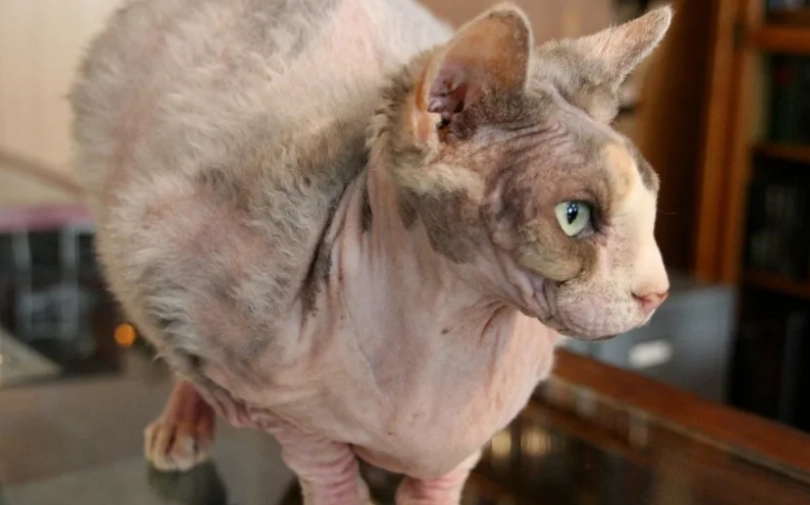
Your Top Sphynx Cat Behavior Questions, Answered
 Understanding Sphynx cat behavior is a continuous journey. It's about connecting the dots between their naked physiology, sharp intelligence, and deep-seated need for partnership. They're not for everyone—their care is demanding, and their presence is huge. But for those who listen and adapt, the reward is an unparalleled bond with a truly extraordinary creature. Start by respecting their unique needs, and you'll unlock a companion like no other.