Quick Navigation
So you're thinking about getting a Persian cat. I get it. That adorable flat face, those big round eyes, and that impossibly luxurious coat – it's hard to resist. They look like living teddy bears. But before you get lost in daydreams of a fluffy companion lounging on your velvet sofa, let's talk reality. Living with a Persian cat isn't all Instagram glamour shots. It's a serious, daily commitment, and honestly, it's not for everyone. I've known people who jumped in without looking and ended up overwhelmed. This guide is here to make sure that's not you. We're going to dig into everything: the glorious good, the challenging bad, and the nitty-gritty details of care that most quick articles gloss over.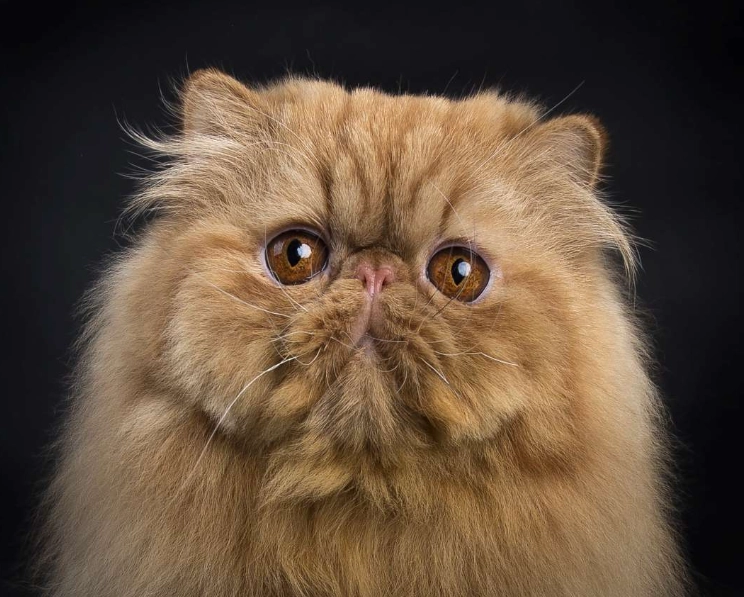
Let's start with the obvious question: What even is a Persian cat? Beyond the famous face, they're one of the oldest and most recognizable cat breeds in the world. Their history is a bit murky, but they're believed to have originated in Persia (modern-day Iran) and Turkey, getting their big break in Europe in the 1600s. They were the original luxury pet for nobility. Fast forward to today, and their look has been refined – some would say exaggerated – into the extreme brachycephalic (flat-faced) standard we know. But there's still a lot of variety within the breed.
What's the Deal with Persian Cat Looks and Varieties?
Not all Persian cats are created equal. The Cat Fanciers' Association (CFA), the major pedigree cat registry, mainly recognizes two types based on facial structure: the Peke-Face and the Doll-Face.
The Peke-Face (named for its resemblance to a Pekingese dog) is the ultra-extreme type. Nose is basically flush with the eyes. It's the look you see winning most modern cat shows. Then there's the Doll-Face or “Traditional” Persian. Their nose is longer, their face is less smashed in. They look more like the Persian cats from old paintings. Many breeders and owners argue the Doll-Face is healthier because they have fewer breathing problems. It's a hot debate in the Persian cat world.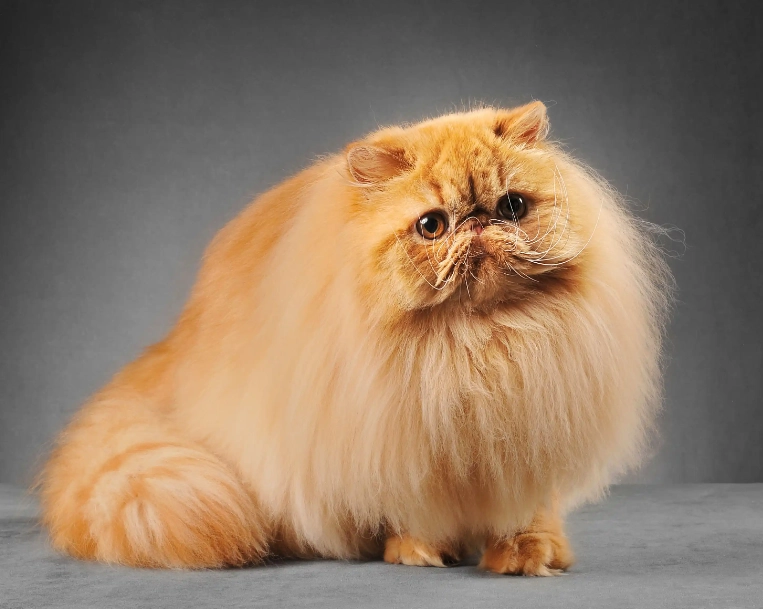
And the colors! Goodness, the colors. Persian cats come in a dizzying array. It's not just the white ones you see in movies.
- Solid: Pure white, black, blue (which is actually a grayish color), cream, red. The coat should be one even color from root to tip.
- Silver & Golden: These are stunning. The undercoat is pure white or cream, and the tips of the hairs are black, giving a shimmering, frosted effect. The Chinchilla and Shaded varieties fall here.
- Tabby: Yes, Persians can have stripes! Classic, mackerel, and patched tabby patterns.
- Parti-Color & Calico: Beautiful patches of two or more colors. Calicos are white with patches of black and red.
- Himalayan (Colorpoint): This is a whole sub-category. They have the color points (darker ears, face, paws, and tail) like a Siamese, but the long, plush coat and body type of a Persian. Technically, some registries consider them a separate breed, but for most people, they're part of the Persian family.
Choosing a color is pure personal preference. I've always been a sucker for a smoky gray Persian cat – they look so regal. But here's a pro tip: Lighter-colored Persians might show stains from eye discharge more easily, which means a tiny bit more face cleaning. Just something to keep in the back of your mind.
The Real Persian Cat Personality: Sweet or Sullen?
Okay, looks aside, what are they actually like to live with? The stereotype is a lazy, aloof, decorative pillow that occasionally deigns to acknowledge your existence. That's only half-true, in my experience.
Most Persian cats have a wonderfully sweet, gentle, and placid temperament. They are not hyperactive acrobats. They are lovers, not fighters. They'd much prefer a long cuddle session on the couch to a frantic chase after a toy mouse. Their energy level is low to moderate. Think of them as the ultimate lap cats. They form deep, quiet bonds with their people and often follow you from room to room just to be near you, not necessarily to interact, but just to supervise from a comfy spot.
They are not typically “talkers” like Siamese. They have a soft, melodic meow and use it sparingly. More often, they communicate with those huge, expressive eyes. A slow blink from a Persian is a true sign of love and trust.
Now, the potential downside: They can be sensitive. Loud noises, chaotic households, or rough handling from young children can stress them out. They aren't the best choice for a boisterous family with toddlers who might pull their long fur. They thrive in calm, stable, and predictable environments. If you want a cat that will be the life of the party, get a different breed. If you want a serene, loving companion for quiet evenings, a Persian might be your soulmate.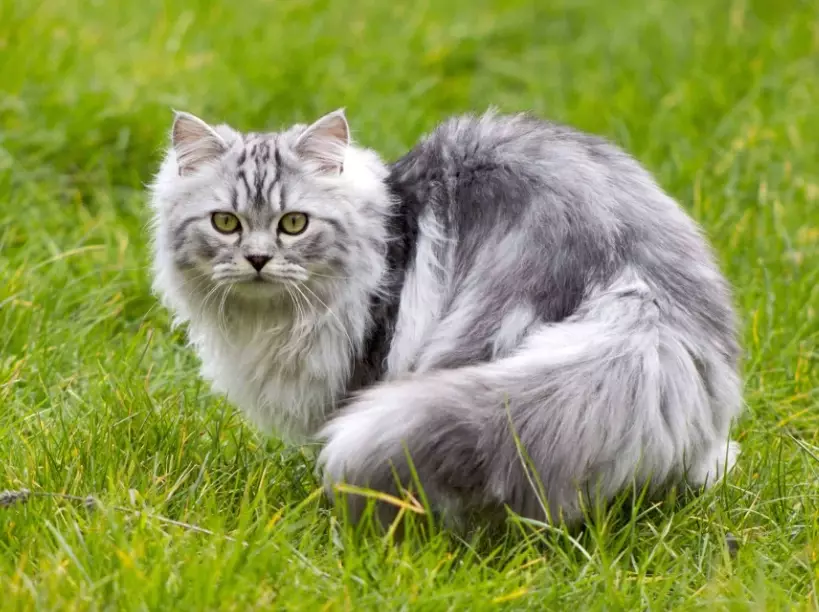
The Non-Negotiable: Persian Cat Grooming Demystified
This is the part that makes or breaks the Persian cat ownership experience. That gorgeous coat is high-maintenance. There's no sugar-coating it. If you are not prepared to groom your cat every single day, do not get a Persian. It's that simple. Neglect leads to mats, and mats are not just ugly – they're painful, pull on the skin, trap moisture, and can harbor bacteria and parasites. Severe matting often requires the cat to be completely shaved under sedation at the vet, which is traumatic and expensive.
So, what does a daily grooming session look like? It's not just a quick brush-over.
Your Daily Persian Grooming Toolkit
You need the right tools. A cheap plastic brush won't cut it.
- A High-Quality Steel Comb: This is your #1 most important tool. Look for one with both wide- and fine-spaced teeth. You start with the wide side to work out initial tangles, then finish with the fine side. The comb should glide through the coat down to the skin.
- A Slicker Brush: Great for fluffing up the top coat and removing loose hair after combing. Be gentle – don't scratch the skin.
- Detangling Spray or Conditioner: A light spritz can help work through small knots without pulling. Look for ones made specifically for cats.
- Blunt-Tipped Scissors: Only for carefully snipping out the occasional small mat you can't comb out. If the mat is large or close to the skin, go to a professional groomer. It's too easy to cut your cat.
The routine: Start at the head (being careful around the face) and work your way down the body, section by section. Pay special attention to high-friction areas: behind the ears, under the armpits, the belly, and the “pants” around the hind legs. Comb all the way through to the skin. A quick surface brush won't prevent mats forming at the base of the fur.
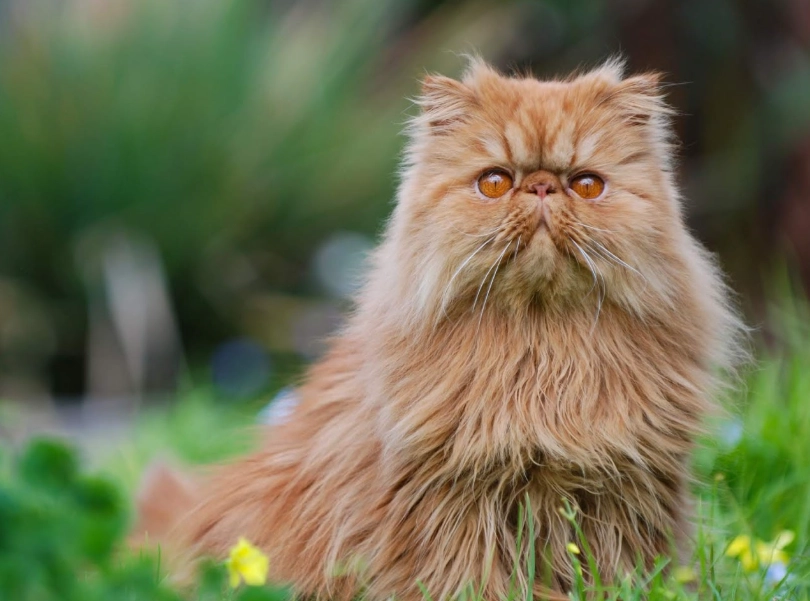
Besides coat care, there's face cleaning. Those big, beautiful eyes often water due to their facial structure. This leads to tear staining – reddish-brown streaks down the face. To manage this:
- Gently wipe the corners of the eyes daily with a soft, damp cloth or a cotton pad moistened with warm water or a vet-approved eye wipe.
- Keep the area dry. Moisture can lead to skin infections.
Some owners also need to clean facial folds if their Persian has very deep wrinkles. A monthly bath is also recommended for many Persians to keep their coat in top condition and reduce oil buildup. It's a process, but if you make it a calm, positive routine with treats, most Persians learn to tolerate or even enjoy it.
Persian Cat Health: What You Need to Watch For
Let's be honest: purebred cats, especially those with extreme physical features, can be prone to certain genetic health issues. Being aware is key to providing proactive care. A responsible breeder will screen their breeding cats for these problems.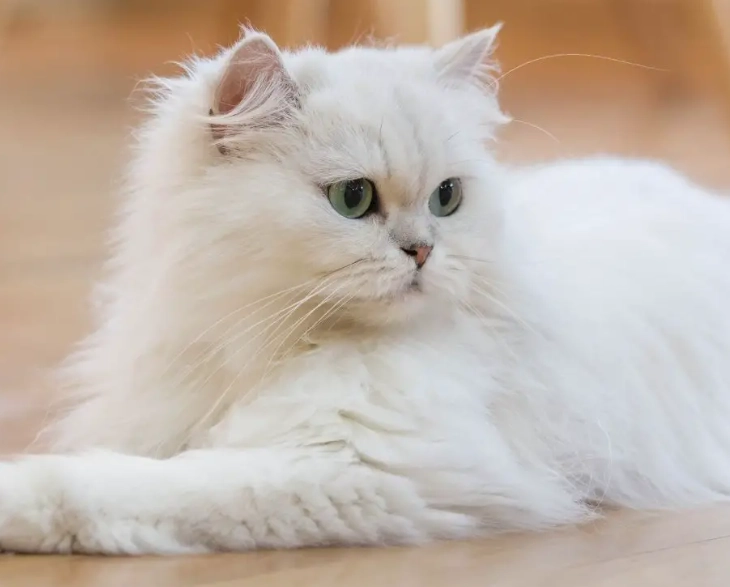
Major Health Concerns for Persian Cats:
- Polycystic Kidney Disease (PKD): This is a big one. It's an inherited disorder where fluid-filled cysts develop in the kidneys, eventually leading to kidney failure. A responsible breeder will have tested their cats (via ultrasound or DNA test) and proven them to be PKD-negative. Always ask for proof of PKD testing. The International Cat Association (TICA) has resources on genetic health screening.
- Brachycephalic Airway Syndrome: That cute flat face comes with a cost. Their shortened skull means narrowed nostrils, an elongated soft palate, and a small windpipe. This can cause snoring, noisy breathing, exercise intolerance, and difficulty cooling down. In severe cases, it requires surgery. This is why some vets advocate for choosing Doll-Face Persians.
- Dental Issues: Their short jaws often mean crowded, misaligned teeth, leading to a higher risk of periodontal disease. Regular vet dental check-ups are a must.
- Progressive Retinal Atrophy (PRA): An inherited disease that causes gradual blindness. Reputable breeders test for this.
- Hypertrophic Cardiomyopathy (HCM): A form of heart disease that can affect any cat, but some Persian lines may have a predisposition. Regular vet check-ups with listening for heart murmurs are important.
Beyond genetics, their long coat can hide weight loss or lumps, so regular hands-on petting is a good health check. Their sedentary nature also means they can easily become overweight, which exacerbates all other health problems. Keeping them at a lean, healthy weight is one of the best things you can do.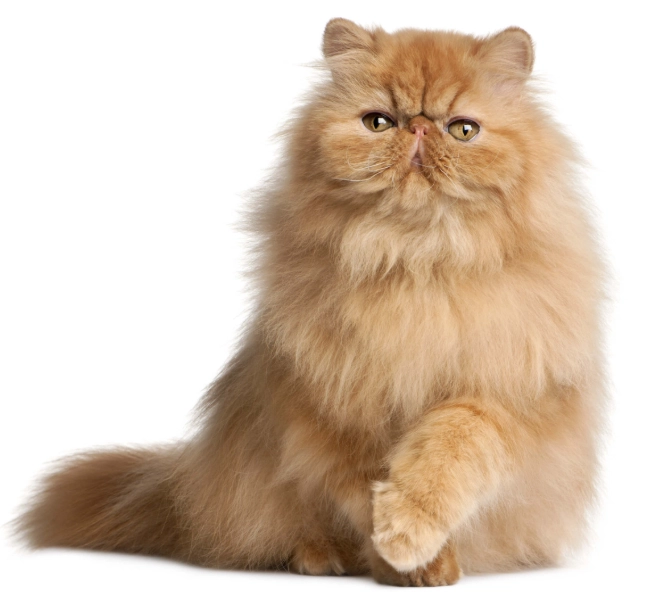
Living with a Persian: Diet, Litter, and Environment
So, you've got the grooming and health covered. What about daily life?
Diet: There's no one “best” food for all Persian cats. A high-quality diet appropriate for their age (kitten, adult, senior) is essential. Some owners find that a diet with specific fatty acids (like omega-3 and omega-6) promotes skin and coat health. Because of their potential for kidney issues, ensuring they drink enough water is crucial. Many Persian cat owners swear by water fountains to encourage drinking. Some vets recommend wet food to increase moisture intake. Talk to your vet about the best nutritional plan.
The Litter Box Dilemma: Ah, the long fur. It can be a problem. Litter, especially clay litter, gets stuck in the fur around their hindquarters and between the toes. They track it everywhere, and it's uncomfortable for them. The solution?
- Use a dust-free, pellet-based, or crystal litter. These are less likely to stick. I've had good luck with certain paper-based pellets.
- Keep the fur trimmed. Many owners give their Persian a “sanitary trim” – carefully clipping the long hair around the rear end and the “pants.” This is a game-changer. You or your groomer can do this.
- A high-sided or top-entry litter box can help contain some of the litter they kick out.
Environment: Persian cats are indoor-only cats. Their lack of street smarts and prized coats make them vulnerable outdoors. Create a safe, enriching indoor space. They aren't big jumpers, so provide steps or ramps to their favorite high perches (like a cat tree by the window). Offer scratching posts to maintain claw health. Because they are calm, they can be good apartment cats.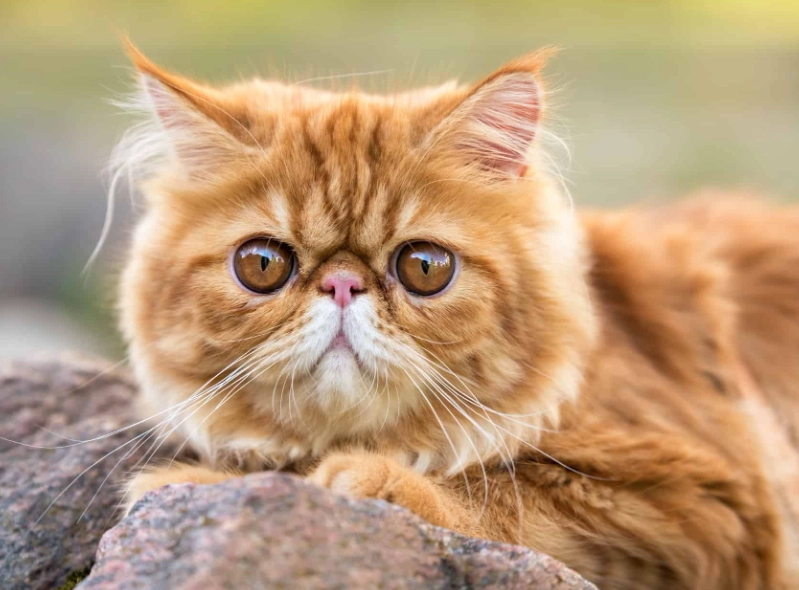
Before You Buy: Adoption vs. Breeder
This is a critical decision. Do you go to a breeder for a kitten or look for an adult Persian cat in rescue?
Reputable Breeder: If you want a show-quality kitten or a specific look, a good breeder is the route. But “good” is the key word. A responsible Persian cat breeder:
- Health tests their breeding stock (PKD, PRA, etc.) and shows you certificates.
- Raises kittens in their home, socializing them with people, sounds, and handling.
- Asks you as many questions as you ask them. They want their kittens in the best homes.
- Provides a health guarantee, registration papers, and a contract often requiring you to spay/neuter if sold as a pet.
- Is knowledgeable about the breed's pros and cons. Be wary of anyone who only talks about how easy and perfect they are.
Rescue/Adoption: Many purebred Persian cats end up in shelters or breed-specific rescues. Often, they are adults whose owners couldn't handle the grooming or had life changes. Adopting an adult can be wonderful – their personality is already known, and they are often so grateful for a second chance. The grooming needs are the same, but you're giving a home to a cat in need. Search for “Persian cat rescue” in your area or check Petfinder.com.
So, is a Persian cat the right pet for you? If you lead a relatively calm life, have the time (30+ minutes daily) and patience for meticulous grooming, and are prepared for potential vet bills, then yes. The reward is a gentle, loving, and breathtakingly beautiful companion who will be a source of quiet joy for years.
If your life is chaotic, you travel constantly, or the thought of daily brushing makes you groan, admire them from afar. There are many wonderful, lower-maintenance cat breeds out there. The key is honest self-assessment. Bringing a Persian cat into your home is a major commitment, but for the right person, it's one of the most rewarding relationships you can have with a pet.