Key Takeaways
So you're thinking about adding a long-haired, gorgeous feline to your family, and you've narrowed it down to two of the most stunning options: the Himalayan and the Ragdoll. I get it. Scrolling through photos, they both look like living plush toys, all fluffy and serene. But let me tell you, living with them is where the real differences come out. I've helped friends choose between these breeds, and the decision often comes down to more than just looks.
It's a classic dilemma for potential cat owners. The Himalayan cat vs Ragdoll debate isn't just about color points or blue eyes. It's about matching a living, breathing personality to your lifestyle, your patience for grooming, and even your tolerance for vet bills. I've seen people fall in love with a picture only to realize six months later that they're not a good fit for the cat's needs.
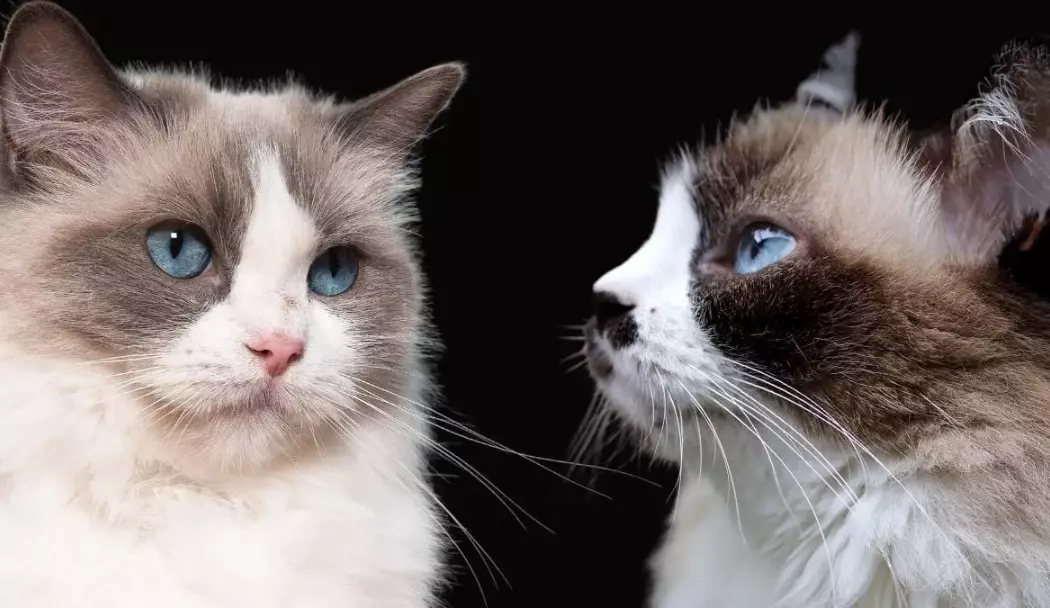 Let's cut through the fluff and get real about what it's like to live with each of them.
First Impressions: Looks Aren't Everything, But They Sure Count
You can't talk about a Himalayan vs Ragdoll without starting with their appearance. They're both show-stoppers, but in subtly different ways. Think of it like comparing a meticulously styled Persian doll (the Himalayan) to a gentle, oversized teddy bear (the Ragdoll).
The Himalayan: The Persian with a Color Twist
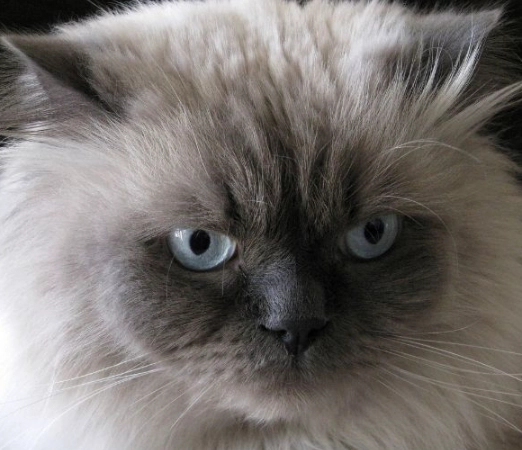
Himalayans are essentially a color-point version of the Persian. They have that same iconic, flat (brachycephalic) face with huge, round eyes that just melt your heart. Their bodies are cobby – low to the ground, solid, and heavy-boned. The coat is ridiculously long and thick, a true double coat that demands respect.
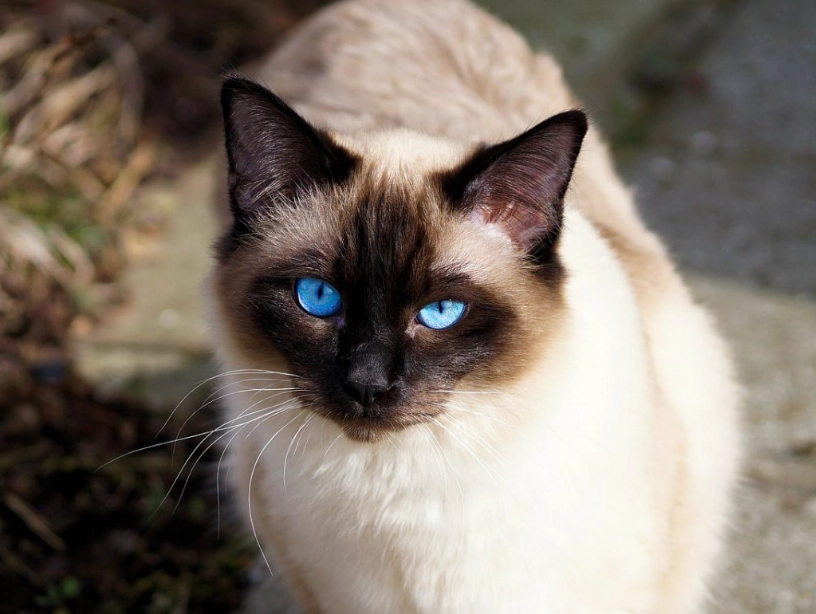
The signature trait? Those beautiful points. The ears, face mask, legs, and tail are a darker color – seal, blue, chocolate, lilac, flame, you name it – while the body is a lighter cream or white. It's a stunning contrast. But here's the thing about that flat face: it's adorable, but it comes with baggage. They're prone to tear staining, so you'll be doing daily face wipes. No way around it.
The Ragdoll: The Big, Floppy Gentle Giant
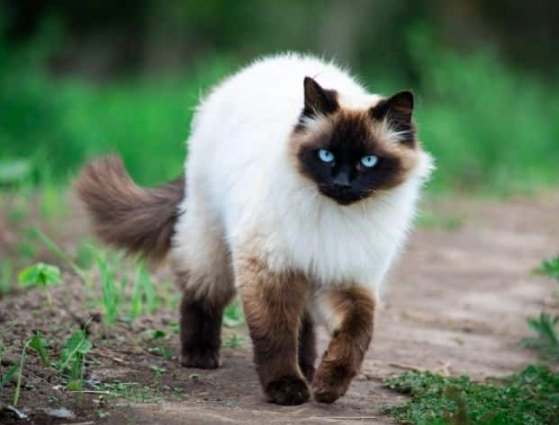
Ragdolls are... large. I'm not kidding. A full-grown male can easily hit 15-20 pounds, and it's not all fluff. They have a substantial, muscular frame under all that silky fur. Their faces are more moderate – a sweet, wedge-shaped face with large, oval, blue eyes that have a perpetually soft expression.
Their coat is semi-long and feels like rabbit fur. It's less prone to matting than the Himalayan's coat, but it's still no joke. They also come in color-point patterns, but with more variety: mitted (white paws), bicolor (more white on the face and body), and the classic colorpoint. The Ragdoll's defining physical trait isn't just looks; it's that famous relaxed muscle tone. Pick one up, and they genuinely go limp, like a ragdoll. It's a unique feeling.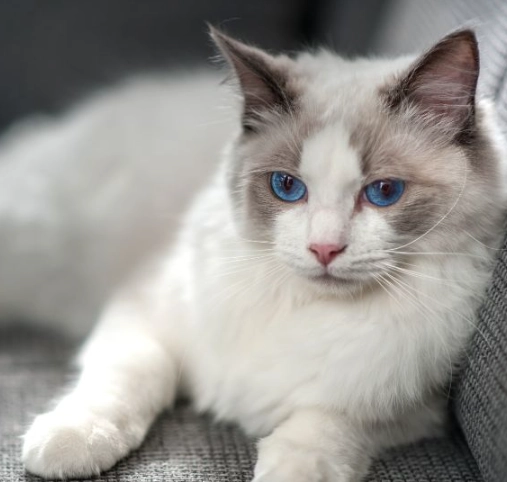
| Feature | Himalayan Cat | Ragdoll Cat |
|---|---|---|
| Face Shape | Flat, brachycephalic (Persian-like) | Moderate wedge-shaped |
| Eyes | Round, deep blue or copper | Large, oval, always blue |
| Body Type | Cobby, stocky, medium-sized | Large, long, muscular, substantial |
| Coat Texture | Extremely long, thick, dense double coat | Semi-long, silky, single coat (less dense) |
| Typical Weight | 7-12 pounds | 10-20 pounds (males significantly larger) |
| Signature Trait | Color points + ultra-flat face | Large size, blue eyes, "floppy" demeanor |
Personality Clash: Lap Cat vs. Shadow Cat
This is where the Himalayan cat vs Ragdoll cat comparison gets really interesting. Both are known for being sweet, but their energy and expression of affection are worlds apart.
Himalayans are the quintessential lap cats. They are calm, serene, and undemanding. They'd happily spend an entire afternoon curled up next to you (or on you) while you read or watch TV. They are not athletes. You won't see a Himalayan leaping to the top of your refrigerator. They prefer low-key activities and a predictable, quiet environment. They can be a bit reserved with strangers, warming up slowly. Their love is quiet and constant.
Ragdolls, on the other hand, are famously dog-like. They are incredibly affectionate, social, and often follow their people from room to room. They greet you at the door. They want to be involved in whatever you're doing. While they enjoy a good cuddle, they're also more playful and curious than Himalayans well into adulthood. That floppy trait means they are exceptionally tolerant of being held, cradled, and dressed up (not that I recommend it constantly).
But here's a potential downside some don't mention: their need for companionship can border on needy. A Ragdoll left alone for long hours regularly might get lonely or even depressed. They thrive on interaction.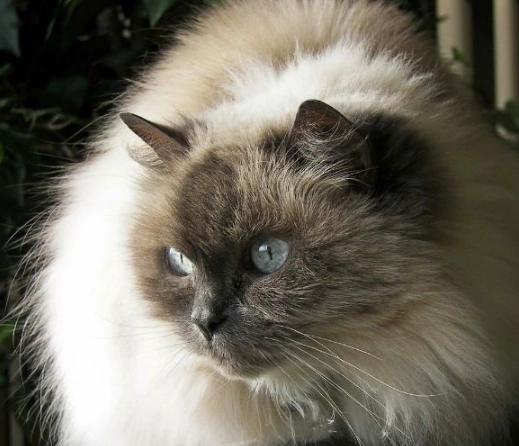
Himalayan Personality Pros
- Extremely calm and quiet, perfect for apartments.
- Undemanding and low-energy.
- Deep, quiet bond with their primary person.
Himalayan Personality Cons
- Can be aloof or shy with visitors.
- Very low play drive; not "entertaining."
- May not adapt well to chaotic households.
Ragdoll Personality Pros
- Highly social, affectionate, and dog-like.
- Gentle and tolerant with children and other pets.
- More playful and engaging.
Ragdoll Personality Cons
- Can be needy and dislike being alone.
- Their size means a clumsy kitten phase can be destructive.
- May get underfoot due to constant following.
The Daily Grind: Grooming, Care, and Health
Let's be brutally honest. When you choose any long-haired breed, you're signing up for maintenance. But the level of commitment in the Himalayan vs Ragdoll care debate is not equal.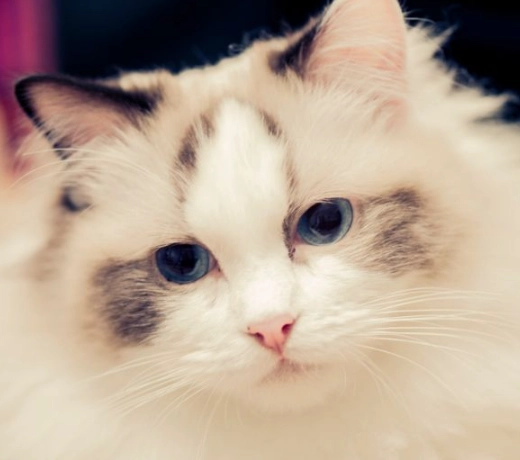
Grooming: The Battle of the Brush
If you hate grooming, neither of these cats is for you. But if you had to rank them, the Himalayan is the high-maintenance champion.
Himalayan Grooming: Non-negotiable daily brushing. That dense, fine coat mats if you look at it wrong. We're talking 10-15 minutes every single day with a high-quality steel comb, getting right down to the skin. Miss a day or two, and you'll be dealing with painful mats, especially under the arms and around the hindquarters. Baths are also recommended monthly to keep the coat clean and reduce oil. Plus, as mentioned, daily face cleaning to prevent tear stain buildup around those beautiful eyes. It's a ritual.
Ragdoll Grooming: Manageable. Their single, silky coat is less prone to matting. A thorough brushing 2-3 times a week is usually sufficient to prevent tangles and reduce shedding. They don't have the same oiliness as some breeds, so baths are rarely needed unless they get into something. No special face cleaning either. It's still work, but it's a different league compared to the Himalayan.
Health Considerations: What the Breeders Don't Always Highlight
Both breeds are generally healthy, but they have breed-specific predispositions you must know. Responsible breeders test for these, and you should always ask for proof.
Himalayan Health Issues: Their biggest challenges stem from that flat face (brachycephaly).
- Brachycephalic Airway Syndrome: This can cause snoring, noisy breathing, and in severe cases, respiratory distress, especially in heat or stress. It limits their ability to cool themselves.
- Dental Issues: Crowded teeth due to the shortened jaw are common, requiring diligent dental care.
- Polycystic Kidney Disease (PKD): A genetic disorder common in Persian-line cats. A reputable breeder will have tested the parents as PKD-negative. The Cornell Feline Health Center has excellent resources on this condition.
- Eye Conditions: Prone to tear duct overflow and progressive retinal atrophy (PRA).
Ragdoll Health Issues: Their concerns are different, often related to their large size.
- Hypertrophic Cardiomyopathy (HCM): This is the big one. It's a form of heart disease that is heritable in Ragdolls. Ethical breeders screen their breeding cats with annual echocardiograms. Never buy from a breeder who cannot provide recent, clear HCM screening results from a cardiologist. The University of Wisconsin-Madison School of Veterinary Medicine provides a clear fact sheet on HCM.
- Bladder Stones/Cystitis: Some lines have a higher incidence. Ensuring a wet-food-heavy diet and plenty of water intake is key.
- Obesity: Their laid-back nature means they can easily become overweight, putting strain on joints and heart. Portion control is critical.
| Care Aspect | Himalayan Cat | Ragdoll Cat |
|---|---|---|
| Brushing Frequency | Daily (10-15 mins) | 2-3 times per week |
| Bathing Needs | Monthly (recommended) | Rarely/only as needed |
| Special Care | Daily face cleaning for tear stains | None beyond routine |
| Major Health Concern | Brachycephalic Syndrome, PKD | Hypertrophic Cardiomyopathy (HCM) |
| Energy Level | Very Low | Low to Moderate |
| Ideal Diet | May need shallow bowls; watch for dental issues | Portion-controlled to prevent obesity |
Cost and Commitment: The Real Price Tag
Both are purebred cats, so expect to pay a premium from a responsible breeder. A backyard breeder or pet store will be cheaper, but you risk devastating health and behavioral problems. It's not worth it.
For a well-bred kitten from health-tested parents, you're looking at:
- Himalayan: $1,000 - $2,500+
- Ragdoll: $1,500 - $3,000+
Ragdolls often command a higher price due to their current popularity.
But the initial cost is just the start. Factor in:
- Lifetime Grooming: Professional grooming sessions for a Himalayan can cost $75-$150 every 6-8 weeks if you can't keep up. That adds up.
- Potential Vet Bills: Both breeds may need specialist care (cardiologist for Ragdolls, dentist/airway specialist for Himalayans). Pet insurance is a very wise investment.
- Supplies: Larger litter boxes and sturdy, wide-based cat trees are a must for giant Ragdolls.
Making Your Choice: Who Should Choose Which Cat?
This isn't about which breed is "better." It's about which is better for you. Let's break it down.
Choose a Himalayan IF:
- You want an ultra-calm, decorative companion who is happy to just be near you.
- You live in a quiet, calm home (apartment, retiree, single person).
- You are committed to (and even enjoy) a rigorous daily grooming routine.
- You are prepared for potential breathing and dental health issues.
- You don't need a "playful" cat to entertain you.
Choose a Ragdoll IF:
- You want a social, interactive, "dog-like" shadow who follows you everywhere.
- You have a family with gentle children or other pets.
- You want a playful, engaging personality but with a gentle demeanor.
- You can manage moderate grooming (a few times a week).
- You can ensure the cat is rarely left completely alone for long periods.
- You have space for a large cat and will commit to heart health screening.
Your Questions Answered: Himalayan vs Ragdoll FAQ
- Prioritize health testing (PKD for Himalayans, HCM for Ragdolls) and show you proof.
- Raise kittens underfoot in their home, not in cages.
- Ask you as many questions as you ask them.
- Provide a health guarantee and contract requiring you to return the cat if you can't keep it.
- Are registered with major cat associations. A good starting point is the breeder directory of The International Cat Association (TICA) or the Cat Fanciers' Association (CFA).
Final Thoughts
Honestly, you can't go wrong with either if you're prepared for the commitment. They're both incredible breeds that bring immense love into a home. But they are not interchangeable.
Spending time with both breeds, if you can, is the best research. Visit a cat show (find them via the CFA show calendar). Talk to owners. Talk to multiple breeders. Feel the difference in their coats. See the look in their eyes.
The Himalayan cat vs Ragdoll question ultimately answers itself when you match your reality to their needs. Do you have the time for daily grooming marathons? Choose the Himalayan. Do you want a big, floppy friend who acts like a puppy? The Ragdoll is calling your name.
Whichever path you choose, do it with your eyes wide open. The reward—a decade or more of companionship with one of these magnificent animals—is absolutely worth every bit of research, every grooming session, and every moment of love.