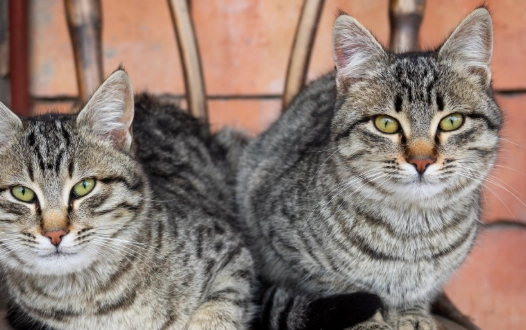
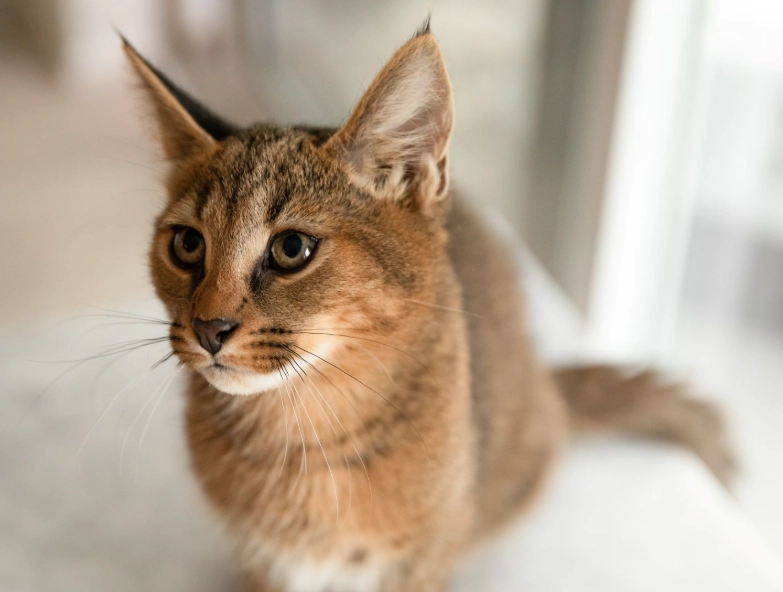
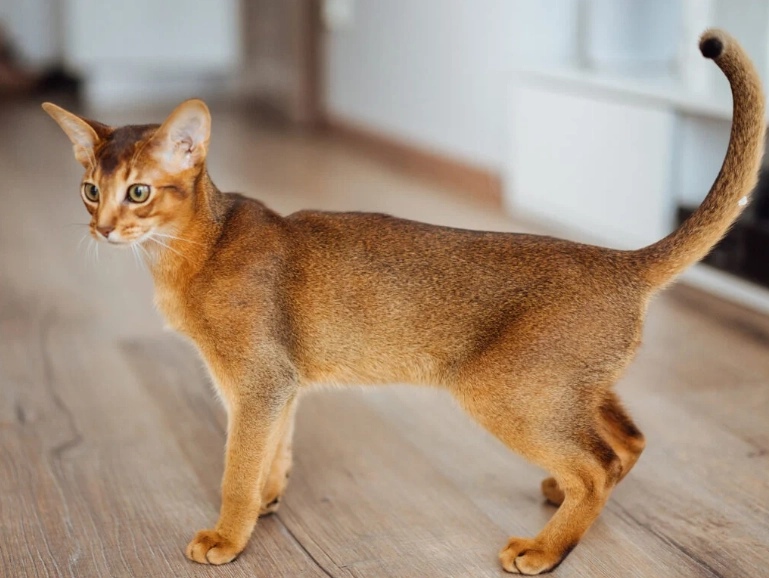
Let's be honest. When most people start looking at cat breeds, they're scrolling through pictures. That fluffy Persian! Those wild-looking Bengal spots! The adorable folded ears of a Scottish Fold! It's easy to get lost in the aesthetics. I did the same thing years ago. But after living with, fostering, and writing about cats for over a decade, I've learned the hard way that the most important thing isn't the coat you see in a photo. It's the personality and needs you'll live with for 15-20 years.
This guide isn't just an alphabetical list. Think of it as a matchmaking service. We're going beyond the 'A' of Abyssinian to the 'Z' of (well, there isn't a Z breed, but we cover the zenith of cat selection wisdom). We'll group breeds by lifestyle fit, debunk common myths, and give you the tools to make a choice you won't regret.
What's Inside This Guide?
- Looking Beyond the Alphabet: The Real Breed Categories
- The Family-Friendly Favorites (And Why They Work)
- The Independent Spirits: Perfect for Busy Lives?
- High-Energy Companions: Not Your Average Lap Cat
- The "Hypoallergenic" Myth and Reality
- Your Next Steps: From Research to Reality
- Your Questions, Answered (By Someone Who's Made Mistakes)
Looking Beyond the Alphabet: The Real Breed Categories
Organizing cats from Abyssinian to Turkish Van is neat, but useless for decision-making. You don't live in an encyclopedia. You live in an apartment, a house with kids, or a quiet retirement home. Let's categorize them by what actually matters: energy, social needs, and care requirements.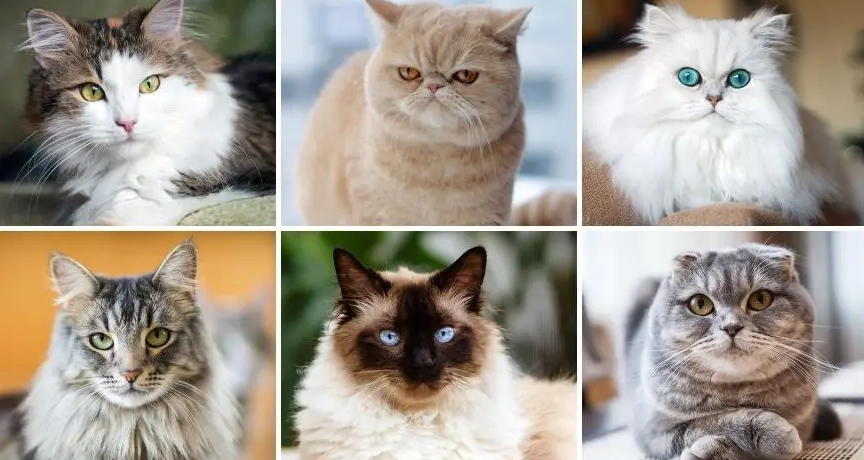
I once advised a friend who fell in love with the sleek look of a Siamese. She lived alone and worked 10-hour days. Six months later, she was exhausted. The cat was destructive. Siamese are vocal, social, and demand interaction. It was a classic mismatch of aesthetics over ethos.
The Family-Friendly Favorites (And Why They Work)
These breeds have reputations for patience, sturdy builds, and playful-but-gentle demeanors. They're not phased by sudden noises or the unpredictable movements of children.
| Breed | Key Temperament Traits | Grooming Needs | Potential Watch-Outs |
|---|---|---|---|
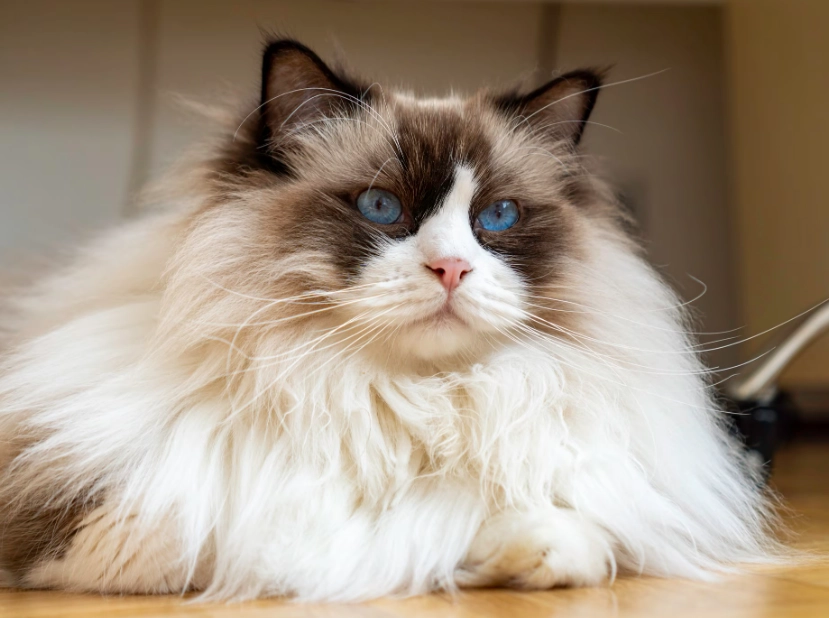
| Ragdoll | Placid, affectionate, famously floppy when held. Tends to follow people. | Moderate-High (long fur) | Can be too docile for very rough play. Their fur mats easily. |
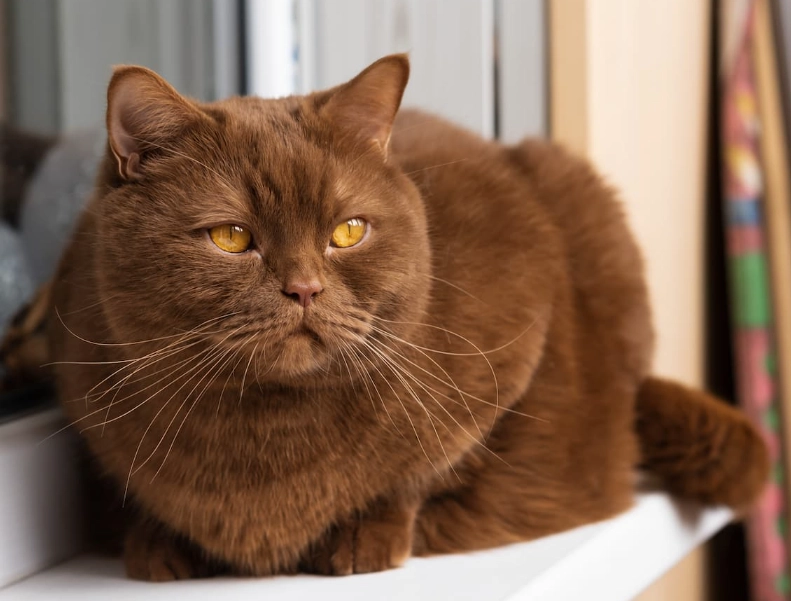
| British Shorthair | Calm, easygoing, not overly demanding. The quintessential "teddy bear" cat. | Low (dense, short coat) | Can be reserved with strangers. Prone to obesity if diet isn't watched. |
| Maine Coon | Gentle giant, playful, dog-like in loyalty. Often good with other pets. | High (long, water-resistant coat) | Size means more food, bigger litter boxes. Can be prone to certain heart conditions. |
| Domestic Shorthair | Varies widely, but shelter staff can identify calm, kid-tested individuals. | Low | You must assess the individual, not the "breed." This is a strength, not a weakness. |
See how the Domestic Shorthair is in there? That's the non-consensus part. Millions of wonderful, family-perfect cats are waiting in shelters, and their mixed heritage often makes them robust. Don't overlook them because they lack a pedigree title.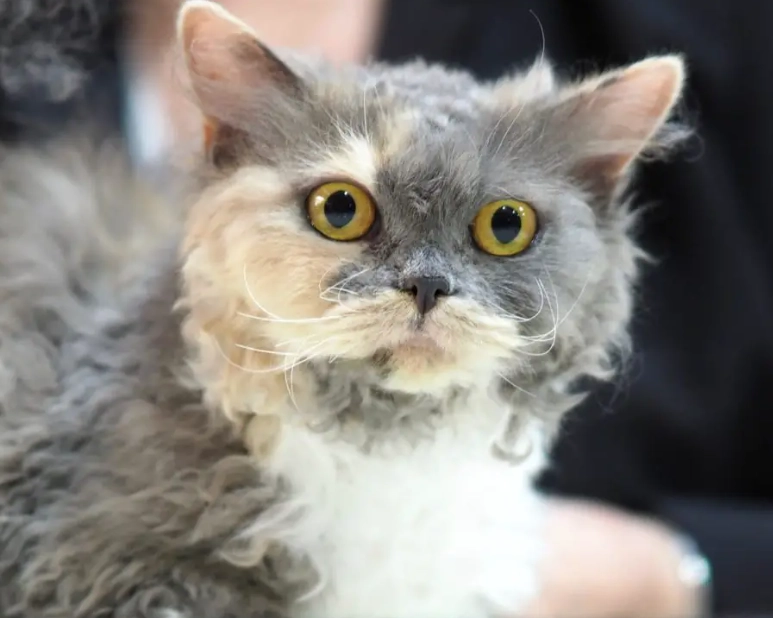
The Independent Spirits: Perfect for Busy Lives?
These cats are often content with their own company for longer stretches. They enjoy affection on their own terms. Ideal for professionals or quieter households.
The Russian Blue: The Quiet Gentleman
They're often shy with strangers but deeply loyal to their family. Playful in bursts, then happy to observe from a sunny perch. Their short, plush coat is famously low-shedding (but remember, no cat is non-shedding).
The Scottish Fold: The Sweet Observer
Known for their folded ears and owl-like appearance. They tend to have a sweet, soft-voiced demeanor. They're playful but not hyper, often striking amusing poses. Important Health Note: The gene that causes the folded ears can be linked to osteochondrodysplasia, a joint disorder. Reputable breeders test for this, but it's a crucial conversation to have.
The American Shorthair: The All-American Low-Key Friend
Bred as working cats, they're healthy, adaptable, and undemanding. They're playful but not clingy, making them a fantastic "first cat" breed. They're the reliable sedan of the cat world—not flashy, but they'll always get you where you need to go.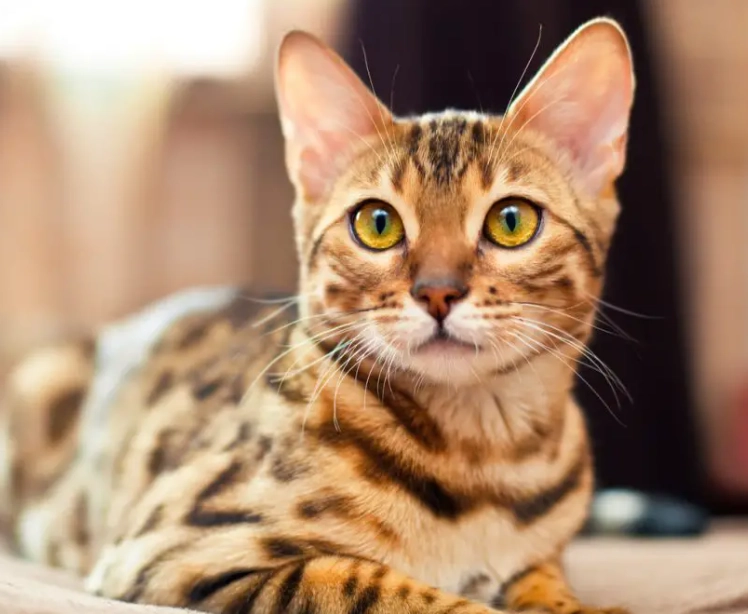
High-Energy Companions: Not Your Average Lap Cat
These breeds are intelligent, active, and need engagement. They can get bored and destructive if left to their own devices without stimulation.
The Abyssinian: Think of them as the perpetual toddlers. They're into everything, love heights, and need interactive play daily. A bored Aby is a master of mischief.
The Bengal: Their wild ancestry (from the Asian Leopard Cat) is evident. They're stunning, athletic, and need lots of space to run and climb. Many love water. They are not a sedentary pet; they are a project and a partner in adventure.
The Siamese/Oriental Family: They don't just want your attention; they demand it with a loud, opinionated voice. Extremely social and intelligent, they bond deeply with their person and can suffer from separation anxiety.
The "Hypoallergenic" Myth and Reality
This is a major pain point for allergy sufferers. Let's clear the air. The allergen, Fel d 1 protein, is in saliva and skin glands. When the cat grooms, it spreads the protein onto its fur, which then sheds as dander.
Some breeds are reportedly better for allergies because they:
- Produce less Fel d 1 (e.g., some studies on Siberian cats).
- Shed less fur/dander (e.g., Cornish Rex, Devon Rex).
- Have no fur to trap dander (the Sphynx).
But here's the expert nuance: A Sphynx needs weekly baths to remove oily, allergen-laden secretions from its skin. If you don't, it can be worse for allergies than a furry cat. And individual reactions vary wildly. The only surefire test is to spend several hours in the home of someone who owns that specific breed.
Your Next Steps: From Research to Reality
You've narrowed it down. Now what?
1. Find a Reputable Source. If going for a purebred, avoid online marketplaces. Seek breeders who are members of cat registries like The Cat Fanciers' Association (CFA), who health-test their breeding stock, raise kittens in-home, and ask you as many questions as you ask them.
2. Visit in Person. Meet the kittens/cats, see the environment, observe the mother's temperament.
3. Talk to Breed-Specific Rescues. For almost every purebred, there's a rescue network. Adopting an adult means their personality is fully formed—what you see is what you get.
4. Prepare Your Home. Regardless of breed, budget for quality food, scratching posts, litter boxes (one per cat, plus one extra), and an annual vet fund.
Your Questions, Answered (By Someone Who's Made Mistakes)
The journey from A to Z in the cat breed world is really about the journey to the perfect match. It’s less about finding the most exotic name on the list and more about finding the heartbeat that syncs with the rhythm of your home. Do your homework, think with your lifestyle, not just your eyes, and you’ll find a companion that fits not just your home, but your life.