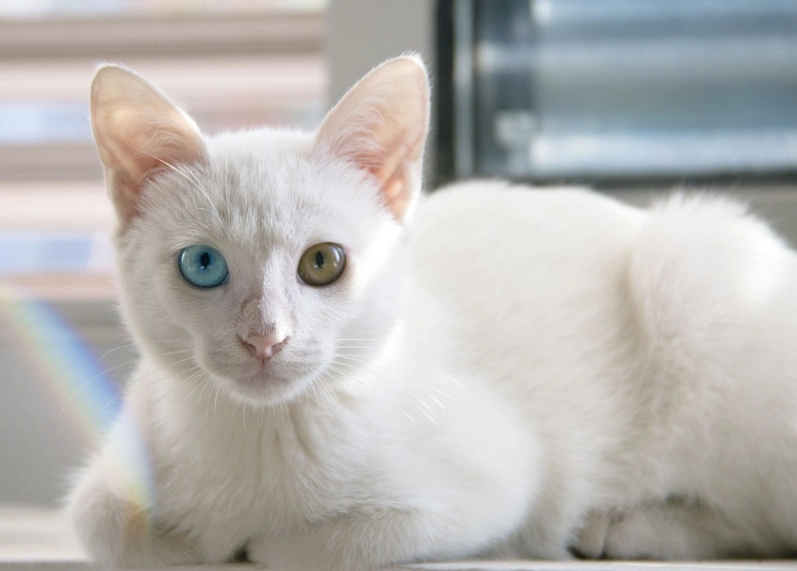
Let's clear something up right away. When people search for "Somali cat white," they're often picturing a fluffy, fox-like cat in a pristine, snowy coat. But here's the thing you won't read on most generic breed sites: a pure white Somali cat isn't a recognized standard color in major registries like The International Cat Association (TICA) or the Cat Fanciers' Association (CFA). What they're usually seeing—and what you're likely dreaming of—is one of the stunning light-colored Somali variants: the warm, creamy "Sorrel" or the cool, silvery "Fawn." Sometimes, it might even refer to cats with small white markings, though that's not standard either.
This article is for anyone enchanted by the idea of a pale Somali. We'll dive into what those "white" coats really are, how to care for that magnificent semi-longhair, what health screens are non-negotiable, and the realistic path to bringing one of these intelligent, playful companions home.
What You'll Find in This Guide
The Truth About "White" Somali Cat Colors and Genetics
Somali cats are the longhaired version of the Abyssinian. Their magic lies in a pattern called ticking or agouti, where each hair has multiple bands of color. This gives them a radiant, warm glow—nothing like a flat, solid white.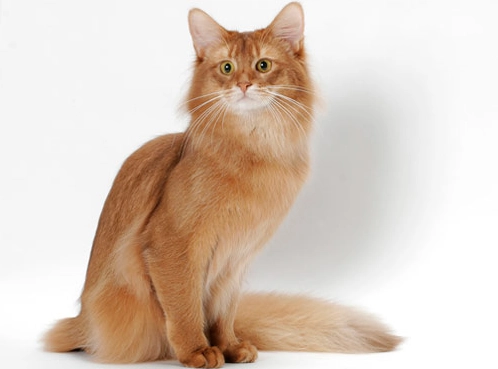
The four primary, recognized Somali colors are Ruddy, Sorrel, Blue, and Fawn. The ones that get called "white" are usually the palest two.
| Official Color Name | What It Looks Like | Often Mistaken For... |
|---|---|---|
| Sorrel (or Cinnamon) | A warm, apricot-orange base with chocolate brown ticking. The overall effect is a rich, creamy copper. | A "red" or "cream" Somali cat. |
| Fawn | A soft, muted beige-cream base with deeper cafe-au-lait ticking. This is the closest you get to a "white Somali" in show standards. | A "white," "ivory," or "light beige" Somali cat. |
| Ruddy (Usual) | Warm ruddy brown base with black ticking. The classic "fox" color. | -- |
| Blue | Soft blue-gray base with steel blue ticking. A cool, elegant shade. | -- |
I've seen many hopeful owners disappointed because a breeder advertised a "rare white Somali" at a premium price. It's almost always a light Fawn or a poorly bred cat with unintended white spots. True, ethical breeders focus on the health, temperament, and standard colors of the Somali.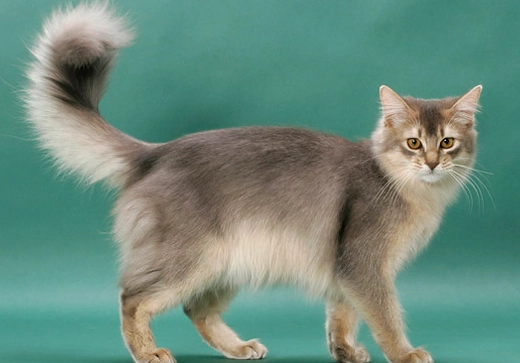
The genetics behind this are fascinating. The Somali's color is controlled by a series of genes that modify the basic black pigment (eumelanin). The "Fawn" color, for instance, is the result of the dilute gene acting on the Sorrel color, lightening that rich copper to a delicate cream. There's no dominant "white" gene in the Somali breed as you'd find in, say, a Turkish Angora.
Your Somali Cat Grooming Guide: Beyond the Fluff
That gorgeous, light-colored coat is a magnet for dust and can show every speck of dirt. But the real challenge isn't keeping it white—it's preventing mats. Their fur is fine and soft, and while it's not as prone to tangling as a Persian's, neglect leads to painful knots close to the skin, especially under the arms and around the ruff.
Most guides will tell you to brush "a few times a week." That's a good start, but it's vague. Here’s the routine I’ve found works over a decade of living with longhaired agouti cats.
The Weekly Session (Non-Negotiable)
Set aside 20-30 minutes. You'll need a wide-toothed metal comb and a soft-bristled brush or a rubber grooming glove.
Start with the comb. Always. Begin at the ends of the fur and work your way up to the skin to gently tease out any small tangles before they become mats. Pay special attention to the "hot spots": behind the ears, the chest ruff, the belly, and the britches (the fluffy fur on the upper hind legs).
Follow with the brush or glove to remove loose hair and distribute skin oils. This is what gives them that incredible shine. A common mistake is using a slicker brush or furminator too aggressively on the fine Somali coat—it can break and damage the hair, ruining the ticking pattern.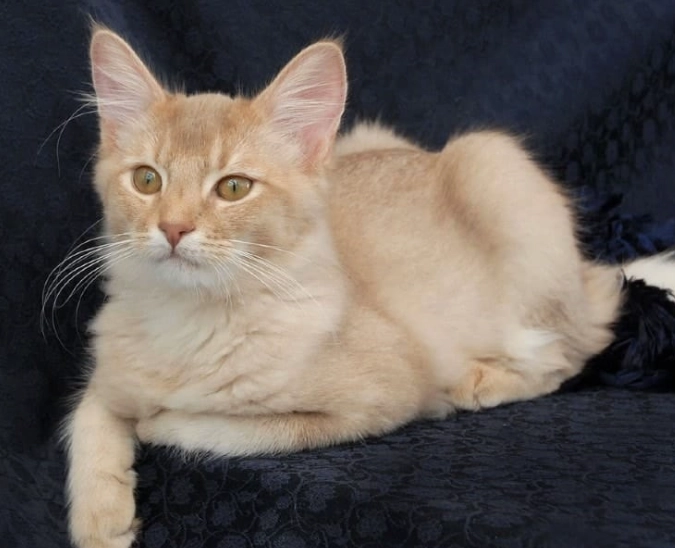
Bathing a Somali Cat: Yes or No?
You don't need to bathe them regularly. In fact, over-bathing strips essential oils. But for a show-quality Fawn Somali or one who's gotten into something messy, a bath every 4-6 months is fine.
Use a cat-specific, moisturizing shampoo. A blue or purple shampoo can help neutralize any yellowish tinge on a light coat, but test it on a small patch first. The key is thorough rinsing and gentle drying. They dry surprisingly quickly because their undercoat isn't super dense.
A Somali Cat Health Checklist: What Reputable Breeders Test For
Somali cats are generally healthy, but they have a few breed-specific predispositions. A pale coat doesn't make them more fragile, but it doesn't grant immunity either. Any breeder worth your time will provide proof of health screening for the parents.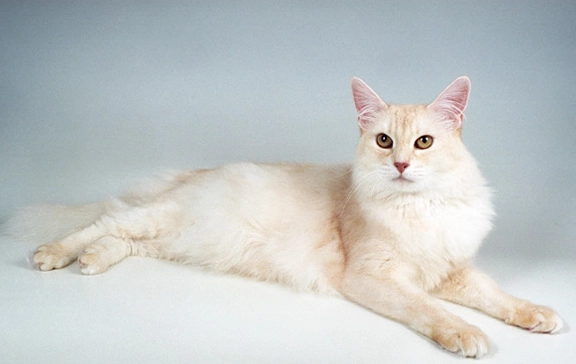
Here’s what to ask for:
- PK Def (Pyruvate Kinase Deficiency): This is a genetic anemia. Responsible breeders test for this and will not breed two carriers. Ask to see the DNA test results stating the cat is "clear" or "normal."
- Progressive Retinal Atrophy (PRA): Another genetic test for a degenerative eye disease. Again, parents should be tested clear.
- Patellar Luxation: A kneecap issue. A vet should have evaluated the breeding cats.
- Dental Health: Somalis can be prone to gingivitis. Get them used to tooth brushing early. I recommend starting with a finger brush and veterinary toothpaste.
- Renal Amyloidosis: While less common than in Abyssinians, it's something good breeders are aware of. There's no simple test, so knowing the health history of several generations is crucial.
A kitten's color has zero bearing on its health. A Fawn is no more or less likely to have these issues than a Ruddy.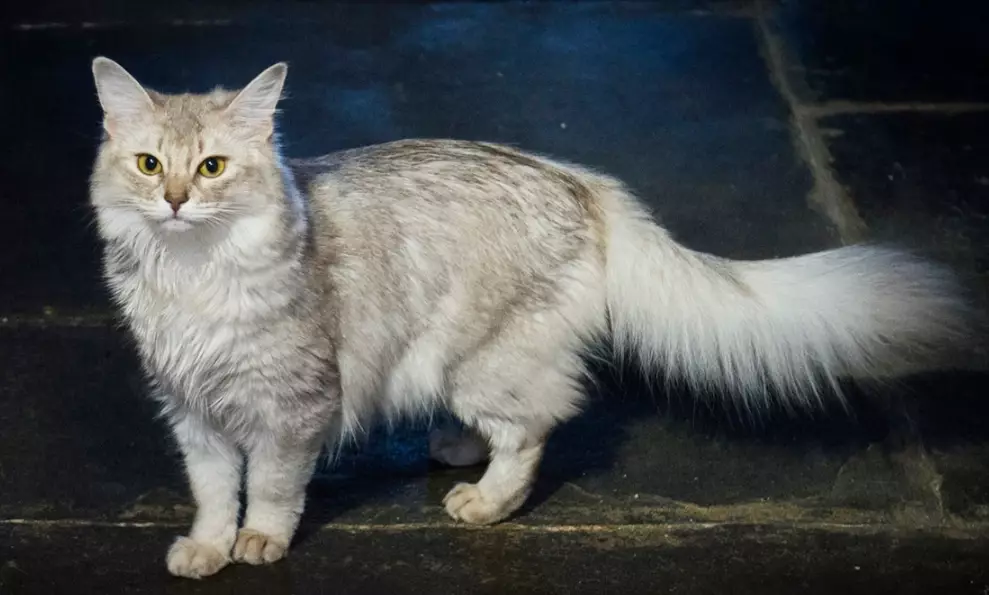
Finding and Choosing a Somali Kitten
This is where patience is key. Somali cats are not common, and ethical breeders have waiting lists, especially for the less common colors like Fawn.
Step 1: Find a Reputable Breeder
Start with the breeder directories on the TICA and CFA websites. Attend a cat show if you can. Talk to breeders in person. A good breeder will interview you as much as you interview them.
Red flags include: multiple litters always available, willingness to ship a kitten without a conversation, kittens offered at a "discount," and no mention of health testing.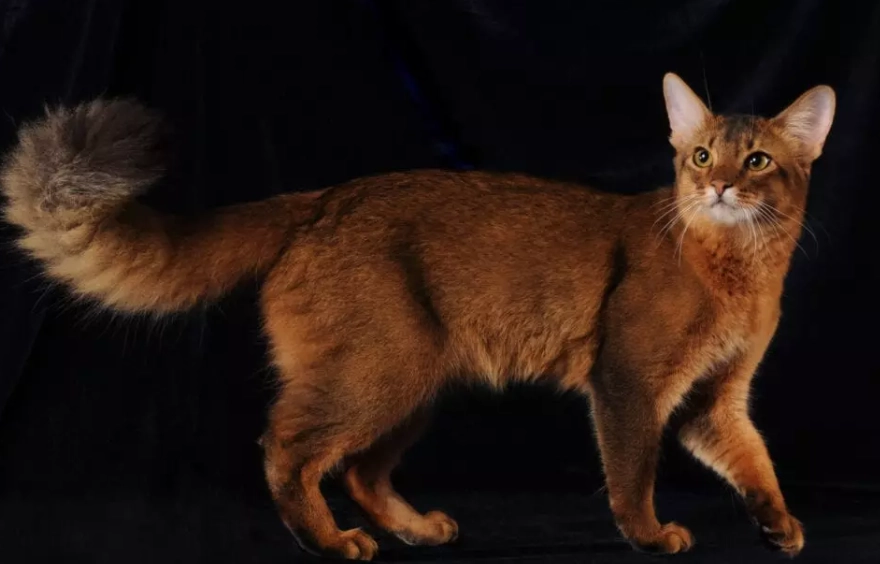
Step 2: Understand the Timeline and Cost
Expect to be on a waitlist for 6 months to a year. A Somali kitten from a responsible breeder typically costs between $1,200 and $2,200. Fawn or Sorrel kittens are not inherently more expensive unless they are exceptionally show-quality. The price reflects the breeder's investment in health testing, quality food, and early socialization.
You should receive a contract guaranteeing the kitten's health, requiring spay/neuter if sold as a pet, and outlining your responsibility to provide a good home. A good breeder will be a resource for the cat's entire life.
Step 3: Visiting the Litter
Look for a clean, social environment. Kittens should be curious, not fearful. Observe the coat—even at 12-16 weeks, you should see the beginning of ticking. Ask to see the mother cat. Her condition and temperament are strong indicators of what your kitten will become.
Don't focus solely on getting the "whitest" one. Temperament is far more important for a 15+ year companion. A good breeder will help match a kitten's personality to your lifestyle.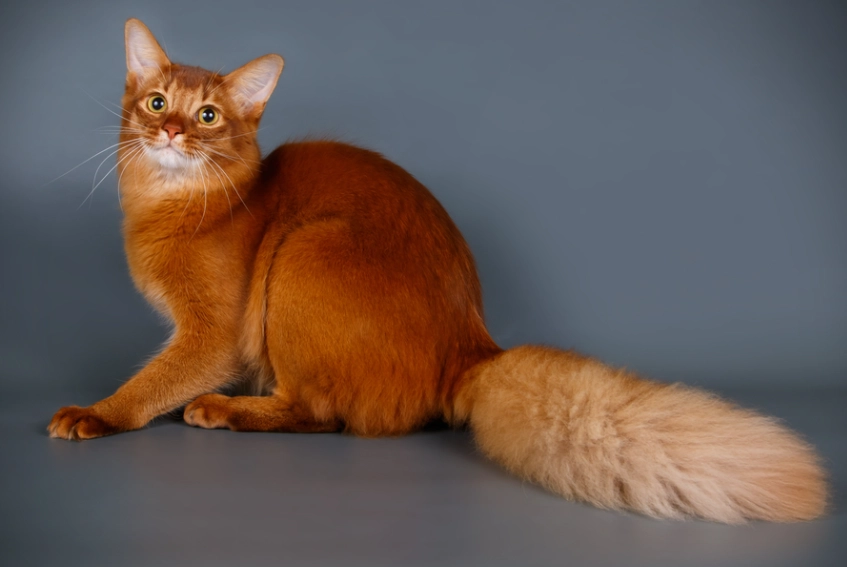
Your Somali Cat Questions Answered
Are white Somali cats hypoallergenic?
How much extra grooming does a light-colored Somali need compared to a ruddy one?
My cream Somali cat's fur is developing a yellowish tint. What causes this?
Is a Somali cat a good choice for a first-time owner?
Why are Somali cats with white markings so hard to find?