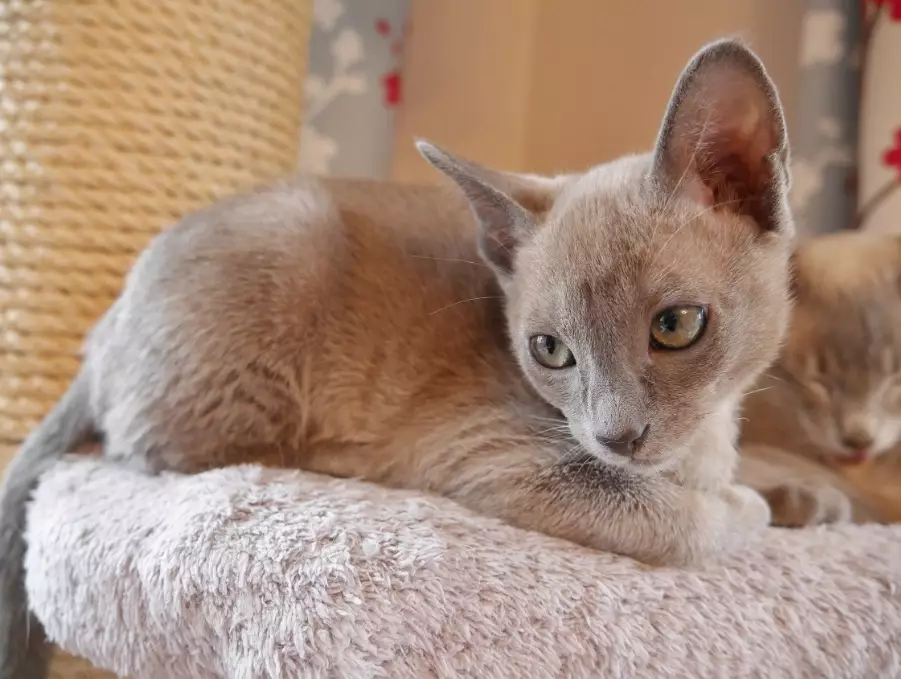
Let's clear something up right away. If you're picturing a Russian Blue as a living, breathing statue – aloof, untouchable, and purely decorative – you've been sold a myth. I've lived with two over the past fifteen years, and the reality is far more interesting, and frankly, more rewarding. The true Russian Blue cat personality isn't cold; it's cautious, deeply affectionate on its own terms, and remarkably intelligent. They're the quiet intellectuals of the cat world, not the snobbish aristocrats they're often made out to be. Understanding this distinction is the key to a fantastic relationship with one of these elegant felines.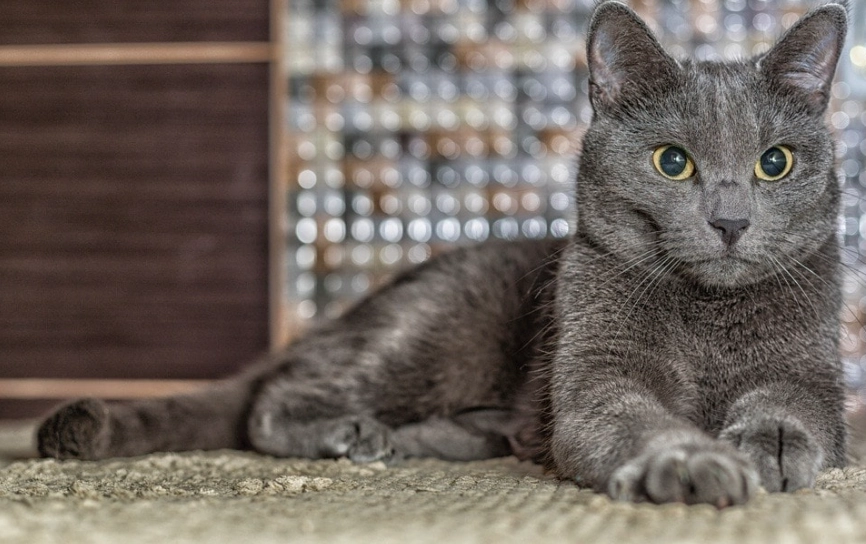
What's Inside This Guide
The Core Personality Traits of a Russian Blue
Forget the generic breed descriptions. After years of observing my own and talking to other owners, a consistent pattern emerges. It's less about a list of traits and more about a specific behavioral style.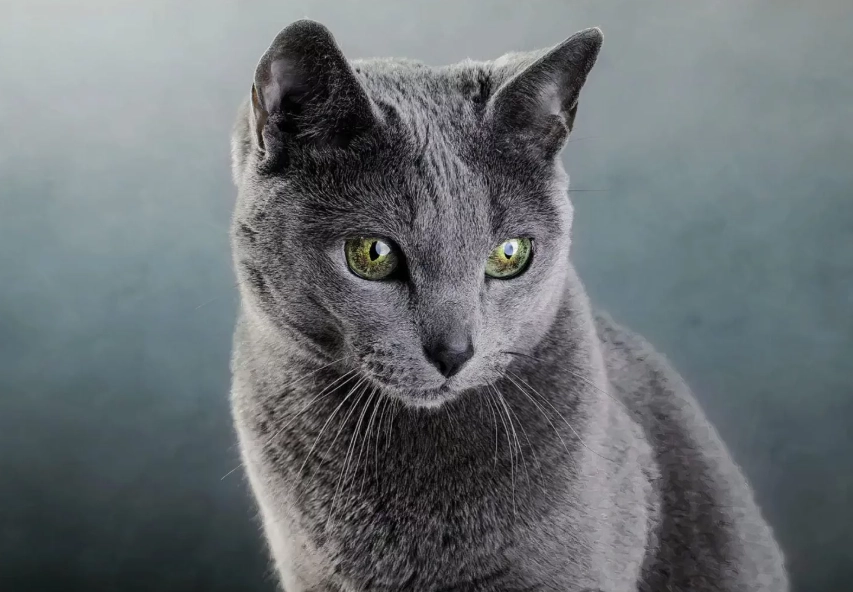
Gentle, Not Timid
They're often labeled "shy," but that's not quite right. Shy implies fear. A Russian Blue's wariness is more about assessment. A stranger walks in, and my cat, Sasha, doesn't bolt. He observes from a distance, calculating. Once he decides you're not a threat (and this can take several visits), the approach is slow and deliberate. The initial touch is usually a gentle head-butt or a rub against your leg – a signed contract of trust. This isn't timidity; it's a controlled, intelligent social protocol.
Quietly Affectionate & Deeply Loyal
They won't smother you. You won't get a lapful of cat the moment you sit down (usually). Their affection is subtle and profound. It's the quiet purr that starts when you enter the room, not just when you pet them. It's the way they follow you from room to room, just to be near you, often settling a few feet away. They form intense bonds with their primary person or family. The Cat Fanciers' Association breed standard notes their "trust in their loved ones," and it's spot on. This loyalty means they can become subtly distressed by long absences.
The Canine-Cat Hybrid Intelligence
This is where they truly shine. Russian Blues are problem-solvers. I've seen Sasha figure out how to open lever-style door handles by watching me. They learn routines quickly and will remind you if you're late for dinner. Many enjoy fetch with small, crinkly toys. This intelligence demands engagement. A bored Russian Blue isn't typically destructive, but they can become withdrawn or develop habits like over-grooming. They need mental challenges – puzzle feeders are a must, not a luxury.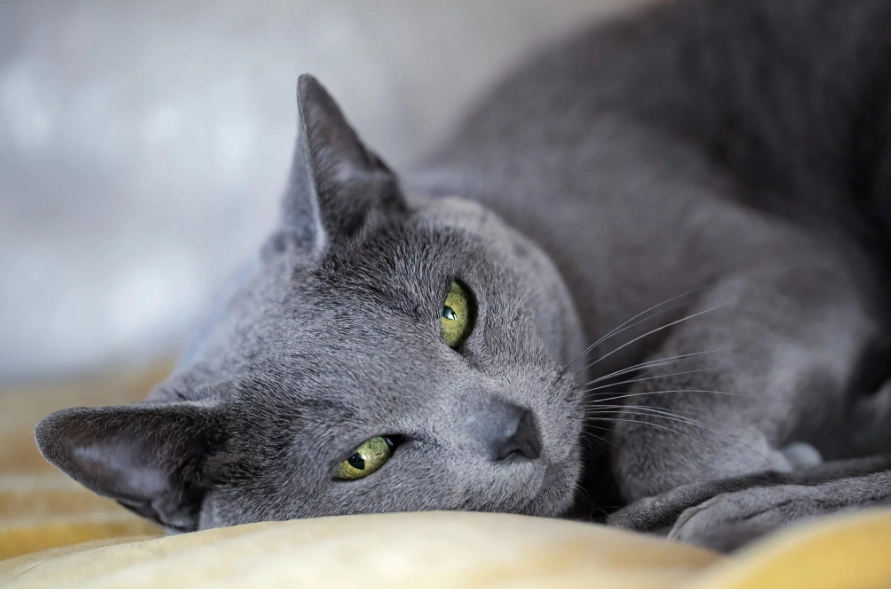
The Big Misconception: Aloofness. The reality is selective affection. They reserve their deepest trust for their inner circle, which makes it all the more valuable when given.
Living With a Russian Blue: The Day-to-Day Reality
So what does this personality mean for your home life? It's not just about knowing they're smart; it's about setting up an environment where that intelligence and sensitivity can thrive.
Creating a Secure Base Camp
Because they are sensitive to change and noise, your home setup is crucial. Think in terms of vertical space and hideaways. Cat trees by windows are perfect – observation posts. Provide enclosed beds or boxes in quiet corners where they can retreat if the house gets too busy. When introducing new people or pets, never force an interaction. Let the cat set the pace. I made the mistake early on of picking up my first Russian Blue to meet a guest; it set our trust back by weeks. Let them come forward on their own.
Communication Style: It's in the Details
Russian Blues are not yowlers. They have a soft, melodic chirp or trill they use to communicate. You'll learn the subtle differences – the "I'm here" trill, the "where are you?" chirp, the specific meow for an empty water bowl (they often prefer running water, by the way). Pay attention to their eyes. A slow blink from a Russian Blue is a high compliment, a genuine "I love you." Return it.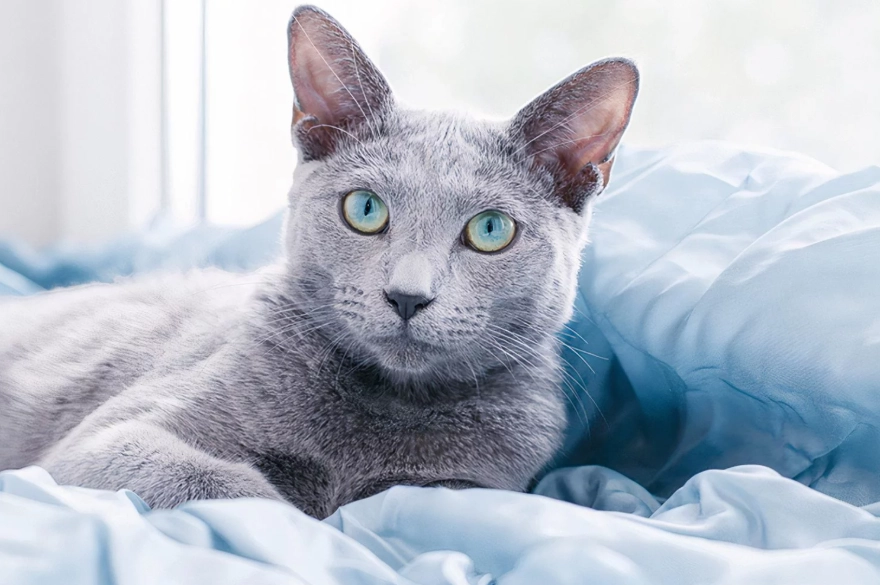
Play & Mental Stimulation: Non-Negotiable
Daily interactive play is essential. It's not just exercise; it's bonding and brain work. Use wand toys that mimic prey. Rotate puzzles and toys to prevent boredom. Teach them simple tricks like "sit" or "high five" using clicker training – they excel at it. This engagement directly impacts their contentment and prevents the subtle anxiety that can manifest in a sensitive breed.
Here’s a quick reality check on what to expect versus what’s often promised:
You might read they are "good with children." This is true only with respectful, calm children. A loud, grabby toddler will terrify a Russian Blue. They do better with older kids who understand gentle interaction.
You might read they are "quiet." True, but they are not silent. They will talk to you in soft tones, especially if you talk to them first.
You might read they are "low-maintenance." Emotionally, they can be higher maintenance than a more gregarious breed. They need your understanding, not just your food and water.
Is a Russian Blue Cat Right For You?
This isn't a breed for everyone. They're not the generic, adaptable "any home will do" cat. Their personality demands a specific human counterpart.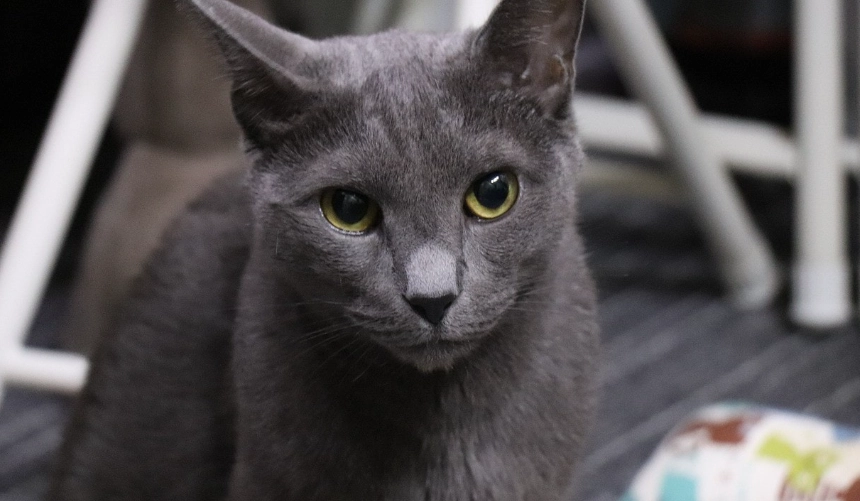
You'll likely thrive with a Russian Blue if:
- You appreciate a deep, earned bond over instant, superficial cuddles.
- You have a generally calm, predictable household without constant parties or loud noises.
- You're home a fair amount and value a quiet companion.
- You enjoy the subtlety of animal communication and are an observant pet owner.
- You're willing to invest time in gentle introduction periods for new situations.
You might want to reconsider if:
- You want a cat that will immediately love on every guest.
- Your home is chaotic, with young children or frequent visitors.
- You're away from home for very long, irregular hours frequently.
- You prefer a highly independent, "hands-off" cat that requires little interaction.
The biggest mistake prospective owners make is expecting a plush, social butterfly. What you get is a sensitive, brilliant, and profoundly loyal friend whose trust is the ultimate reward. It's a different kind of cat ownership, one that feels more like a partnership.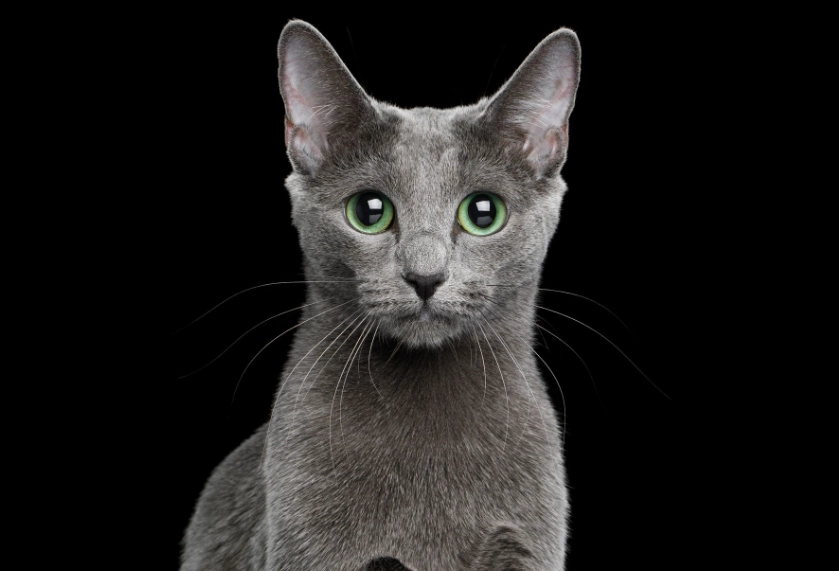
Your Russian Blue Personality Questions Answered
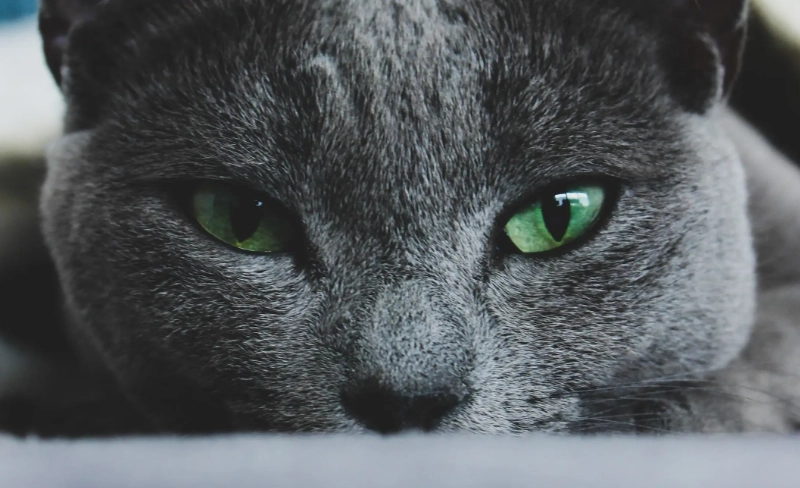 Owning a Russian Blue is a lesson in patience and subtlety. It's about appreciating the quiet head-butt over the boisterous greeting, the intelligent gaze over the constant meow. Their personality isn't a flaw; it's a refined feature. When you respect their boundaries and speak their quiet language, you unlock a companion of incredible depth, loyalty, and gentle grace. They're not for every home, but for the right one, they are absolutely perfect.