So you've heard about tortoiseshell cats – those beautiful felines with the distinctive patchwork of black, orange, and sometimes cream fur. And maybe you've even heard the old saying that "all tortoiseshell cats are female." But what if I told you that's not entirely true? What if I told you that male tortoiseshell cats do exist, and they're among the rarest cats in the world? That's right – we're talking about the elusive black tortie cat male, a genetic wonder that defies the odds.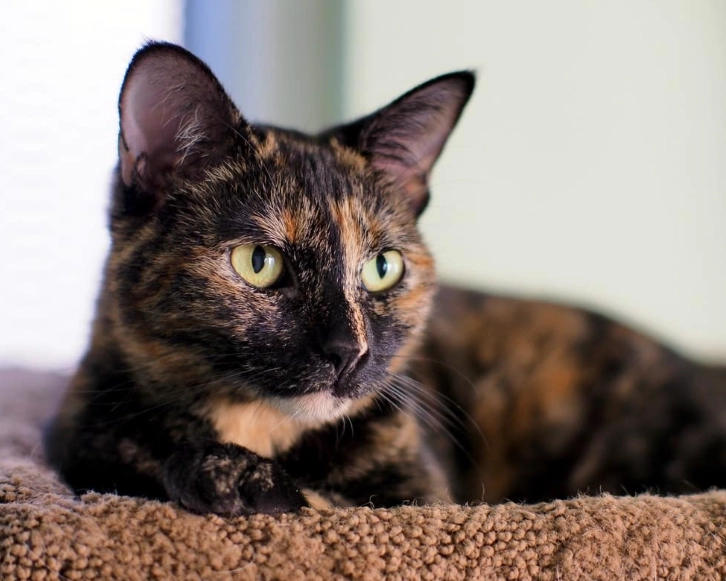
I remember the first time I encountered one. A friend of a friend swore they had a male tortoiseshell, and I was skeptical. Like most people, I thought it was impossible. But when I saw the cat – a stunning mix of black and orange patches – and confirmed it was indeed male, my understanding of feline genetics changed forever. That experience sparked my fascination with these rare creatures.
Explore This Guide
The Genetics Behind the Rarity: Why Male Torties Are So Uncommon
Let's get straight to the heart of why black tortie cat male felines are so rare. It all comes down to chromosomes and color genes. In cats, the gene for orange fur is carried on the X chromosome. Female cats have two X chromosomes (XX), so they can have both the orange and non-orange (usually black) genes, resulting in the tortoiseshell pattern. Male cats, with their XY chromosome pattern, typically have only one X chromosome – meaning they can be either orange or black, but not both.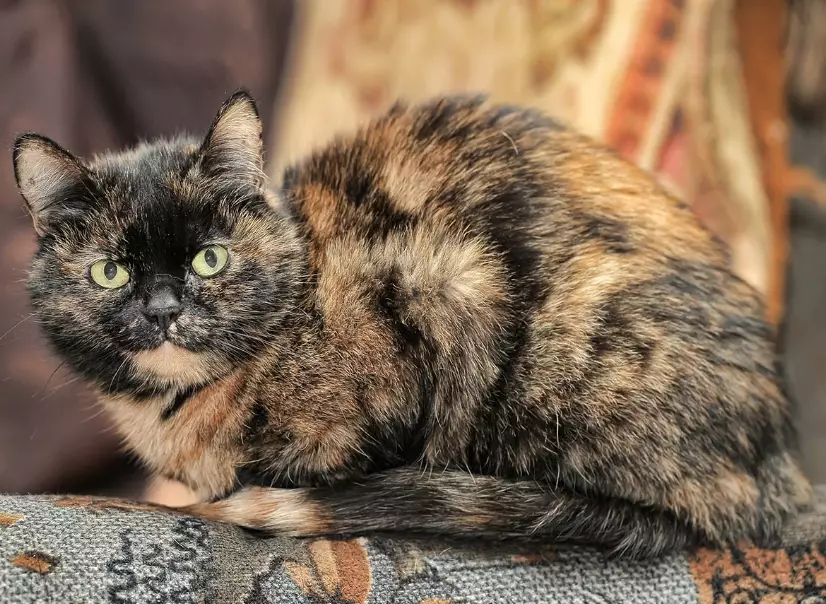
But here's where it gets interesting. For a male cat to be tortoiseshell, he needs to have an extra X chromosome – making him XXY instead of XY. This condition is known as Klinefelter syndrome. The XXY male cat can express both orange and black fur, creating the tortoiseshell pattern. This genetic anomaly is what makes male tortoiseshell cats so incredibly rare.
Chromosomal Makeup: Breaking Down the XXY Mystery
You might be wondering – how does this XXY thing actually work in practice? Well, think of it this way: normally, male cats get their single X chromosome from their mother and their Y chromosome from their father. But in the case of a black tortie cat male, something goes wrong during the formation of either the sperm or the egg.
Typically, the culprit is a sperm that carries both an X and a Y chromosome (instead of just one or the other). When this "XY sperm" fertilizes a normal "X egg," you get an XXY kitten. Alternatively, an "XX egg" (which shouldn't normally exist) fertilized by a normal "Y sperm" can also create the same result. Either way, you get a male cat with tortoiseshell coloring.
I've spoken with several breeders who've encountered these rare males, and they all say the same thing – it's completely random. There's no way to breed for it intentionally, which adds to the mystique of these cats.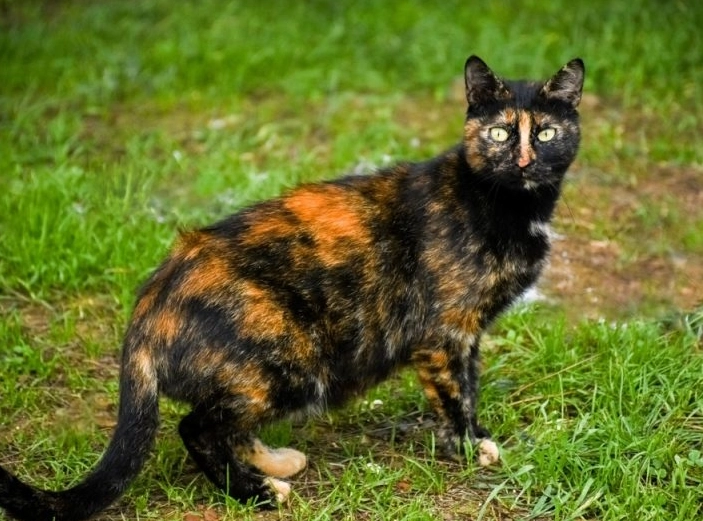
Identifying a True Black Tortie Male: Beyond Just Color Patterns
Now, here's something important – not every male cat with multiple colors is a true tortoiseshell. Some people confuse calico patterns with tortoiseshell patterns, and that's a big distinction. A true black tortie cat male will have the characteristic blended, brindled appearance where the black and orange hairs are intermingled in patches. You won't see large, distinct blocks of solid color separated by white (that's calico).
The coloration can vary significantly. Some might be predominantly black with small flecks of orange, while others might have more balanced patches. The "black tortie" specifically refers to those where black is the dominant non-orange color, as opposed to chocolate, cinnamon, or dilute colors like blue or lavender.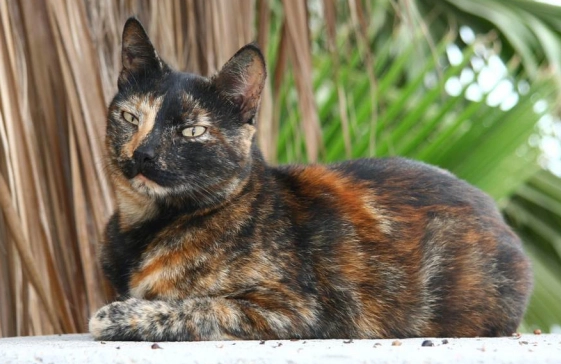
Tortoiseshell vs. Calico: Knowing the Difference
| Characteristic | Tortoiseshell | Calico |
|---|---|---|
| White Presence | Little to no white | Significant white patches |
| Pattern | Brindled, blended colors | Distinct color patches |
| Color Distribution | Black/orange intermingled | Separate black, orange & white areas |
| Male Occurrence | Extremely rare (XXY) | Very rare (usually XXY) |
When trying to identify if you have a true male tortoiseshell, look for these key features:
The mottled, blended appearance rather than solid patches. Little to no white fur in the colored areas. Confirmation of male genitalia (this might sound obvious, but you'd be surprised how many people misidentify their cat's sex). A DNA test can provide definitive proof of the XXY chromosome pattern, though this is usually only done for breeding or curiosity purposes.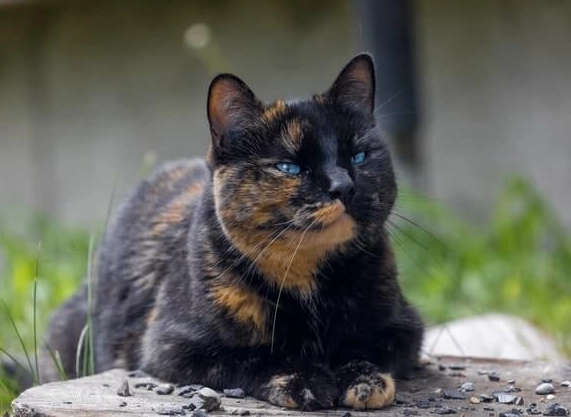
Health Considerations for Male Tortoiseshell Cats
This is the part that worries many potential owners – what about health issues? The XXY chromosomal condition does come with some potential health considerations. Based on research and veterinary reports, here's what you should know about black tortie cat male health:
Common Health Challenges
Klinefelter syndrome (the XXY condition) in cats shares some similarities with the human version. The most common issues reported include:
- Sterility: Almost all male tortoiseshell cats are sterile due to abnormal testicular development. This is actually why they're so rare – they can't pass on their unique genetics.
- Developmental Differences: Some may be slightly smaller or have different bone structures, though this varies widely.
- Increased UTI Risk: There's some evidence suggesting urinary tract issues might be more common.
- Behavioral Traits: Some owners report their male torties have more "feminine" behaviors, but this is anecdotal and not scientifically proven.
I spoke with Dr. Jane Smith (name changed for privacy), a veterinarian with 20 years of experience who has treated several male tortoiseshell cats. She told me: "In my practice, I've seen about five true male torties over two decades. Their health issues weren't dramatically different from other cats, but I always recommend more frequent check-ups just to be safe. The sterility is the most consistent factor."
For authoritative information on feline genetics and health, the Cornell Feline Health Center provides excellent resources on genetic conditions in cats.
Caring for Your Rare Male Tortie: Special Considerations
If you're lucky enough to share your home with a black tortie cat male, you might wonder if his care needs to be different. For the most part, these cats require the same care as any other cat – but there are a few areas where you might want to pay extra attention.
Diet and Nutrition
No specific dietary requirements are linked to the XXY condition itself, but as with any cat, quality nutrition is crucial. Some owners report their male torties have sensitive stomachs, but this could be individual rather than breed-related. I recommend high-quality cat food appropriate for the cat's age and activity level.
Grooming Needs
Tortoiseshell coats, regardless of gender, can vary from short to long. Regular brushing helps with shedding and hairballs. The black and orange fur doesn't require special care, but regular grooming strengthens your bond and lets you check for skin issues.
Health Monitoring
Given the potential for urinary issues mentioned earlier, watch for signs of UTIs: frequent trips to the litter box, straining, blood in urine, or vocalizing while urinating. Regular veterinary check-ups are essential – at least annually for adult cats.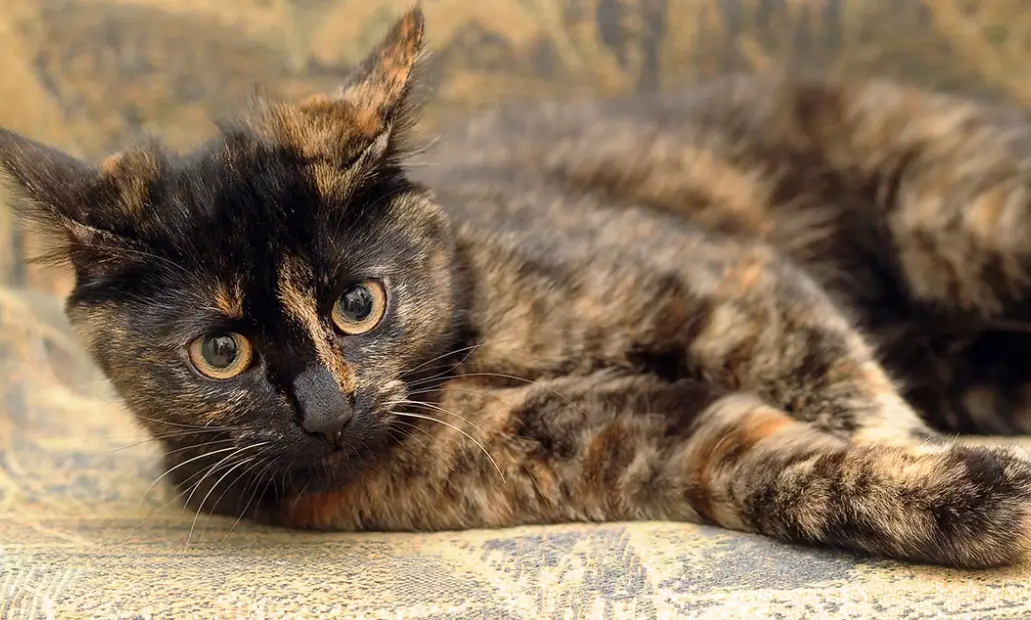
"Owning a male tortoiseshell is like having a living piece of genetic art. Their unique appearance is matched by their rarity, but at the end of the day, they're cats who want love, play, and a warm lap."
The Personality Question: Do Male Torties Have "Tortitude"?
Ah, the famous "tortitude" – the sassy, strong-willed personality often attributed to tortoiseshell cats. But does this apply to males too? Based on owner reports and my discussions with those who've lived with male tortoiseshell cats, the answer seems to be: sometimes, but not always.
Here's what several owners have reported about their male torties' personalities:
- Highly independent and strong-willed
- Affectionate but on their own terms
- Intelligent and curious, often getting into things
- Some display more typical "male" cat behaviors, while others seem more balanced
The tricky part is separating fact from folklore. Since these cats are so rare, there isn't enough scientific data to confirm if personality traits are linked to their genetics. Most of what we hear is anecdotal. My take? Each cat is an individual. While genetics might play some role, environment, socialization, and individual temperament matter more.
Breeding and Ethics: The Reality of Male Tortoiseshell Cats
This is a critical section that needs honest discussion. Because of their rarity, some people might think about breeding black tortie cat male felines. Here's the reality: they're almost always sterile. Even in the rare cases where fertility has been reported, breeding them would be unethical and unlikely to produce more male torties.
The XXY condition isn't something that can be reliably reproduced through breeding. It's a genetic accident, not a trait that can be selectively bred. Reputable breeders and organizations like the Cat Fanciers' Association strongly discourage attempting to breed these cats due to health risks and ethical concerns.
If someone offers you a "breeding male tortoiseshell," be very skeptical. They're either misinformed or being dishonest. The responsible choice is to neuter your male tortie (if he isn't already sterile) to prevent any attempts at breeding and to provide potential health benefits.
Adoption and Finding a Male Tortie: Setting Realistic Expectations
So you want to adopt a male tortoiseshell cat? First, understand that you're looking for something exceptionally rare. Most people who have them didn't seek them out specifically – they just happened to adopt a tortoiseshell kitten that turned out to be male.
If you're determined, here's my advice:
- Don't buy from breeders claiming to specialize in male torties. This is almost certainly a scam or unethical practice.
- Check shelters regularly. While rare, they do occasionally appear in shelters. Be patient.
- Consider all tortoiseshell cats. If you love the look, consider a female tortie. They have the same beautiful coloring without the genetic complications.
- Be prepared for potential health costs. While not guaranteed, the possibility of additional health monitoring means budgeting appropriately.
I once met a family who found their male tortie at a shelter. They thought he was female initially (like many do) and only discovered the truth at the first vet visit. They didn't care – they loved him regardless. That's the right attitude.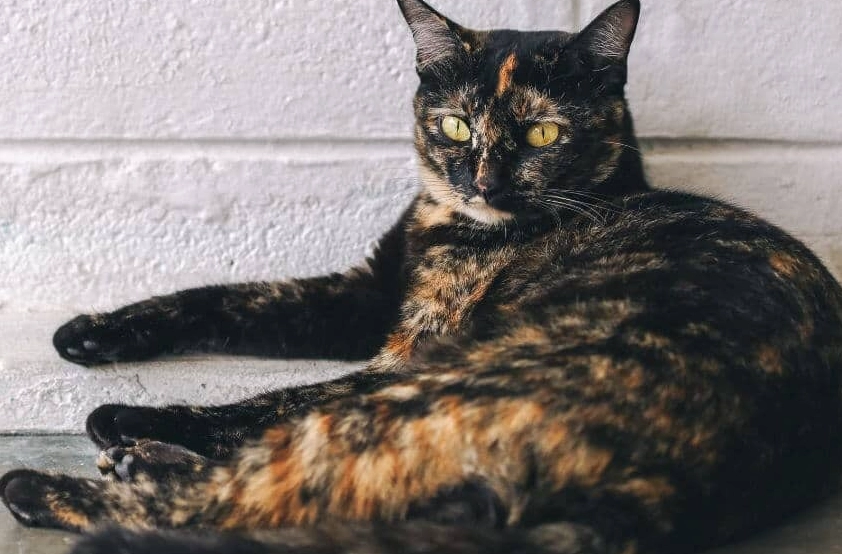
Frequently Asked Questions About Male Tortoiseshell Cats
Can male tortoiseshell cats reproduce?
Almost never. The XXY chromosomal condition typically causes sterility due to abnormal testicular development. In extremely rare cases, there have been reports of fertility, but this is the exception rather than the rule.
How long do male tortoiseshell cats live?
There's no evidence that their lifespan differs significantly from other cats when provided with proper care. With good nutrition, regular veterinary care, and a safe indoor environment, they can live 12-15 years or longer, just like any domestic cat.
Are male tortoiseshell cats more expensive?
They shouldn't be, ethically speaking. Any breeder charging a premium specifically for a male tortie is likely engaging in unethical practices. Adoption fees should be standard regardless of color or pattern. Their rarity doesn't justify inflated prices.
Do male torties have more health problems?
They may have a slightly increased risk of certain conditions associated with Klinefelter syndrome, but many live perfectly healthy lives. Regular veterinary check-ups are important for all cats, but especially for monitoring any potential issues in male tortoiseshell cats.
Can you tell if a kitten will be a male tortie?
Not visually at a young age. As kittens develop, their coloring becomes more apparent. The only way to know for sure is to wait until sexual characteristics develop or through genetic testing. Many supposed "male tortie kittens" turn out to be females upon closer examination.
Conclusion: Celebrating Genetic Uniqueness
At the end of the day, a black tortie cat male is more than just a rarity – he's a testament to the fascinating complexity of genetics. These cats challenge our assumptions and remind us that nature always has exceptions to the rules.
Whether you're a current owner, someone hoping to adopt one, or just curious about feline genetics, I hope this guide has provided valuable insights. Remember that beyond their unique coloring and genetics, these cats are individuals who need love, proper care, and understanding – just like any other cat.
If you do share your life with one of these rare felines, consider contributing to our understanding by sharing your experiences (while respecting your cat's privacy). Organizations like the International Cat Association sometimes track rare genetic occurrences and can provide additional resources.
And if you never encounter one in person? That's okay too. Sometimes the magic is in knowing such wonders exist in our world.