Let's get straight to the point. If you're looking for a giant cat in a tiny package, a creature that's equal parts elegant goofball and velcro companion, you've stumbled upon the right breed. The Singapura cat, often called the "Drain Cat" of Singapore, holds the Guinness World Record for the smallest domestic cat breed. But its size is the least interesting thing about it. I've been around cats for decades, and the Singapura's combination of delicate looks, thunderous purr, and borderline-needy affection is something you don't forget. This isn't just a cat; it's a perpetual kitten with the heart of a lion, and it will follow you from room to room to make sure you know it.
What's Inside: Your Quick Guide to the Singapura Cat
- From Singapore Drains to Living Rooms: A Murky History
- What Makes a Singapura Look Like a Singapura?
- The Singapura Personality: More Than Just "Friendly"
- Caring for Your Singapura: A Practical Guide
- Singapura Cat Health: What to Watch For
- Is a Singapura Cat the Right Fit for Your Home?
- Your Singapura Questions, Answered
From Singapore Drains to Living Rooms: A Murky History
Here's where things get interesting, and a bit controversial. The official story, championed by The International Cat Association (TICA) and the Cat Fanciers' Association (CFA), goes like this: In the 1970s, an American couple named Tommy and Hal Meadow found three small, brown-ticked cats in Singapore, brought them to the US, and developed the breed. They named it "Singapura," which means Singapore in Malay. Neat and tidy.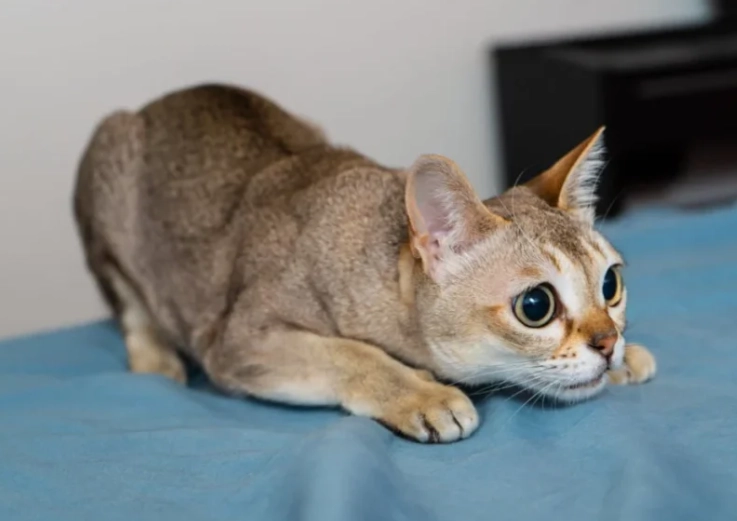
But scratch the surface, and you'll find a more complex tale. Singaporeans have long known about these small, brown cats locally called "Kucinta" (a portmanteau of Malay words for "cat" and "love"). They were common sights in drains and around the city. Later research and genetic testing suggested the Meadows' original cats might have actually been imported from the US to Singapore and then back again, a theory that caused quite a stir. Regardless of the trans-Pacific paperwork, the breed's foundation is undeniably those street cats from Singapore.
The Singapore government even embraced them, declaring the Singapura a "national living treasure" in 1991. You'll find statues of them along the Singapore River today. It's a classic rags-to-riches story for a cat that went from foraging in alleyways to being a cherished companion animal with a dedicated following worldwide. For the most accurate breed history, the TICA website and the Singapore Cat Club are authoritative places to start your deep dive.
What Makes a Singapura Look Like a Singapura?
Don't let the small size fool you. Every bit of the Singapura is finely tuned. They typically weigh between 4 to 8 pounds, with females often at the lower end. They're muscular and solid feeling, not fragile—a "brick wrapped in silk," as some breeders say.
The Signature Coat: The Singapura's coat is its crowning glory. It's short, fine, and lies close to the body. The color is officially sepia agouti ticked tabby. In plain English, that means each hair has alternating bands of dark and light coloring, with a dark tip. The overall effect is a warm, old ivory base color with dark brown ticking, like a wild rabbit. No stripes, just this beautiful, even speckling. The muzzle, chest, and belly are a lighter, unmarked shade.
Their other standout features include large, slightly almond-shaped eyes that range from hazel to green to yellow, giving them a permanently alert and curious expression. Their ears are large, slightly pointed, and set wide apart. The overall impression is one of wide-eyed, delicate beauty.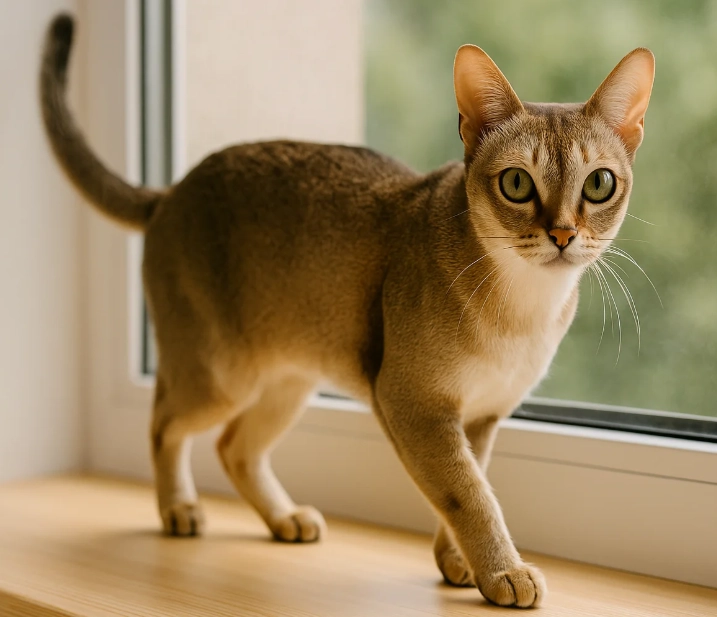
| Feature | Description | Why It Matters |
|---|---|---|
| Size & Build | 4-8 lbs; small but muscular and solid. | They feel substantial in your arms despite their petite frame. Not a delicate lap cat. |
| Coat | Short, fine, sepia agouti ticked tabby. | Minimal shedding and easy grooming. The unique ticking is a breed hallmark. |
| Eyes | Large, almond-shaped, colors from hazel to green/yellow. | Contributes to their expressive, perpetually interested face. |
| Ears & Head | Large ears, rounded head with a blunt muzzle. | Gives them a distinctive, pixie-like appearance. |
The Singapura Personality: More Than Just "Friendly"
If you want an aloof, independent cat that ignores you, look elsewhere. The Singapura is the epitome of a people-cat. They are intensely curious, playful well into adulthood, and form deep bonds with their human families. They want to be involved in everything you do—cooking, working, watching TV. You'll often find them perched on the highest point in the room, observing their domain.
They are also famously vocal, but not in a loud, yowling way. They have a soft, chirping voice and will "talk" to you with a series of mews, trills, and purrs. That purr is surprisingly loud for such a small cat. It's a contented motor that starts up the moment you look at them.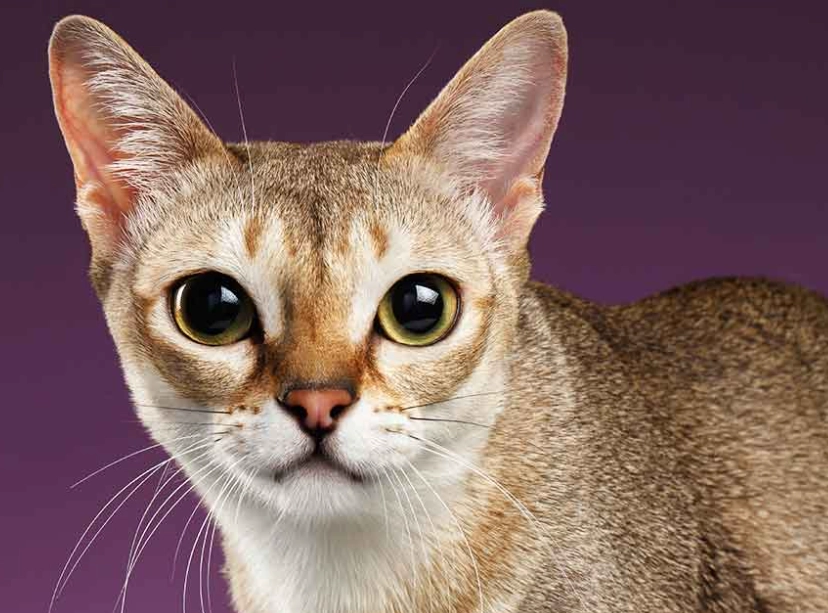
A Common Misconception: Many websites label them "shy" or "reserved with strangers." In my experience, this is often overstated. A well-socialized Singapura is more likely to be cautiously curious about new people rather than hiding. They might hang back for ten minutes before deciding the guest is worthy of investigation and a head-butt. The key is early and positive socialization.
They get along wonderfully with other cats, dogs, and respectful children. Their playful nature makes them great fun for kids, but their small size means interactions should always be supervised to prevent accidental injury. They are not aggressive, but they will use their voice to tell you if they're unhappy.
Caring for Your Singapura: A Practical Guide
Caring for a Singapura is relatively straightforward, but there are nuances that first-time owners of the breed might miss.
Diet and Nutrition
They have good appetites for their size. Because they are active, a high-quality diet rich in animal protein is essential. I'm not a fan of free-feeding dry food for this breed. They can be prone to gaining weight if overfed, especially as they age and their metabolism slows. Measured meals—whether high-quality wet food, dry food, or a combination—are the way to go. Consult your vet for portion sizes based on your individual cat's age and activity level.
Grooming Needs
This is the easy part. Their short coat requires minimal maintenance. A weekly brush with a rubber grooming mitt or soft bristle brush is plenty to remove loose hair and distribute skin oils. They generally enjoy the attention. Trim nails every couple of weeks and check ears for wax buildup.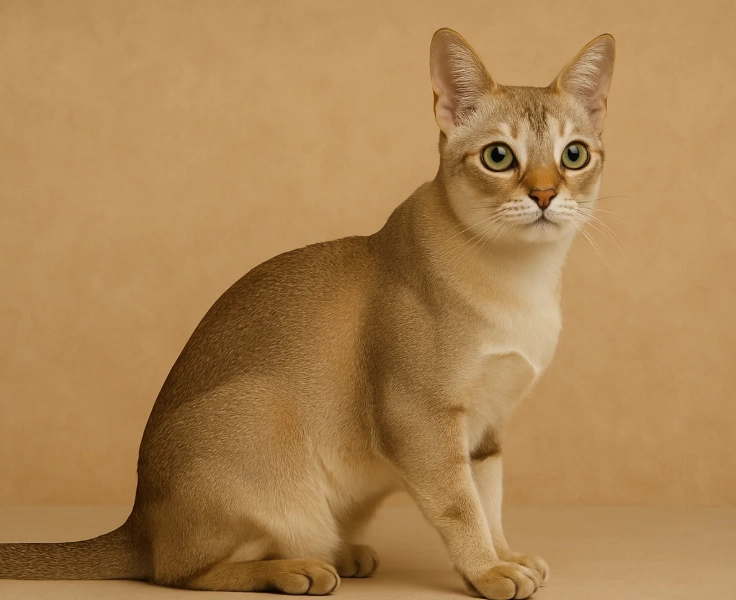
Exercise and Environmental Enrichment
This is crucial. A bored Singapura is a mischievous Singapura. They are intelligent and need mental stimulation.
- Vertical Space: Cat trees, shelves, and window perches are non-negotiable. They love to climb and survey.
- Interactive Play: Daily play sessions with wand toys, laser pointers (always end with a physical toy they can "catch"), and puzzle feeders are a must. They retain their kitten-like playfulness for years.
- Companionship: They thrive on interaction. If you're away from home long hours, consider getting two cats. A feline friend can provide the social interaction they crave.
Singapura Cat Health: What to Watch For
Overall, the Singapura is a robust and healthy breed with a long lifespan, often reaching 15 years or more. However, like all purebreds, they have some predispositions to be aware of.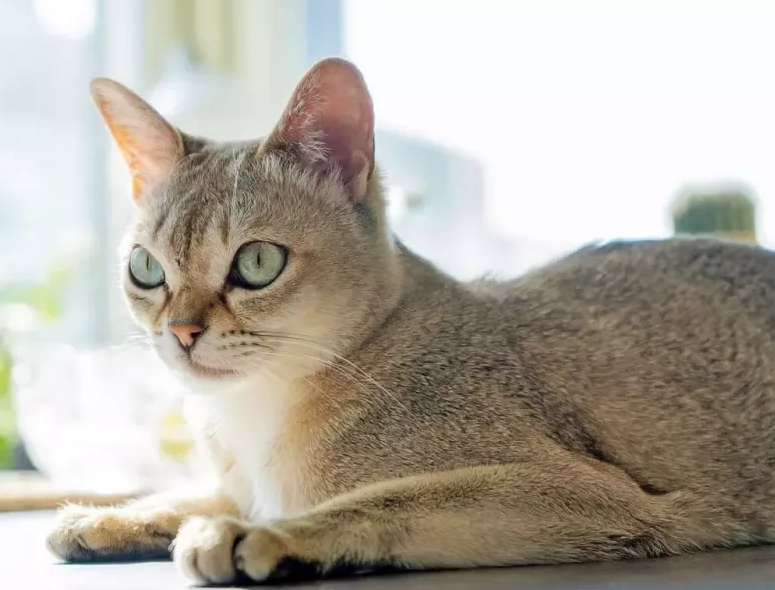
The primary concern is a genetic condition called Pyruvate Kinase Deficiency (PKD). It's a heritable anemia that affects the red blood cells. Reputable breeders test their breeding stock for this gene, and you should always ask for proof of clear genetic testing. A cat with two copies of the gene will have the disease; a carrier with one copy is healthy but should not be bred.
Another condition seen in some lines is uterine inertia in queens (females), which can complicate birthing. This is a concern for breeders, not typically for pet owners who spay their cats.
The best thing you can do is buy from a breeder who is transparent about health testing and provides documentation. Annual vet check-ups are, of course, essential for any cat.
Is a Singapura Cat the Right Fit for Your Home?
Let's be honest, no breed is perfect for everyone. Here's a quick reality check.
A Singapura might be perfect for you if: You want a constant, affectionate companion. You're home often or can provide a feline friend. You enjoy an interactive, talkative pet. You appreciate a cat that's easy to groom. You have a calm home environment or respectful children.
Think twice if: You want a low-maintenance, independent cat that's fine alone all day. You prefer a quiet home (they do chirp and purr loudly). You are gone for very long, irregular hours. You have very young, rambunctious children who might not handle a small pet gently.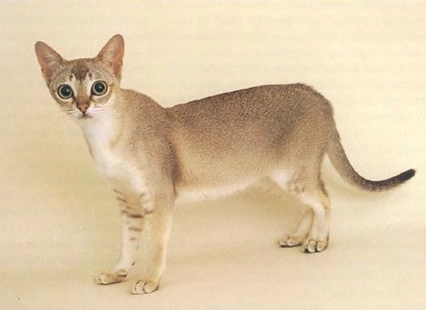
Your Singapura Questions, Answered
The Singapura cat is more than a list of traits. It's an experience—a small, warm, purring presence that insists on being at the center of your world. They offer immense affection and entertainment in return for your companionship and care. If their big personality in a tiny, ticked package sounds like your perfect match, you're in for one of the most rewarding relationships the cat world has to offer.