Explore This Guide
So you've fallen for a tortie cat, haven't you? Or maybe you're just fascinated by those stunning, patchwork coats that look like a melted sunset. I get it. My first cat, a feisty little thing named Ember, was a tortoiseshell. She'd alternate between demanding cuddles and giving me the cold shoulder from the top of the bookshelf. That's the tortie experience in a nutshell.
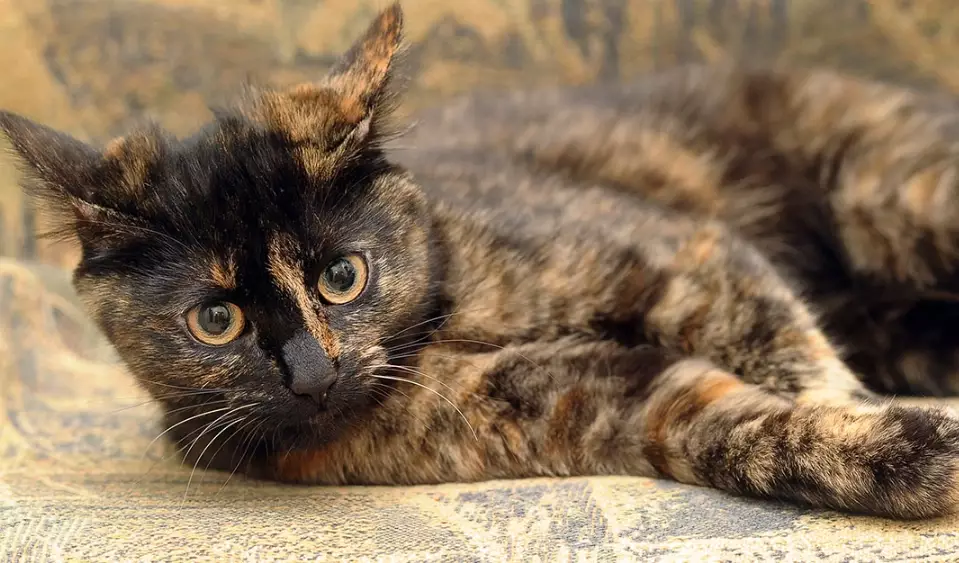
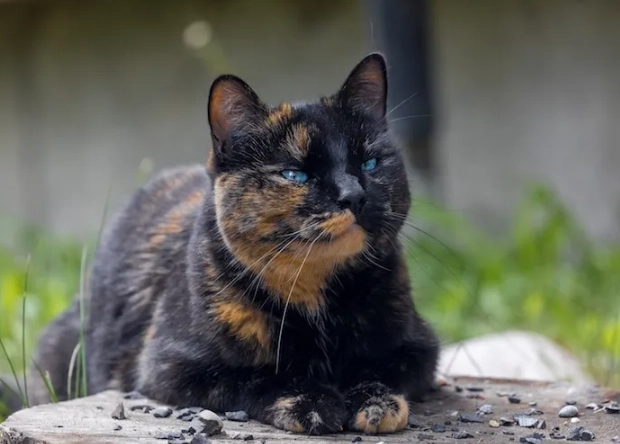
Let's clear something up right away. "Tortoiseshell" isn't a breed. It's a color pattern. You can find this gorgeous mix of black, orange, and sometimes cream and chocolate in many breeds and, most commonly, in your average wonderful domestic shorthair. The pattern is a beautiful chaos—swirls, patches, brindling, no two ever alike. It's like nature's fingerprint for cats.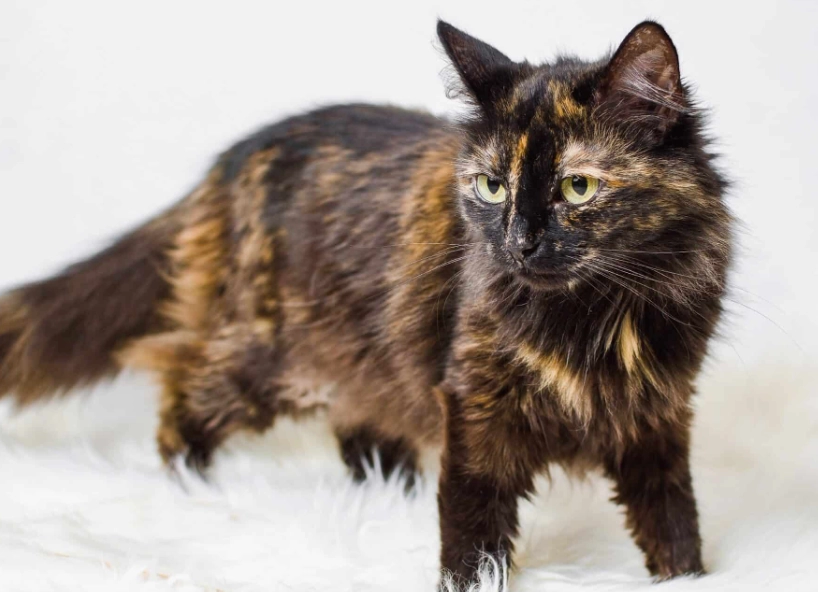
Quick Fact Check
People often confuse "tortoiseshell" with "calico." Here's the simple difference: torties blend black and orange (and their dilute forms like grey and cream) in a mottled or brindled way. Calicos have the same colors but in distinct, separate patches, and they almost always have significant white fur on their bellies, paws, and faces. Think of a tortie as a blended smoothie and a calico as a chopped fruit salad.
What's the Deal with Tortie Cat Genetics? (The Science Bit, Simplified)
This is where it gets cool. The secret behind the tortoiseshell coat is almost entirely linked to genetics and, specifically, to the X chromosome. The gene for orange fur and the gene for black fur are both located on the X chromosome. A female cat has two X chromosomes (XX).
Here's the kicker: during early development, one X chromosome gets randomly "switched off" in each cell. If the cell keeps the X with the orange gene active, that patch of fur grows orange. If it keeps the X with the black gene active, that patch grows black. This random inactivation creates the unique, patchy mosaic. It's called X-inactivation or lyonization.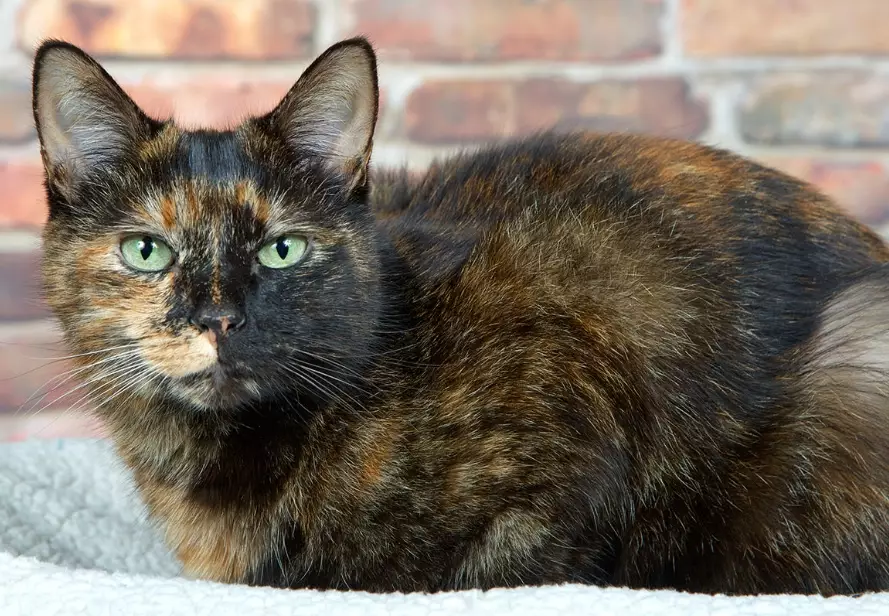
Now, what about male tortoiseshell cats? They're incredibly rare. A male cat is XY. To express both orange AND black, he would need two X chromosomes and a Y chromosome—an XXY configuration. This is a genetic anomaly (similar to Klinefelter syndrome in humans). These males are almost always sterile. So, when you see a tortie cat, you're almost certainly looking at a girl. Over 99.9% of them are female. That fact alone makes every tortoiseshell cat a bit special.
Unpacking "Tortitude": Myth, Reality, and Living With It
Ah, "Tortitude." It's a word every tortie owner knows. It refers to the supposed strong-willed, fiercely independent, sassy, and sometimes unpredictable personality attributed to tortoiseshell cats. Is it real? Well, science and anecdote clash here in a fascinating way.
A 2015 study published in the Journal of Applied Animal Welfare Science surveyed over 1,200 cat owners. The researchers did find that owners perceived tortoiseshell cats, calicos, and torbies (tortie-tabby mixes) as more likely to display behaviors like hissing, chasing, and scratching. They were often labeled "more intolerant" of handling.
But here's the critical part: the study authors were careful to note this was owner-reported perception. It doesn't conclusively prove a genetic link between coat color and personality. It might be a self-fulfilling prophecy. You hear about tortitude, you expect it, and you notice those sassy moments more. My friend's big fluffy tabby is a total diva, but nobody calls it "tabby-tude." See what I mean?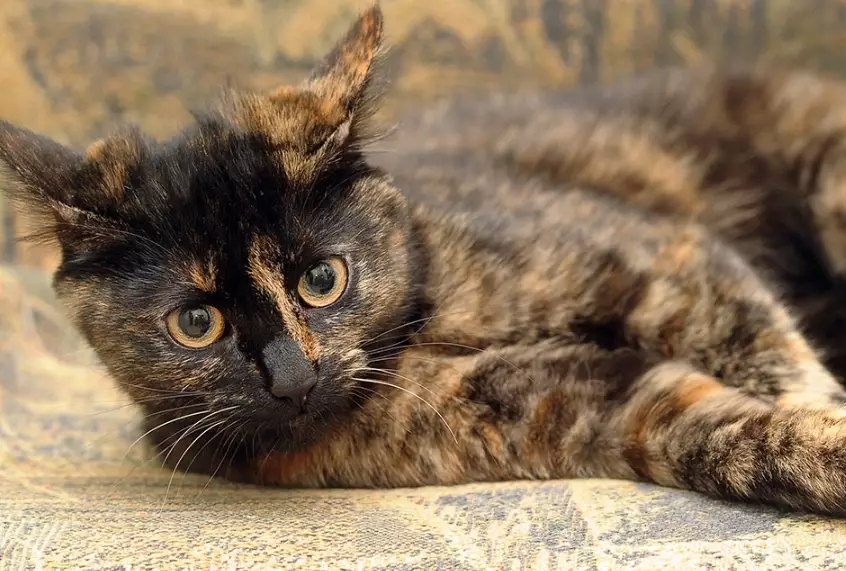
Let's Debunk a Few Myths
- Myth: All torties are mean.
Reality: Nonsense. Many are incredibly affectionate, lap-loving cuddle bugs. Ember could be the sweetest cat one minute. It's about individual personality, not paint job. - Myth: Tortitude is a proven scientific fact.
Reality: It's a popular and persistent observation, but hard science directly linking color to specific personality traits is still elusive. Behavior is influenced by a cocktail of genetics (breed, individual lineage), early socialization, and environment. - Myth: You can't train a tortie cat.
Reality: You can! They're often highly intelligent. The key is positive reinforcement (treats, praise) and understanding they may have less patience for repetition than some other cats. Make it fun, keep it short.
That said, I won't gaslight tortie owners. There seems to be a kernel of truth in the collective experience. Many tortoiseshell cats exhibit a certain... intensity. They feel emotions strongly. Their love is deep, their annoyance is palpable. They are often described as "quirky" or having "big feelings." It's not necessarily bad—it's just more. You need to be prepared to respect their boundaries. Trying to force a tortie to do something she doesn't want is a recipe for a scratched hand.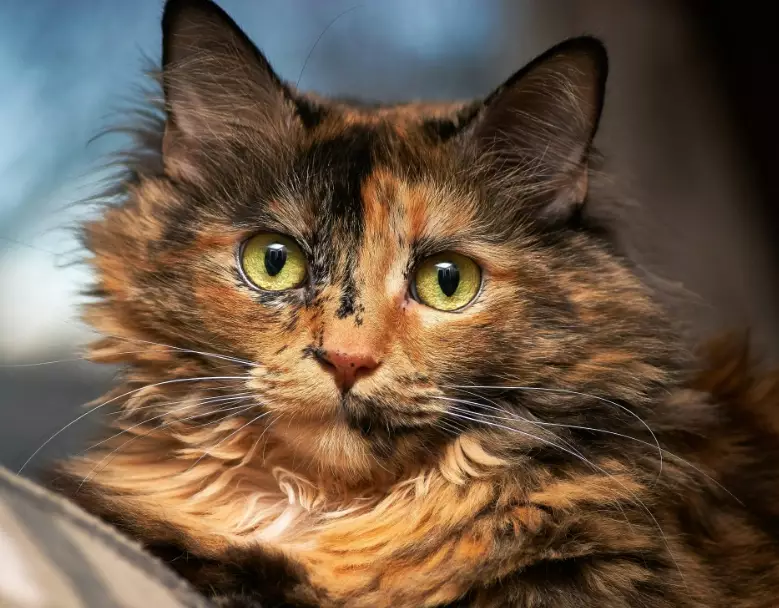
Caring for Your Tortoiseshell Cat: A Practical Guide
Caring for a tortie cat isn't fundamentally different from caring for any other cat, but understanding their potential personality leanings can help you tailor your approach for a happier life together.
Environment & Enrichment
These are often smart, active cats. Boredom is the enemy of a good temperament, especially for a feisty tortie.
- Vertical Space: Cat trees, shelves, window perches. Torties often love to survey their kingdom from on high. It also gives them an escape route if they feel overwhelmed.
- Interactive Play: Daily play sessions are non-negotiable. Wand toys that mimic prey (feathers, little mice) are great. Engage their hunting instinct. Ten focused minutes twice a day is better than an hour of half-hearted waving.
- Puzzle Feeders: A fantastic way to engage their brain. Make them work for their kibble. It slows down eating and provides mental stimulation.
- Routine: Many cats thrive on predictability, and torties can be especially appreciative of it. Try to feed, play, and have quiet time around the same times each day.
Grooming Needs
This depends entirely on whether your tortie is short-haired or long-haired (a "tortie" can be either!).
- Short-haired torties: A quick brush once a week with a slicker brush or grooming glove is usually sufficient to remove loose hair and distribute skin oils.
- Long-haired torties: Require more commitment. Brush several times a week with a comb and slicker brush to prevent mats and tangles, especially under the arms and around the hindquarters.
Start grooming early and make it positive with lots of treats. Even a short-haired tortie with a low tolerance for handling will benefit from getting used to a gentle brush.
Pro Tip: Nail Trimming
Get your tortie kitten accustomed to having her paws handled. For an adult with tortitude, you might need to get creative. Try trimming just one or two claws at a time, followed by a high-value treat. Or wrap her gently in a towel (a "purrito") to safely extend one paw at a time. Don't fight her—if it's a huge stressor, ask your vet or a groomer to do it.
Diet & Nutrition
No specific dietary needs are linked to coat color. Feed a high-quality, age-appropriate cat food. The Association of American Feed Control Officials (AAFCO) sets nutritional standards—look for a statement on the bag/can saying it meets AAFCO guidelines for your cat's life stage (kitten, adult, senior).
Obesity is a major health risk for all cats. Measure meals, limit treats, and use play for enrichment, not just food. A chunky tortie might be cute, but it's hard on her joints and organs.
Health Considerations for Tortoiseshell Cats
Again, their health is linked to their breed and genetics, not their tortoiseshell pattern. However, there are a couple of indirect links worth noting.
Because the vast majority of torties are female, they are susceptible to health issues specific to females, such as:
- Mammary Cancer: Unspayed females have a significantly higher risk. The American Veterinary Medical Association (AVMA) strongly recommends spaying, which drastically reduces this risk.
- Pyometra: A life-threatening uterine infection in unspayed females.
The single most important thing you can do for your tortie cat's health is to spay her. It prevents these serious diseases, eliminates heat cycles (which can be loud and stressful), and prevents unwanted kittens.
For the exceedingly rare male tortoiseshell cat, the XXY condition can sometimes be associated with health issues like reduced bone mineral density or learning differences, though many live perfectly healthy lives. Their primary concern is sterility.
Otherwise, maintain regular vet check-ups (at least annually for adults, twice a year for seniors), keep up with vaccinations and parasite prevention as your vet recommends, and monitor for any changes in behavior, appetite, or litter box habits.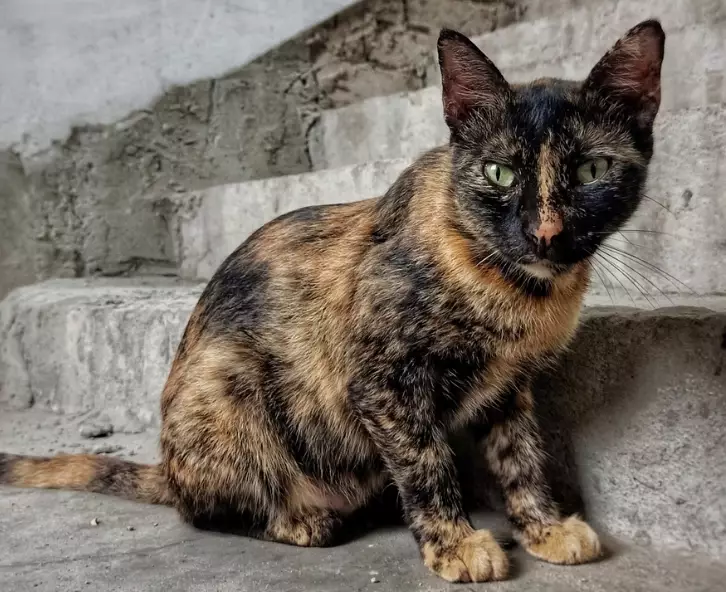
Tortoiseshell Cat FAQs: Your Questions, Answered
Are tortoiseshell cats more expensive?
Not usually. Since it's a common color pattern in domestic shorthairs, you'll find plenty in shelters and rescues for a standard adoption fee. If a breeder of a specific pedigree breed (like a Persian or British Shorthair) is selling a "tortoiseshell" kitten, the price will be based on the breed standards, not specifically the tortie pattern. Adopt, don't shop is a great mantra here—shelters are full of stunning torties waiting for homes.
How long do tortoiseshell cats live?
There's no lifespan tied to the color. With proper care, indoor tortie cats typically live 12-20 years, just like any other domestic cat. Genetics, diet, preventative healthcare, and a safe indoor environment are the key factors.
Do torties get along with other pets?
It's entirely individual. Some are social butterflies, others prefer to be the only pet. The myth of tortitude might suggest they're less social, but I've known torties who adore their dog siblings or cat friends. Proper, slow introductions are crucial regardless of coat color. Let the animals set the pace.
What's the difference between a tortie and a torbie?
Great question! A torbie is a tortoiseshell cat that also has the classic tabby "M" on her forehead and tabby stripes within the colored patches. So it's a tortie + tabby hybrid pattern. They often have the same spirited personality reputation.
Choosing & Welcoming a Tortie Cat Into Your Home
If you've read this far and are still keen, bravo! You're going in with your eyes open. Here's my practical advice.
Visit a local shelter or rescue. Spend time with the cats. Don't just look for the prettiest tortoiseshell coat; interact. See who approaches you, who seems curious but gentle. Ask the staff about personalities—they know the cats best. A shy tortie might blossom in a quiet home, while a bold one might need more activity.
When you bring her home, set up a "base camp"—a quiet room (like a spare bedroom or bathroom) with her litter box, food, water, a comfy bed, and a hiding spot (a cardboard box with a blanket is perfect). Let her decompress there for a few days. Visit for quiet chats and play, but let her come to you. This is especially important for a potentially sensitive tortie cat; it builds confidence on her terms.
Have patience. The adjustment period can take weeks or even months. Let the bond build slowly. Respect her "no" signals (flattened ears, twitching tail, moving away).
Tortie Cat Essentials Shopping List
| Category | Essential Items | Why It's Important for a Tortie |
|---|---|---|
| Comfort & Security | Cozy bed, cardboard boxes, cat tree/tall perch | Provides safe retreats and high vantage points, catering to their need for security and control. |
| Play & Stimulation | Wand toys, puzzle feeders, crinkle balls, catnip toys | Channels their intelligence and energy positively, prevents boredom-related behavior issues. |
| Grooming | Slicker brush, fine-toothed comb (for long-hair), nail clippers | Regular care keeps coat healthy and gets them used to handling, which is key for vet visits. |
| Nutrition | High-quality cat food, shallow food/water bowls (some dislike deep bowls) | Supports overall health. Stainless steel or ceramic bowls are easier to clean and prevent feline acne. |
| Litter Box | Large, uncovered box, unscented clumping litter | Many cats, especially sensitive ones, dislike covered boxes. Cleanliness is paramount to avoid "protests." |
At the end of the day, living with a tortoiseshell cat is a vibrant, engaging, and deeply rewarding experience. They're not for everyone—if you want a placid, always-predictable lap cat, you might get lucky, or you might be in for a surprise. But if you appreciate a cat with a big personality, a fierce independent streak, and a loyal heart under that stunning coat, a tortie might just be your perfect match.
They keep you on your toes. They make you laugh. They teach you about consent and boundaries (applied to both human and feline). They are living art with attitude. My life was undoubtedly richer for having shared it with a tortie cat. Yours could be too.