What You'll Learn in This Guide
Let's cut to the chase. If you're looking at Sphynx cats, you've probably heard they're pricey. A Sphynx kitten from a decent breeder runs between $1,500 and $3,500. But that's just the start. The total cost of ownership can easily double in the first year. I've owned Sphynx cats for over a decade, and I've seen too many people get shocked by the bills. This guide breaks down every dollar, from the initial purchase to monthly upkeep, with real numbers and personal insights. You'll learn how to budget, save money, and spot red flags.
The Purchase Price: What to Expect Upfront
When you buy a Sphynx kitten, the price tag varies wildly. It's not just about the cat; it's about what comes with it. Here's a quick table to give you an idea:
| Source | Price Range | What's Included | Notes |
|---|---|---|---|
| Reputable Breeder | $1,500 - $3,500 | Health checks, vaccinations, spay/neuter, pedigree papers | This is the sweet spot. Breeders registered with TICA or CFA often charge on the higher end. |
| Backyard Breeder | $800 - $1,200 | Minimal vet care, no genetic testing | Risky. I've met owners who ended up with sick cats and huge vet bills. |
| Rescue or Adoption | $100 - $300 | Basic vet work, sometimes unknown history | A great option if you're flexible. Sphynx rescues exist, but they're rare. |
| Show-Quality Breeder | $3,500 - $5,000+ | Champion bloodlines, rare colors, extensive documentation | For enthusiasts or breeders. The price reflects breeding rights and prestige. |
Notice something? The cheaper options often skip health testing. Sphynx cats are prone to genetic issues like hypertrophic cardiomyopathy (HCM), and a good breeder will test the parents. If a breeder doesn't mention HCM screenings, walk away. I learned this the hard way with my first Sphynx, Luna. She cost $1,200, but I spent over $2,000 in her first year on heart issues that weren't disclosed.
What Makes Sphynx Cats So Expensive?
Why the high price? It's not just because they're hairless. Breeding Sphynx cats is intensive. They have smaller litters—often just 2 to 4 kittens—and require constant care. Breeders invest in climate-controlled environments because these cats get cold easily. Then there's the vet work: genetic testing, vaccinations, and regular check-ups. A reputable breeder might spend $500-$1,000 per kitten before sale.
Color and pattern also play a role. Solid colors like black or white are common, but rare patterns like tortoiseshell or pointed can add $500-$1,000 to the price. Location matters too. In urban areas like New York or Los Angeles, prices are higher due to demand. I've seen kittens advertised for $4,000 in LA, while in Midwest states, they might go for $2,500.
Here's a breakdown of factors:
- Breeder Reputation: Top breeders charge more but offer health guarantees. It's worth it.
- Kitten Age: Younger kittens (8-12 weeks) cost more than older ones, but they're easier to socialize.
- Health Clearances: Tests for HCM, blood type, and other issues add cost but reduce future risks.
- Demand: Sphynx popularity has surged, pushing prices up. Social media doesn't help—everyone wants a hairless cat now.
One thing breeders rarely talk about: the time cost. Raising a Sphynx litter requires round-the-clock attention. That's why I respect breeders who charge fairly; they're not just selling pets, they're ensuring healthy lives.
The Hidden Costs They Don't Tell You About
This is where most people get blindsided. The purchase price is just the entry fee. Let's talk about the hidden costs that can sneak up on you.
Initial Setup Costs
Before your Sphynx comes home, you need gear. Here's a realistic list:
- Heated Bed: $50-$100. Non-negotiable. Sphynx cats seek warmth constantly.
- Cat Tree with Perches: $80-$200. They're active and love climbing.
- High-Quality Litter Box: $30-$60. Get one with high sides; they're messy eaters and diggers.
- Grooming Supplies: $40-$80. Baby wipes, gentle shampoos, and ear cleaners. Their skin produces oil, so weekly baths are a must.
- Clothing: $20-$40 per sweater. Yes, sweaters. In winter, they need layers to stay warm.
Total setup: $220-$480, and that's on the low end. I spent around $300 initially, but I skimped on the cat tree and regretted it—my cat, Leo, kept knocking things over.
Ongoing Monthly Costs
Monthly expenses add up fast. Sphynx cats eat more than furry breeds because they burn calories to stay warm. Expect to spend:
- Food: $30-$60 for high-protein, grain-free kibble or wet food. I use a mix, which costs about $45 monthly.
- Grooming: $20-$40 for wipes, shampoos, and occasional professional baths if you're busy.
- Vet Care: $20-$50 set aside for routine check-ups or supplements. They need annual heart scans, which cost $200-$300 per visit.
- Toys and Enrichment: $10-$20. They get bored easily, so rotate toys.
That's $80-$150 per month. Over a year, it's $960-$1,800. And this doesn't include emergencies.
Health Emergencies
Sphynx cats are generally healthy if bred well, but they have weak spots. Skin infections from improper cleaning can cost $200-$500 to treat. Dental issues are common too; cleanings run $300-$600. The big one is HCM. Treatment for heart disease can exceed $2,000. Pet insurance helps, but it's another $30-$50 monthly.
I recommend setting aside $500 annually for unexpected vet visits. It sounds like a lot, but it's cheaper than a surprise $2,000 bill.
My Sphynx Story: A Real Budget Breakdown
Let me share my experience with my second Sphynx, Milo. I bought him from a TICA-registered breeder in 2018. Here's what I spent:
- Purchase Price: $2,800. Included health clearances for HCM and genetic disorders.
- Setup Costs: $350 (heated bed, cat tree, litter box, initial grooming kit).
- First-Year Vet Bills: $600 (initial check-up, vaccinations, heart scan).
- Monthly Costs (Average): $120 (food $50, grooming $30, toys $10, vet savings $30).
Total first year: $2,800 + $350 + $600 + ($120 x 12) = $5,190. That's over $5,000! And Milo was relatively healthy. My first cat, Luna, cost more due to health issues. The point is, budgeting just for the purchase price is a mistake. I see forums where people complain about costs, but they didn't plan ahead.
On the bright side, Milo is worth every penny. His personality is incredible—affectionate, playful, and he follows me everywhere. But financially, it's a commitment.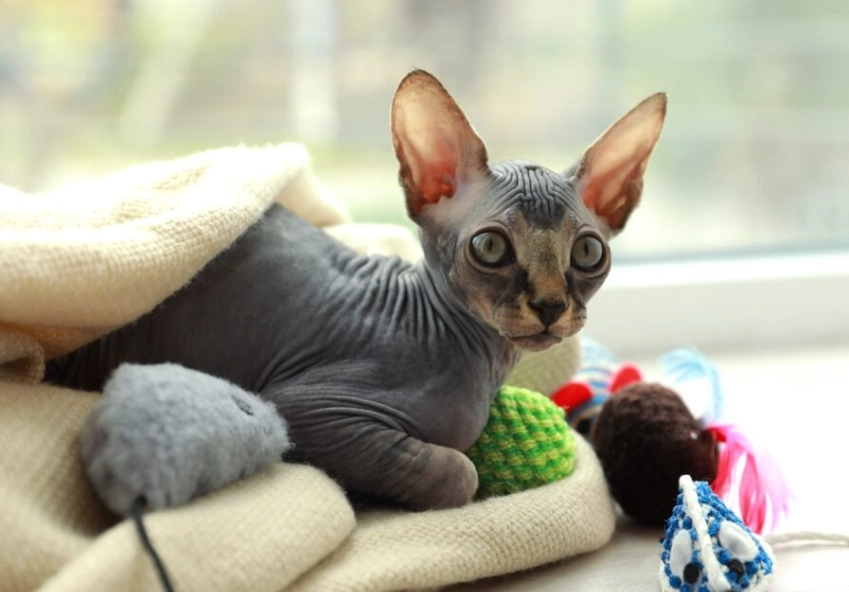
How to Shop Smart and Avoid Scams
Buying a Sphynx can feel like navigating a minefield. Here are tips from my decade of experience:
- Visit the Breeder: If they refuse an in-person visit, it's a red flag. I once drove three hours to see a breeder, and it saved me from a scam.
- Ask for Health Clearances: Demand proof of HCM testing for both parents. Reputable breeders will provide documents from veterinarians.
- Check Registrations: Look for breeders affiliated with TICA or CFA. They adhere to ethical standards.
- Avoid Too-Good-to-Be-True Prices: Kittens under $1,200 often come from mills. You'll pay more in vet bills later.
- Interview the Breeder: A good breeder will ask you questions about your home and experience. They care where their kittens go.
Consider adoption too. Organizations like Sphynx Rescue occasionally have cats needing homes. The cost is lower, but be ready for potential health or behavioral issues. I've fostered a few, and it's rewarding.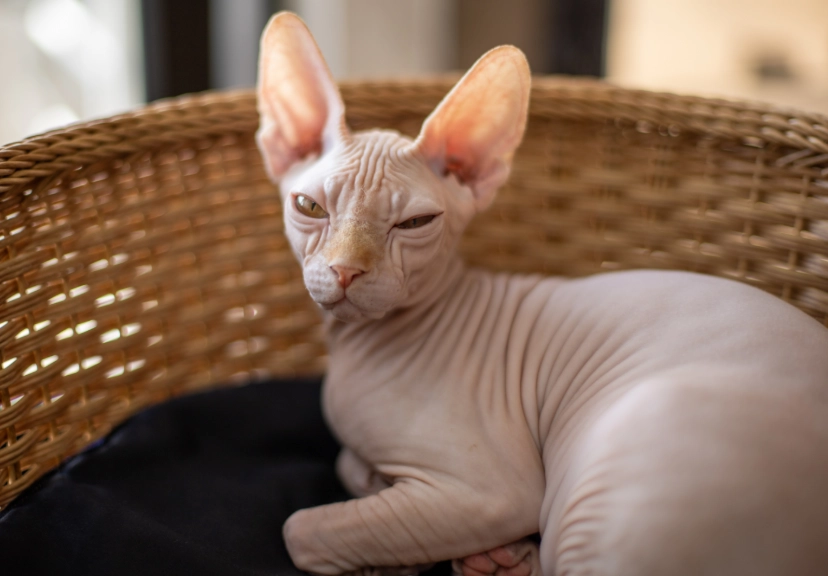
Pro Tip: Start a savings account specifically for your Sphynx. Put in $50-$100 monthly for future expenses. It reduces stress when bills pop up.
FAQ: Your Burning Questions Answered
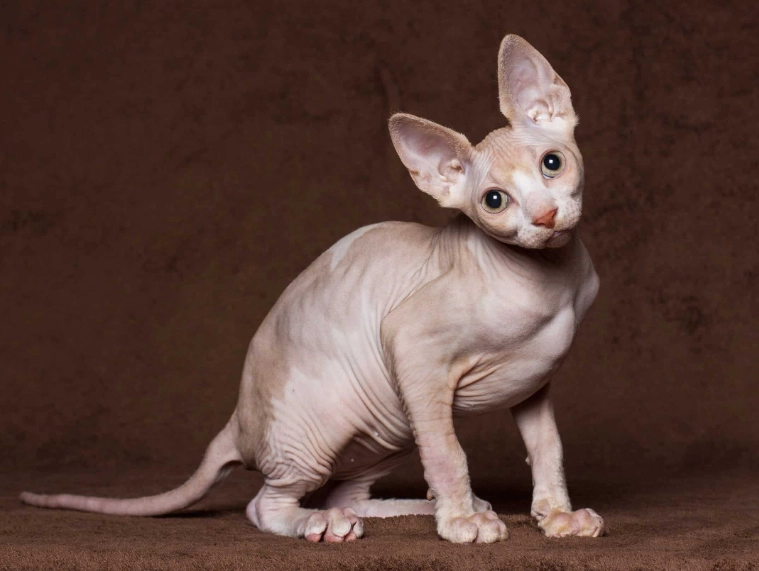 In the end, owning a Sphynx cat is a financial commitment, but it's also incredibly rewarding. If you budget wisely and choose a responsible source, you'll have a loyal companion for years. Don't let the costs scare you—just be prepared. Start saving now, do your research, and enjoy the journey with your hairless friend.