In This Guide
- Where Did Ragdoll Domestic Cats Come From? A Quick History
- The Ragdoll Look: More Than Just Blue Eyes and Fluff
- The Famous Ragdoll Personality: Myth vs. Reality
- Daily Life with a Ragdoll: Care, Grooming, and the Shedding Truth
- Health and Lifespan: What to Watch For
- The Real Cost of a Ragdoll Cat: Breaking Down the Numbers
- Finding Your Ragdoll: Breeder, Rescue, or Red Flag?
- Your Ragdoll Questions, Answered (FAQ)
- The Final Verdict: Is a Ragdoll Domestic Cat Your Perfect Match?
Let's be honest, you've probably seen those stunning photos online. A massive, fluffy cat with mesmerizing blue eyes, splayed out on its back in total relaxation, looking like a living teddy bear. That's the Ragdoll domestic cat in a nutshell, and it's easy to see why they've captured so many hearts. But behind that gorgeous, photogenic facade is a real animal with specific needs, a unique personality, and yes, a few quirks. I've spent years around cats of all breeds, and friends who own Ragdolls have given me an earful—the good, the bad, and the incredibly hairy.
This isn't just another fluffy list of breed traits. We're going to dig deep into what life is actually like with a Ragdoll domestic cat. From their almost dog-like devotion to the reality of grooming that magnificent coat, and from potential health screenings you must ask about to the true cost over their lifetime. By the end, you'll know if your home is the right place for one of these gentle giants.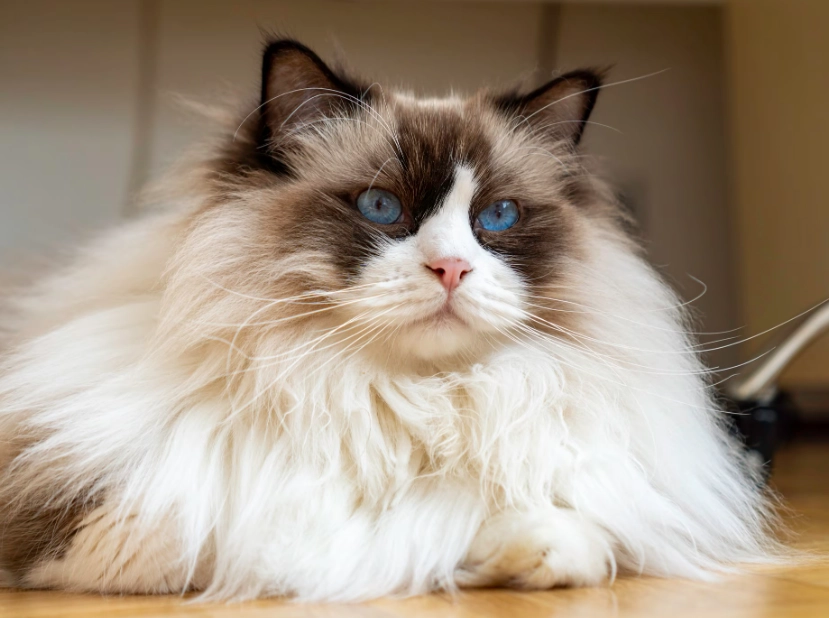
Key Takeaway Right Up Front: Ragdoll domestic cats are best known for their docile, affectionate temperament and tendency to go limp when held (hence the name). They are large, semi-longhaired cats that form strong bonds with their families but are not always the hyper-independent felines some people expect. They require committed grooming and are strictly indoor cats for their own safety.
Where Did Ragdoll Domestic Cats Come From? A Quick History
The story of the Ragdoll is relatively recent and, frankly, wrapped in a bit of folklore. The breed originated in California in the 1960s, credited to a woman named Ann Baker. The founding cat was a white domestic longhair named Josephine. The tales around the breed's origin—involving car accidents, secret government genes, and a unique pain tolerance—are widely dismissed as myth by modern cat associations. The more mundane, and likely more accurate, story is selective breeding for specific desirable traits: large size, pointed coloration, a placid nature, and that beautiful semi-long coat.
Major cat registries like the Cat Fanciers' Association (CFA) and The International Cat Association (TICA) now recognize the Ragdoll, with strict breed standards. Understanding this history is useful because it explains why reputable breeders focus so heavily on temperament and health—they're building on a specific, human-selected legacy, not just selling cute kittens.
So, what exactly does that selective breeding produce?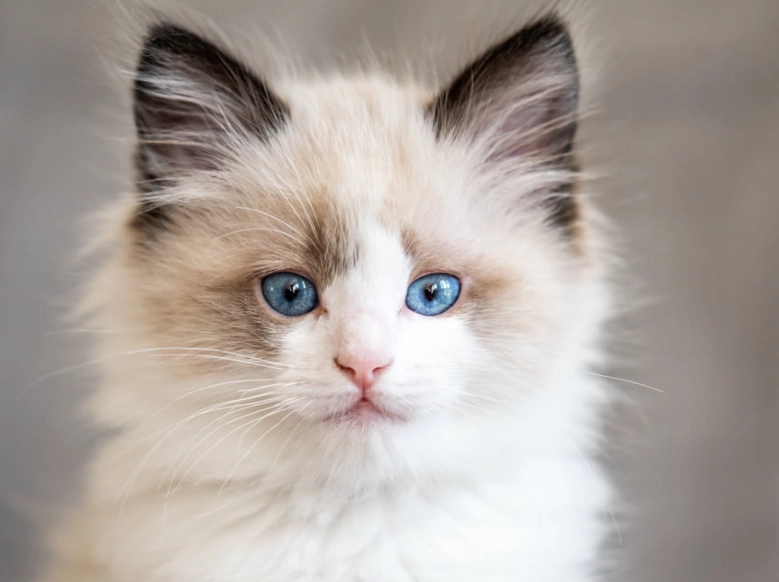
The Ragdoll Look: More Than Just Blue Eyes and Fluff
When you picture a Ragdoll domestic cat, you're likely thinking of the classic look. But there's a delightful variety within the breed standard.
First, the size. These are substantial cats. Males can easily weigh 15-20 pounds, with females typically ranging from 10-15 pounds. They are slow to mature, often not reaching their full size and coat glory until they are three or four years old. That kitten phase lasts a while!
The coat is semi-long, silky, and surprisingly less prone to matting than other longhaired breeds like Persians—but don't get it twisted, it still requires work. The most distinctive feature is their colorpoint pattern. This means their "points"—ears, face mask, legs, and tail—are a darker color than their lighter body. Their stunning blue eyes are a hallmark of the breed.
| Color | Point Color | Body Color | Notes |
|---|---|---|---|
| Seal | Dark brown, almost black | Pale cream to fawn | The most common and classic pattern. |
| Blue | Slate gray | Bluish-white | A softer, cooler look than seal. |
| Chocolate | Milk chocolate brown | Ivory | Warmer and lighter than seal points. |
| Lilac | Frosty gray with a pinkish tone | Magnolia white | The lightest and most subtle of the point colors. |
Beyond color, there are also patterns:
- Colorpoint: Just as described above—dark points, light body. No white.
- Mitted: Has the dark points, but adds white "mittens" on the front paws, white boots up the back legs, a white chin, and often a white belly stripe. It's like they're dressed in a tuxedo with socks.
- Bicolor: This is the classic, inverted "V" face pattern. They have a white chest, belly, and legs, and the dark color is restricted to the ears, tail, and a saddle on the back. The face has that distinctive white marking.
The combination of colors and patterns means no two Ragdoll domestic cats look exactly alike. It's part of the fun.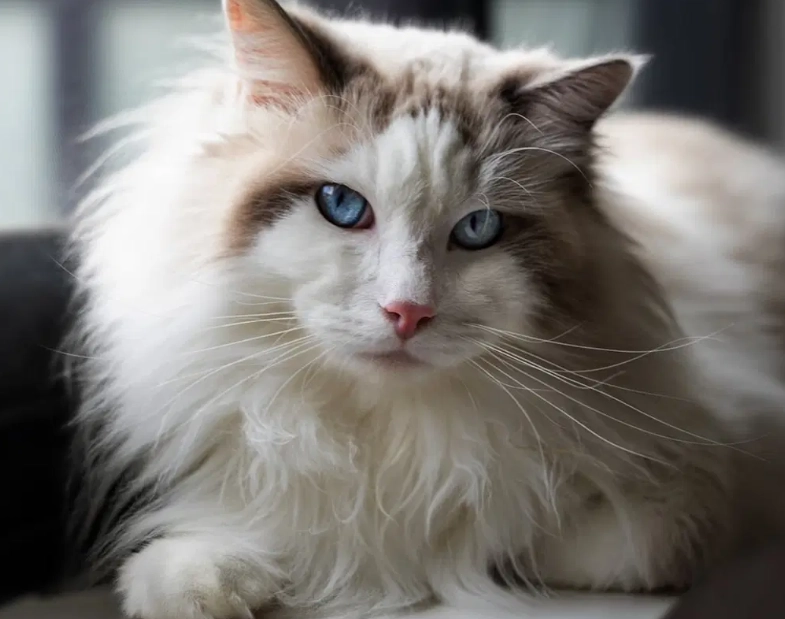
The Famous Ragdoll Personality: Myth vs. Reality
This is where the breed truly shines, and also where some misconceptions cause problems. The nickname "puppy-cat" is thrown around a lot for Ragdolls, and it's not far off.
That famous "ragdoll flop"—where they go completely limp and relaxed when you pick them up—is real for many of them. They tend to be less skittish and more tolerant of handling, noise, and activity than some other breeds, which makes them often (but not always) a good fit for families with gentle, respectful children. I say "not always" because any cat is an individual. The general trend, however, is toward sweetness.
But here's a crucial reality check: They are not devoid of personality or activity. They are not furry couch potatoes that just exist for decoration. They play, they have zoomies, they get curious. They are intelligent and can learn tricks (like fetching) more easily than many cats. They often enjoy a good puzzle toy. The key difference is their energy is usually less frantic and destructive than, say, a young Siamese or Bengal.
Another critical point: Their docile nature means they are NOT suited to being outdoor cats. They lack the street-smart aggression and fear response of many domestic mixes. Letting a Ragdoll outdoors unsupervised is a huge risk. They don't defend themselves well. Keeping them safely indoors is a non-negotiable part of responsible ownership.
They are also famously chatty, but not in a loud, demanding way. They tend to have soft, sweet voices and will often trill or meow quietly to greet you or comment on their day. It's more of a conversation than a demand.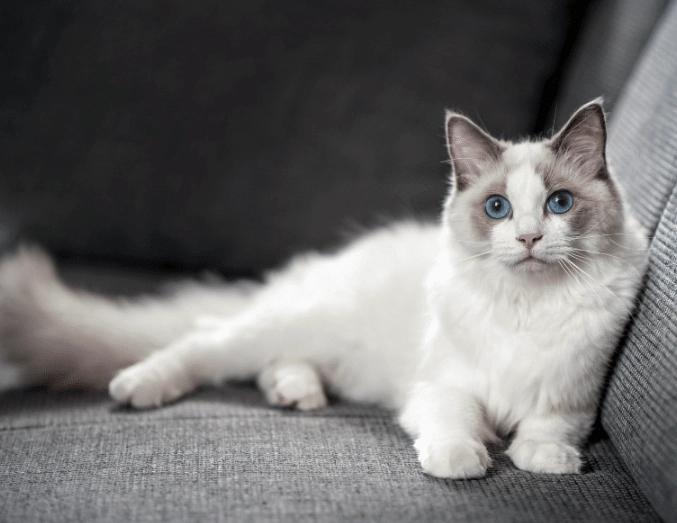
Weighing It Up: Ragdoll Personality Pros and Cons
The Good Stuff:
- Extremely affectionate and people-oriented: They form deep bonds and want to be involved in your life.
- Generally gentle and patient: Good potential for families (with supervision).
- Playful but not destructively hyper: Their play style is often softer and more engaging than chaotic.
- Adaptable to indoor life: They are content in a secure, enriching home environment.
The Potential Challenges:
- Can be clingy: Some may develop separation anxiety if left alone too long or too often. They are not the ideal pet for someone who travels constantly.
- Their trust can be a vulnerability: That sweet, trusting nature means they don't always recognize danger, reinforcing the indoor-only rule.
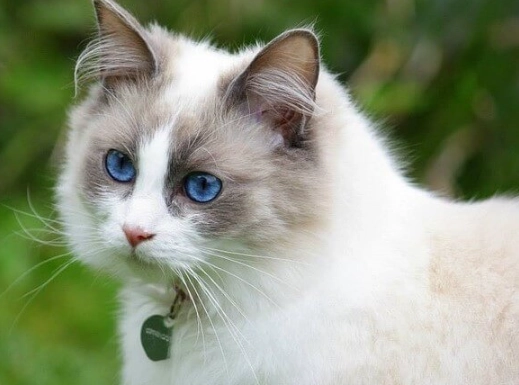
- Not all are "lap cats": While affectionate, some prefer to sit next to you rather than on you. Don't assume every Ragdoll will be a permanent lap fixture.
Daily Life with a Ragdoll: Care, Grooming, and the Shedding Truth
Okay, let's get practical. What does it actually take to care for one of these cats day-to-day?
Grooming: It's Not Optional
That beautiful coat is a commitment. While it's less prone to mats than some coats, it will still tangle, especially under the arms and around the britches (the fluffy fur on the hind legs). A good routine is essential.
- Brushing: You need to brush a Ragdoll domestic cat at least 2-3 times a week. During seasonal sheds (spring and fall), daily brushing might be necessary. Use a stainless steel comb and a slicker brush. The goal is to remove loose hair before it turns into mats or gets swallowed, causing hairballs.
- Bathing: It's not as crazy as it sounds. Many Ragdoll owners bathe their cats every 4-8 weeks. Their silky coat actually handles water well, and a bath can drastically reduce shedding and dander for weeks. Start them young so they get used to it.
- The Shedding: Let's not sugarcoat it. They shed. A lot. You will have fur on your clothes, your furniture, and probably in your coffee. It's fine, silky fur that seems to get everywhere. If you have a clinical aversion to pet hair, a Ragdoll is probably not for you. No amount of brushing will stop it completely.
Diet and Nutrition: Fueling a Big Cat
Ragdolls need high-quality food to support their large frames and maintain a healthy coat. Look for foods with real meat as the first ingredient. Be mindful of portion control—because they are laid-back, they can be prone to weight gain if free-fed. Measured meals are better than a bottomless bowl.
A common issue some Ragdoll owners report is a sensitive stomach. Some lines seem prone to digestive upset with certain ingredients (like too much grain or specific proteins). You may need to experiment to find a food that gives them firm stools and a healthy coat. My friend's Ragdoll went through three brands before they found one that didn't cause messy problems.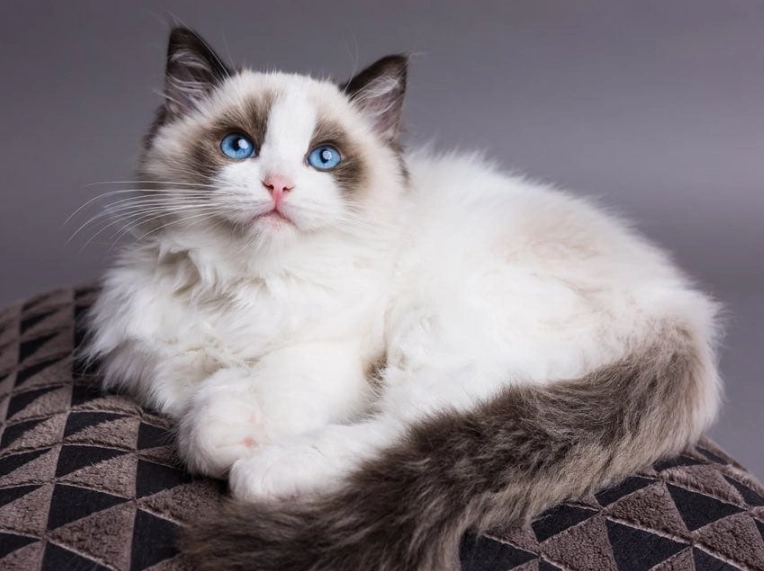
Litter Box Considerations
Big cat, big litter box. Seriously, get the largest, highest-sided box you can find. Some owners even use concrete mixing tubs from hardware stores. They need space to turn around comfortably. Because of their long fur, many owners also prefer dust-free, clumping litter to minimize tracking and sticking to their britches. Keeping the area around the box clean is also crucial to prevent litter from getting caught in their toe fluff.
A Quick Hygiene Tip: For long-haired cats like Ragdolls, sometimes fecal matter can get caught in the fur under the tail. This is lovingly referred to as "dingleberries." Keeping the fur in that area trimmed short (a "sanitary trim") can prevent this messy and unpleasant issue. It's a simple task for a groomer or a brave owner with blunt-nosed scissors.
Health and Lifespan: What to Watch For
A well-bred Ragdoll domestic cat from a responsible breeder who does health testing can live a long, healthy life of 12-17 years or more. However, like all purebred animals, there are some genetic predispositions to be aware of. This is where choosing the right breeder is absolutely critical.
| Health Condition | What It Is | How Reputable Breeders Mitigate Risk |
|---|---|---|
| Hypertrophic Cardiomyopathy (HCM) | A form of heart disease where the heart muscle thickens. It's the most common heart disease in cats. | Ethical breeders screen their breeding cats annually via echocardiograms (heart ultrasounds) performed by a veterinary cardiologist. They remove cats with HCM from their breeding programs. Always ask for proof of recent, clear HCM screens for both parents. |
| Polycystic Kidney Disease (PKD) | A hereditary condition where cysts form in the kidneys, eventually leading to failure. | While more common in Persians, Ragdolls can be affected. DNA tests are available. Good breeders test their cats and only breed those who are clear. |
| Feline Infectious Peritonitis (FIP) Susceptibility | Not a genetic disease per se, but some lines may have less robust immune responses to the common feline coronavirus, which can mutate into FIP. | This is harder to screen for, but reputable breeders maintain clean, low-stress catteries to minimize disease exposure and carefully manage their breeding stock's health history. |
| Bladder Stones/Crystals | Some Ragdolls may be prone to urinary issues. | Ensuring a diet that promotes urinary health and encouraging water intake (e.g., with water fountains) can help manage this risk. |
Resources like the Cornell Feline Health Center provide excellent, vet-reviewed information on these conditions. A good breeder will be transparent about the health history of their lines and the testing they perform.
Regular vet check-ups, a good diet, and keeping them indoors are the best things you can do to support a long, healthy life for your Ragdoll.
The Real Cost of a Ragdoll Cat: Breaking Down the Numbers
This is where dreams often meet reality. Ragdoll domestic cats are not cheap, and the initial purchase price is just the start. Let's talk numbers.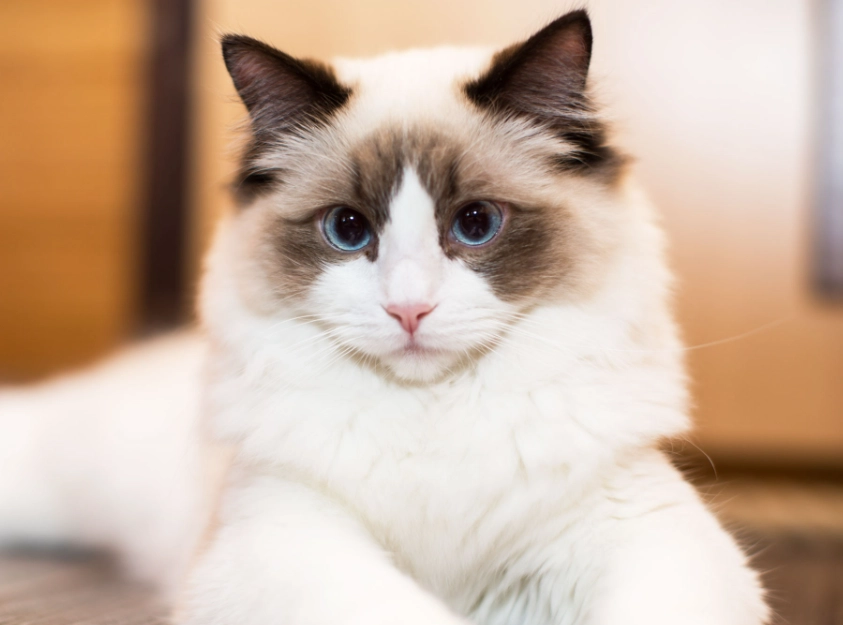
Upfront & Ongoing Costs
Initial Purchase (From a Reputable Breeder): $1,500 - $3,500+. Yes, you can find them for less, but a price significantly below $1,000 is a major red flag. It often means no health testing, poor living conditions, and a higher risk of behavioral or medical problems. This is a living creature, not a bargain-bin item. The price reflects the breeder's investment in health testing, quality food, vet care for the queen and kittens, and proper socialization.
Initial Setup (First Year): Easily $500 - $1,000. This includes:
- Large cat tree (they need sturdy, large perches)
- Premium carrier
- Food and water bowls (stainless steel or ceramic are best)
- Litter box, litter, scoop
- Scratching posts (multiple, in various textures)
- Toys, brushes, nail clippers
- Initial vet visits, vaccines, spay/neuter, microchip
Annual Ongoing Costs: Budget at least $800 - $1,500 per year.
- High-quality food: $40 - $80/month
- Cat litter: $20 - $40/month
- Routine vet care (check-ups, preventatives): $300 - $500/year
- Pet insurance OR a dedicated emergency fund: $300 - $600/year. I cannot stress this enough. Pet insurance for a purebred cat is a very wise investment, or you must have several thousand dollars in savings specifically for pet emergencies.
- Grooming supplies/trips: Variable.
Finding Your Ragdoll: Breeder, Rescue, or Red Flag?
This is the most important decision you'll make.
The Gold Standard: Reputable Breeders
A good breeder's goal is to better the breed, not make a quick buck. Here’s what to look for:
- Health Testing Proof: They willingly show you OFA (Orthopedic Foundation for Animals) certificates for HCM echocardiograms and DNA test results for PKD and other relevant conditions for the parent cats.
- Focus on Temperament: They raise kittens underfoot in their home (not in a barn or isolated cage), socializing them with various sounds, people, and gentle handling.
- Knowledge & Questions: They interview you as thoroughly as you interview them. They want to know about your home, lifestyle, and plans to ensure their kitten is a good fit.
- Contract: They provide a detailed contract that includes a health guarantee, a requirement to spay/neuter unless sold for breeding (to an approved home), and a clause requiring you to return the cat to them if you can no longer keep it, for any reason, at any point in its life.
- Registration: Kittens are registered with CFA or TICA.
- No Early Release: Kittens do not go home before 12-16 weeks of age. This allows for crucial socialization and learning from their mother and littermates.
Consider Adoption or Rescue
Yes, you can find purebred Ragdoll domestic cats in rescue! Organizations like Ragdoll Rescue USA specialize in rehoming this breed. Adult cats in rescue are often already vetted, spayed/neutered, and their personalities are fully known. Adopting an adult means you skip the crazy kitten phase and give a wonderful cat a second chance. It's also significantly less expensive. Don't overlook this option.
Major Red Flags (Walk Away!)
- Multiple litters always available, multiple breeds. This is a kitten mill or backyard breeder.
- No health testing documentation. Excuses like "the vet said they're healthy" or "we've never had problems" are unacceptable.
- Pressure to pay online without meeting. Never send money for a kitten you haven't met (or seen via live video) and a breeder you haven't thoroughly vetted.
- Kittens available before 12 weeks. This is a sign of prioritizing profit over the kitten's development.
- Meeting in a parking lot. You should be invited to see where the cats live.
Your Ragdoll Questions, Answered (FAQ)
Are Ragdoll domestic cats really hypoallergenic?
No. No cat is truly hypoallergenic. The allergen (Fel d 1 protein) is in cat saliva and skin oils, not just the fur. Because Ragdolls groom themselves, the allergen gets on their fur and then into the environment when they shed. Their long fur can also trap more dander. While some allergic people react less to certain individuals, there is no guarantee. If you have severe allergies, spend extensive time with an adult Ragdoll before committing.
Do Ragdolls get along with other pets?
Generally, yes. Their easygoing nature often extends to other cats and even cat-friendly dogs. Proper, slow introductions are still key. Their non-confrontational style means they can be bullied by a more aggressive pet, so pair them with similarly gentle companions.
Are male or female Ragdolls better?
This is more about individual personality than sex. Some say males are more overtly affectionate and "goofier," while females can be a bit more reserved and selective. But I've met incredibly sweet females and aloof males. Focus on the individual kitten's or cat's personality during your meeting, not its gender.
How can I stop my Ragdoll from shedding so much?
You can't stop it, you can only manage it. Consistent, frequent brushing is the number one tool. A high-quality diet rich in Omega fatty acids can promote skin and coat health, potentially reducing excessive shedding. Regular baths (as they tolerate) can wash away a huge amount of loose fur all at once. Invest in a good robot vacuum and lint rollers—they will become your best friends.
Why is my Ragdoll not floppy or cuddly?
The "ragdoll" flop and extreme cuddliness are breed tendencies, not guarantees. Every cat is an individual shaped by genetics and early socialization. Some are more independent. Also, a cat that doesn't go limp when held isn't defective—it just has a different level of trust or a different personality. Affection can be shown in many ways: following you, sleeping near you, soft blinking.
The Final Verdict: Is a Ragdoll Domestic Cat Your Perfect Match?
So, after all that, who is the ideal Ragdoll owner?
You might be a great match if: You want a deeply affectionate, interactive companion who will be part of your daily life. You work from home or have a schedule that doesn't leave the cat alone for 10+ hours daily. You are committed to regular grooming and don't mind some fur around the house. You understand and can afford the costs, including potential health issues. You provide a safe, indoor-only environment with plenty of vertical space (cat trees) and mental stimulation.
You should probably reconsider if: You want a completely low-maintenance, independent cat that you can ignore for long periods. You are fastidiously clean and cannot tolerate pet hair on your belongings. You have a tight budget that cannot accommodate unexpected vet bills. You believe cats should roam outdoors freely. You are looking for a "bargain" purebred.
Ragdoll domestic cats are incredible companions. Their gentle souls and beautiful presence can bring immense joy to the right home. But they are a commitment—of time, money, and care. Do your homework, choose your source ethically, and be prepared for a wonderful, fluffy, and loving journey.
They really are.