Quick Guide
So you're thinking about a tuxedo cat, or maybe you already live with one of these dapper little fellows. That perfect black-and-white coat makes them look like they're ready for a gala event at all times. It's impossible not to anthropomorphize them. You look at that face and think, "This cat must be sophisticated. This cat must have a plan." I've lost count of the memes and posts claiming tuxedo cats are the "gentlemen" of the cat world, inherently smarter, more polite, or somehow more dog-like in their loyalty. But is any of that actually true, or are we just projecting onto a pretty coat pattern?
Let's get one thing straight right from the start. A cat's fur color and pattern are determined by genetics, specifically genes that control pigment production and distribution. That's it. There's no scientific gene for "suave" or "clownish" that's linked to the piebald (white spotting) gene that creates the tuxedo pattern. The International Cat Association (TICA) and other major feline registries categorize cats by breed, not by color pattern, for a reason. Personality is a vastly more complex cocktail of genetics (breed ancestry), early life experiences, socialization, and individual quirks.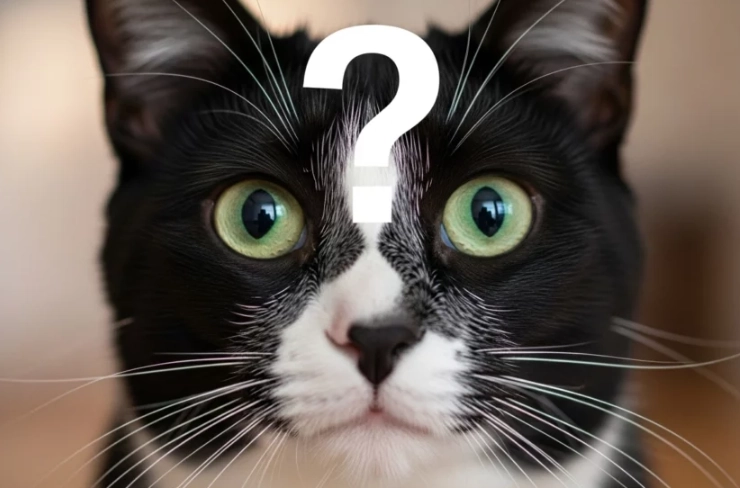
The Big Myth to Bust: There is no peer-reviewed, conclusive scientific evidence that coat color directly dictates personality traits in domestic cats. Studies on this topic, like those occasionally referenced from the University of California, Davis, often note correlations (e.g., tortoiseshells being more "feisty") but consistently emphasize that these are weak associations with massive individual variation. They don't prove causation. Assuming your tuxedo will act a certain way because of his coat is like assuming a person in a black suit is automatically a good accountant.
But here's where it gets interesting. If the science says no, why do so many tuxedo cat owners swear by a distinct tuxedo cat personality? Why do forums, Reddit threads, and Facebook groups overflow with eerily similar stories? As someone who has fostered dozens of cats and talked to hundreds of owners, I think the answer lies in a combination of confirmation bias (we see what we expect to see) and a fascinating, self-reinforcing cultural narrative. The "tuxedo cat personality" has become a legend, and legends have a way of shaping perception. But let's dig beneath the legend and talk about what people actually experience.
Deconstructing the Classic Tuxedo Cat Personality Traits
Forget what you've heard for a moment. Let's look at the traits most commonly ascribed to tuxies by the people who live with them. I've compiled these from countless owner testimonials, breeder anecdotes (though most tuxies are non-pedigree domestic shorthairs), and my own observations. It's a portrait painted by lived experience, not lab results.
| Common Trait | Description | Possible Cause |
|---|---|---|
| Talkativeness | Vocalization: meowing, chirping, trilling to communicate needs, greet people, or comment on activities. | Individual preference; possibly reinforced by owner response. |
| Clownish & Playful | A propensity for silly antics, zoomies, and playful behavior that persists into adulthood. | High energy levels, individual temperament. |
| Social & Affectionate | Often described as "velcro cats" who follow owners, enjoy lap time, and seek physical contact. | Confident temperament; good early socialization. |
| Intelligent & Problem-Solving | Quick to learn tricks, open doors, figure out puzzle feeders, and observe human routines. | High curiosity and motivation (often food-driven). |
| Confident & Adaptable | Tends to adjust well to new environments, people, and changes in routine. | Genetic boldness; non-pedigree "hybrid vigor." |
Looking at this table, it's a pretty fantastic resume for a pet cat, right? Who wouldn't want a smart, friendly, playful companion? But let's be honest—this describes a huge number of wonderful cats of all colors. The cultural narrative around the tuxedo cat personality essentially describes a well-socialized, confident, and outgoing domestic cat. The stereotype isn't negative; it's just potentially misleading. It leads people to expect a certain kind of cat from a coat pattern, which isn't how cat personalities work.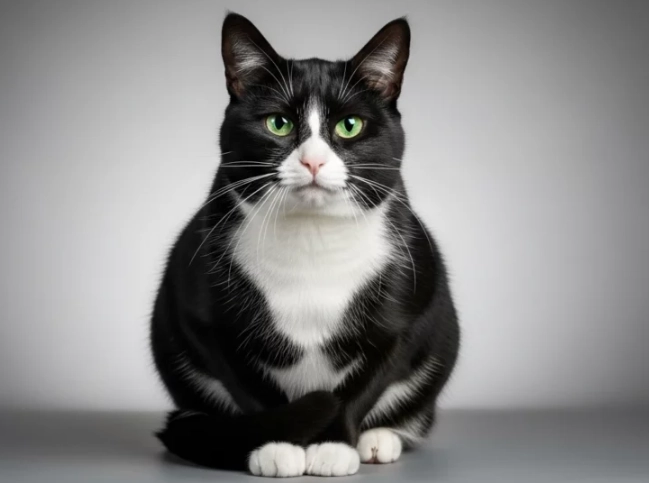
Owner Insight: Many veterinarians and animal behaviorists, like those contributing to resources from the American Society for the Prevention of Cruelty to Animals (ASPCA), caution that expecting specific behaviors based on color can set up both the owner and the cat for disappointment. The best predictor of a cat's adult personality is its behavior as a kitten and the environment in which it was raised.
I remember a friend who adopted a tuxedo kitten specifically because she wanted a "smart, talkative cat." Mr. Boots turned out to be the strong, silent type—a cat who would quietly move into a room, then silently judge you. He was affectionate on his own terms, but meowed maybe once a week. She was initially disappointed because her expectations, built on the pervasive tuxedo cat personality myth, weren't met. Mr. Boots was just... Mr. Boots. A perfect cat, but not the chatty stereotype.
What Really Shapes a Cat's Personality?
If the tuxedo pattern isn't the script, what is? Let's talk about the real directors of your cat's behavioral play.
1. The Genetic Foundation: It's About Breed, Not Color
While the tuxedo pattern itself isn't a personality gene, the underlying breed ancestry matters tremendously. A tuxedo-patterned Maine Coon will likely have the gentle giant, dog-like traits of that breed. A tuxedo Siamese mix will almost certainly inherit the legendary vocal chops and demanding nature of its Siamese ancestry. Most tuxedo cats you meet are Domestic Shorthairs (DSH)—the wonderful mutts of the cat world. This mixed heritage often results in what's called "hybrid vigor"—robust health and a wide spectrum of potential temperaments. You can't pigeonhole a DSH based on its coat.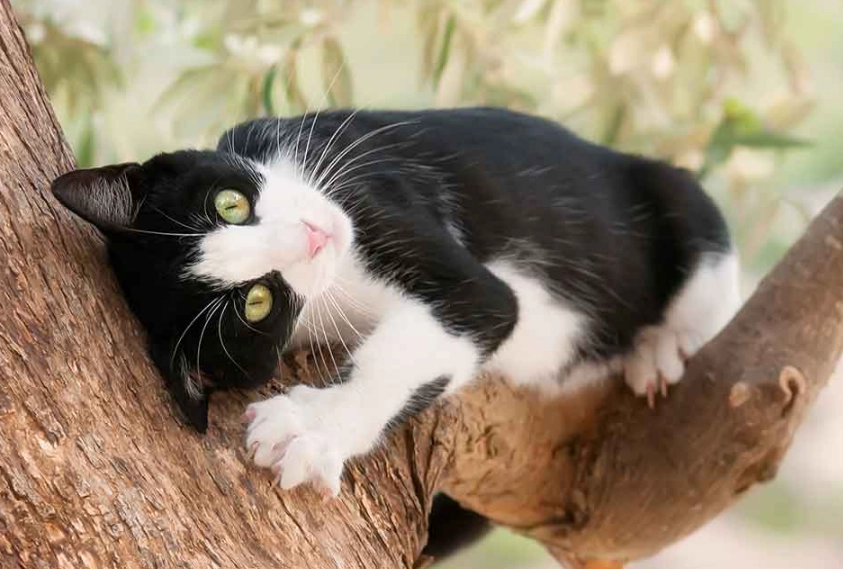
2. The Kittenhood Crucible: Early Socialization
This is the single biggest environmental factor. Kittens handled gently and positively by multiple humans between 2 and 7 weeks of age are far more likely to grow into confident, friendly adults. A tuxedo kitten raised in a busy, loving home with kids and other pets will likely be social. One raised in a barn with minimal human contact will likely be feral or very shy, regardless of its elegant coat. Organizations like The International Cat Association emphasize the critical importance of this socialization window for breeders.
It's that simple, and that complex.
3. Individual Quirks: The X-Factor
Just like people, cats are individuals. Some are natural-born comedians. Some are serene observers. Some are nervous Nellies. Some are fearless explorers. Two littermates, both tuxedo-patterned, can have diametrically opposed personalities. One might be a cuddly lap cat, the other an aloof but playful independent spirit. This individuality is what makes living with cats so rewarding and frustrating. You can't order a personality from a catalog based on color.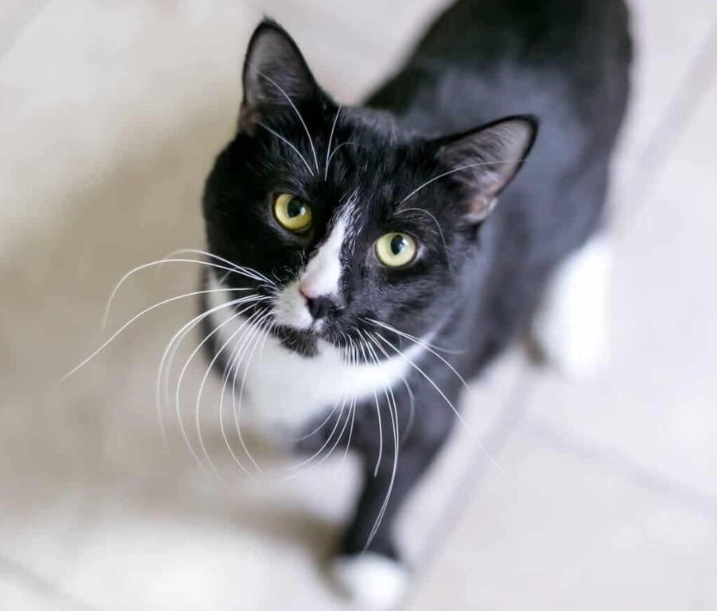
Answering Your Burning Tuxedo Cat Questions
This is the big one. There's no evidence they have higher "general intelligence." However, many owners report their tuxies are highly motivated and curious, which looks like intelligence. A cat that really wants the treat in the puzzle will work harder to get it. A cat fascinated by how a door latch works will keep pawing at it until it opens. This motivation, combined with their often-outgoing nature, makes them seem like quick learners. But I've met incredibly clever ginger cats and tortoiseshells who could run circles around some tuxies.
They can be, but it's not guaranteed. Their reputation for being social butterflies likely stems from two things: first, many tuxedo cats are outgoing and confident, which makes them more approachable. A confident cat is more likely to seek out affection and interaction. Second, confirmation bias plays a role here—people expect a friendly cat, so they interpret normal cat behavior as extra-friendly. A tuxedo cat that follows you around might be seen as "loyal," while another cat doing the same might just be seen as "curious."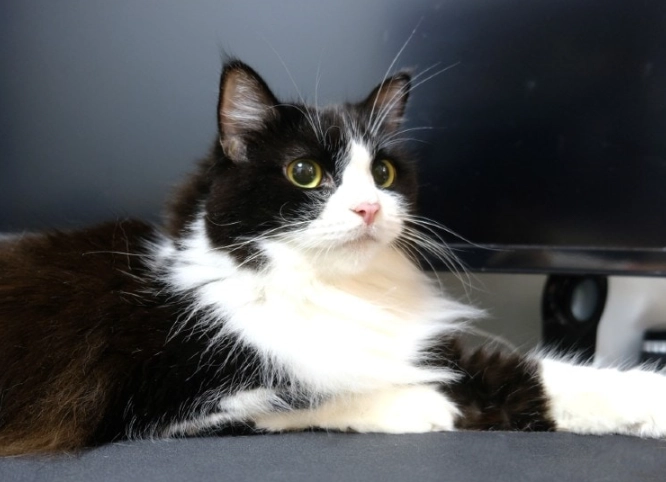
Ah, the chatterboxes! This is a very commonly reported trait. While not all tuxies are talkative, a significant number seem to be. The cause is unknown—it could be a coincidence, or it could be that the same genetic factors that influence coat pattern (piebald/white spotting genes) have some loose, complex linkage with neural crest cells that might influence vocalization tendencies. It's a weak correlation at best. More likely, talkative tuxedo cats get noticed more because it fits the "personable" stereotype, and owners then encourage the behavior by responding.
"Cattitude" usually means a sassy, confident, sometimes demanding demeanor. And yes, many tuxedo cat owners report this. It fits the profile of a confident, intelligent, social cat. They know what they want (often food or attention) and aren't shy about telling you. This isn't aggression; it's just a strong personality. If you prefer a more placid, easygoing cat, a tuxedo might not be your best bet.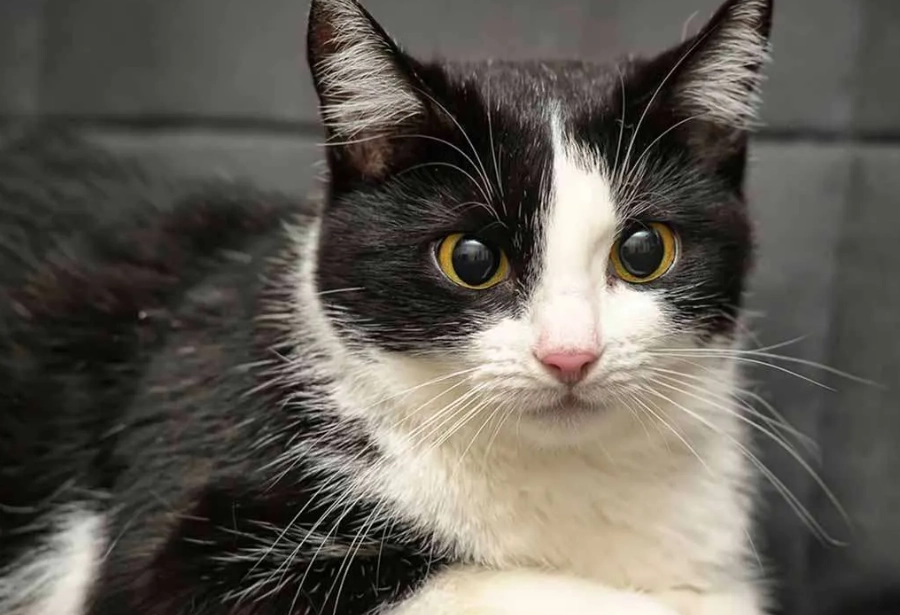
My Personal Take: After years of fostering, the most talkative cat I ever had was a solid black cat named Shadow. He'd have full-blown conversations. The quietest was a tuxedo named Domino who communicated with blinks and head-butts. Anecdotes are just that—anecdotes. Don't get a tuxedo expecting a non-stop commentator unless you meet the specific cat first.
The Tuxedo Cat in Pop Culture
Part of the reason the tuxedo cat personality myth persists is because of its portrayal in media. Think about it: Sylvester from Looney Tunes (constantly scheming and talking to himself), the cat from "The Aristocats" (smooth and musical), even "Cat" in "The Last Unicorn" (mysterious and witty). These fictional depictions reinforce the idea of the tuxedo as a clever, charismatic character. It's a powerful narrative that shapes our real-world expectations.
What You Should REALLY Look For in a Tuxedo Cat
If you have your heart set on a tuxedo cat, that's wonderful! They are beautiful animals. But instead of focusing on the coat, focus on finding a cat whose individual personality matches your lifestyle.
- For families with kids: Look for a cat that is confident, playful, and doesn't mind being handled. Ask the shelter staff about the cat's behavior around children.
- For first-time cat owners: A friendly, adaptable, and not-too-shy cat is ideal. Avoid extremely timid or fearful cats, as they require more experienced handling.
- For people wanting a lap cat: Spend time in the adoption room. Does the cat come to you? Does it enjoy being petted? That's a better sign than its color.
- For multi-pet households: Inquire about the cat's history with other animals. A cat that has been fostered with dogs or other cats is more likely to adjust.
Remember, the tuxedo cat personality you've read about is an amalgamation of the best traits of many individual cats. Your future tuxedo may embody some of these traits, or it may not. The important thing is to love it for the unique individual it is.
The Bottom Line
So, are tuxedo cats smarter, friendlier, or more talkative? The collective answer from owners is a resounding "maybe, sometimes, but not always." The tuxedo cat personality is largely a construct—a delightful stereotype born from observation, pop culture, and a bit of wishful thinking. There's no magic in the black-and-white fur. A cat's personality is a product of its genetics, upbringing, and individual spirit.
Ultimately, whether you're drawn to their dapper looks or charmed by the legend of their unique character, a tuxedo cat can be a fantastic companion. Just be sure to choose the cat, not the coat pattern. Open your heart to the individual in front of you, and you'll be rewarded with a purring, loyal friend who defies any stereotype.