Quick Navigation
You're scrolling online, maybe looking at cat pictures (who isn't?), and you keep seeing these beautiful, striped cats. Classic tabbies. They're everywhere. And the question pops into your head: is a tabby cat a good house cat? It's a simple question, but the answer isn't just a yes or no. It's a whole story about personality, care, and fit. I've lived with cats my whole life, and my current boss is a feisty orange tabby named Marmalade. Let me tell you, he runs the place. But is he a "good" house cat? For me, absolutely. For someone else? Maybe not. Let's dig into what makes a tabby tick.
First thing first, we gotta clear up a huge misunderstanding. "Tabby" isn't a breed. Nope. It's a coat pattern. You can find the tabby pattern in almost every cat breed out there, from the common Domestic Shorthair to fancy Maine Coons. The pattern comes from a specific gene, the agouti gene, which creates that gorgeous banding on each hair. So when you ask if a tabby cat is a good house pet, you're really asking about the personality of cats that happen to have this coat. And from my experience and what experts say, there are some common threads.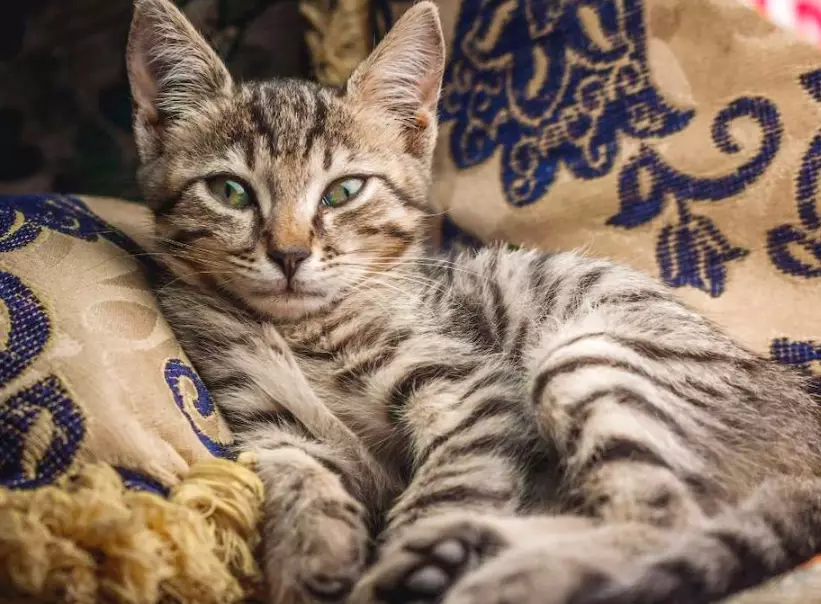
What Exactly is a Tabby Pattern?
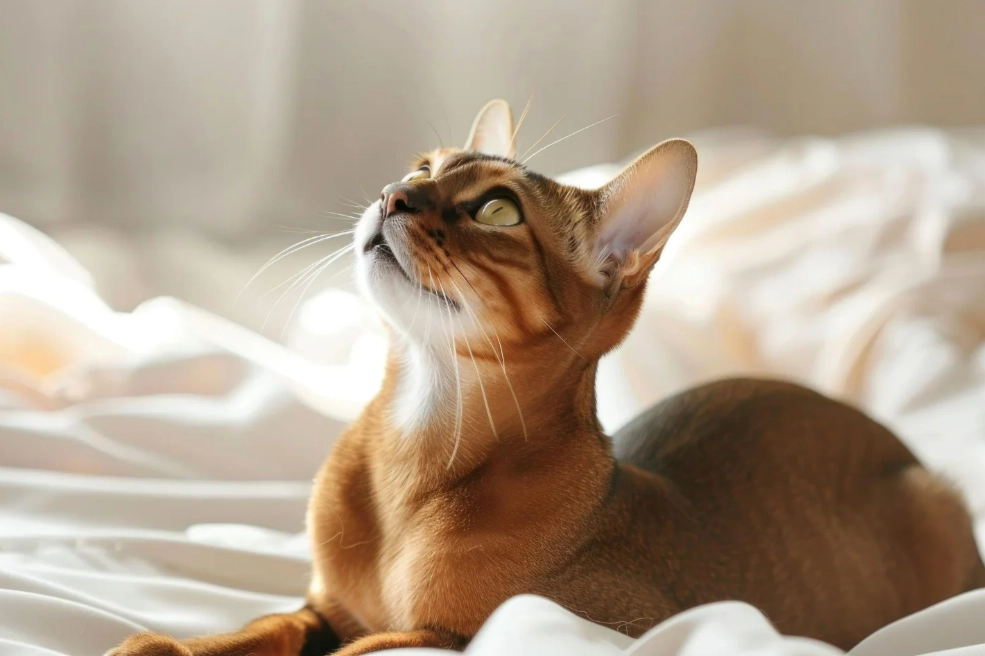
There are four main types of tabby patterns: classic (swirls like a marble cake), mackerel (narrow stripes like a fish skeleton), spotted, and ticked (like an Abyssinian). The color can be brown, grey, orange, or even cream. This variety means you're never just getting one type of cat. Personality can vary a bit with these types too, in my observation. Mackerel tabbies seem more active sometimes, while the classic swirl ones can be laid-back couch potatoes. But that's just a trend, not a rule.
The Tabby Cat Personality: What's It Really Like to Live With One?
This is the heart of the matter. Is a tabby cat a good house cat? It hinges entirely on their personality matching your life. Based on countless owner stories, vet opinions, and my own time with Marmalade, here's the lowdown.
Most tabbies are known for being incredibly social and affectionate. They're not always aloof. Marmalade greets me at the door, follows me from room to room, and has to be in the middle of whatever I'm doing. It's endearing, mostly. But if you want a cat that ignores you, a tabby might be too much. They often form strong bonds with their humans. They're also famously playful and intelligent. A bored tabby is a tabby getting into trouble. They need interaction, puzzles, toys that move. I learned that the hard way when Marmalade figured out how to open the kitchen cabinet where his treats were.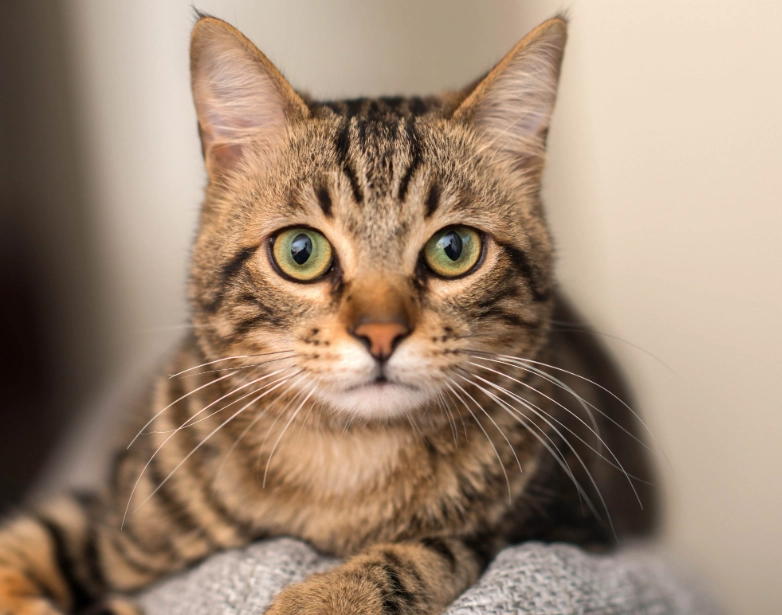
They also tend to be vocal. Not necessarily loud like a Siamese, but communicative. Chirps, trills, meows to tell you about their day. It's a conversation. Some people love this, some find it annoying. I find it hilarious when Marmalade yells at me because his dinner is 2 minutes late.
The Good, The Bad, The Realistic: A Quick Rundown
- Pros: Affectionate and loyal, highly intelligent and trainable (yes, you can teach them tricks!), generally good with children and other pets if socialized early, adaptable to various living situations (apartments included), and their playful nature keeps things fun.
- Cons: Can be demanding of attention, their intelligence leads to mischief if bored, some can be stubborn (that tabby 'tude is real), and their high energy level might not suit a very sedentary household.
Are tabby cats good pets for first-time owners? Honestly, yes, but with a caveat. Their friendly nature makes them forgiving, but their need for engagement means a first-time owner needs to be committed to playtime and enrichment. Don't just get a cat and ignore it.
Health and Care: Are Tabbies Hard to Look After?
Since "tabby" isn't a breed, their health is tied to their actual breed or mixed-breed background. Generally, the common Domestic Shorthair tabby is a robust, healthy animal. They're the product of natural selection, often. But there are no guarantees.
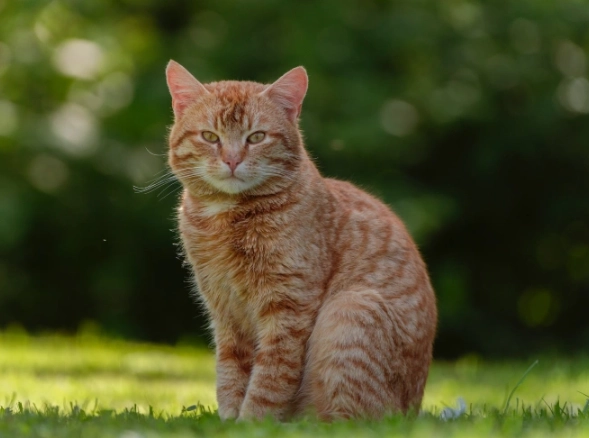
One thing to watch with orange tabbies (like Marmalade) is their weight. I'm not sure why, but every vet I've talked to says orange tabby males have a reputation for loving their food a bit too much. Keeping them at a healthy weight is crucial to avoid diabetes and joint issues. Regular play is non-negotiable in our house.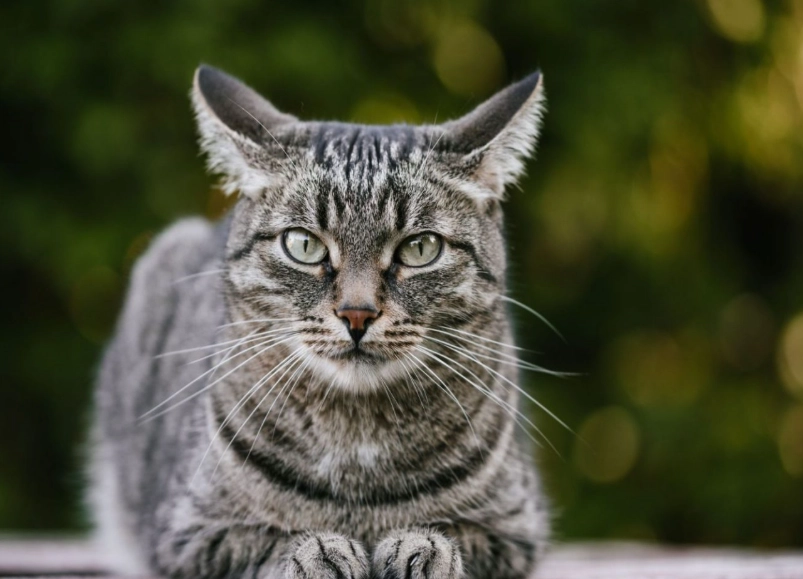
Grooming is usually easy for shorthaired tabbies. A weekly brush is plenty to reduce shedding and hairballs. Longhaired tabbies, of course, need daily brushing. Their care isn't particularly special compared to other cats. You need to provide:
- High-quality food (wet food is great for hydration).
- Fresh water always (a fountain can encourage drinking).
- Clean litter boxes (the rule is one per cat, plus one extra).
- Annual vet check-ups and vaccinations.
- Lots of scratching posts and vertical space (they love to climb).
For reliable, science-backed information on general cat care, I always double-check with resources like the Cornell Feline Health Center. It's a fantastic, authoritative site run by veterinarians.
Tabby Cats and Families: The Perfect Match?
This is a big one. Is a tabby cat a good house cat for a family with kids? From what I've seen, often yes. Their playful and tolerant nature can make them great companions for respectful children. The key word is respectful. No cat likes its tail pulled. Early socialization for both the cat and the kids is everything.
My friend has a classic brown tabby who is unflappable. Her toddlers crawl around him, and he just purrs. But I've also met tabbies who are shy and would hide from chaos. It depends on the individual cat's early experiences. Reputable shelters often know which cats are family-friendly. Organizations like the ASPCA have great guides on introducing cats to children.
With other pets, tabbies often do well, especially if introduced slowly. Their social streak can help. Marmalade was skeptical of our new dog at first, but within a week, they were sleeping on the same couch (at opposite ends, but still).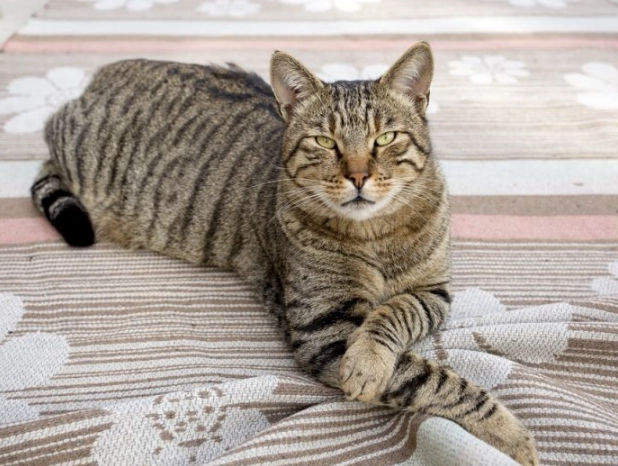
Myth Buster: "All Tabbies Are the Same."
This is the biggest mistake people make. Assuming a grey mackerel tabby and an orange classic tabby will act the same. Coat color and pattern might have some loose correlations with personality (studies and anecdotes suggest orange cats are often more gregarious), but it's not a hard rule. The individual cat's history, genetics, and how you raise it matter far more. So, is a tabby cat a good pet? You have to meet the actual cat.
Making Your Decision: Is a Tabby Right for YOU?
Okay, so let's get practical. How do you decide? Ask yourself these questions:
- How much time do you have? A tabby will want your attention. If you work 12-hour days and travel every weekend, a more independent cat might be better.
- What's your home environment like? Loud and busy? Quiet and calm? A confident tabby can adapt to both, but a shy one might struggle with noise.
- What are you looking for in a pet? A cuddle bug? A playful entertainer? A quiet observer? Many tabbies can be the first two, rarely the last.
I always recommend visiting a local animal shelter. Spend time in the cat room. Don't just look for the prettiest tabby; see who comes up to you. Who rubs on your hand. That connection is worth more than any breed or pattern guide.
And please, consider adopting an adult cat. Kittens are cute, but adults have established personalities. You'll know exactly what you're getting—whether it's a lap-loving tabby or an adventurous one. Shelters are full of amazing adult tabbies asking, "Is a tabby cat a good house cat for you? Let me show you!"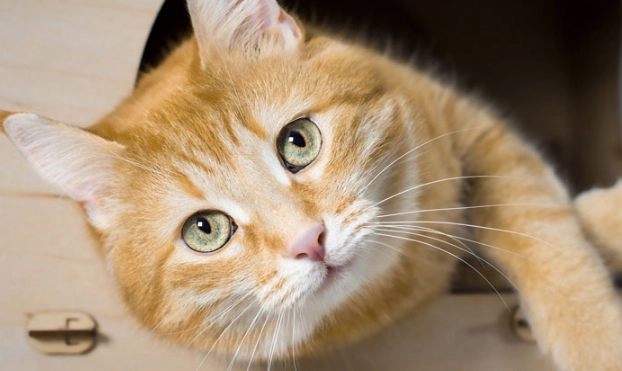
Your Tabby Cat Questions, Answered
The Final Verdict: My Take on Tabby Cats as House Pets
Look, after years of living with cats and talking to other owners, I can confidently say that a tabby cat makes a fantastic house cat for the right person. They are engaging, loving, and full of character. They turn a house into a home with their antics and companionship. The question "is a tabby cat a good house cat" usually leads to a resounding yes from their owners.
But they're not a zero-maintenance decoration. They have needs. They get bored. They might knock a cup off the table just to see what happens (Marmalade, I'm looking at you).
If you provide love, play, and proper care, a tabby cat will repay you tenfold in loyalty and entertainment. They're not just good house cats; they can be the heart of the home.