You see a cat with splashes of orange and black. Is it a calico or a tortoiseshell? Most people guess wrong. I've been volunteering at cat shelters for over a decade, and even seasoned staff sometimes mix them up. The truth is, the difference isn't just about looks—it's a fascinating lesson in feline genetics, and it explains a lot about their legendary personalities. Let's clear this up once and for all.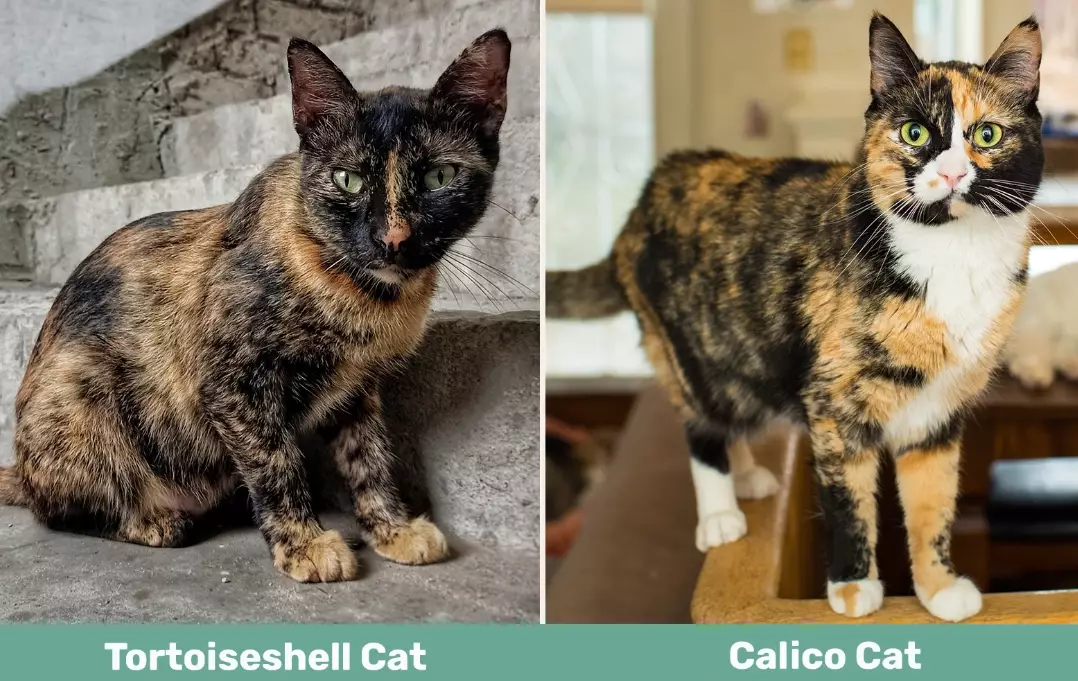
Quick Navigation: What You'll Learn
The Visual Breakdown: White is the Key
Forget everything you think you know for a second. Here's the simplest rule: Look for the white.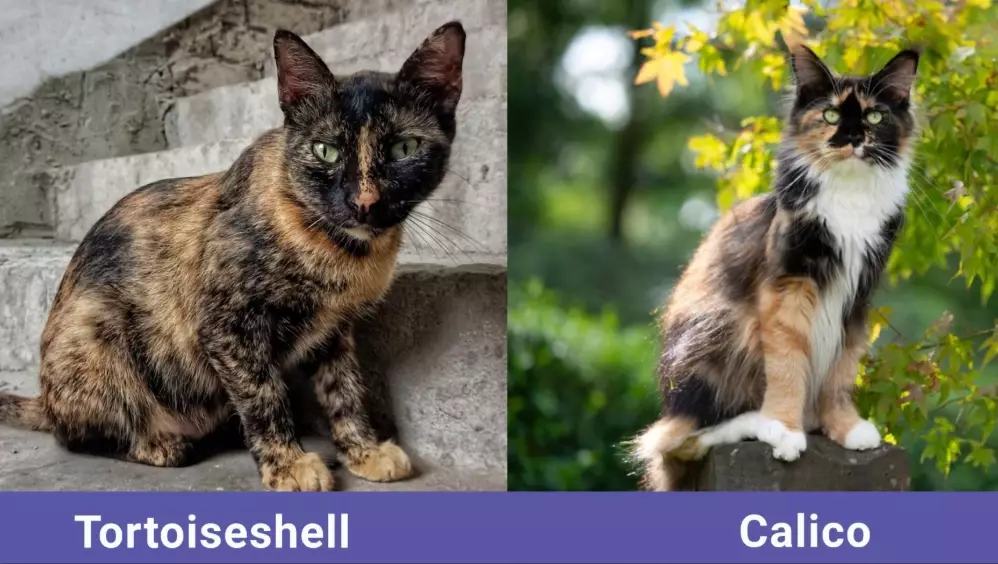
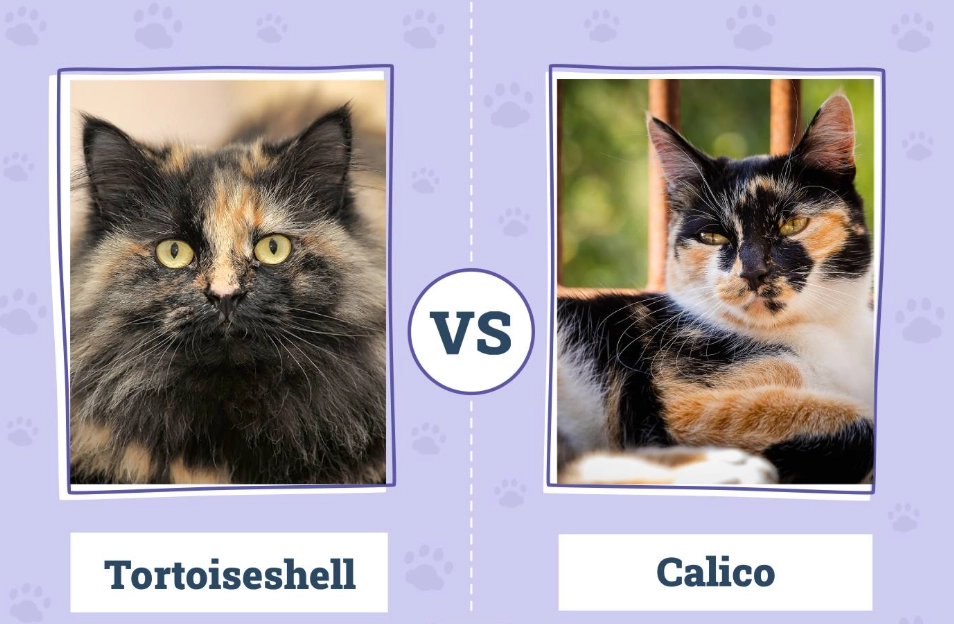
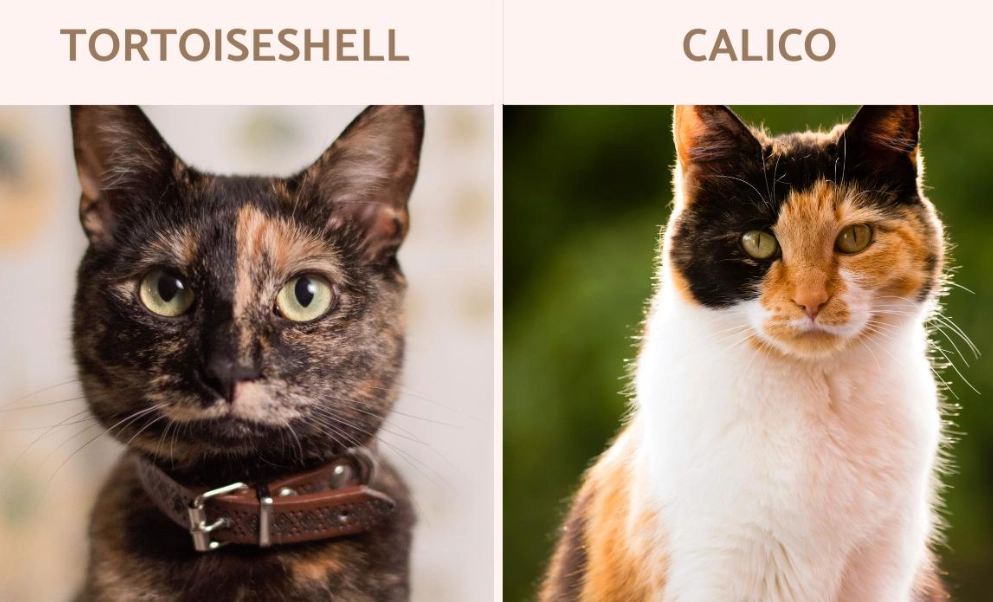
If the cat has large, distinct patches of white fur creating separate islands of orange and black (or their dilute forms, cream and blue), you're looking at a Calico. The name comes from "calico cloth," a type of printed cotton with bright patches. Think of a calico cat's coat like a patchwork quilt—defined, blocky sections.
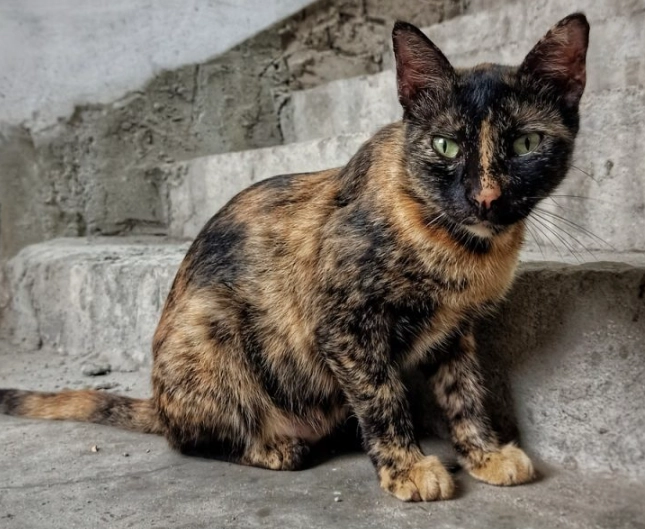
Now, if the cat has little to no white, and the black and orange fur is swirled, brindled, or marbled together like a painter's messy palette, that's a Tortoiseshell (affectionately called a "Tortie"). The name comes from the mottled shell of a tortoise. The colors are blended, not separated.
Pro Tip: Can't see much white? Get down to the cat's level. Check the belly and paws. A true tortie often has minimal white, maybe just a few hairs on the chest or toes. A calico will have obvious white socks, a white bib, or a white belly.
| Feature | Calico Cat | Tortoiseshell Cat |
|---|---|---|
| Primary Pattern | Tri-color patches (white, black, orange) | Bi-color brindle/marble (black & orange) |
| White Fur | Abundant, forms distinct patches | Little to none |
| Color Distribution | Colors appear in separate, solid blocks | Colors are intricately mixed and swirled |
| Common Nicknames | "Tricolor," "Patchwork" cat | "Tortie," "Chimera" (for the look) |
The Genetics Explained (It's Not Rocket Science)
This is where it gets cool. The orange and black colors are controlled by a gene on the X chromosome. Females have two X chromosomes (XX). If one X carries the instruction for orange fur and the other for black, you get the patchwork. During embryonic development, one X gets randomly "switched off" in each cell cluster (a process called X-inactivation). Cells with the active "orange" X make orange fur. Cells with the active "black" X make black fur. Voilà—a mosaic cat is born.
The white in calicos comes from a completely separate gene, the white spotting gene. This gene dictates how much white appears on the cat. A lot of white spotting + the orange/black combo = calico. Little to no white spotting + the orange/black combo = tortoiseshell.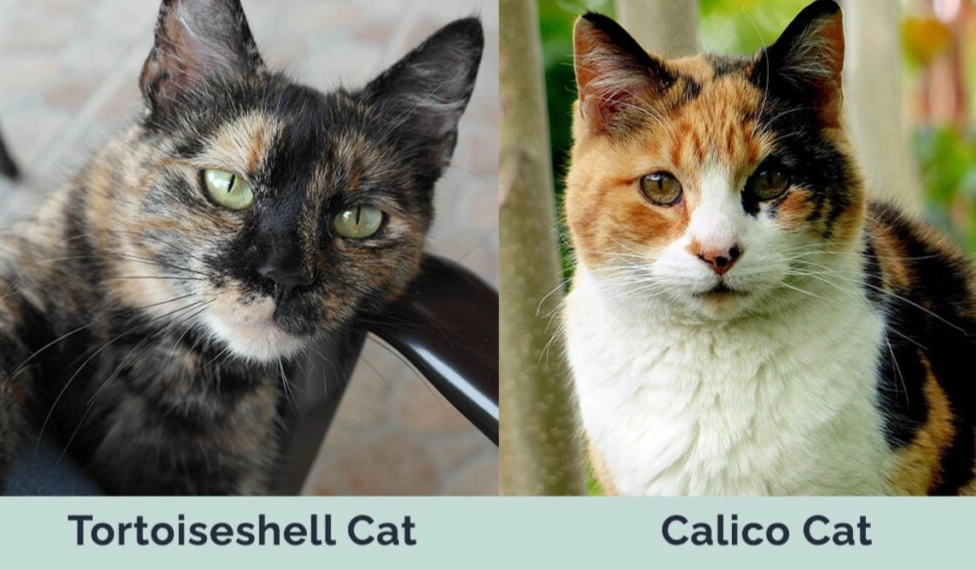
The "Almost Always Female" Rule (And the Rare Exception)
Because a male cat is XY, he usually only has one X chromosome. He can be orange OR black, but not both. That's why 99.9% of calico and tortoiseshell cats are female.
But what about that famous male calico? He exists, but he's a genetic anomaly—about 1 in 3,000. He typically has an extra chromosome (XXY), a condition similar to Klinefelter syndrome in humans. These males are almost always sterile and can have associated health issues. Finding one is like finding a four-leaf clover in the cat world.
Personality Myths and the "Tortitude" Reality
Now, let's talk about the elephant in the room: personality. Science hasn't proven a direct link between coat color and personality. But ask any vet, shelter worker, or owner of multiple cats, and they'll tell you—"Tortitude" is a thing.
It's described as a cat with a sassy, strong-willed, fiercely independent, and sometimes unpredictably moody demeanor. Torties are often "one-person cats," forming an intensely loyal bond with a single human while tolerating others. I fostered a tortie named Ember who would demand cuddles at 3 AM but would hiss if you looked at her wrong at 3 PM. She ran the household.
Do calicos have it? They can, but the stereotype is less consistently applied to them. Some believe the larger white areas might correlate with a slightly more balanced temperament, but that's purely anecdotal. My take? The feistiness comes from the same genetic mosaic that creates their coat. If every cell in their body is literally a battle between two different genetic instructions, maybe a little attitude is understandable.
Rare Exceptions and Special Cases
The world of cat coats isn't black and white (or orange and black). Here are the fascinating edge cases that confuse everyone:
- Dilute Calicos & Torties: Instead of vibrant orange and black, they have soft cream and blue-gray (dilute) fur. The patterns are the same, just pastel.
- "Torticos" or "Calibys": The hybrid. This cat shows both patterns—areas of brindled tortoiseshell right next to distinct patches of white and solid color. It happens when the white spotting gene is present but not dominant enough to create full calico patches. This is the cat that makes people argue.
- Tabby Influences: A "torbie" is a tortoiseshell with tabby stripes on the colored patches. It's a stunning, complex pattern.
Caring for Calicos and Torties: Any Difference?
In terms of basic care—food, litter, vet visits—no. A calico doesn't need a different diet than a tortie. However, understanding their potential for "tortitude" can help with behavioral management.
These cats often need patient, consistent socialization. They may not be the best fit for a chaotic household with young children or lots of other pets. They thrive on routine and clear communication. Don't force affection; let them come to you. Provide plenty of high perches and hiding spots so they can control their environment.
One health note: Because the vast majority are female, they are susceptible to health issues common to all female cats, like mammary cancer. Spaying is crucial, not just for population control, but it drastically reduces this cancer risk if done before their first heat, as noted in studies referenced by organizations like the ASPCA.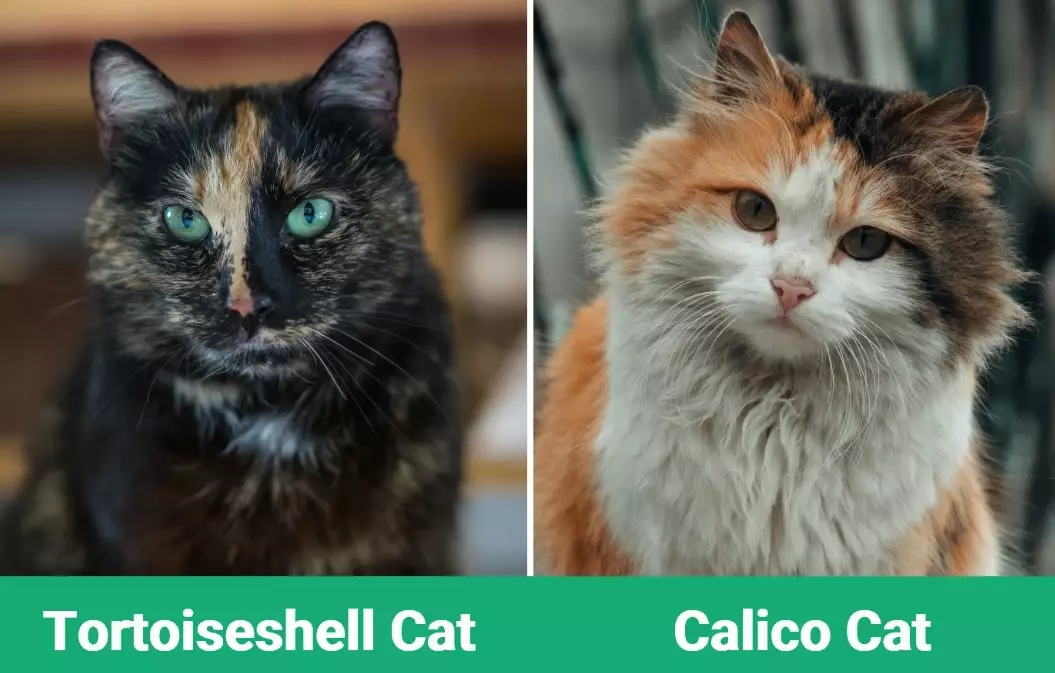
What is the main visual difference between a calico and a tortoiseshell cat?
The key visual difference is the presence of large, distinct white patches. Calico cats have a tri-color pattern of white, black, and orange (or their dilute forms: cream and blue) where the colors appear in separate, solid blocks. Tortoiseshell cats ("torties") have a brindled or marbled mix of black and orange (or blue and cream) with little to no white. If a cat has significant white areas creating "patches," it's a calico; if the colors are swirled together like a painter's palette, it's a tortie.
Are all calico and tortoiseshell cats female?
Virtually all are female, but there are rare exceptions. The genes for orange and black fur are carried on the X chromosome. Females (XX) can inherit one X for black and one for orange, resulting in the patchwork. Males (XY) usually only have one X, so they are either orange OR black, not both. A rare male calico/tortie (about 1 in 3,000) exists due to a genetic anomaly like Klinefelter syndrome (XXY), but these males are almost always sterile and may have health issues.
Do calico and tortoiseshell cats have different personalities?
While not scientifically breed-specific, a strong anecdotal trend exists for "tortitude" – a sassy, strong-willed, and fiercely independent personality often attributed to tortoiseshells. Calicos might share this, but the stereotype is less intense. In my experience fostering, torties often form a deep bond with one person and can be unpredictably moody. Personality is more influenced by individual cat, upbringing, and socialization than coat color alone, but many owners swear the "tortitude" is real.
Can a cat be both calico and tortoiseshell?
Yes, and this is where it gets interesting. The terms describe coat patterns, not mutually exclusive categories. A "tortico" or "caliby" is a cat that shows both patterns: areas of brindled tortoiseshell blending seamlessly into distinct patches of solid white and color. This happens when the white spotting gene is present but doesn't cover large enough areas to create a classic calico look. Recognizing these blends is a sign you're moving beyond basic definitions.
 So, the next time you see a beautifully mottled cat, you'll know exactly what you're looking at. It's more than just colors—it's a story written in genes, a tale of X chromosomes and random chance, resulting in some of the most uniquely patterned and personality-packed felines on the planet.