In This Guide
- Where Did This Cat Come From? Origins and History
- What Does a Peterbald Actually Look Like? Breed Standards
- Living with a Peter Bald Cat: Personality and Temperament
- The Real Deal: Peterbald Cat Care and Maintenance
- Potential Health Issues to Know About
- Is a Peterbald the Right Cat for You? The Honest Checklist
- Finding a Peterbald: Breeder vs. Rescue
- Peterbald Cat FAQ: Your Quick Questions Answered
So you're thinking about a Peter Bald cat? Let's be real, the first time you see one, it's a bit of a shock. No fur? Wrinkly skin? They look like little aliens from a sci-fi movie, but in the best way possible. I remember visiting a breeder years ago, and this warm, completely bald creature just climbed into my lap and started purring like a motorboat. I was hooked. But here's the thing – a Peterbald (that's the official breed name) isn't just a Sphynx with a different passport. They're their own unique, wonderful, and sometimes demanding little beings.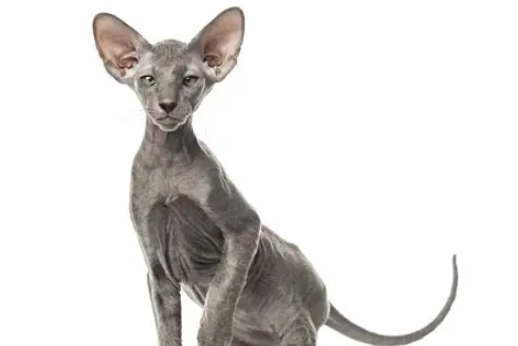
This guide isn't a dry list of facts. It's the chat I wish I'd had before bringing my first Peterbald home. We'll talk about what it's really like to live with them, the good, the bad, and the oily. Because yes, there's some oil involved. If you're searching for info on the Peter Bald cat, you probably have a ton of questions. Are they high maintenance? (Yes). Are they affectionate? (Extremely). Do they get cold? (You have no idea). Let's dive in and get you the real story.
Where Did This Cat Come From? Origins and History
This breed has a pretty cool backstory. It all started in St. Petersburg, Russia, in 1994 (see, not that long ago!). A feline fancier named Olga S. Mironova decided to cross a Don Sphynx (another Russian hairless breed) with an Oriental Shorthair. The goal? To blend the hairless gene with the long, graceful lines and huge ears of the Oriental.
And it worked. The result was the Peterbald – a cat that's like a ballet dancer: sleek, elongated, and poised. The breed was officially recognized by The International Cat Association (TICA) in 1997, and they've been turning heads ever since. It's funny, sometimes people assume all hairless cats are the same, but the Peterbald's lineage gives it a distinct look and temperament separate from the more cobby, sturdy Sphynx. You can read more about their official breed standard on the TICA website, which is a great resource for purebred cat info.
That Oriental Shorthair influence is key. It's not just about looks; it baked in that breed's chatty, social, and velcro-like personality. So when you get a Peterbald, you're getting a double dose of "need-to-be-with-you."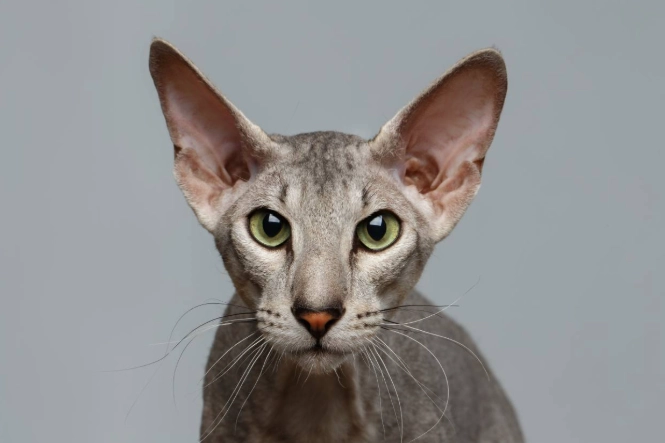
What Does a Peterbald Actually Look Like? Breed Standards
Forget everything you know about fluffy cats. The Peterbald is all about lines and angles.
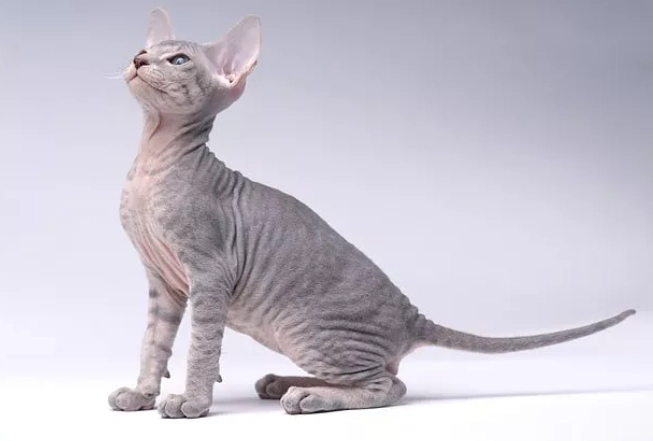
First, the body. They're medium-sized but feel lighter than they look because of their fine bones. They have a tubular, muscular body (like a runner, not a weightlifter) and long, slender legs. Their paws are oval with long, nimble toes – I swear mine can open cupboard doors with them. The tail is like a whip, long and thin, and they often carry it with a slight curve.
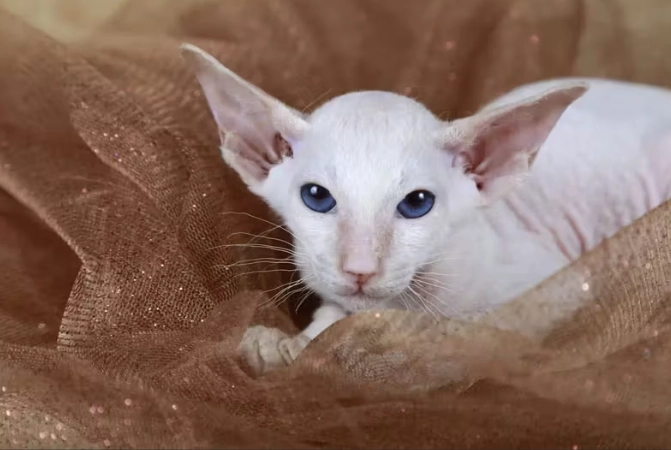
The head is a modified wedge shape, with a straight profile and no nose break. But the real showstoppers are the ears. They are enormous. Set wide apart, they look like satellite dishes, always swiveling to catch every sound. Their eyes are almond-shaped, slanted, and full of intelligent curiosity. The color isn't tied to coat color, so you can get some stunning green or blue-eyed bald cats.
The Skin (Not Coat) Situation
This is where it gets interesting. Not all Peterbald cats are created equal when it comes to hairlessness. They're born with five possible coat types, and it can be a bit of a lottery. Understanding this is crucial because it affects their care needs.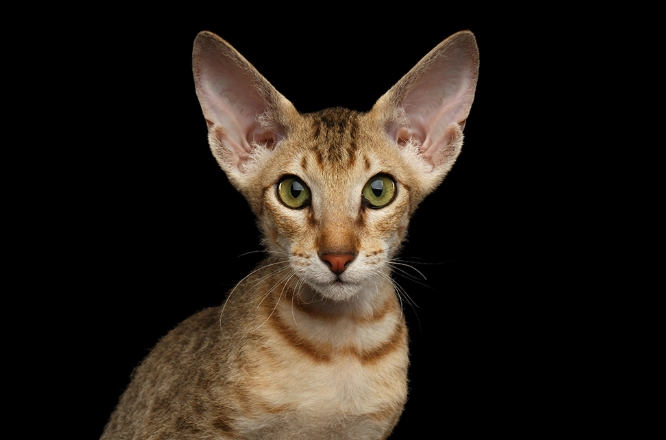
| Coat Type | Description | Feel & Care Notes |
|---|---|---|
| Bald (Ultra Bald) | Completely hairless. Often have wrinkled skin, especially on the head and shoulders. | Feels like warm suede or a hot peach. Requires the most frequent bathing (weekly) as skin oils have nowhere to go. |
| Chamois | Extremely short, almost invisible hair. Feels like the leather of the same name. | Very soft, velvety feel. May still need regular bathing, but slightly less than Bald types. Oils are less noticeable. |
| Velour | Short, soft hair about 1-5 mm long. May thin or disappear on the back as the cat ages. | The "easiest" for maintenance. Feels like plush velvet. Often requires less frequent bathing, sometimes just wiping down. |
| Brush | Wiry, curly, or wavy coat that can be patchy. May shed significantly over time. | Can feel coarse. These cats may end up losing much of their coat, transitioning to a balder type. A bit of a wild card. |
| Straight Coat | A normal, short coat. These cats carry the hairless gene but express a coated phenotype. | Look and feel like a typical shorthair. They are used in breeding programs but are not shown as Peterbalds in the championship class. |
My first Peterbald was a Chamois type. She left a slight oily residue on dark clothes if she sat on me for hours, but it was manageable. My friend has a Brush coat that now, at age 5, is mostly bald on its back. It's a fascinating genetic trait.
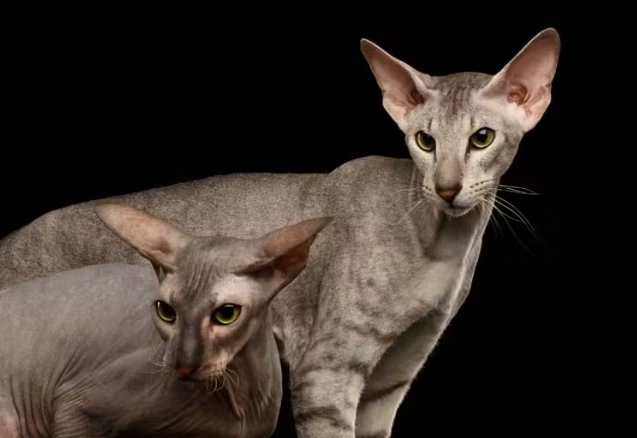 The skin itself can be any color or pattern you'd find on a furry cat – solid, tabby, tortoiseshell, pointed. It's all in the pigment.
Living with a Peter Bald Cat: Personality and Temperament
If you want an independent, aloof cat that ignores you, stop reading now. The Peterbald personality is the polar opposite. These cats are profoundly social, dog-like in their devotion, and incredibly intelligent. They form intense bonds with their people, often choosing one favorite person to shadow relentlessly.
They follow you from room to room. They want to be involved in everything – cooking, working on the computer, watching TV. Mine insists on sitting between me and my laptop, often with a paw on the keyboard. It's endearing, but honestly, it can be a bit much if you need personal space. They are not a decor pet; they are a participant.
They are also chatterboxes. That Oriental Shorthair voice is strong in them. They don't just meow; they trill, chirp, and have full conversations with you. You ask, "Are you hungry?" and you'll get a detailed response. It's one of my favorite things about them, but if you love a quiet house, take note.
They tend to get along wonderfully with other pets, including dogs, because they see them as part of their social circle. They usually do great with respectful children, too, thanks to their tolerant and playful nature. But their lack of fur means they can be more susceptible to scratches, so supervision with young kids is wise.
Here's a personal take: their need for warmth makes them the ultimate cuddlers. On a cold night, there is no better heated blanket than a Peter Bald cat curled up on your chest, purring away. That level of physical affection is unmatched in the feline world, in my opinion.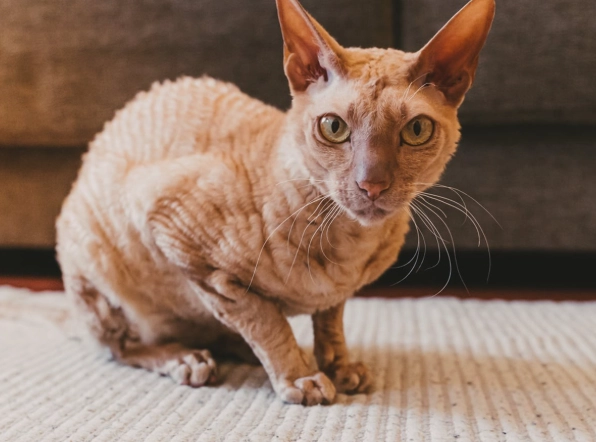
The Real Deal: Peterbald Cat Care and Maintenance
This is the section that separates the dreamers from the committed owners. Caring for a Peter Bald cat is a hands-on job. It's not overly difficult, but it is non-negotiable and must become part of your routine.
Skin and Bathing Routine
This is the big one. Their skin produces oils (sebum) just like ours does. On a furry cat, that oil gets distributed through the fur. On a bald Peterbald, it just sits on the skin. If you don't manage it, it can build up, feel greasy, cause blackheads (comedones), and even lead to skin infections.
You'll need to bathe a bald or chamois Peterbald about once a week. Velour types might get by every 10-14 days. Use a gentle, hypoallergenic cat shampoo or one specifically for sensitive skin. Baby shampoo is a common recommendation, but some vets say its pH isn't ideal for cats. I've had good luck with oatmeal-based shampoos. The key is to be gentle, rinse thoroughly, and dry them COMPLETELY with a warm towel immediately after. They get cold so fast.
Between baths, you can use unscented baby wipes or pet wipes to wipe them down every couple of days. Pay attention to wrinkles – dirt and oil can collect there. Their nails also need regular cleaning, as gunk builds up in the nail sheaths without fur to wick it away.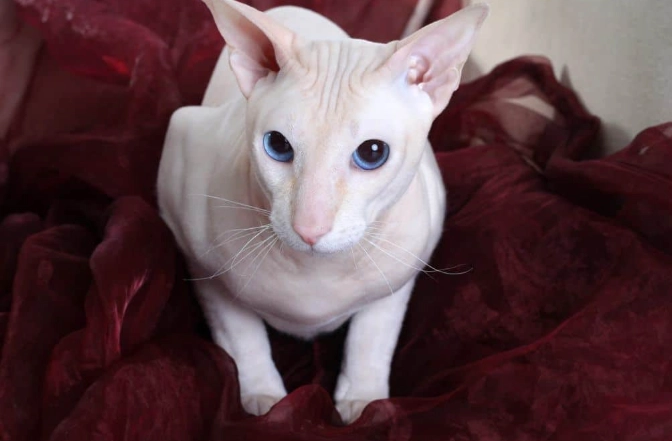
Sun Protection and Clothing
They have no fur to protect them from the sun. A Peterbald can get sunburned just like you can. They must be indoor-only cats. If they have access to a sunny window, consider applying pet-safe sunscreen to their ears and back, especially if they are pink-skinned. Yes, that's a real thing you have to buy.
Which brings us to sweaters. It's not just a cute Instagram trend; it's a necessity in cooler climates. Even indoors, if your house is below 70°F (21°C), your Peterbald will likely seek out heat sources or shiver. A soft, cotton or breathable knit sweater provides a layer of insulation. My cat has a whole drawer of them and seems to genuinely like putting them on when it's chilly. Just make sure they fit well – not too tight around the armpits or neck.
Diet and Nutrition
Here's something a lot of sites don't mention: Peterbalds often have fast metabolisms. To maintain their body heat, they burn calories quickly. Many owners find they need to feed a high-quality, calorie-dense diet. Look for foods with real meat as the first ingredient and a good fat content for energy.
Because they are so active and intelligent, puzzle feeders or timed feeders that offer small meals throughout the day can be better than one or two big meals. It keeps them engaged and prevents scarf-and-barf. Always ensure fresh water is available; some Peterbalds prefer water fountains.
In my experience, a few Peterbalds can have sensitive stomachs. Introduce any new food slowly, over 7-10 days. If you notice soft stools or vomiting, the diet might need adjusting. A chat with your vet about the best nutritional plan is always money well spent.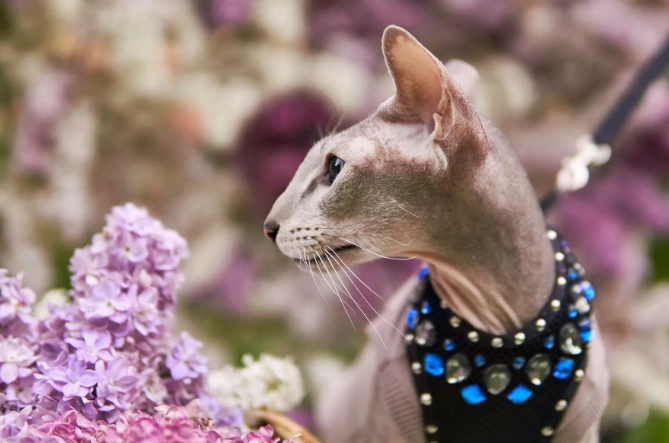
Potential Health Issues to Know About
Every purebred cat has its predispositions, and the Peterbald is no exception. Being informed helps you be a proactive owner.
- Hypertrophic Cardiomyopathy (HCM): This is a serious heart condition where the heart muscle thickens. It's found in many cat breeds, including the Oriental Shorthair, so Peterbalds are considered at risk. Responsible breeders screen their breeding cats for HCM via annual echocardiograms. You should ask a breeder for proof of recent, clear cardiac scans for the parents. Once you have your cat, regular vet check-ups that include listening to the heart are vital. The Cornell Feline Health Center has excellent, vet-approved information on this disease.
- Skin Conditions: We've covered the oil and acne. They can also be prone to yeast infections if their skin folds aren't kept clean, and they can get dry, flaky skin if over-bathed or in dry air. A humidifier in winter can help.
- Dental Issues: Some lines of Peterbalds can be prone to gingivitis and periodontal disease. Regular teeth brushing (yes, really) and annual dental check-ups are important.
- Temperature Sensitivity: This isn't a disease, but it's a major health consideration. They cannot regulate their temperature like a furry cat. They are prone to hypothermia if cold and heatstroke if too hot. Your home environment needs to be stable.
Finding a vet who is familiar with or at least curious about hairless breeds is a huge plus. They'll understand the unique skin and temperature needs right off the bat.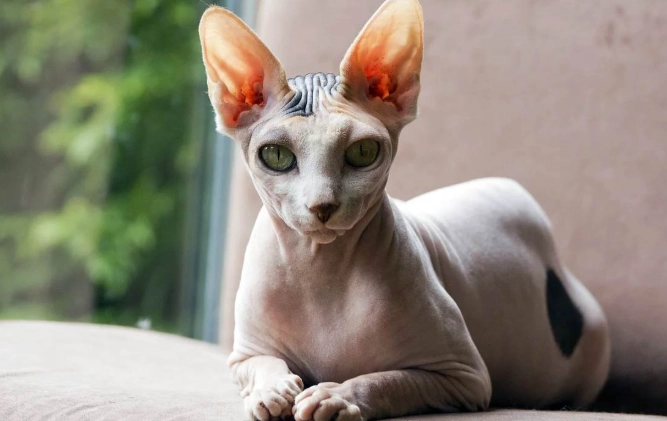
Is a Peterbald the Right Cat for You? The Honest Checklist
Let's cut to the chase. Don't get a Peterbald just because they look cool. Get one because their personality fits your life.
You might be a great fit if you:
- Want a constant, affectionate companion.
- Are home a fair amount or can provide a feline companion for them.
- Don't mind (or enjoy!) a chatty cat.
- Are committed to a weekly grooming/bathing routine.
- Can keep your home at a comfortably warm, stable temperature.
- Have the budget for high-quality food, regular vet care, and potential sweaters.
Think twice if you:
- Travel frequently or are away from home for long hours.
- Prefer a low-maintenance, independent pet.
- Are on a tight budget (they are not cheap to buy or maintain).
- Want a cat that can go outdoors.
- Are bothered by the feel of oily skin or the idea of regular baths.
 It's a big commitment. But for the right person, it's one of the most rewarding relationships you can have with a pet.
Finding a Peterbald: Breeder vs. Rescue
Peterbald kittens from reputable breeders are expensive, often ranging from $1,500 to $3,000 or more. That price should reflect health testing, proper early socialization, and responsible breeding practices.
Red flags in a breeder: They always have kittens available, won't let you visit their home, don't ask you questions, have no health testing proof for parents (HCM, specifically), and sell kittens before 12-16 weeks of age. A good breeder is your partner and will be a resource for the cat's entire life.
Please also consider rescue. While less common, hairless cats, including Peterbalds, do sometimes end up in shelters or specialized rescues. Organizations like Sphynx Rescue Inc. (which often helps other hairless breeds) may have Peterbalds or mixes. Adopting an adult cat can be wonderful – you skip the crazy kitten phase and get a known personality.
Peterbald Cat FAQ: Your Quick Questions Answered
Let's tackle some of the most common things people Google about these unique cats.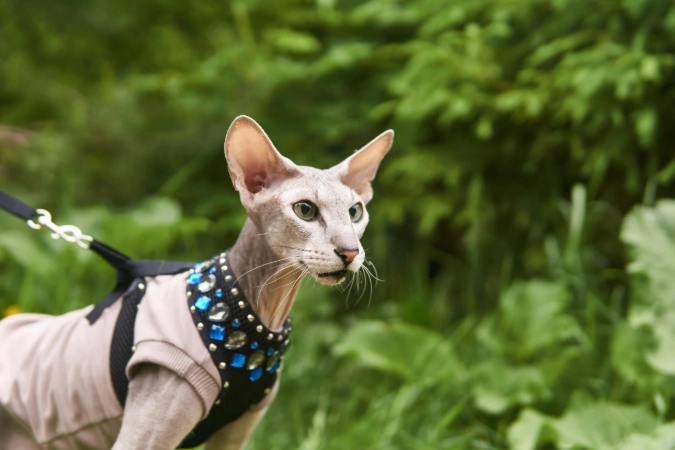
At the end of the day, bringing a Peter Bald cat into your home is inviting in a piece of living, breathing, warm art with a huge personality. It's a commitment to a different kind of pet ownership—one that's interactive, involved, and incredibly intimate. They're not for everyone, but for those they are for, there's simply no other cat like them.
I hope this guide gave you the real, unfiltered picture. Do your research, meet some if you can, and if you take the plunge, get ready for a life filled with warmth, conversation, and a truly unique friendship.